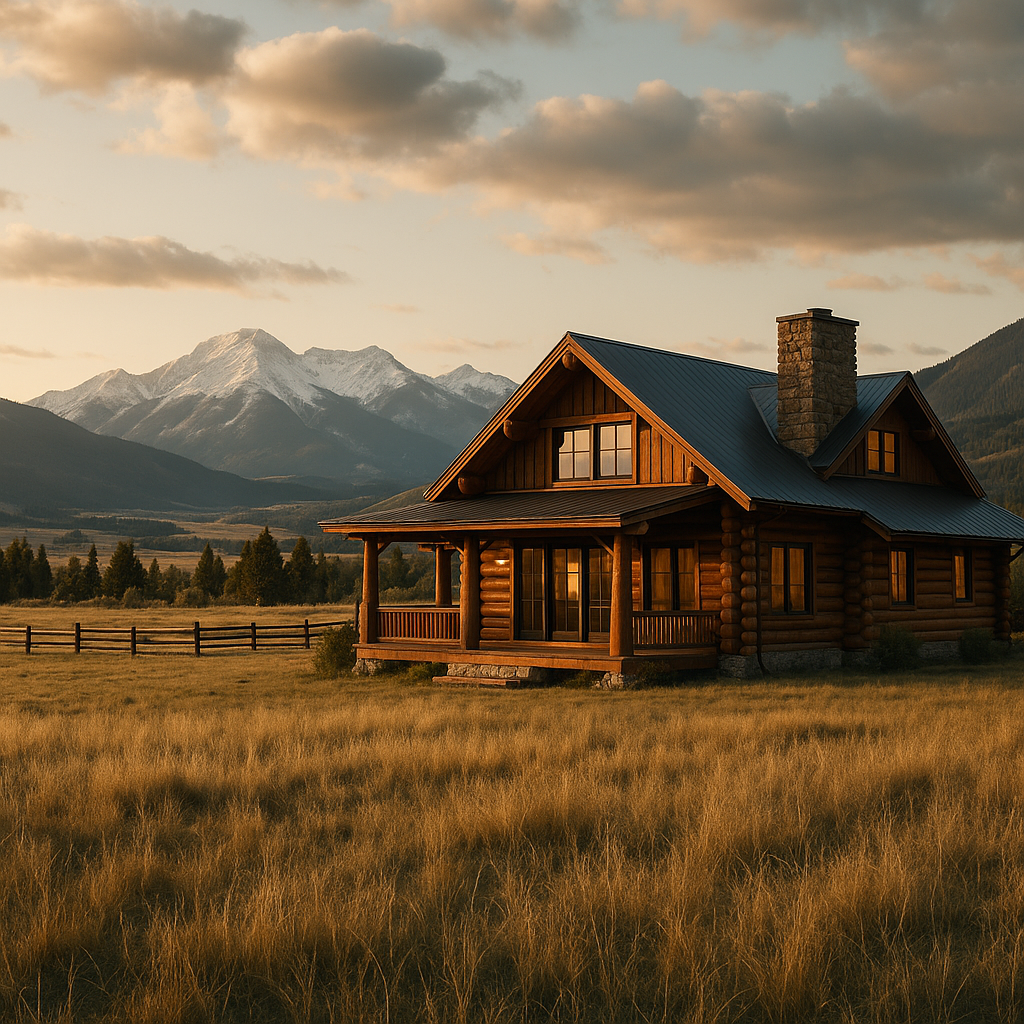
A $3M Montana Cabin Listing Highlights the New Face of “Ranch Country” Real Estate
Montanans don’t need a Realtor.com headline to know the market has changed. But when reports indicate a sprawling Montana cabin on a world-class golf course is listed around $3 million, it’s a useful snapshot of where “Western lifestyle” branding meets real-world ranch country economics.
This isn’t about begrudging someone a view or a nice log beam. It’s about what high-end listings signal for the rest of the state—especially for cattle producers and horse folks trying to make payments penciling out on hay, pasture, and equipment.
Quick takeaways
- Luxury “cabin” listings can push comparable values up—even when the surrounding landscape is still working ranch country.
- Higher land and home prices raise property tax pressure and can complicate succession planning for family ranches.
- More part-time residents can change local demand for hay, pasture leases, and horse services—sometimes for better, sometimes not.
- Communities near amenity developments (golf, skiing, resort towns) often feel the shift first.
A luxury cabin listing isn’t just a cabin story
Real estate stories often read like travel brochures: big views, big timber, “Western lifestyle.” But the subtext matters. A $3 million listing—especially one tied to a high-end amenity like a golf course—reflects demand from buyers who are shopping for recreation, retirement, and second homes as much as they’re shopping for a place to live.
In parts of Montana, that demand has been strong enough to reshape entire markets. When a property lists at a premium, it can influence nearby sales expectations. Even if the “cabin” itself is not a ranch, the price can ripple across a valley where cattle and horses are still the backbone of the landscape.
It’s also a reminder that “Montana cabin” can mean very different things depending on the zip code: from a drafty hunting shack with a woodstove to a custom build with designer finishes and a gated drive.
How this touches cattle country: land values and taxes
For working ranches, the biggest pressure point is often land value—especially when parcels close to towns, rivers, or resort corridors start trading like lifestyle properties.
Higher values can be a double-edged sword:
- Equity goes up, which can help with borrowing power or retirement planning.
- Carrying costs can rise, including taxes, insurance, and sometimes expectations for improvements or access.
Property tax impacts vary by classification and county, and agricultural land is typically assessed differently than residential. Still, when residential demand heats up, it can raise the stakes for families trying to keep land intact across generations. Appraisals, estate planning, and buyouts among heirs can get more complicated when the “market value” is being set by non-ag uses.
That’s one reason ranch succession planning has become a bigger kitchen-table topic. The land may be the family’s livelihood, but it’s also the family’s largest asset—and increasingly, it’s an asset that outside buyers are eager to pay for.
Pasture, hay, and horse services: shifting local demand
Luxury growth doesn’t only show up in home prices. It can also change local demand for agricultural services and products—sometimes in surprising ways.
In areas with more part-time residents and recreational properties, producers may see:
- More small-acreage horse ownership, which can increase demand for grass hay, alfalfa, and weed-free certified hay (especially near public lands and trail systems).
- More interest in pasture leases for a handful of horses or “hobby” cattle, though lease terms and expectations can differ from traditional arrangements.
- More business for farriers, veterinarians, and trainers, but also more scheduling pressure on already-stretched rural services.
At the same time, producers sometimes run into friction when neighbors are new to the realities of livestock: dust, noise, calving season headlights at 2 a.m., or the fact that cattle will test a fence the day after you fix it. In some places, that learning curve is smoothed out by good communication. In others, it becomes a source of complaints and tension.
Working landscapes next to amenity developments
Golf courses, ski hills, and resort-style subdivisions tend to cluster in the same places Montanans have always loved: water, views, and access to public land. Those are also places where many ranches historically held their best winter ground, irrigated hay base, or low-elevation pasture.
When development spreads, it can fragment a working landscape into smaller parcels. That fragmentation can create practical challenges:
- Fencing and livestock movement get harder with more property boundaries and more traffic.
- Weed control can become inconsistent if neighboring parcels aren’t managed or if owners aren’t on-site.
- Irrigation and water management can get more complicated when land use changes around ditches and headgates.
None of that is inevitable, but it is common enough that ranchers pay attention when high-end real estate stories pop up in their region.
Why “Western lifestyle” sells—and why that matters
Montana has always marketed well: wide-open spaces, elk in the timber, a horse saddled at sunrise. Real estate ads lean into that because it works. The concern for many producers isn’t the marketing itself—it’s whether the people buying into the image understand the responsibilities that come with living in a place that still functions as an agricultural state.
In many counties, “right to farm and ranch” laws and local ordinances help protect agricultural operations. But the most effective tool is often neighbor-to-neighbor understanding. New residents who learn the rhythms of calving, branding, and haying season can become strong allies for keeping open space intact. Others may push for restrictions that make day-to-day ranch work harder.
From a community standpoint, the “Western lifestyle” message can also shape policy debates: access, conservation easements, subdivision rules, and how growth is managed near working lands.
What this means for Montana
A $3 million cabin listing near a top-tier golf course is, on its face, a real estate item. But it’s also a marker of the broader trend: Montana is competing in a national market for lifestyle properties.
For ranchers and livestock producers, the practical takeaway is to treat these listings as signals:
- Expect more pressure on land near amenities—river corridors, resort edges, and places with easy airport access.
- Plan early for succession if your operation depends on land that’s gaining non-ag value.
- Get clear on neighbor expectations with fencing, weed control, and livestock movement—especially where small-acreage ownership is growing.
- Watch local service capacity (vets, farriers, hay supply) as demand changes.
There’s also an opportunity here. If more buyers want “the West,” some will also want local beef, local hay, and the chance to support the working landscapes they moved for. Producers who are positioned to sell direct, offer grazing arrangements, or provide horse boarding and hay delivery may find new customers—if the economics and time pencil out.
But the larger question remains: can Montana keep enough land in production to stay Montana? Luxury listings don’t answer that. They just remind us the stakes are rising.
Keeping perspective: one listing, bigger trends
It’s important not to overread a single property listing. Asking prices aren’t sale prices, and one high-end home doesn’t define an entire county. Still, reports of multi-million-dollar “cabins” are part of a pattern that’s been reshaping the state for years.
For folks who make their living with cattle, hay, and horses, the best approach is clear-eyed: track what’s selling nearby, talk with local assessors and lenders, and keep your operation flexible where you can. Montana has room for newcomers and long-time producers—but it takes planning and a little grit to keep the balance.
Inspiration: “montana cattle” – Google News (link)