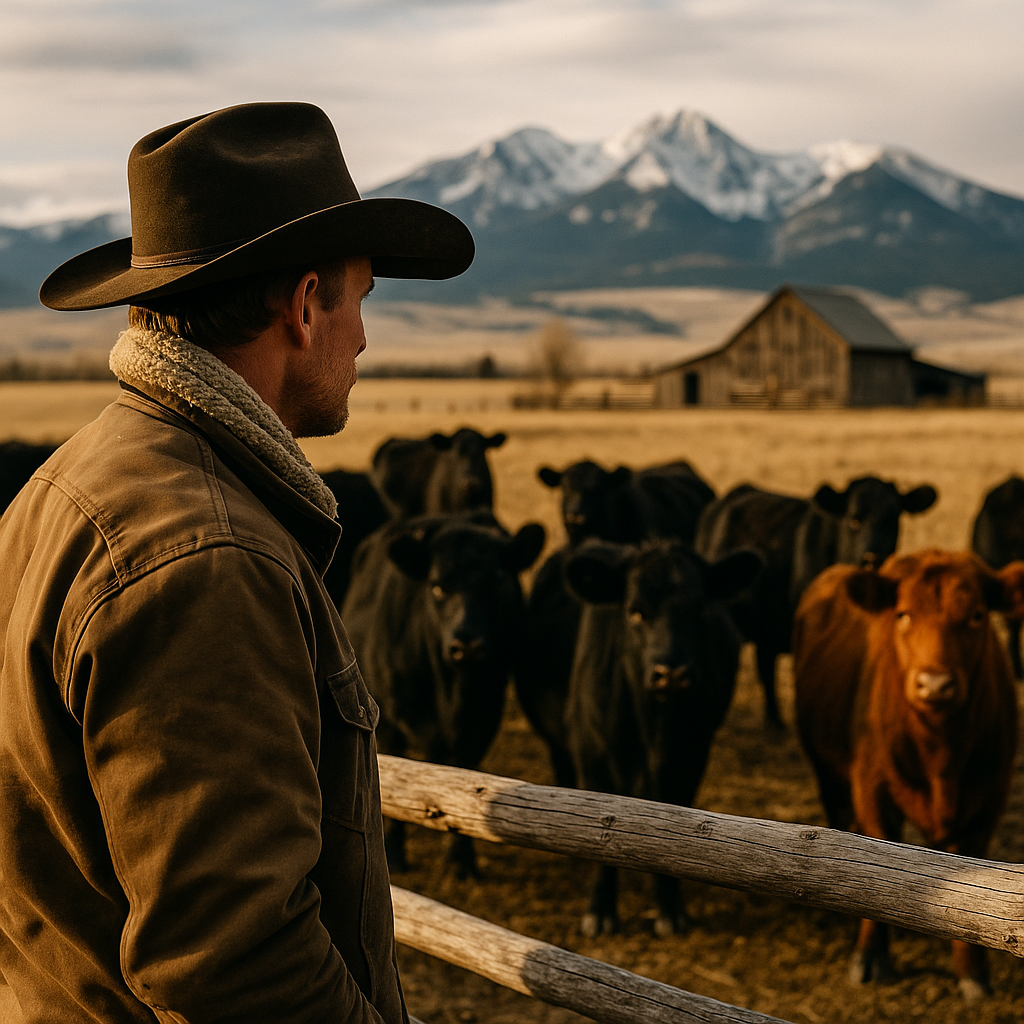
Montana Ranch Reminder: Key Livestock Reports and Payments Often Come Due March 1
As winter starts to loosen its grip, Montana ranches are already shifting gears—calving plans, feed inventories, spring turnout, and the paperwork that rides along with running livestock. Around the state, March 1 is commonly a key date tied to certain livestock reports, program paperwork, and payments. Requirements can vary by county, agency, and program, so it’s worth taking an hour now to confirm what applies to your operation.
- Quick takeaways
- March 1 is frequently used as a deadline for livestock-related reporting and payments in several programs.
- Deadlines can differ by county and by program—verify with your local office rather than assuming.
- Good records (inventory counts, movement dates, brand paperwork, grazing notes) make reporting faster and reduce headaches.
- If you’re unsure what you owe or need to file, call early—offices get busy close to deadlines.
Why March 1 shows up on so many ranch calendars
Across agriculture, agencies and industry groups often anchor deadlines around the start of March. It’s a practical time: most operations can account for winter inventory, and it’s early enough to set the stage for grazing season, marketing decisions, and any program participation that impacts the rest of the year.
Reports indicate that some livestock-related requirements and payments are commonly due around March 1. What that means in practice is simple: if your ranch participates in any cost-share, grazing, conservation, loan, or livestock-related programs—or if you lease, ship, or custom-graze—this is a good moment to check for paperwork you may have parked on the desk since fall.
Common items to double-check before March 1
Not every item below applies to every ranch. But these are the kinds of obligations that often come with deadlines in late winter or early spring. If any of these sound familiar, pull your records and confirm the specific due dates with the relevant office.
1) Livestock inventory and movement records
Even when a formal “report” isn’t required, accurate counts and movement notes are the foundation for everything else—insurance, taxes, grazing agreements, and program documentation.
- Current head counts by class (cows, bred heifers, bulls, replacement heifers, calves, yearlings)
- Purchased/sold animals since the start of winter
- Deaths, predator losses, or other shrink events (with dates and notes)
- Brand inspection paperwork for any change of ownership or shipments
If you’re using digital recordkeeping, now is a good time to back it up. If you’re on paper, consider snapping photos and storing them in a secure folder.
2) Grazing-related paperwork (leases, permits, and agreements)
Many ranches juggle a mix of deeded ground, state leases, private leases, and sometimes federal permits. Each comes with its own reporting expectations. Some agreements require updated livestock numbers, proof of insurance, or payment schedules that can land near March 1.
If you’re leasing pasture, review:
- Turnout dates and any drought or flexible-stocking clauses
- Payment schedule and whether a spring installment is due
- Stocking rates and how they’re measured (AUMs, pairs, head-days)
- Any required documentation (weed management, water maintenance, fence responsibilities)
3) Program participation and annual certifications
Ranches that participate in agricultural programs—whether through local, state, or federal channels—often have annual renewals, certifications, or reporting requirements. Deadlines vary, but early spring is a common window.
Examples of what to look for include:
- Annual eligibility updates (entity information, contact info, ownership changes)
- Production or inventory reporting tied to a specific program year
- Payment requests or documentation needed to trigger reimbursement
If you’re working with your local USDA Service Center, you can find office information through the USDA directory at offices.sc.egov.usda.gov. Calling ahead can save a trip—especially when weather and road conditions are still a factor.
4) Loans, operating notes, and paperwork that affects cash flow
For many operations, late winter is when lenders want updated inventories, collateral documentation, or insurance confirmations. If a payment is scheduled near March 1, it’s smart to confirm it now—especially if you’re waiting on cattle checks or lining up feed bills.
Items worth reviewing:
- Operating note terms and payment dates
- Collateral lists (livestock counts, equipment schedules)
- Insurance policy requirements and proof-of-coverage requests
5) Brand-related details and change-of-ownership housekeeping
Montana ranchers know brands are more than tradition—they’re the backbone of livestock identification and ownership documentation. If you’ve bought, sold, or moved cattle in ways that require inspection, make sure your paperwork is complete and filed correctly.
For brand inspection and brand-related information, the Montana Department of Livestock is a key resource: liv.mt.gov.
A practical checklist to get it done fast
If you want to knock this out in one sitting, here’s a simple approach that works for most operations:
- Pull your winter inventory: head counts by class, plus any purchases/sales since fall.
- Gather supporting documents: brand inspections, bills of sale, death loss notes, vet receipts if relevant.
- Review your agreements: grazing leases, custom-grazing contracts, and any program paperwork.
- Make two calls: your local office(s) for any programs you’re in, plus your lender/agent if you have upcoming payments.
- Document what you confirmed: write down names, dates, and what was said—then file it where you’ll find it next year.
What this means for Montana
Montana’s livestock economy runs on tight margins, weather risk, and timing. When reporting and payment deadlines stack up at the same time feed bills are due and spring work is ramping up, small administrative slip-ups can turn into real costs—late fees, delayed payments, or missed program eligibility.
On the flip side, staying ahead of deadlines can help operations:
- Protect cash flow by avoiding delays tied to missing paperwork
- Reduce compliance stress during calving, lambing, and spring turnout
- Keep records clean for marketing, lenders, and long-term planning
It also matters at a community level. When ranches are able to access the programs they qualify for and keep business moving smoothly, local sale barns, feed suppliers, veterinarians, and trucking outfits feel it too.
Tips for avoiding last-minute surprises
- Don’t assume the date: even if “March 1” is common, confirm the exact deadline for your county and program.
- Ask what “received” means: some offices require paperwork in hand by the deadline, not postmarked.
- Keep a single folder: one physical binder or one digital folder for all annual livestock reporting items.
- Track changes as they happen: ownership changes, new entities, new leases, and new bank accounts can trigger extra documentation.
Bottom line
If your ranch has any livestock-related reporting or payments tied to programs, leases, or annual certifications, treat March 1 as a prompt to verify what’s due and when. A couple phone calls and a clean inventory list can prevent a lot of headaches—right when you’d rather be focused on calves, grass, and weather.
Inspiration: “montana cattle” – Google News (link).