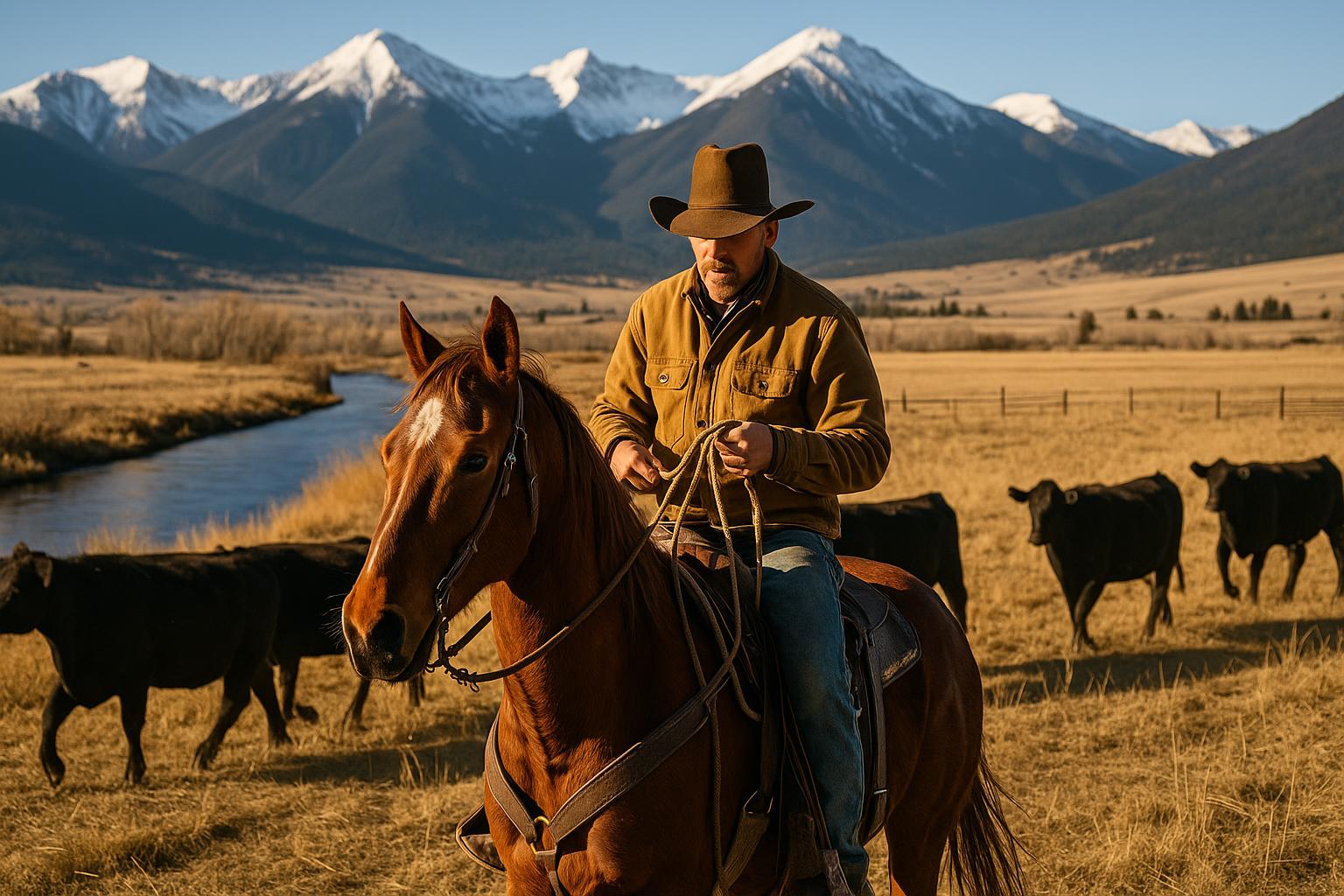
Montana on the Feed: The Week’s Best Field, Range, and River Photos
Scroll long enough in July and you’ll see it: a state in motion. Swathers laying down hay, combines chewing through wheat, calves posted up in the shade, and anglers slipping into evening light on freestone rivers. Montana’s working landscapes make for compelling photos because they’re not staged—they’re lived.
This week’s photo roundup pulls inspiration from what’s been showing up across social feeds: the practical, the gritty, and the downright beautiful moments that happen when summer hits full stride. We’re not ranking “the best” so much as spotlighting the kinds of scenes that tell the story of Montana right now—and offering a few reporting-style notes on what’s behind the images.
1) Haying: dust, dew, and the race against weather
If your feed looks like windrows and balers, you’re not alone. Across much of Montana, July is when haying ramps up in earnest—often with a sharp eye on afternoon thunderstorms and the drying window between irrigations.
- What you’re seeing: Swathers at sunrise, rakes kicking up powder, and balers running late to beat a forecast.
- What it usually means: Producers are trying to lock in quality by timing cutting and baling around moisture. Too wet and you risk spoilage; too dry and leaves shatter, especially in alfalfa.
- Photo tip: Early morning backlight turns windrows into texture. Keep the sun just off-frame and expose for highlights to avoid washing out dust.
For readers who want the nuts-and-bolts on hay moisture and storage safety, Montana State University Extension has practical guidance that’s worth bookmarking: MSU Extension.
2) Wheat country: summer gold and the first cut of harvest
Those sweeping shots of combines and grain carts—often framed by big sky and long horizons—are more than just pretty. They’re a reminder that Montana remains a major wheat state, with harvest timing varying by elevation, variety, and local weather patterns.
Reports indicate some areas see harvest start earlier in hot, dry stretches, while cooler or higher locations lag behind. If your neighbor is already cutting and you’re still green, that’s not unusual in a state where microclimates can change in a few miles.
- What you’re seeing: Header reels turning, dust plumes, and grain pouring into trucks at dusk.
- What it usually means: Crews are maximizing daylight and trying to avoid delays from wind, rain, or breakdowns.
- Photo tip: Try a wide lens from a safe, legal pullout to show scale. Never stop on a blind corner or stand near moving equipment.
For statewide crop context and market-facing numbers, the USDA NASS reports are a reliable baseline (look for Montana-specific releases and weekly crop progress during the season).
3) Calving pairs and summer pasture: the quiet middle of the year
Summer ranch photos don’t always scream action, but they carry the real story: pairs spread out on grass, mineral tubs getting checked, and stock tanks holding steady in the heat. These are the images that show management rather than spectacle.
Depending on operation and country, July can mean rotating through pasture, monitoring water, and watching for pinkeye, foot issues, or fly pressure. Many ranchers also start thinking ahead to weaning plans and fall logistics even when the days feel endless.
- What you’re seeing: Calves bedded in shade, riders checking fences, and dogs posted on the tailgate.
- What it usually means: Routine work—often done early and late to avoid the hottest part of the day.
- Photo tip: Keep your distance and use a longer lens. Cattle behavior changes fast if you crowd them, especially cows with young calves.
4) Irrigation and water: the photos that carry a bigger conversation
Nothing says “working summer” like a pivot in motion or a set of wheel lines marching across a field. Irrigation photos look simple, but they point to a bigger reality: water timing is everything, and it’s rarely straightforward.
In some basins, reports indicate water availability can tighten as summer progresses, while other areas may be more stable depending on storage, snowpack carryover, and local precipitation. It’s a topic that can turn political fast, but the day-to-day on the ground is usually practical: keep crops alive, keep schedules tight, and keep infrastructure running.
- What you’re seeing: Sprinkler arcs at sunset, headgates, and ditch checks.
- What it usually means: Producers are balancing electricity costs, labor, and soil moisture needs.
- Photo tip: Night shots can be striking, but be mindful of private property and safety around canals and equipment.
For drought context and maps that many producers and land managers reference, see the U.S. Drought Monitor.
5) Rivers, reservoirs, and the overlap of ag and recreation
Montana’s social feeds in summer aren’t purely agricultural—and that’s the point. The same landscapes that grow hay and wheat also hold trout water, waterfowl habitat, and family weekends at the reservoir. Photos of drift boats at dawn or kids catching perch off a dock sit right next to hay stacks and branding irons.
It’s worth noting that river conditions can change quickly with heat, runoff, and irrigation demand. Anglers should keep an eye on local guidance, including any restrictions designed to reduce stress on fish during warm water periods.
- What you’re seeing: Evening hatches, shaded runs, and “last light” releases.
- What it usually means: Many folks are shifting to early mornings and late evenings to avoid the hottest water temps.
- Photo tip: If you’re photographing fish, keep them in the water as much as possible. A quick shot beats a long “hero” session.
For official, up-to-date fishing rules and any emergency closures or hoot-owl restrictions, check Montana Fish, Wildlife & Parks.
How to get a great Montana working-lands photo (without getting in the way)
The best photos come from respect—respect for people’s time, for private property, and for the hazards that come with machinery, livestock, and water. If you want your shots to look like you belong out there, start by acting like you do.
- Ask first: A quick permission request goes a long way, especially around yards, corrals, and equipment.
- Stay safe and legal: Don’t climb on machinery, block field approaches, or step into active work areas.
- Tell the story: Include a detail shot—hands on a gate chain, grease on a glove, dew on a windrow.
- Use captions that add value: Location (general, not doxxing), what’s happening, and why it matters.
What this means for Montana
These photos—whether they’re from a rancher’s phone, a hired hand’s dash-mounted camera, or an angler’s quick river snapshot—are more than content. They’re a real-time record of how Montana’s summer is unfolding.
When feeds fill with haying, it signals the push to put up winter feed and stabilize costs. When wheat harvest starts popping up, it’s a reminder that timing and weather still run the schedule, not the calendar. When irrigation shots dominate, they hint at water management decisions that ripple into yields, pasture conditions, and even local economies. And when river photos shift to dawn-and-dusk, that’s often a sign people are adapting to heat and changing conditions—sometimes in response to guidance meant to protect fisheries.
In a state where hunting, fishing, farming, and ranching share the same map, the weekly photo stream is a kind of public bulletin board: it shows what’s working, what’s urgent, and what folks are proud of. Pay attention, and you can read the season like a forecast.
Inspiration: www.agdaily.com