Trump regroups, sets new ‘global’ tariffs
By Harry Ward
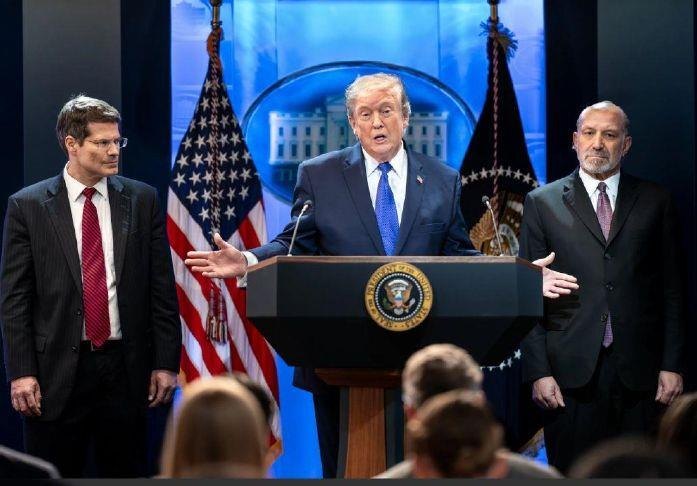
President Trump announced a new 10% “global” tariff on Feb. 20, shortly after the U.S. Supreme Court struck down tariffs that had been issued under the International Emergency Economic Powers Act (IEEPA). The court said IEEPA doesn’t give clear enough authority for the kind of tariff changes the administration had made, but it also indicated presidents can impose tariffs through other laws.
The new tariff is set to take effect Feb. 24. It won’t apply to goods covered by the U.S.-Mexico-Canada trade agreement, and the White House said it also won’t apply to goods not produced in the U.S. or produced in insufficient quantities to meet domestic demand.
Thousands of imported items are exempt, including a range of agricultural products and inputs. The exemptions include some fertilizers and crop-protection chemicals, along with foods such as beef, tomatoes and avocados. Other exemptions listed include certain chemicals, minerals, engine parts, pharmaceuticals, and energy products such as coal, liquid fuels and electricity.
Trump imposed the tariff under Section 122 of the Trade Act of 1974, which allows a tariff of up to 15% for 150 days. He has said he plans to raise the rate to the 15% maximum, and Congress could renew the tariff when the order expires. Trump also directed the Office of the U.S. Trade Representative to investigate foreign trading practices under Section 301, a process that can lead to trade sanctions.
Why it matters
- The Supreme Court ruling limits the use of IEEPA for tariffs, but leaves other tariff tools available to the president.
- Farmers and ranchers could see uneven impacts because many agricultural inputs and foods are exempt, while other imported goods are not.
- The tariff is tied to broader trade pressure, including new investigations that could lead to additional actions.
What to do next
- Watch for the tariff’s start date and any change from 10% to 15%, along with updates on which products are exempt.
- Track the U.S. Trade Representative’s Section 301 investigations for potential follow-on tariffs or sanctions.
Source
Original reporting by capitalpress.com: https://capitalpress.com/2026/02/23/trump-regroups-sets-new-tariffs-but-not-farm-chemicals/