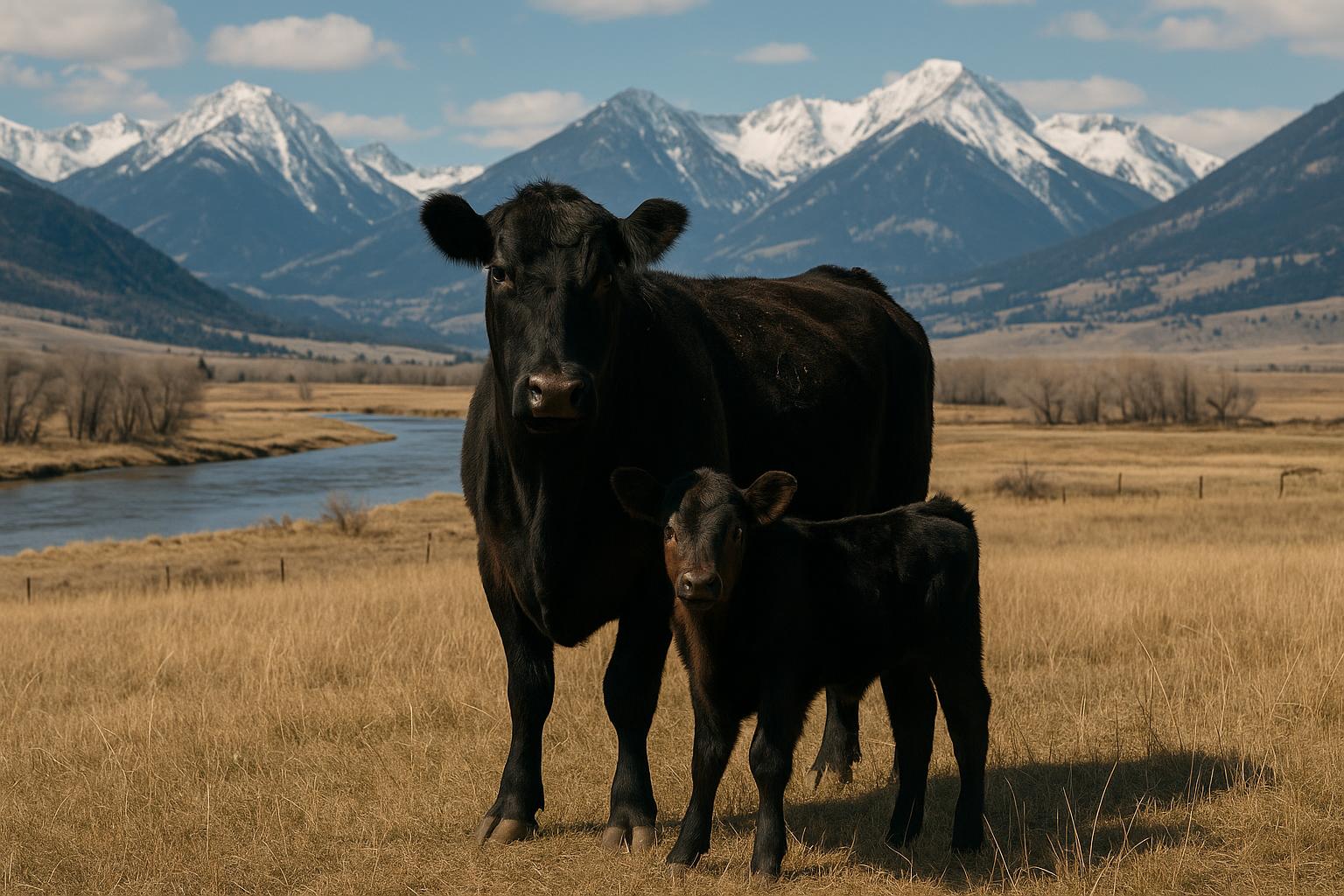
Buying First- and Second-Calf Pairs: What Montana Ranchers Should Watch For This Spring
Listings for young cow-calf pairs pop up year-round, but interest often spikes as Montana outfits line up grass, labor, and branding schedules. Recent online sale postings in other regions have highlighted groups of first- and second-calf pairs—a class of cattle that can pencil well on paper, but only if buyers match them to their country, management, and risk tolerance.
This report isn’t a sale pitch. It’s a nuts-and-bolts look at what to verify when you’re considering young pairs, what questions to ask across state lines, and how to think about value in a Montana context.
Why first- and second-calf pairs draw attention
First- and second-calf cows are typically in the early, productive part of their lives. If they’re sound, fertile, and well-managed, they can offer years of calf crops ahead. But they can also be the most management-sensitive age group—especially around calving and rebreeding.
- Upside: More remaining productive years than older pairs, often with good teeth and udder structure still holding up.
- Watch-outs: First-calf heifers can be lighter-milking, more prone to losing condition, and sometimes harder to get bred back if nutrition slips.
- Fit matters: A set that thrives on bermudagrass and mild winters may need extra feed and shelter to hold condition through a Montana March.
Key questions to ask before you bid or wire money
If you’re buying private treaty, through an online platform, or via a commission firm, ask for specifics in writing. If details are missing, treat them as unknowns and price accordingly.
- Age and calving history: Are they verified first- and second-calf cows? Any documented calving problems?
- Breed makeup: “Angus cross” can mean many things. Ask what they’re crossed with and whether there’s known Brahman influence, dairy influence, or continental genetics.
- Calving window: When did they start calving, and what percentage has calved? If pairs are marketed mid-season, clarify whether any are still heavy bred.
- Vaccination and deworming: Request a protocol and dates. If the seller can’t provide it, assume you’ll need to build a plan with your vet.
- Exposure and preg status: If cows are already re-exposed, what bull was used, for how long, and were any pregnancy checks done?
- Calf details: Approximate calf age range, whether calves are tagged, and if they’ve had any shots. Ask about castration status on bull calves.
- Disposition: Are they handled horseback, on foot, with dogs, or minimal handling? Temperament matters for safety and labor.
Health, biosecurity, and paperwork: don’t skip the boring stuff
Moving cattle into Montana—especially from out of state—requires attention to animal health rules and good biosecurity. Requirements can change, and they may differ depending on origin state, class of cattle, and destination.
Before purchase, confirm what documentation will travel with the load:
- Certificate of Veterinary Inspection (CVI): Commonly called a health paper.
- Official ID: Brands, tattoos, or official tags as required.
- Brand inspection: Montana is a brand state. If cattle are coming in, you’ll likely need inspection and proper proof of ownership. Check guidance through the Montana Department of Livestock Brands Enforcement Division.
- Import requirements: The Montana Department of Livestock Animal Health page is a good starting point, and your veterinarian can help interpret current rules.
On the ranch side, plan a quarantine and observation period for new arrivals, even if they look healthy. Reports indicate that stress from hauling, commingling, and weather swings can bring respiratory issues to the surface days after arrival. Keep a thermometer, a pen you can work safely, and a relationship with your local vet.
Transport realities: distance, weather, and shrink
Buying pairs from far away can look attractive until you add freight, time, and risk. Young pairs with small calves are especially sensitive to long hauls, hot trailers, and abrupt weather changes.
- Freight: Get a written quote that includes fuel surcharge and insurance.
- Timing: Avoid hauling into major spring storms when possible. Montana roads and mud can turn unloading into a wreck fast.
- Shrink and condition: Expect weight loss in both cows and calves. A thin first-calf cow that arrives stressed may struggle to rebreed.
- Facilities: Have a clean pen, good windbreak, and water access ready before the truck backs in.
Evaluating the cows: a practical checklist
If you can view cattle in person—or have a trusted buyer, neighbor, or order buyer look—focus on the traits that cost money when they’re wrong.
- Udder and teats: Look for functional udders and manageable teat size. Bad udders don’t improve with age.
- Feet and legs: Watch them walk. Avoid obvious lameness, bad claws, or posty/sickle hocks that won’t hold up in rough country.
- Body condition: Young cows should have enough cover to breed back. Extremely fleshy can be a red flag too if they’re coming off high-energy feed that won’t be replicated at home.
- Eyes and attitude: Clear eyes, alert behavior, and manageable temperament reduce wrecks at branding and shipping.
- Calf vigor: Calves should be bright, nursing, and moving well. Scours or rough hair can signal management or disease pressure.
How to think about price without guessing the market
Pair prices move with feeder demand, cull cow prices, drought conditions, and grass outlook. Rather than trying to call the top or bottom, build a budget around your own costs and realistic performance.
Items to include:
- Purchase price + commission/fees
- Freight and insurance
- Health work on arrival (vaccines, dewormer, minerals)
- Feed and pasture costs through breeding and weaning
- Expected weaning weights based on your country, not the seller’s
- Risk factor for open cows, sickness, or death loss
If you’re comparing options, it can help to price pairs against:
- Buying bred heifers (more risk at first calving, but known genetics if sourced right)
- Buying older solid-mouth pairs (often cheaper, but fewer productive years)
- Keeping replacements (ties up capital and grass, but reduces disease introduction)
What this means for Montana
Montana ranches operate across a wide range of elevations, winter severity, and forage types. That makes “good cattle” a local definition. A young set of pairs from outside the region can still work well here, but the margin for error is smaller if:
- Winter lingers: Late storms and cold nights can punish thin young cows and newborn calves.
- Grass comes late: If turnout is delayed, feed costs rise and rebreeding can suffer.
- Labor is tight: First-calf pairs may require more eyes, especially at calving and branding.
- Disease pressure shifts: New cattle can introduce problems you haven’t dealt with recently. A solid quarantine plan is cheap insurance.
For Montana buyers, the best approach is to match cattle to your environment and management first, then negotiate price. If you can’t verify basics—age, health work, calving window, and ownership documentation—treat the purchase as higher risk and protect yourself with contingencies, a vet check when feasible, or by walking away.
Bottom line
First- and second-calf pairs can be a smart way to build numbers, but they’re not “set it and forget it” cattle. Do the homework on health, paperwork, transport, and fit for Montana conditions. The goal isn’t just to get them home—it’s to have them breed back, wean a solid calf, and stay in the herd long enough to pay you.
Inspiration: www.cattlerange.com