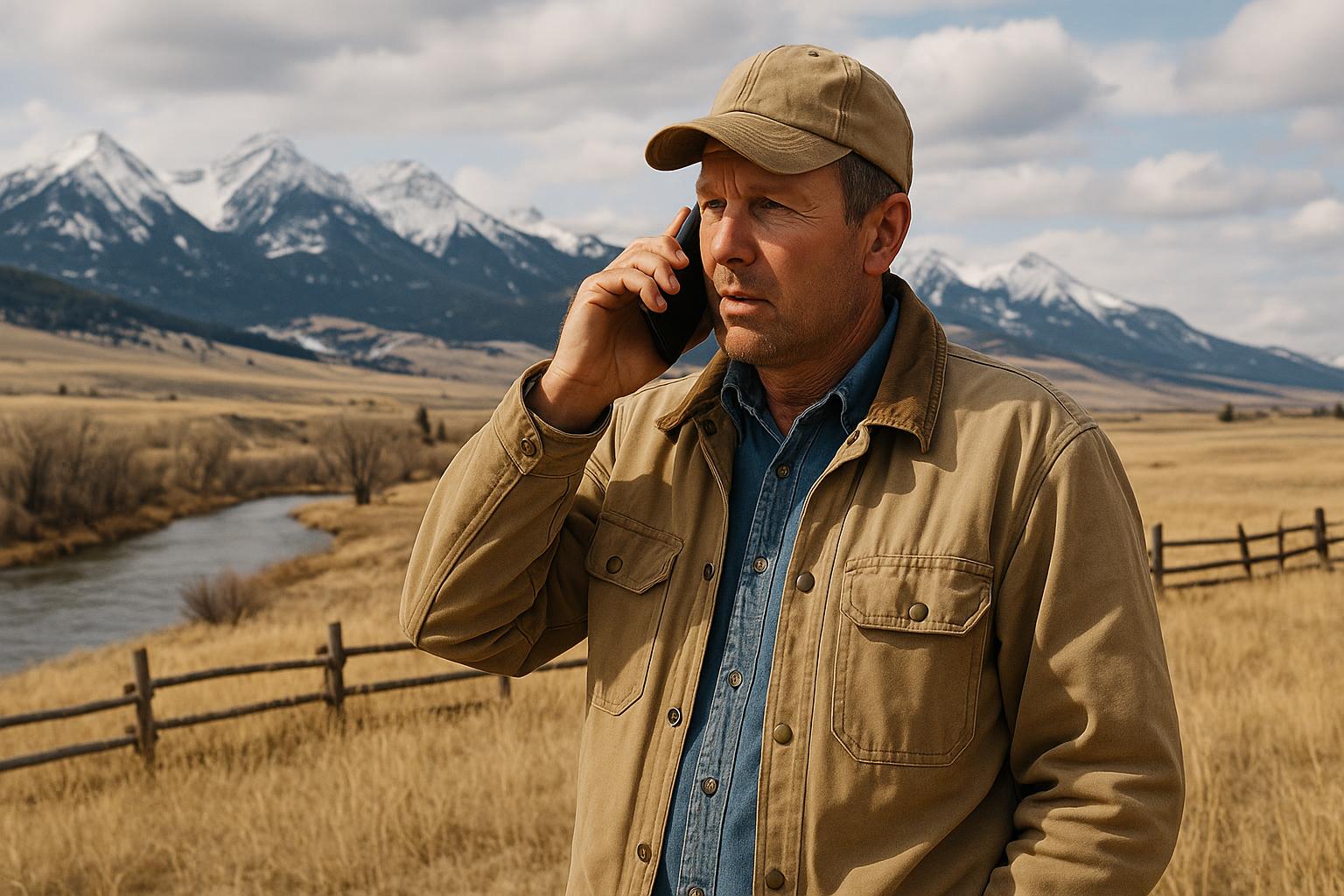
MSU Extension Contacts: A Practical Line to Help Montana Producers Through the Season
As spring fieldwork ramps up and calves hit the ground across the state, Montana producers are juggling the usual mix of weather risk, input costs, and market swings. One steady resource many operations lean on—especially when conditions turn fast—is Montana State University Extension.
MSU Extension’s public contact page lists central office phone and email information and points producers toward local county offices and specialists. Reports indicate the main Extension office can be reached by phone at (406) 994-1750, with additional contact details available through MSU’s Extension website. For producers who haven’t used Extension in a while, that single starting point can shorten the time between a problem showing up in the pasture or field and getting a credible, Montana-specific answer.
Here’s what’s new and what matters: not a new program announcement, but a reminder that the front door is open—and in a year when drought, irrigation timing, and forage decisions can make or break margins, knowing where to start can save time and money.
Why MSU Extension Contacts Matter Right Now
Extension is often most valuable when producers need to make a decision with incomplete information—before a hay crop is fully known, before a pest issue spreads, or before a water call tightens irrigation options. In Montana, those decisions look different by region:
- Hi-Line: Dryland grain and mixed operations often need rapid guidance on soil moisture outlooks, crop insurance considerations, and forage alternatives when precipitation misses.
- Yellowstone Valley: Irrigated acres and sugar beet/corn/alfalfa systems may need help with irrigation scheduling, nutrient management, and pest thresholds.
- Gallatin Valley: Diverse hay and livestock operations near growing development can face weed pressure, small-acreage management questions, and water planning challenges.
- Bitterroot Valley: Hay production and small-to-mid-size cattle operations frequently deal with weed control, irrigation timing, and drought-driven feed planning.
- Flathead Valley: Mixed farming and livestock operations may need support on pasture productivity, forage quality, and changing weather patterns.
Extension’s value is less about a single “answer” and more about connecting producers to research-based recommendations, decision tools, and local context. That can include everything from hay testing interpretation to grazing plans under limited moisture.
How Producers Typically Use Extension (Real-World Examples)
Montana ranchers and farmers tend to reach out when a question hits the “I can’t afford to guess” stage. Common reasons include:
- Drought and forage planning: Stocking rate adjustments, early weaning considerations, alternative forages, and pasture recovery strategies.
- Hay production decisions: Timing cuttings, assessing winterkill, fertility questions, and understanding quality tradeoffs when weather compresses the window.
- Irrigation management: Scheduling, efficiency improvements, and interpreting water availability constraints as the season develops.
- Weeds and pests: Identifying problem species, selecting control options, and understanding treatment timing—especially when herbicide costs are high.
- Livestock health and nutrition: Feed testing, ration basics, mineral programs, and risk management during weather swings.
- Markets and risk: Educational resources on marketing, budgeting, and scenario planning when cattle prices or feed costs move quickly.
For many operations, the fastest path is to start with the central contact information and ask to be routed to the right county office or specialist. MSU Extension maintains an online presence that can also direct producers to local programming and publications.
Find the MSU Extension contact page here: https://www.montana.edu/extension/contact/index.html.
What This Means for Montana Ranchers and Farmers
Montana agriculture runs on timing. When rainfall is uneven, when irrigation allocations tighten, or when hay tonnage looks short, delayed decisions can be expensive. Having a clear, credible point of contact matters because it can:
- Reduce costly trial-and-error: Whether it’s choosing a reseeding option after winterkill or dialing in a weed control plan, research-based recommendations can prevent wasted passes and inputs.
- Support drought resilience: Extension guidance can help producers evaluate early destocking, drought grazing strategies, and feed budgeting—especially important in parts of the Hi-Line and eastern Montana where moisture can vanish quickly.
- Improve hay and forage outcomes: In valleys like the Bitterroot, Gallatin, and Flathead, small shifts in cutting timing or irrigation scheduling can change quality and regrowth potential.
- Strengthen documentation and planning: Producers working through conservation planning, water management questions, or disaster-related decisions often benefit from organized records and decision tools.
It also matters from a community standpoint. County Extension offices are often where producers hear about local field days, pesticide recertification opportunities, forage workshops, and practical research updates that fit Montana conditions.
Practical Tips Before You Call or Email
Producers tend to get better answers faster when they come prepared. If you’re reaching out about a field, pasture, or herd issue, consider having:
- Your county and nearest town (conditions can vary widely even within a valley).
- Basic details: acres affected, irrigation status, soil type if known, and recent weather.
- Photos (for weeds, insects, crop symptoms, or pasture issues).
- Any lab results (hay test, soil test, water test) and what you’re trying to accomplish.
- A clear question: “What are my options?” is fine, but “What’s the best next step this week?” often gets you a more actionable response.
If you’re dealing with a time-sensitive issue—like an irrigation scheduling decision ahead of a heat stretch, or a weed at a critical growth stage—say so up front.
What to Watch Next in Montana Agriculture
Extension contact information is just the entry point. The bigger story for producers is how the season sets up across Montana and what decisions will be most sensitive to timing. Here are key items to keep an eye on in the coming weeks:
- Moisture and drought signals by region: Watch how spring precipitation and early heat shape soil moisture on the Hi-Line and across central/eastern Montana. Even in irrigated corridors like the Yellowstone Valley, dry, windy weather can drive water demand and stress.
- Irrigation availability and scheduling pressure: If runoff and reservoir conditions shift, irrigation timing may matter as much as total water. Producers should track local advisories and be ready to adjust cuttings and fertility plans accordingly.
- Hay supply expectations: First cutting conditions in the Bitterroot, Gallatin, and Flathead valleys will set the tone for pricing and availability. If tonnage looks short, the market often reacts early.
- Weed and pest development: Early identification is cheaper than late rescue. Keep scouting and document problem areas so you can target control and avoid blanket treatments.
- Cattle market signals versus feed costs: Stronger calf prices can mask risk if forage is tight. The margin hinges on feed availability, pasture conditions, and whether you can hold cows without buying expensive replacements later.
For producers who want to stay ahead, the best move is often simple: use the MSU Extension contact page to connect with your county office or the right specialist before a small issue becomes a season-long drag on yields or gains.
Inspiration: www.montana.edu