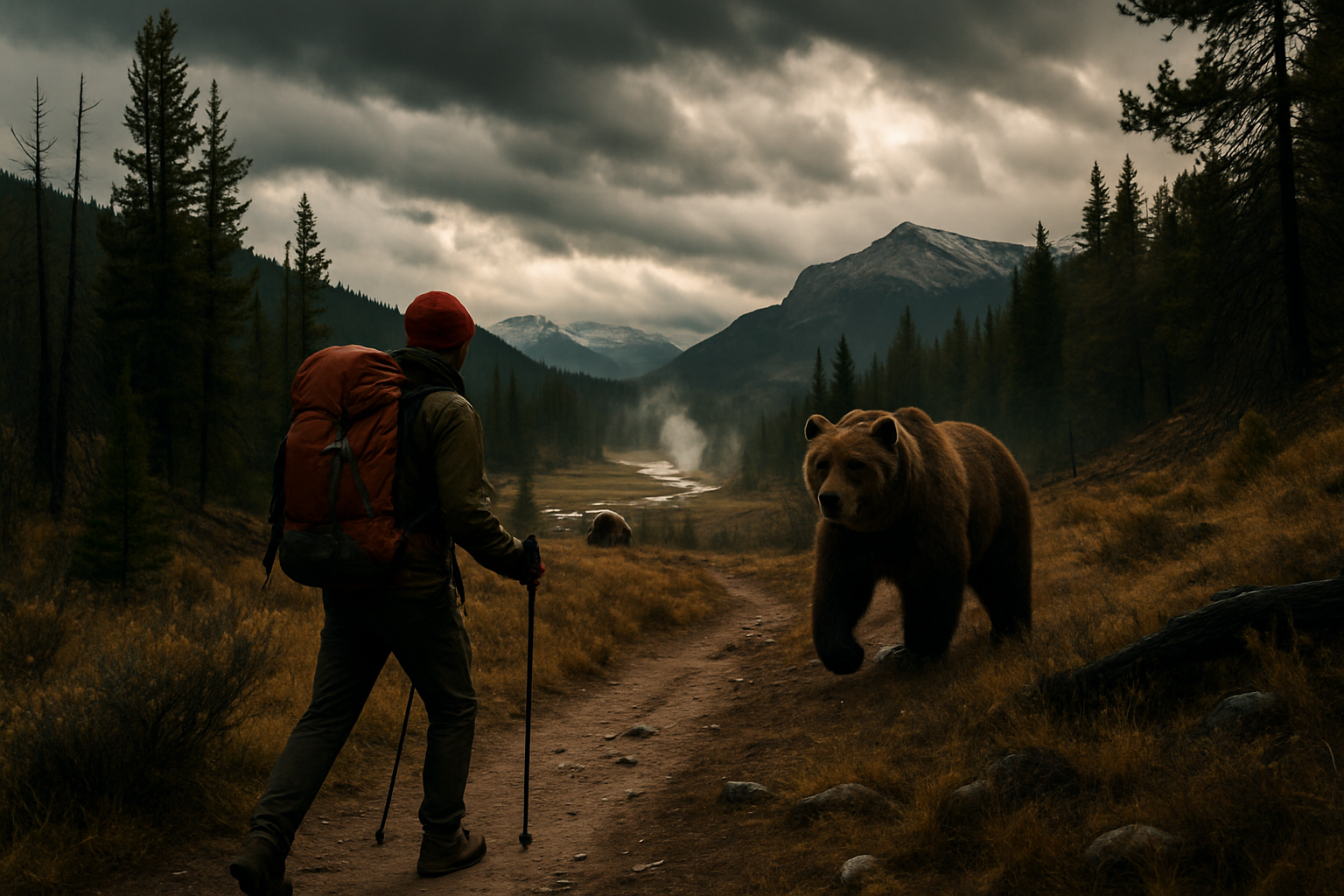
Yellowstone Bear Attack: Hiker’s Encounter Sparks Safety Concerns
A hiker in Yellowstone National Park recently survived a harrowing encounter with a bear, highlighting ongoing safety challenges in wilderness areas. The incident has reignited discussions about human-wildlife interactions and how best to manage them to ensure the safety of both visitors and the park’s animal inhabitants.
What’s Happening
On a brisk March morning, a routine hike in Yellowstone National Park turned perilous for an experienced hiker when a bear attacked them on a remote trail. The hiker, who sustained injuries but is expected to recover fully, was reportedly following a well-trodden path near a known bear habitat when the surprise encounter occurred. Park rangers responded swiftly, providing medical assistance and escorting the individual to safety.
Yellowstone, renowned for its stunning landscapes and diverse wildlife, is home to both grizzly and black bears. The park’s management often issues advisories for visitors, emphasizing the importance of carrying bear spray and maintaining a safe distance from wildlife.
Why It Matters
This incident underscores the unpredictable nature of wildlife encounters in national parks, raising questions about visitor preparedness and park policies. With millions visiting Yellowstone annually, ensuring their safety while preserving the natural behaviors of wildlife is a complex balancing act. The park’s officials continually work on strategies to educate visitors on responsible hiking practices, which include traveling in groups, making noise to alert bears of human presence, and knowing how to use bear spray effectively.
Such encounters also bring attention to the broader issues of human encroachment into wildlife habitats. As more people visit protected areas, the likelihood of human-wildlife conflicts increases, necessitating robust management and education strategies.
The Bigger Picture
Historically, Yellowstone has managed a delicate relationship between its human visitors and resident wildlife. While bear attacks are rare, they serve as stark reminders of the park’s wild nature. Over the years, Yellowstone has implemented numerous measures to minimize these incidents, from clear signage to ranger-led educational programs.
Nationally, bear populations are experiencing gradual recoveries due to conservation efforts. This rebound, while positive, means that encounters may become more frequent, particularly as humans continue to venture into bear territories. Understanding bear behavior and continuing effective management strategies are crucial for coexistence.
What to Watch For
In the aftermath of the attack, Yellowstone officials are likely to review their safety protocols and visitor education programs. The park may introduce new guidelines or strengthen existing advisories to enhance visitor safety. Observers will be keen to see if there is an uptick in reported bear sightings or interactions, which could influence future management decisions.
Additionally, this incident could prompt discussions on broader policy changes at a national level concerning wildlife management in public lands. Understanding public response and gauging the effectiveness of current measures will be critical in shaping future strategies.
For more on this incident, please visit the original report by Sheridan Media.
Frequently Asked Questions
What should I do if I encounter a bear in Yellowstone?
Stay calm, back away slowly, and avoid direct eye contact. Use bear spray if necessary.
How common are bear attacks in Yellowstone National Park?
Bear attacks are rare but can happen. Visitors are advised to follow safety guidelines.
What type of bears live in Yellowstone National Park?
Yellowstone is home to both grizzly and black bears.
How can I stay safe while hiking in bear country?
Travel in groups, make noise, carry bear spray, and follow park safety advisories.
What is bear spray and how does it work?
Bear spray is a pepper-based deterrent that can temporarily disable a bear’s senses, giving you time to escape.
Source: Sheridan Media