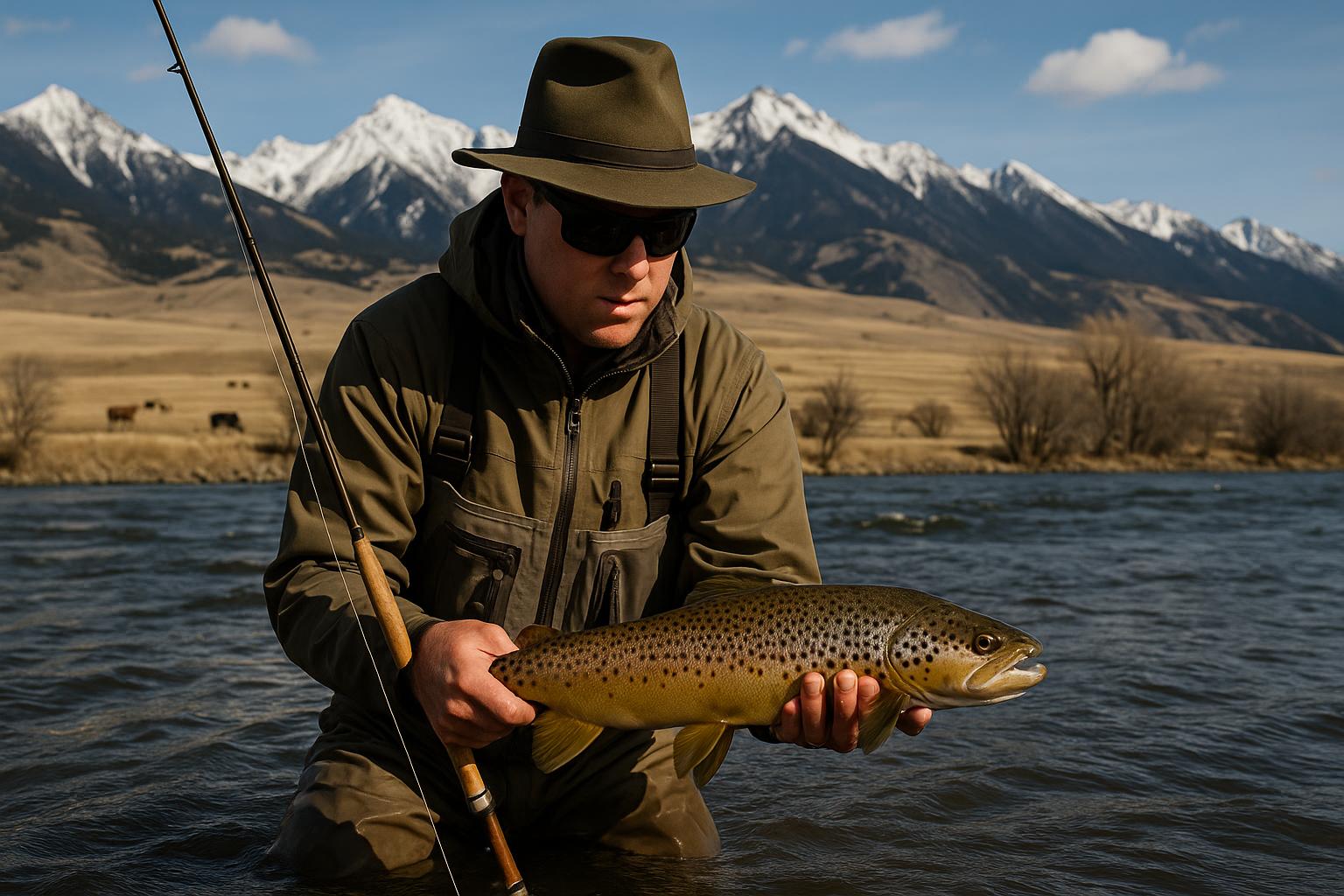
Yellowstone River Fishing Report: Flows, Temps, and Early-Season Tactics
Current Snapshot: What anglers are seeing
The Yellowstone is a big, honest river that changes fast with weather and mountain melt. As of this update, angler observations and shop chatter indicate the river is in a typical shoulder-season pattern: flows can climb quickly during warm spells, clarity can swing from decent to off-color in a day, and water temperatures often hover in the range where fish will feed—but not always for long windows.
For the most reliable, up-to-the-hour numbers, check the U.S. Geological Survey gauges. The Livingston-area gauge is a common reference point for float planning and wade safety: USGS Montana real-time water data. If you’re tracking water temps, a stream thermometer at the boat ramp beats guesswork.
River conditions: flows, clarity, and wade safety
Flows: Reports indicate flows are variable depending on recent temperatures and precipitation. On the Yellowstone, even a modest warm-up can push tributary input and bump the mainstem. If you’re floating, build extra time into your day—higher water moves boats faster, but wind and debris can slow things down.
Clarity: Expect “fishable but changing.” When the river has a green tint (not chocolate milk), it can still fish well—especially tight to the bank and in softer seams. If it turns fully muddy, pivot to side channels where available, or consider spring-fed options nearby.
Wade safety: The Yellowstone’s cobble and slick shelves don’t forgive mistakes. If the river is rising, treat it like a different river by afternoon. Fish with a wading staff, avoid mid-river crossings, and focus on bank structure.
- Wear a belt with waders and keep your pack straps loose enough to ditch.
- In higher flows, fish from the bank or a boat and keep wading shallow.
- Watch for floating wood—especially near cutbanks and tight bends.
Water temperature: when to expect the best bite
Water temperature drives the day on the Yellowstone. In many spring and early-summer scenarios, the best fishing often lines up with the warmest part of the day. If morning temps are cold, expect a slower start and a stronger mid-day to late-afternoon window.
As a rule of thumb, trout activity tends to improve as water temps move into the upper 40s and 50s. If you’re seeing water temps pushing higher later in the season, handle fish quickly and consider calling it early during hot spells. For guidance on responsible angling practices during warm water periods, Montana Fish, Wildlife & Parks is the best reference: Montana FWP.
Likely hatches and bugs to watch
Hatches on the Yellowstone are famously weather-dependent. Cold fronts can shut down surface activity, while stable, mild afternoons can spark short but productive emergence windows. Based on typical seasonal timing and recent conditions anglers often report, here are the insects to keep an eye on:
- Blue-winged olives (BWOs): Often show during overcast, drizzly periods. Look for subtle sips in softer seams.
- March browns and similar mayflies: Can bring better dry-fly opportunities when conditions line up, especially mid-day.
- Caddis: When they pop, it can be fast and fun—watch for fluttering adults along willows and riffle edges.
- Stoneflies (seasonal): As the year progresses, nymphing stonefly patterns along banks becomes increasingly important.
If you’re not seeing consistent surface feeding, don’t force dries. The Yellowstone is often a nymph-and-streamer river until it isn’t.
Best approaches right now: nymphs, streamers, and selective dries
Nymphing: When clarity is moderate and fish are hugging structure, nymphing is usually the most consistent play. Focus on inside bends, soft ledges, side seams, and any “walking-speed” water near banks. Adjust weight frequently—being a little too deep for a short stretch often out-fishes riding high all day.
- Lead with a larger attractor nymph (stonefly-style or a larger mayfly nymph), trail a smaller mayfly or midge-style nymph.
- Add split shot incrementally until you tick bottom occasionally.
- Use an indicator big enough to float your rig without dragging.
Streamers: If the river has color, streamers become a strong option—especially for anglers willing to cover water. Work them tight to banks, under cutbanks, and along slower edges where trout can ambush without burning energy. Darker patterns tend to show up better in stain, while olive and natural tones can shine when the river clears.
Dry flies: Carry dries, but treat them as an “opportunity” tactic. When you see consistent rises, match the size and silhouette first, then worry about exact color. On breezy afternoons, a larger, visible dry can help you track the fly in chop.
Where to fish: reach-by-reach considerations
The Yellowstone fishes differently from Gardiner to Big Timber, and conditions can vary by reach depending on tributary input and local weather.
Upper river (Gardiner to Livingston): This stretch can respond quickly to mountain weather. When flows are up, bank structure and slower pockets become the name of the game. If you’re floating, keep an eye out for debris and be cautious in tighter channels.
Livingston area: Often a bellwether for overall conditions. When the river is slightly stained, streamer fishing along banks and nymphing softer seams can be productive. On clearer days, keep a dry-dropper ready for opportunistic risers.
Downriver (Livingston toward Big Timber): The Yellowstone broadens and can offer more side water and softer edges, particularly helpful when the main flow is pushy. Wind can be a bigger factor here—plan floats with a realistic sense of rowing time.
Gear notes: what helps on a big, windy river
- Rods: A 9-foot 5-weight covers most situations; a 6-weight helps with wind and streamers.
- Leaders: Shorten up in higher, dirtier water. Lengthen as the river clears and fish get picky.
- Flies: Bring a range: a few larger attractor nymphs, smaller mayfly/midge nymphs, a handful of streamers, and a small box of mayfly and caddis dries.
- Boat prep: Spare oar, throw bag, and a plan for sudden weather. Spring in Montana can go from calm to whitecaps fast.
Regulations and access reminders
Montana’s stream access laws provide broad public access below the ordinary high-water mark, but anglers should still respect private property, fences, and signed restrictions at access sites. Before you go, confirm current rules, closures, and any special regulations for the Yellowstone drainage through the official state resources: Montana FWP fishing regulations.
If you’re floating, use established fishing access sites and avoid trespassing when stopping on banks above the high-water mark. Pack out tippet, indicators, and all trash—wind blows litter a long way on this river.
What this means for Montana
The Yellowstone is more than a fishing destination—it’s a working-river corridor for communities from Gardiner and Livingston to Big Timber and beyond. When flows rise and clarity drops, anglers spread out, which can ease pressure on popular reaches but also shifts traffic to access sites and local waters that stay clear. For local businesses, these shoulder-season windows can be important: guides and fly shops adapt daily, and visiting anglers still fill rooms, buy fuel, and support main-street shops even when the hatch isn’t perfect.
For landowners and river neighbors, fluctuating water is a reminder of spring’s power—bank erosion, floating debris, and changing channels are part of the Yellowstone’s natural rhythm. For anglers, the takeaway is simple: stay flexible, prioritize safety, and fish the water in front of you. When conditions line up, the Yellowstone can deliver some of the most satisfying trout fishing in the state.
Inspiration: www.montanaangler.com