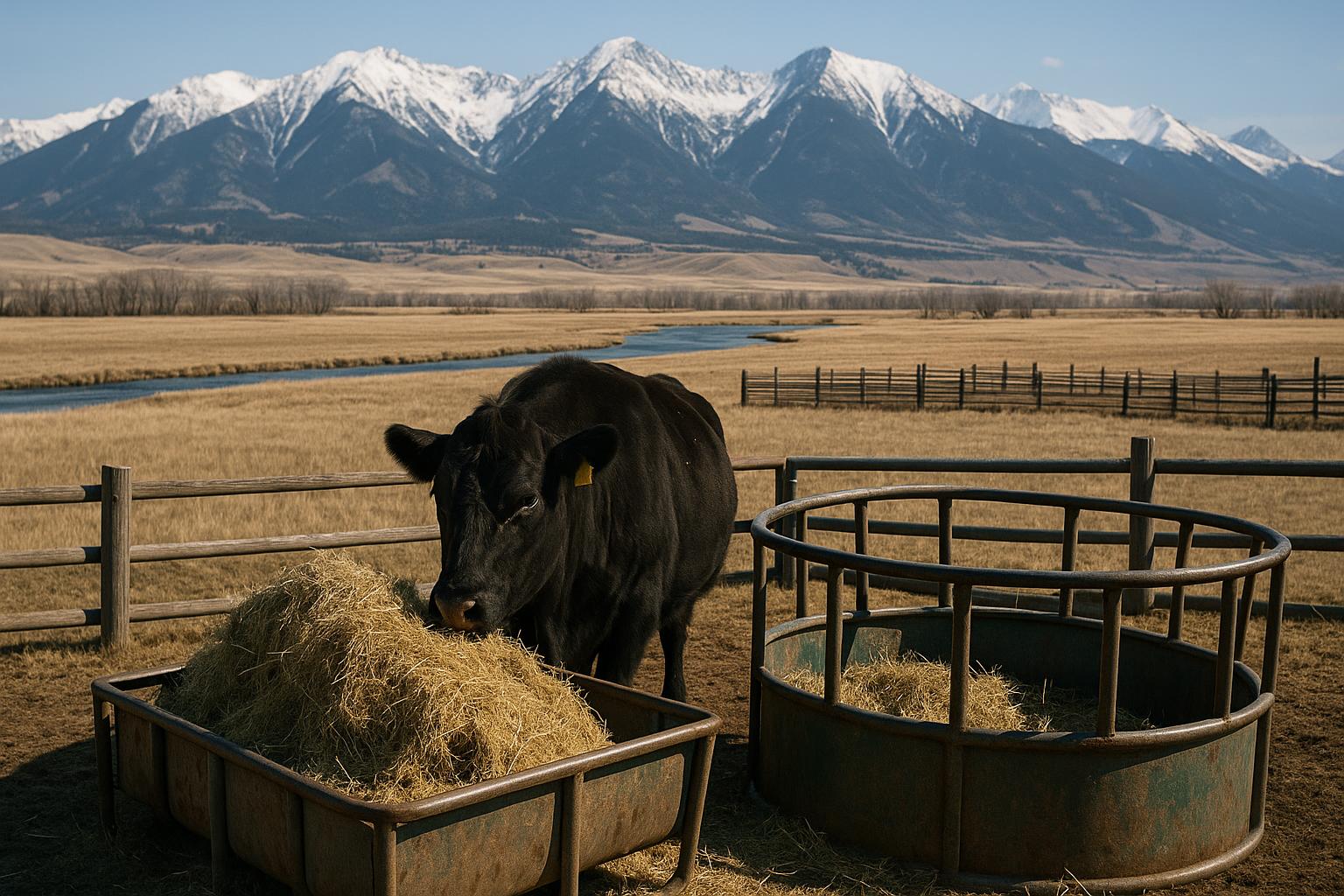
USDA March Grain Reports Could Steer Feed Costs for Montana Cattle Country
Montana ranchers don’t need a lecture on corn to feel corn prices. Even in a state where hay, pasture and barley do a lot of the heavy lifting, the national corn balance sheet still leaks into local feed bids, backgrounding budgets and what it costs to finish cattle. That’s why the USDA’s March crop reports—especially Prospective Plantings and quarterly grain stocks—tend to set the tone for spring price expectations.
Reports out of the grain trade indicate the market is walking into March with heavy corn inventories and a fairly steady supply outlook, which can limit the odds of a sustained rally unless weather or acreage surprises show up. For Montana producers, the question isn’t whether we grow a lot of corn—it’s whether national corn prices stay tame enough to keep feed and freight from squeezing cattle margins and dairy rations, particularly in the Yellowstone Valley and the irrigated pockets of the Gallatin and Flathead valleys.
What Happened
Heading into March, analysts have been focused on two main data points:
- Quarterly grain stocks, which provide a snapshot of how much corn is sitting in storage and how fast it’s being used.
- Prospective Plantings, USDA’s first major acreage intent report of the year, which can shift expectations for how much corn will be seeded nationwide.
Market commentary tied to these reports suggests corn supplies look ample and that, absent a major shift in demand or a weather-driven production threat, the path to higher prices is not guaranteed. That matters because corn is still the benchmark energy feed across the country, and it influences pricing for substitute feeds and byproducts.
Montana’s feed picture is more diverse than the Corn Belt’s, but we’re not isolated. When corn is cheap, it can cap prices for other feeds. When corn jumps, it can lift the whole ration cost structure, including delivered feeds that show up in the Bitterroot and Flathead valleys and in the larger feeding areas along the Yellowstone River corridor.
Why It Matters in Montana
Even if your operation doesn’t buy much corn, national corn pricing can still show up in three places:
- Backgrounding and finishing budgets: Corn sets the tone for many feedlot rations. When corn is steady to lower, it can support feeding demand and sometimes help maintain bids for calves—depending on beef demand and packer margins.
- Competition with local feeds: Corn prices influence what buyers are willing to pay for barley, wheat, screenings and other energy feeds. That can matter in the Hi-Line and north-central Montana where small grains are part of the rotation and sometimes part of the ration.
- Freight and delivered feed costs: Montana often pays a basis and freight penalty on imported feed ingredients. If corn futures are soft but rail/truck costs are high, delivered prices may not fall as much as futures suggest.
For cow-calf producers, the downstream effect can be indirect but real. If feed costs stay manageable, it can help keep demand for feeder cattle steadier. If feed costs spike, it can narrow feedyard breakevens and pressure calf prices, especially for heavier placements.
How This Connects to Hay, Drought and Irrigation
Montana feed decisions rarely hinge on corn alone. Hay supply, water outlook and pasture conditions often drive the biggest swings in costs and stocking decisions.
Here’s where the March grain tone intersects with Montana’s on-the-ground realities:
- Hay markets: If corn remains relatively affordable, some buyers may lean more heavily on grain-based rations and be less aggressive chasing hay—particularly lower-quality hay. If corn strengthens, hay can look more attractive, especially in areas with reliable irrigation such as parts of the Yellowstone and Gallatin valleys.
- Drought risk: A dry spring in the Hi-Line or Bitterroot can tighten local forage supplies fast. In drought years, imported feed becomes more important, and that’s when national corn prices can hit Montana harder.
- Irrigation planning: In irrigated valleys, producers balancing alfalfa, small grains and pasture may watch feed prices as they consider acreage and cutting strategies. Corn price direction can affect what dairies and feeders are willing to pay for different forages.
None of this replaces the basics—snowpack, runoff timing, reservoir storage and first-cutting conditions. But it does help explain why a national corn report can end up in a conversation at the local elevator or the sale barn café.
What This Means for Montana Ranchers and Farmers
For Montana agriculture, the practical takeaway is that March USDA reports can either reinforce a “steady feed cost” story or introduce a new risk premium.
- Ranchers (cow-calf and stocker): If corn stays under pressure due to large inventories and stable acreage expectations, it can reduce one major cost headwind for buyers of calves this spring. That doesn’t guarantee stronger calf prices—beef demand, interest rates and packer dynamics still matter—but it can help the feeding side of the equation.
- Hay producers: A softer corn market can temper demand for premium-priced hay in some channels, especially if buyers can balance rations with cheaper energy. On the other hand, if drought trims hay supplies in-state, local scarcity can override national grain trends.
- Small grain growers (Hi-Line and north-central): Corn price direction can influence feed grain substitution. If corn remains competitive, it can pressure feed barley values; if corn firms up, it can open more room for barley and wheat feeding demand.
- Irrigated operations (Yellowstone, Gallatin, Flathead valleys): Feed and forage price signals can affect crop mix decisions at the margins, particularly where rotations include small grains, hay and pasture. Watch not only futures, but also local basis and delivered bids.
Bottom line: if the March reports confirm ample corn supplies, it may keep a lid on one major input cost for Montana livestock producers. If the reports surprise the market—either with fewer intended acres or tighter stocks—feed costs could reprice quickly, and Montana often feels those moves with a freight kicker.
What to Watch Next in Montana Agriculture
March reports are a starting gun, not the finish line. Here are the next signposts Montana producers should keep on the radar:
- USDA Prospective Plantings and grain stocks reaction: The first 24–72 hours after release often set the market narrative. Watch whether futures hold the move or fade it.
- Spring weather across the Corn Belt: Planting delays or early-season flooding can add risk premium even when inventories are large. Conversely, smooth planting can reinforce a bearish tone.
- Montana drought and pasture indicators: Track the U.S. Drought Monitor for Montana and local NRCS updates. Conditions in the Hi-Line and Bitterroot often diverge; localized drought can drive localized feed demand.
- Hay movement and quality spreads: Pay attention to whether buyers are bidding up dairy-quality alfalfa while letting lower-test hay drift. That spread can tell you more than an average price.
- Cattle-on-feed and feeder demand signals: If feed costs stay calm but feeder prices soften, the story may be demand-side (beef consumption, export pace, interest rates) rather than feed.
- Basis and freight into Montana: Futures don’t pay the bill—delivered cost does. Ask what’s driving local basis: rail availability, trucking, or regional demand.
Montana producers can’t control national acreage, but they can control risk. March is a good time to update feed budgets, pencil out drought contingencies, and talk with buyers and suppliers about pricing windows—especially if you’re in areas like the Yellowstone Valley where feeding demand can be more sensitive to grain price swings.
Inspiration: www.farmprogress.com