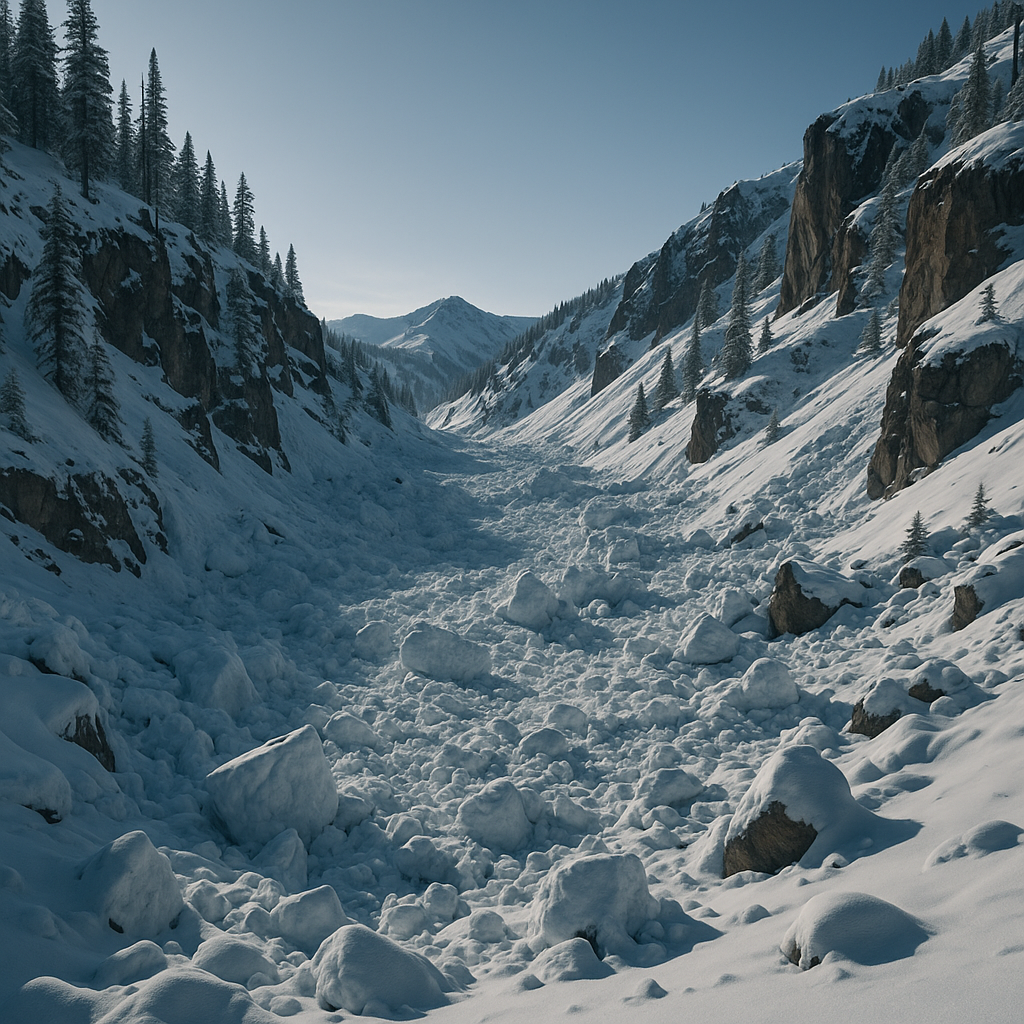
Father and Son Lost in Carrot Canyon Avalanche Near Yellowstone
A tragic avalanche in Carrot Canyon near West Yellowstone buried a Minnesota father and his son just 15 feet apart, complicating rescue efforts. According to a recent National Park Service report, the slide occurred on February 22nd, amidst considerable avalanche danger in the region, and tragically claimed the lives of both men.
What’s Happening
The avalanche that took the lives of the father and son happened in Carrot Canyon, a remote area known for its rugged beauty and winter sports opportunities. On the day of the incident, avalanche conditions were classified as ‘considerable,’ particularly above 8,000 feet. This classification indicates that natural avalanches are possible and human-triggered ones are likely. The overlapping signals from the victims’ transceivers made it difficult for rescuers to locate them quickly, a common challenge in avalanche rescues that can mean the difference between life and death.
This tragic event underscores the unpredictable nature of avalanches, particularly in high-risk areas like those surrounding Yellowstone National Park. Multiple slides were recorded on the same slope, indicating a fragile snowpack and the potential for further incidents.
What This Means for Visitors
Visitors to the Yellowstone area, particularly those engaging in winter sports such as skiing and snowmobiling, should exercise extreme caution. The Carrot Canyon incident emphasizes the need for awareness of avalanche conditions, which can be monitored through local avalanche forecasts and warnings. It’s crucial to be equipped with appropriate safety gear, including a transceiver, probe, and shovel, and to understand how to use them.
Access to certain trails and backcountry areas may be restricted or require permits, especially during periods of high avalanche danger. Visitors should check the latest conditions and advisories from local authorities and the National Park Service before heading out.
Background
Avalanches are a natural hazard in mountainous regions like those around Yellowstone, where varying snow conditions can create unstable layers. The interplay of weather, snowpack, and terrain contributes to the formation of avalanches. In the winter, snow accumulates and can form weak layers, which, when stressed by additional snowfall or human activity, can release and cause an avalanche.
Historically, the Yellowstone area has experienced numerous avalanches, some resulting in fatalities, which serve as sobering reminders of nature’s power. Education and awareness have improved safety, but as this recent incident shows, the risk is ever-present.
Planning Your Visit
For those planning a visit to the Yellowstone area during winter, preparation is key. Start by checking the Gallatin National Forest Avalanche Center’s website for the most current avalanche forecasts. Avoid traveling in high-risk zones, particularly after recent snowfall or during warm spells, which can increase instability in the snowpack.
Consider taking an avalanche safety course if you plan on venturing into the backcountry. These courses offer valuable skills and knowledge that can save lives. Additionally, always travel with a partner and make a detailed plan, including informing someone of your itinerary and expected return time.
For those new to winter sports or unfamiliar with the area, guided tours led by experienced professionals can offer a safer alternative to independent adventures.
For more information, please refer to the original National Park Service release.
Frequently Asked Questions
What caused the avalanche in Carrot Canyon?
The avalanche was triggered under considerable danger conditions due to a fragile snowpack, likely exacerbated by weather and human activity.
How can visitors stay safe from avalanches near Yellowstone?
Check avalanche forecasts, carry safety gear like a transceiver, probe, and shovel, and consider taking an avalanche safety course.
Are there restrictions in Carrot Canyon after the avalanche?
Access may be restricted or require permits. It’s important to check current advisories from local authorities before visiting.
What equipment is essential for backcountry travel near Yellowstone?
Essential equipment includes an avalanche transceiver, probe, shovel, and knowledge of how to use them effectively.
How can I learn more about avalanche safety?
Taking an avalanche safety course is highly recommended. These courses provide practical skills and knowledge to help manage risks.