Tech-driven Farming Boosts UP’s Agricultural Output
In a remarkable shift that echoes the broader trends in modern agriculture, Uttar Pradesh (UP) has witnessed a substantial increase in agricultural productivity, driven by the adoption of technology. This development marks a pivotal moment for the region, traditionally reliant on conventional farming methods, as it embraces innovations that promise to reshape its agricultural landscape.
What’s Happening
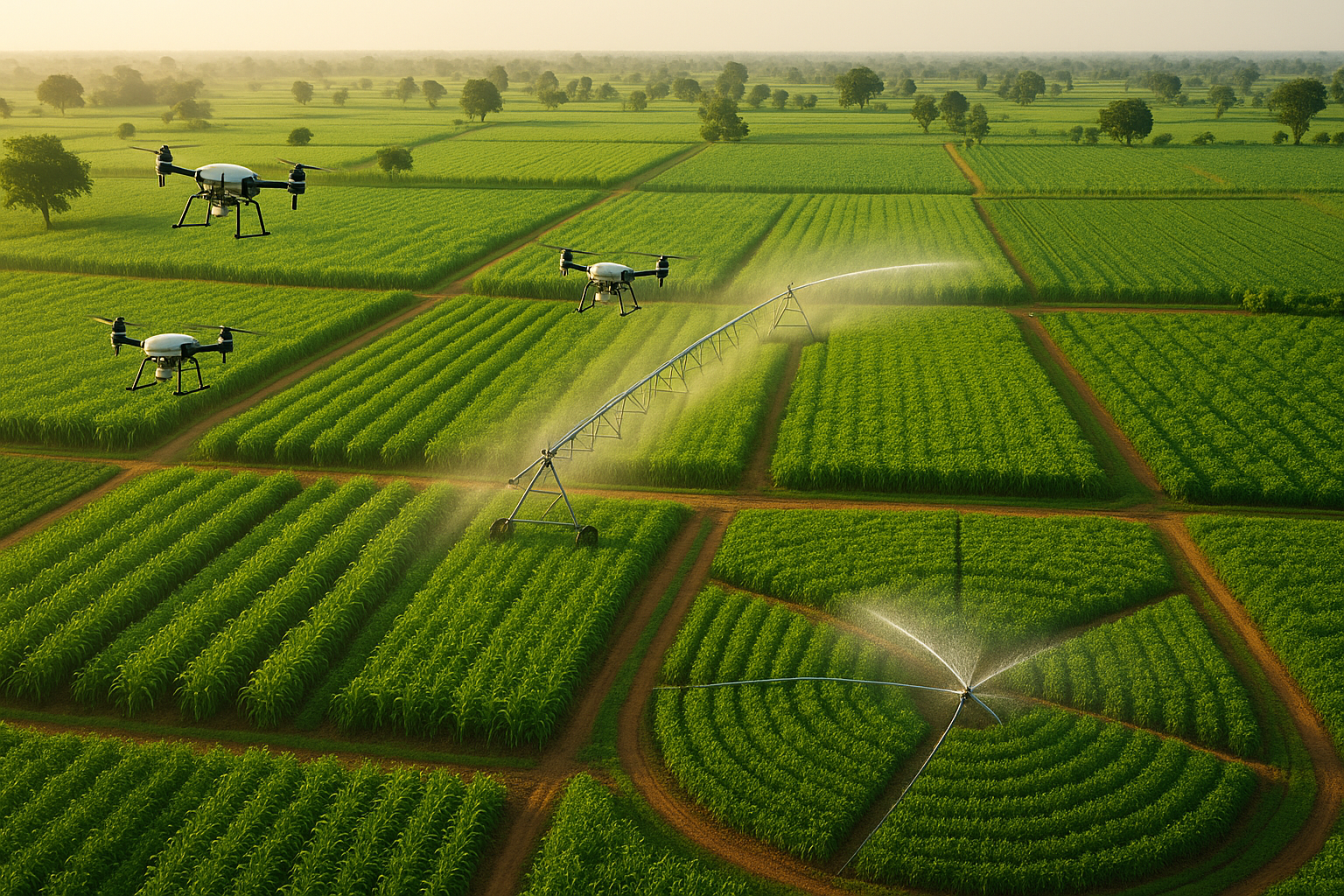
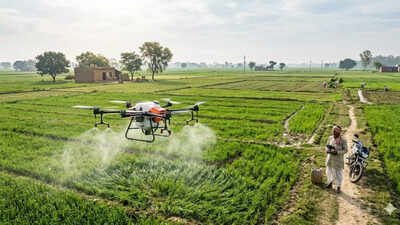
The state of Uttar Pradesh, a vital agricultural hub in India, is experiencing a significant transformation as farmers transition from traditional methods to technology-driven farming. This shift is facilitated by the integration of advanced tools such as drones for crop monitoring, precision irrigation systems, and AI-powered analytics that optimize resource use and enhance crop yields. These technologies are not only increasing productivity but also helping in sustainable farming practices that are crucial in the face of climate change.
The state government’s proactive approach in promoting these technologies has been instrumental. Subsidies on equipment, training programs for farmers, and collaborations with tech firms have created an ecosystem conducive to innovation. This has led to a reported surge in crop yields, particularly in staple crops like wheat and rice, which are critical to the state’s economy and food security.
Why It Matters
The implications of this technological shift in agriculture are far-reaching. For a state like Uttar Pradesh, where agriculture forms the backbone of the economy, enhancing productivity is a game-changer. It not only boosts income for farmers but also contributes to food security on a national scale. Furthermore, the adoption of technology in agriculture can mitigate the adverse effects of climate change by promoting more efficient use of water and reducing dependency on chemical fertilizers.
This transition is also setting a precedent for other states in India and developing regions worldwide. As global populations continue to rise, food production must increase sustainably. UP’s model provides a viable path forward, illustrating how traditional agricultural sectors can evolve through technology to meet modern demands.
The Bigger Picture
The shift in Uttar Pradesh is part of a global trend where agriculture is increasingly intertwined with technology. Historically, farming has been labor-intensive and subject to the whims of weather. However, with advancements in agri-tech, there is a paradigm shift towards data-driven farming. Technologies such as GPS-guided tractors, machine learning algorithms for yield prediction, and blockchain for supply chain transparency are becoming commonplace.
Globally, countries are investing heavily in agricultural technology to address challenges such as labor shortages, climate change, and food insecurity. The UN’s Food and Agriculture Organization (FAO) has long advocated for the adoption of sustainable agricultural practices, and technological innovation is at the heart of this transformation.
What to Watch For
As Uttar Pradesh continues to embrace technology in its agricultural practices, there are several aspects to monitor. The scalability of these technologies is crucial; understanding how smaller, resource-constrained farmers can access and benefit from these innovations will determine the overall success of this transition. Additionally, the long-term environmental impacts of these technologies, particularly concerning energy use and biodiversity, warrant close observation.
Future policy developments and investments will play a critical role in sustaining this momentum. Stakeholders, including government bodies, tech companies, and agricultural cooperatives, must collaborate to ensure that advancements in technology translate into tangible benefits for all farmers, particularly those in marginalized communities.
This article is based on information originally reported by The Times of India.
Frequently Asked Questions
What technologies are being used in UP’s farming sector?
Uttar Pradesh is utilizing drones for crop monitoring, precision irrigation systems, and AI-powered analytics to enhance farming productivity.
How has technology impacted agricultural productivity in UP?
Technology has significantly increased crop yields and efficiency in Uttar Pradesh, especially for staple crops like wheat and rice.
Why is the shift to technology-driven farming important?
This shift is crucial for improving food security, increasing farmer incomes, and promoting sustainable agricultural practices.
What are the challenges of adopting technology in farming?
Challenges include ensuring accessibility for small farmers, the cost of technology, and managing long-term environmental impacts.
How does UP’s agricultural innovation compare globally?
UP’s adoption of technology mirrors global trends towards data-driven and sustainable agriculture, setting a model for other regions.
Source: The Times of India