Midweek trading brought more red ink to the grain board, with reports indicating corn and other major grains moved lower during the session. For Montana producers, the day-to-day swings in Chicago don’t always translate directly into local cash prices, but they do shape feed costs, hay demand, and the tone of the cattle market—especially when […]
Montana ranchers don’t need a lecture on corn to feel corn prices. Even in a state where hay, pasture and barley do a lot of the heavy lifting, the national corn balance sheet still leaks into local feed bids, backgrounding budgets and what it costs to finish cattle. That’s why the USDA’s March crop reports—especially […]
Grain and livestock futures sent a mixed message on March 4, with cattle contracts moving sharply higher while key feed grains drifted lower. Reports indicate April live cattle futures settled at $238.35, up $4.22, and April feeder cattle at $360.75, up $7.45. Meanwhile, May corn was reported at $4.43 3/4, down 2 3/4 cents, and […]
Montana producers don’t plant much corn compared to the Midwest, but corn prices still reach into every corner of the state—from feed bills on the Hi-Line to backgrounding yards in the Yellowstone Valley and hay pricing in the Bitterroot and Gallatin valleys. That’s why the USDA’s March reports, particularly the Prospective Plantings and Grain Stocks […]
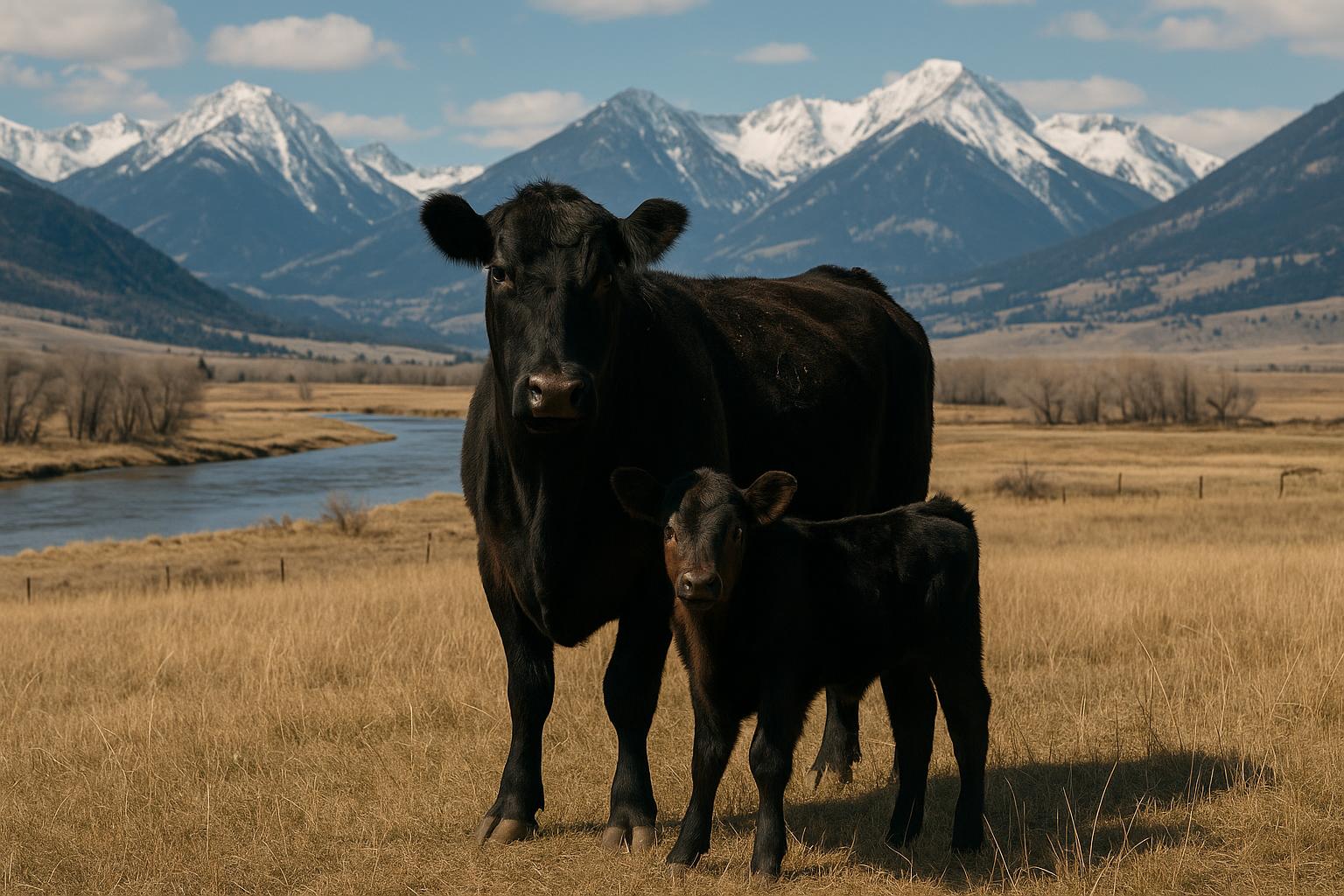
Listings for young cow-calf pairs pop up year-round, but interest often spikes as Montana outfits line up grass, labor, and branding schedules. Recent online sale postings in other regions have highlighted groups of first- and second-calf pairs—a class of cattle that can pencil well on paper, but only if buyers match them to their country, […]
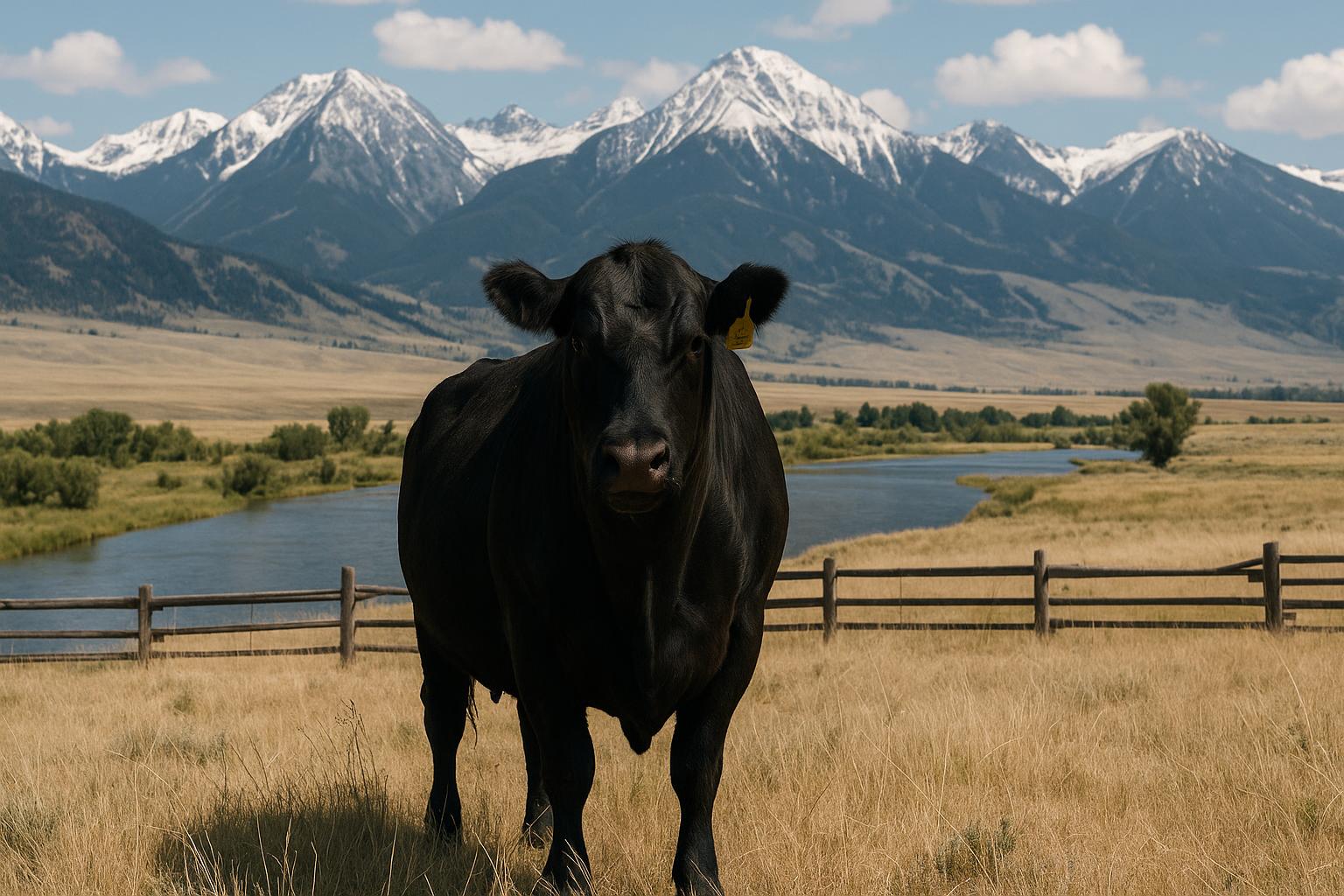
A recent online listing for a large group of Angus and Angus-cross cows (around 300 head) out of the southern Plains is a useful snapshot of what many buyers are hunting for right now: uniformity, predictable calving windows, and cows that can step into a working program without a long “getting acquainted” period. While that […]
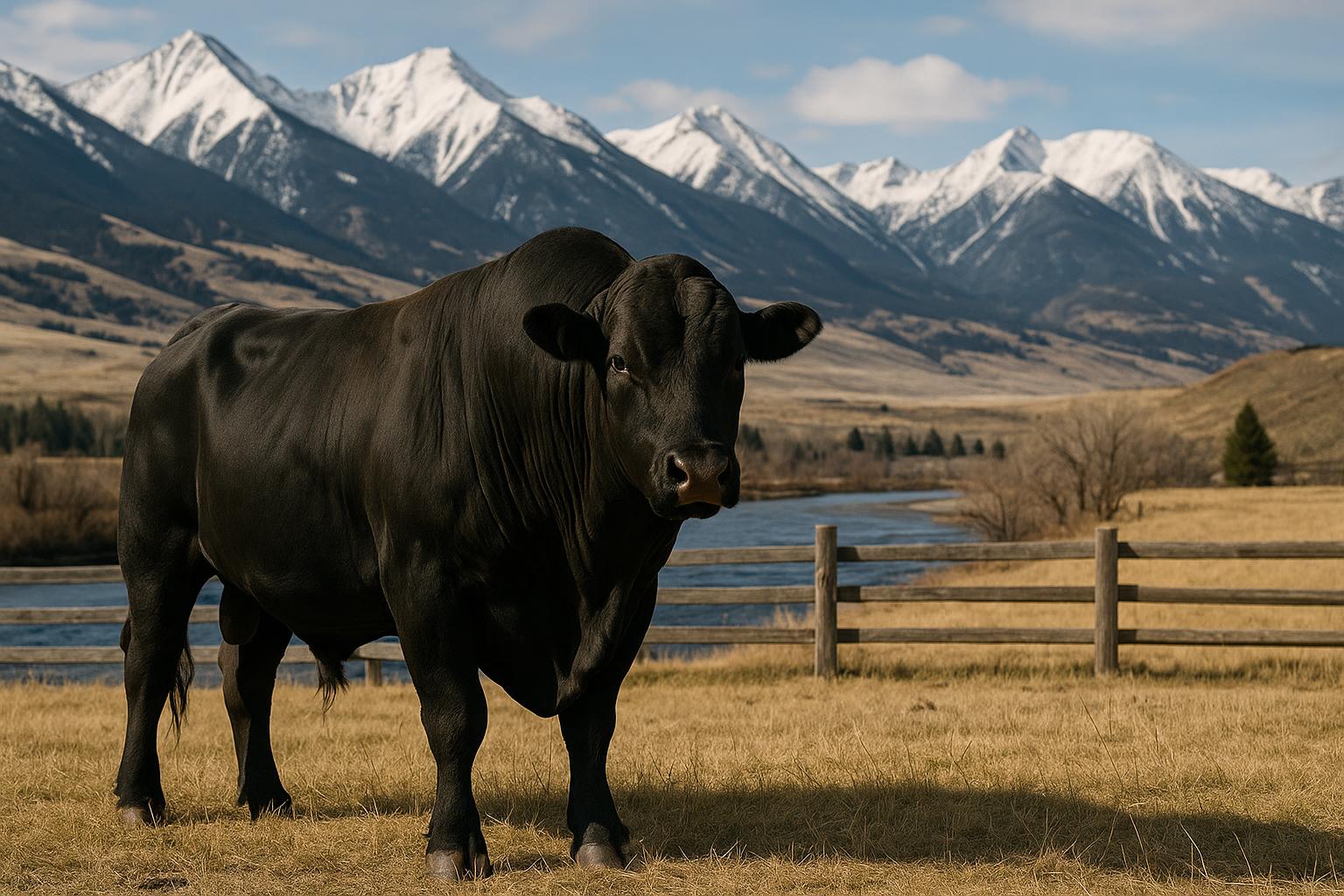
As Montana ranchers line up breeding-season plans, a recent online listing for multiple Brangus bulls out of Central Texas is a reminder that bull shopping is already underway in many parts of the country. While a Texas offering doesn’t automatically translate to a fit for Northern climates, it does underline a familiar truth on Montana […]
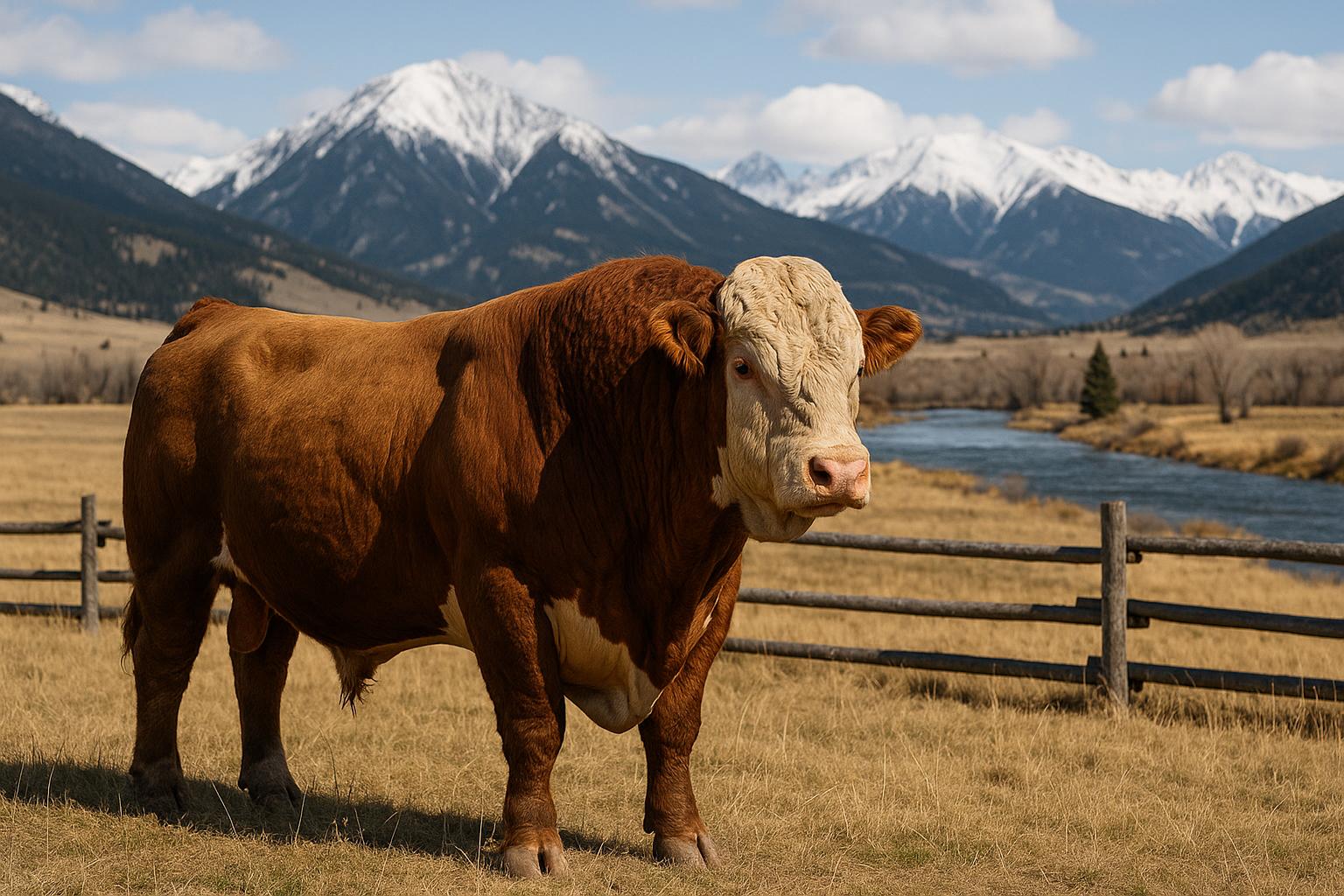
ALLIANCE, Neb. — Reports from a late-February production sale in western Nebraska point to continued strength in the registered bull and female market, with Simmental and SimAngus genetics drawing solid buyer interest. While every sale has its own set of variables—weather, catalog depth, buyer turnout, and the local calf market—the numbers coming out of this […]
Online cattle listings can be a useful barometer for what producers are trying to get done right now—right-sizing herds, moving older cows, or cashing in on demand for proven females. A recent listing for a 45-head set of Angus and Angus-cross cows in Northeast Texas (posted on CattleRange) is one example of the kind of […]
Online cattle listings aren’t a market report by themselves, but they can be a useful snapshot of what producers are trying to move, what buyers are shopping for, and how the cow-calf trade is being described in real time. A recent listing for a set of Angus and Angus-cross cows in Northeast Texas is one […]
As bull-sale season rolls into spring across Montana, online listings from around the region—including a recent set of Red Angus bulls advertised out of southwest Missouri—are a useful prompt to slow down and check the details that matter most. Listings can be a good way to find genetics, fill a short-notice need, or compare pricing, […]
Montana is heading into spring with the kind of mixed signals that make planning tough: big temperature swings, pockets of improving moisture, and other areas still waiting on meaningful precipitation. Reports from across the broader U.S. farm belt suggest a shift toward milder, wetter patterns in some regions after a dry winter. For Montana producers, […]
In Montana, where a wet spring can flip to drought in a few weeks and markets can turn on a headline, having a trusted local resource matters. One of the most consistent “boots-on-the-ground” options for producers is MSU Extension’s network of local offices—county-based staff backed by campus specialists—built to answer practical questions and connect neighbors […]

Current Snapshot: What anglers are seeing The Yellowstone is a big, honest river that changes fast with weather and mountain melt. As of this update, angler observations and shop chatter indicate the river is in a typical shoulder-season pattern: flows can climb quickly during warm spells, clarity can swing from decent to off-color in a […]
The 2025-26 marketing year for U.S. corn and soybeans begins Sept. 1, and that calendar flip matters even for Montana producers who don’t raise much corn or beans. New-crop pricing, export demand headlines, and the USDA’s “flash sale” announcements can shift futures markets quickly—often before local cash bids fully catch up. Reports indicate USDA has […]
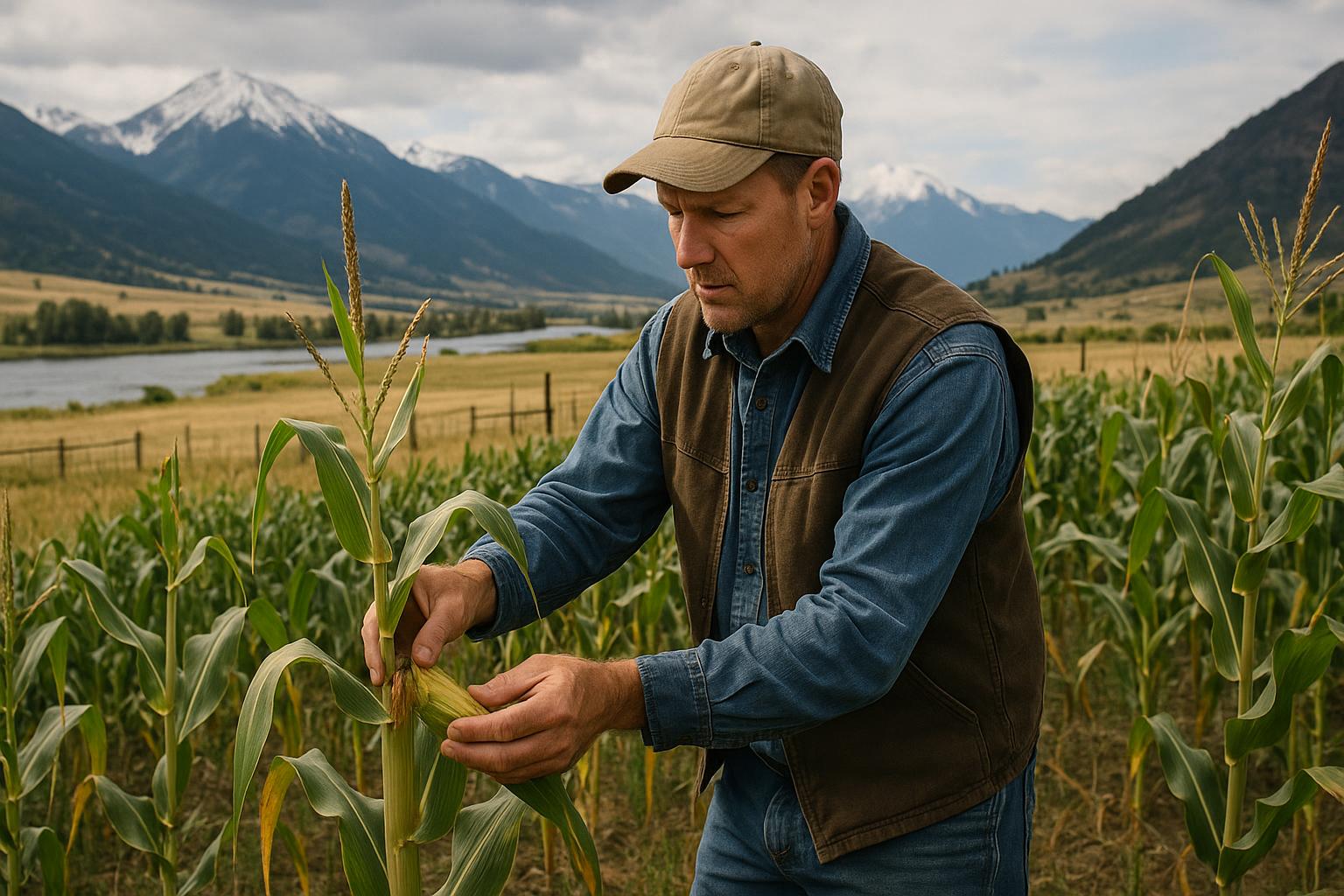
Montana doesn’t plant corn on the same scale as the Midwest, but corn acres in the Yellowstone Valley, parts of the Hi-Line, and pockets of the Gallatin and Flathead valleys can be important feed sources for livestock operations and local grain buyers. That makes insect pressure more than an academic issue—especially in years when hay […]
Grain and livestock futures ended Tuesday with a familiar split: row-crop contracts mostly firmer, live cattle higher, and feeder cattle essentially unchanged. Reports indicate May corn and May soybeans both posted modest gains, while Chicago wheat slipped. In cattle, April live cattle were higher on the day, while April feeders were nearly flat. For Montana […]
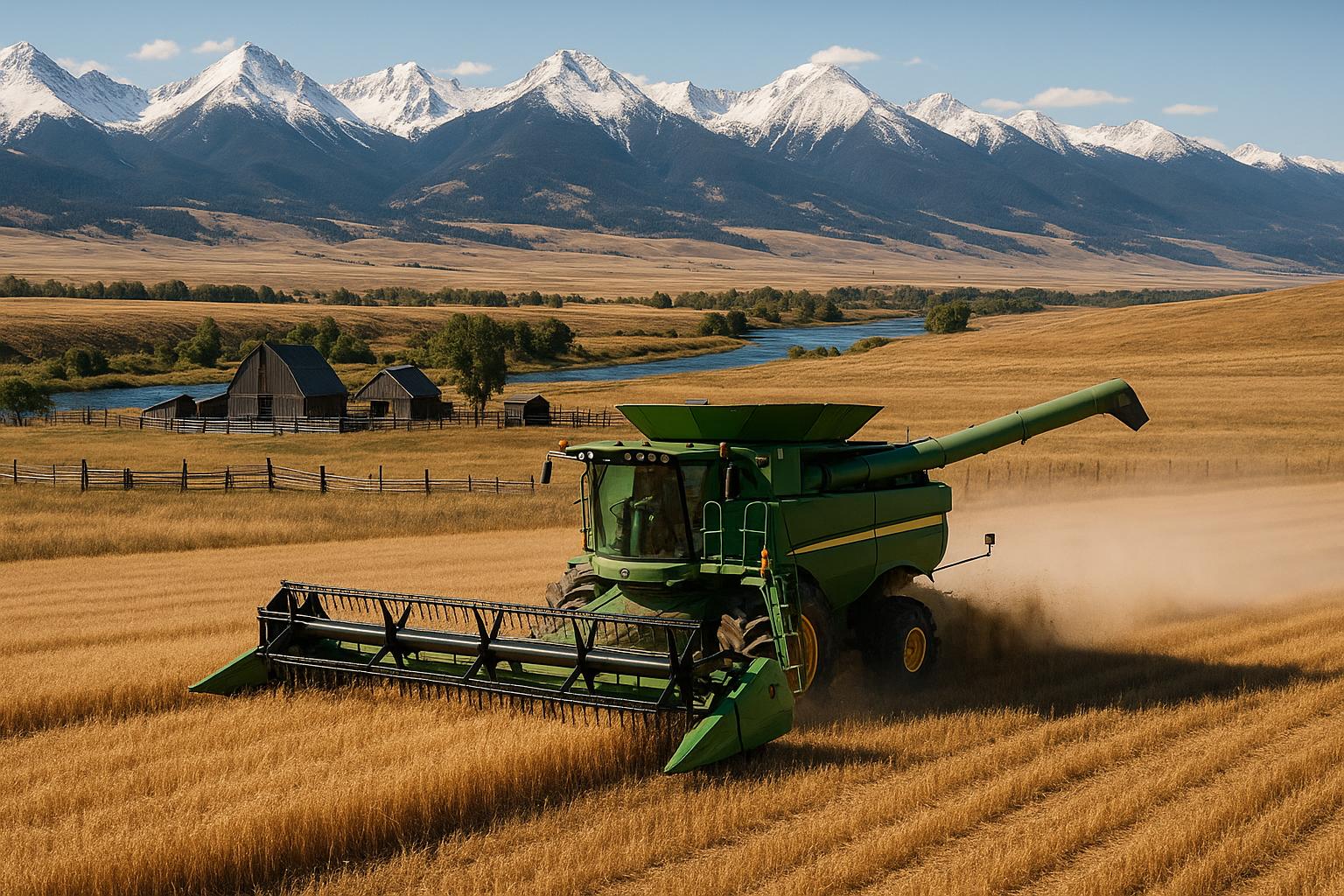
Grain markets ended the latest session with no single clear direction: soybeans were mixed but generally firmer, while corn and wheat traded unevenly. Reports tied soybean trading to ongoing harvest results in Brazil and the market’s wait for clearer demand signals from China. At the same time, crush demand has looked steady, but soybean oil […]
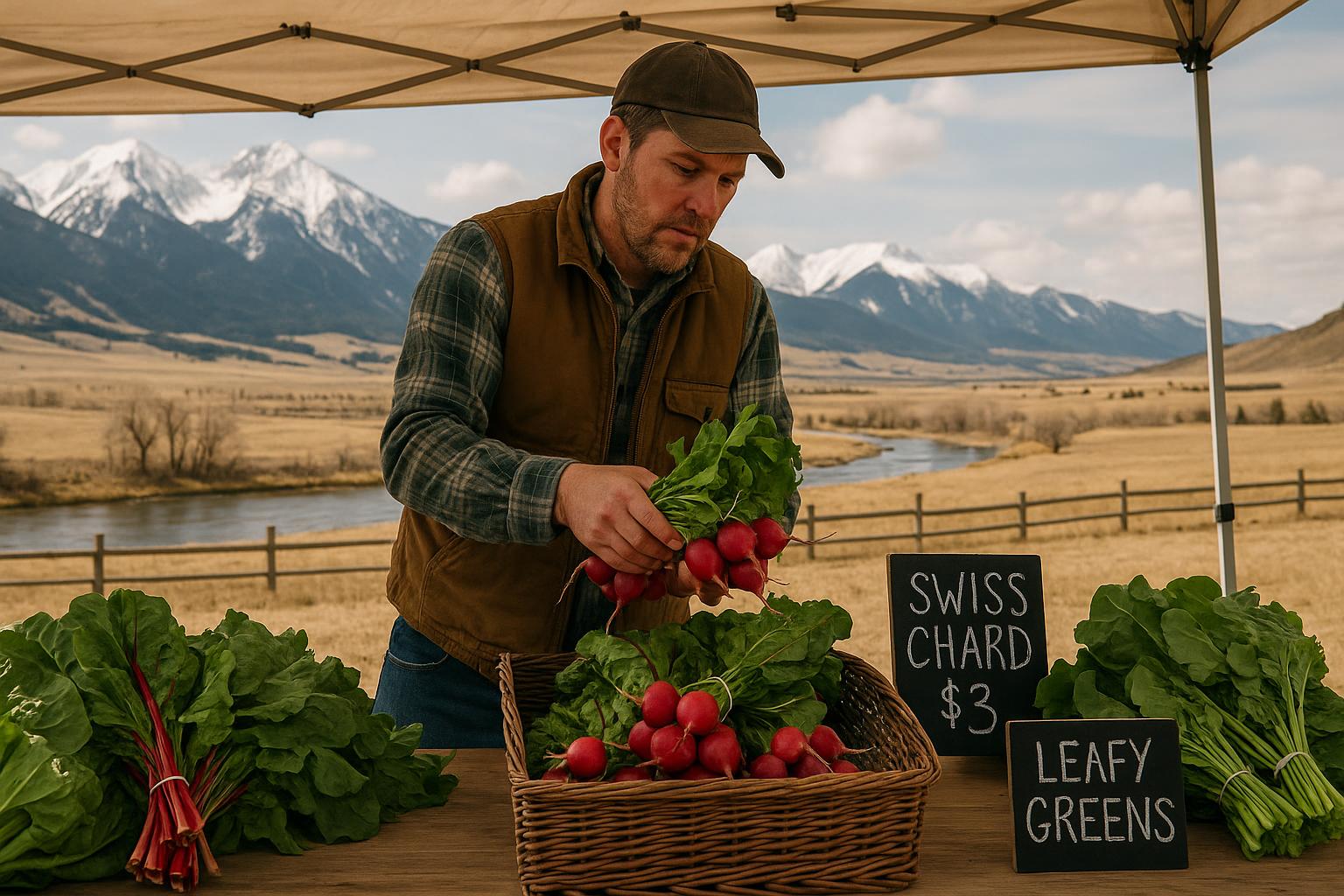
Across Montana, the countdown is on for farmers market season. In many towns, opening day is less about a ribbon cutting and more about whether vendors have seedlings hardened off, freezers running, labels printed, and the right permits lined up. Reports from regional market managers and longtime vendors indicate customer traffic has held up in […]
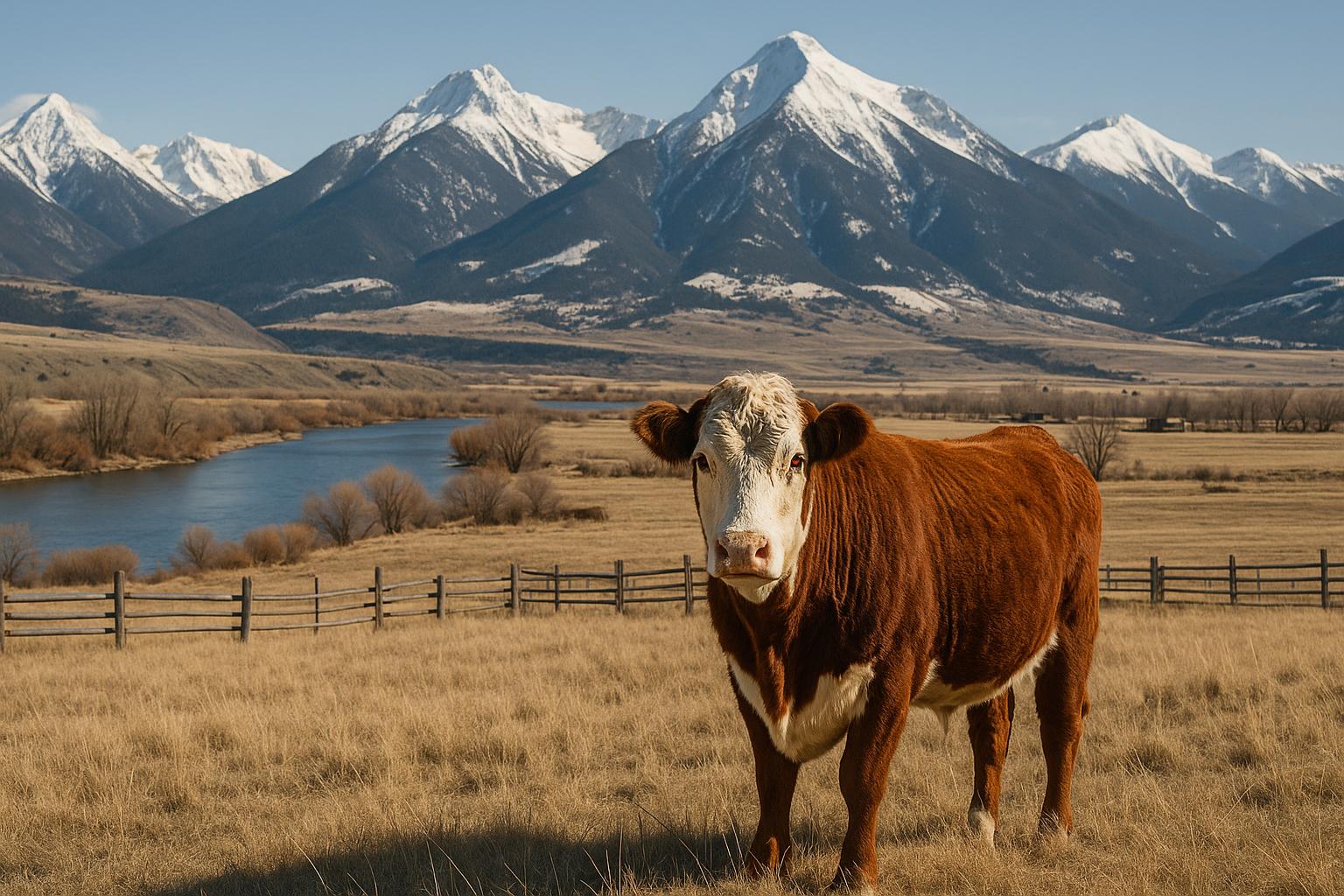
MONTANA — It’s easy to think of the U.S. Census as something that matters mostly to big cities and political maps. But for Montana agriculture, an accurate count can influence the flow of federal funding that underpins rural infrastructure, public services, and programs producers use every year. Information from Montana State University Extension indicates federal […]
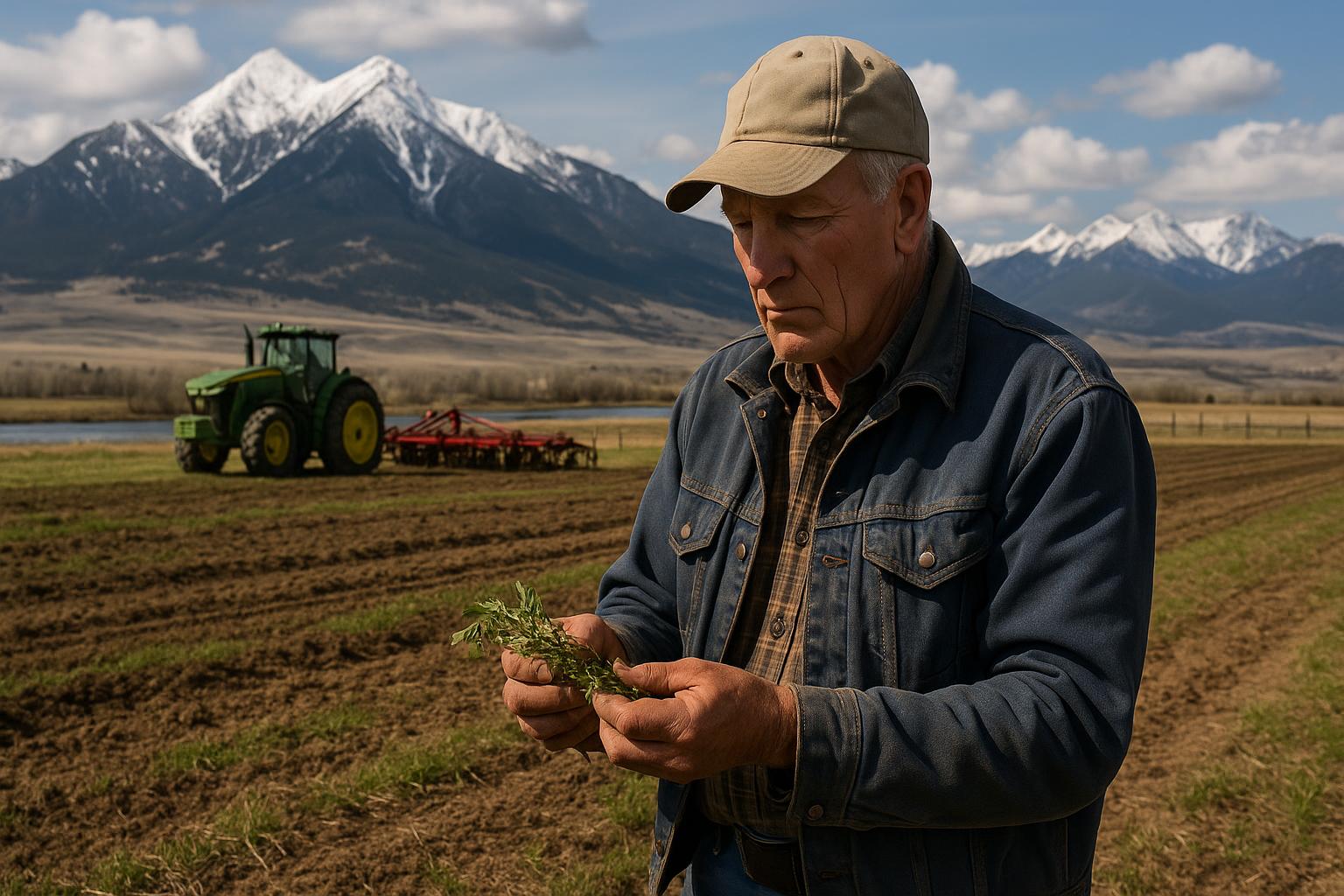
Montana producers are used to getting information the old-fashioned way: coffee shop talk, a call to the county agent, and whatever the weather decides to do next. But as input costs stay high and weather swings keep narrowing decision windows, the most practical advantage can be simply knowing what’s coming—workshops, market outlooks, pest updates, irrigation […]
Montana State University’s Extension program is advertising employment opportunities, a reminder that some of the most practical help available to producers starts with people: county agents, specialists, program coordinators, and support staff who turn research into usable decisions on the ranch and farm. Reports indicate MSU Extension’s careers page is being used to post openings […]
As spring fieldwork ramps up and calves hit the ground across the state, Montana producers are juggling the usual mix of weather risk, input costs, and market swings. One steady resource many operations lean on—especially when conditions turn fast—is Montana State University Extension. MSU Extension’s public contact page lists central office phone and email information […]
Montana producers don’t have time to hunt around the internet when a water call changes, a pest shows up, or haying weather tightens the window. Reports indicate Montana State University Extension maintains a central “news and events” page that can be updated routinely or set up so certain items appear automatically—essentially a single bulletin board […]
Montana’s farms and ranches don’t run on federal funding alone, but anyone who has tried to keep a county road passable during spring thaw, get a family member into a rural clinic, or apply for a cost-share program knows federal dollars show up in everyday ways. Census counts are one of the big levers behind […]
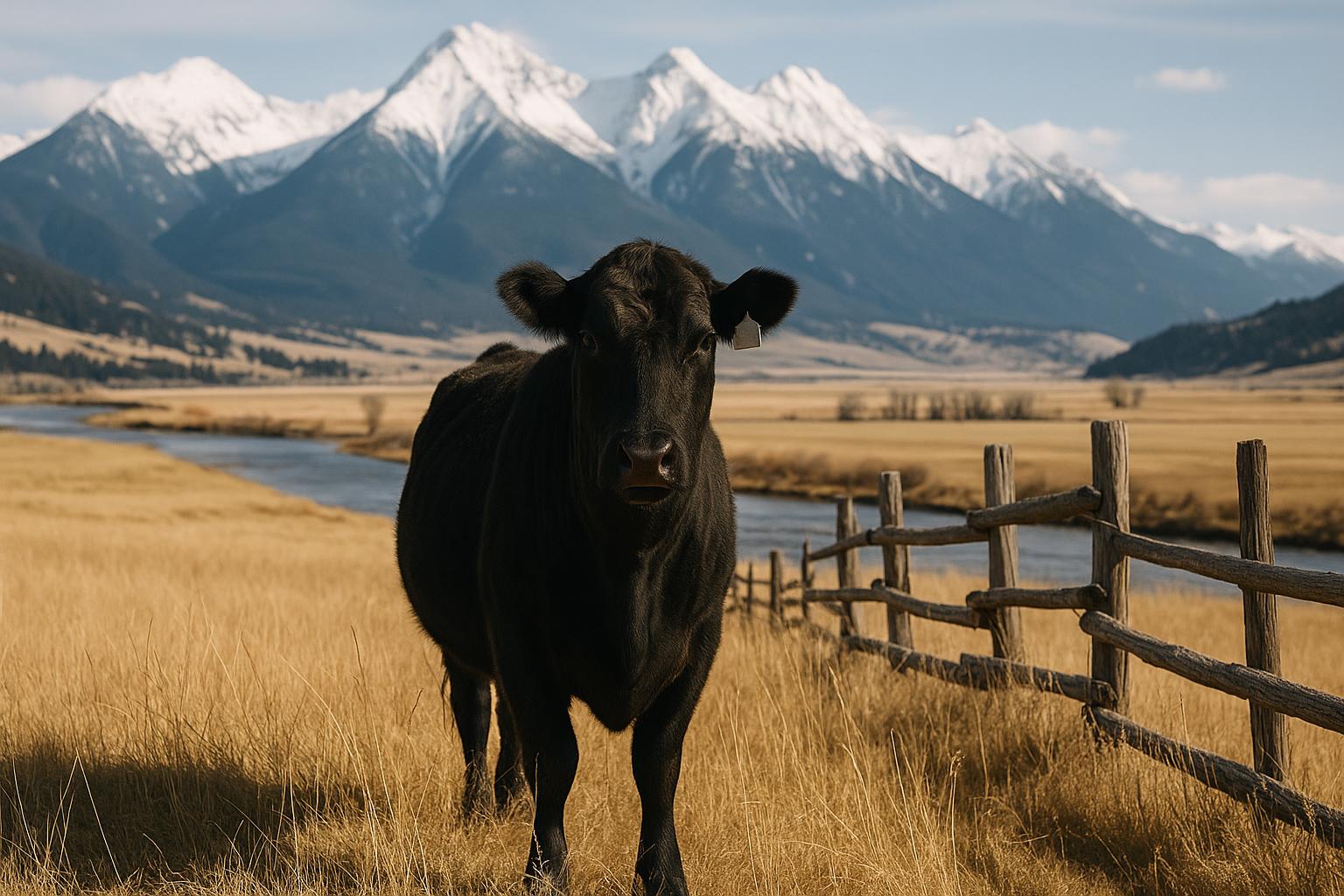
Listings for young cow-calf pairs can be more than a simple “for sale” notice—they’re a snapshot of what buyers are chasing and what sellers believe the market will reward. A recent online listing from Central Texas featuring a small set of first-calf pairs (Angus/Brangus cross, described with “BMF” in the listing) is one of those […]
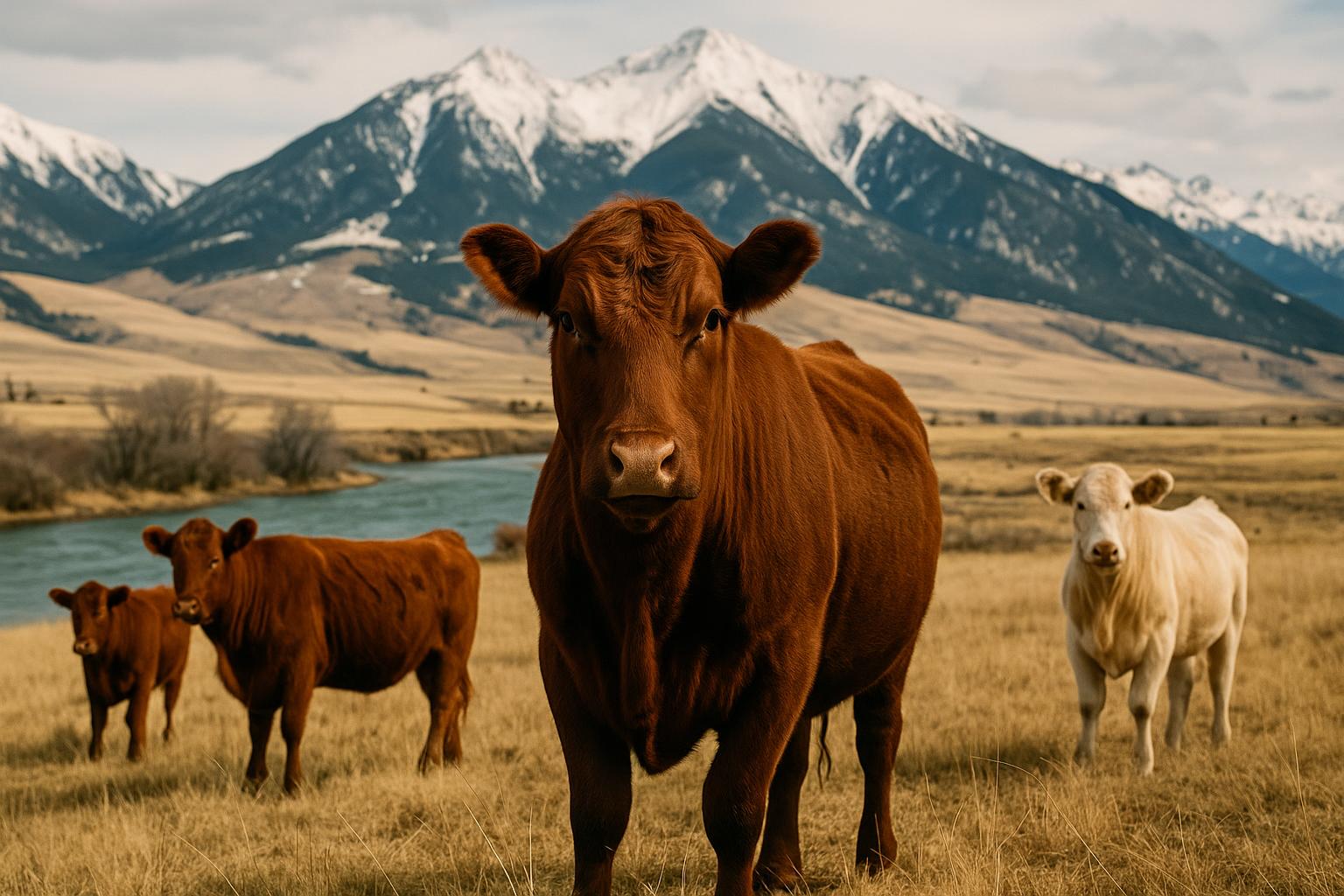
Listings for crossbred replacement heifers—especially Red Angus crossed with Charolais—keep popping up across regional sale sites and private treaty channels. While one recent online offering originated well outside the Northern Rockies, the type of cattle being marketed is familiar to Montana operators: moderate-to-large framed, growth-oriented females that can fit both commercial calf programs and terminal […]

Montana ranchers are dealing with severe drought conditions that are shrinking forage supplies and pressuring livestock health. Here are practical steps to protect herds—feeding adjustments, alternative water sources, pasture monitoring, and rotational grazing—plus why staying current on drought updates and assistance programs matters.

Montana farmers are navigating a volatile machinery market: tractor sales are down nearly 20% and have fallen for four consecutive months, while combine sales have increased. Here’s what the shift could mean for equipment decisions, pricing, and availability.
Montana ranchers say proposed new regulations could disrupt long-standing ranching practices, strain operations, and ripple through local economies. Ranching communities are organizing meetings to raise awareness, coordinate responses, and advocate for sustainable policies that protect both responsible land management and their way of life.

Hydraulic valve block leaks can lead to fluid loss, downtime, and expensive repairs. Learn what to look for, why O-ring types and chemistries aren’t interchangeable, and the maintenance steps that help keep agricultural machinery running efficiently.

Anthony Peña, vice president of policy and communications for the National Association of Wheat Growers, says farmers still have a key advantage in Washington: public respect. He argues that while many people don’t fully understand what it takes to produce food and fiber, a farmer’s perspective carries weight in policy debates. Peña joined NAWG in […]

U.S. farm exports totaled $171.3 billion in 2025, a 3% drop from the year before, according to the USDA Foreign Agricultural Service. The decline was about $5 billion year over year. A major driver was a sharp fall in soybean exports to China, down about $9.6 billion, even as other commodities posted gains in other […]

National Potato Council CEO Kam Quarles says the fight to update the farm bill comes down to a “math problem” — both in how funding is divided and in the shrinking share of congressional districts that are closely tied to production agriculture. Speaking Feb. 17 at the Idaho Ag Summit in Boise, Quarles said agriculture […]
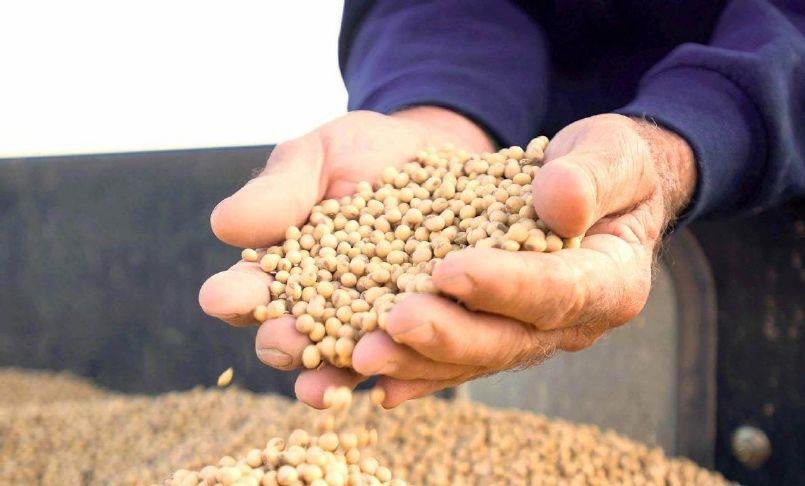
U.S. soybean shipments to China fell to nearly zero at the end of the 2024/2025 marketing year and the start of 2025/2026, but exports to other destinations climbed to their highest levels since 2018, according to USDA. The soybean marketing year runs from Sept. 1 through Aug. 31. USDA said the jump in non-China shipments […]

President Trump announced a new 10% “global” tariff on Feb. 20, shortly after the U.S. Supreme Court struck down tariffs that had been issued under the International Emergency Economic Powers Act (IEEPA). The court said IEEPA doesn’t give clear enough authority for the kind of tariff changes the administration had made, but it also indicated […]
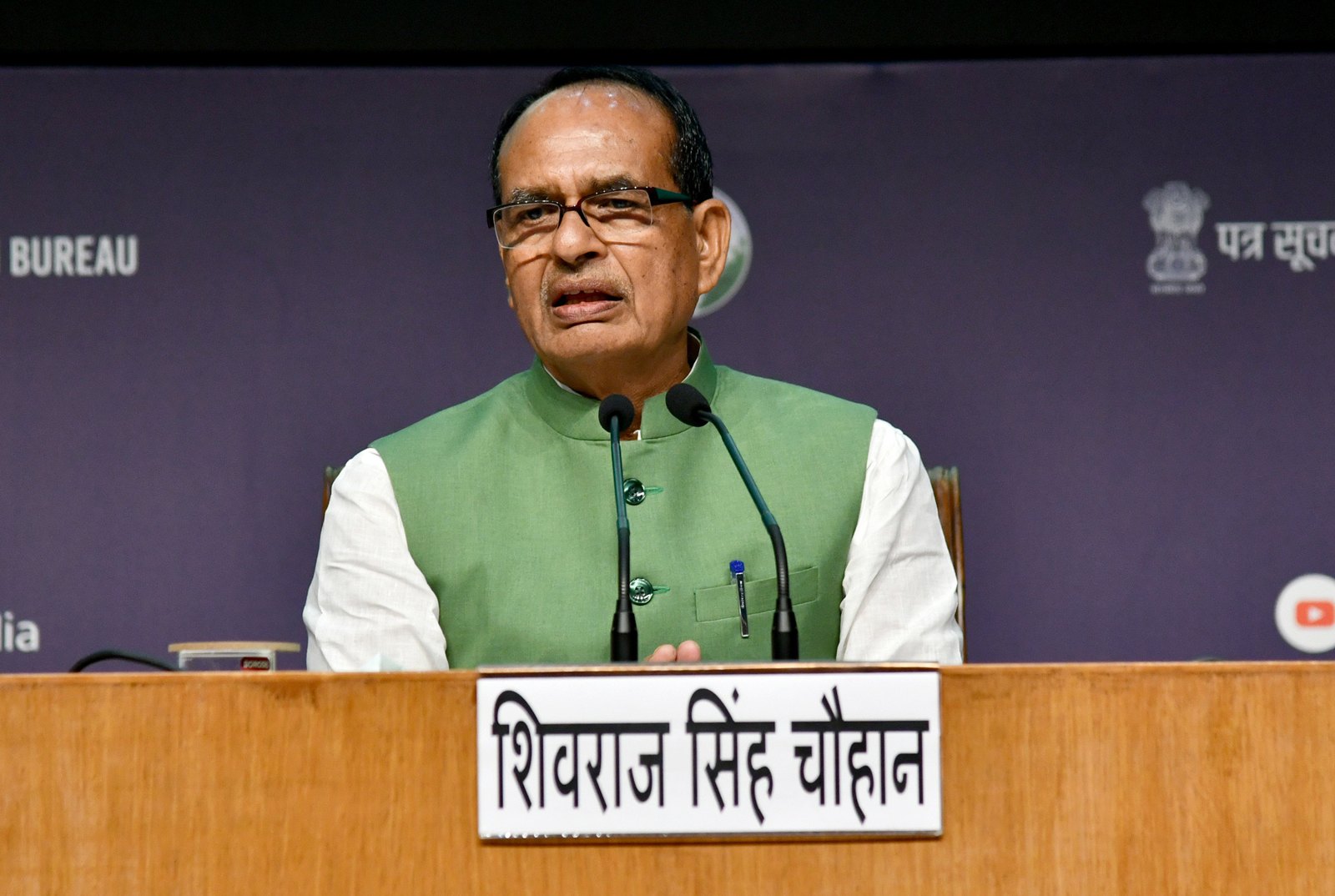
India’s government says it will roll out more than 1,100 agriculture-sector projects worth ₹42,000 crore on Oct. 11, 2025. The projects are expected to cover agriculture infrastructure, animal husbandry, fisheries, and food processing, and are slated to be launched by Prime Minister Narendra Modi. The plan was outlined by Union Minister of Agriculture and Farmers’ […]

Prime Minister Narendra Modi announced two new agriculture initiatives in New Delhi: the PM Dhan-Dhaanya Krishi Yojana and the Dalhan Aatmanirbharta Mission (Pulses Self-Reliance Mission). The combined outlay is ₹35,440 crore, and Modi said the programs are intended to strengthen the rural economy, support innovation, and improve long-term food and nutrition security. At a special […]

India and Brazil are looking to expand cooperation in agriculture, green energy, and trade, with a stated goal of growing bilateral trade from $12 billion in 2024 to $20 billion by 2030. The push is framed around agriculture, food security, climate resilience, and clean technologies. Speaking at the India–Brazil Business Dialogue organized by FICCI, ApexBrasil, […]
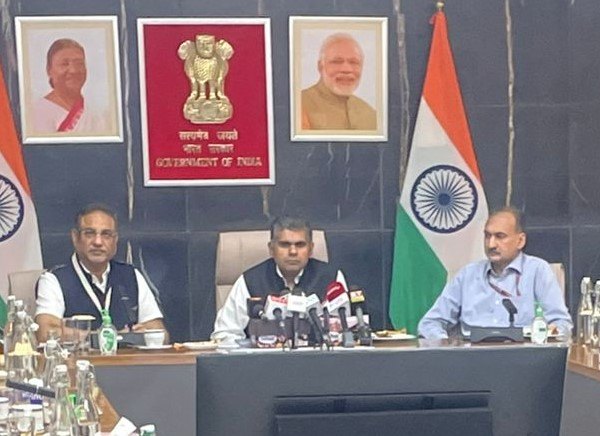
India will host the Bharat International Rice Conference (BIRC) 2025 on Oct. 30–31, 2025, at Bharat Mandapam in Pragati Maidan, New Delhi. The event was conceived by the Department of Commerce under the Ministry of Commerce & Industry and is being organized by the Indian Rice Exporters’ Federation (IREF) in collaboration with APEDA. Organizers describe […]
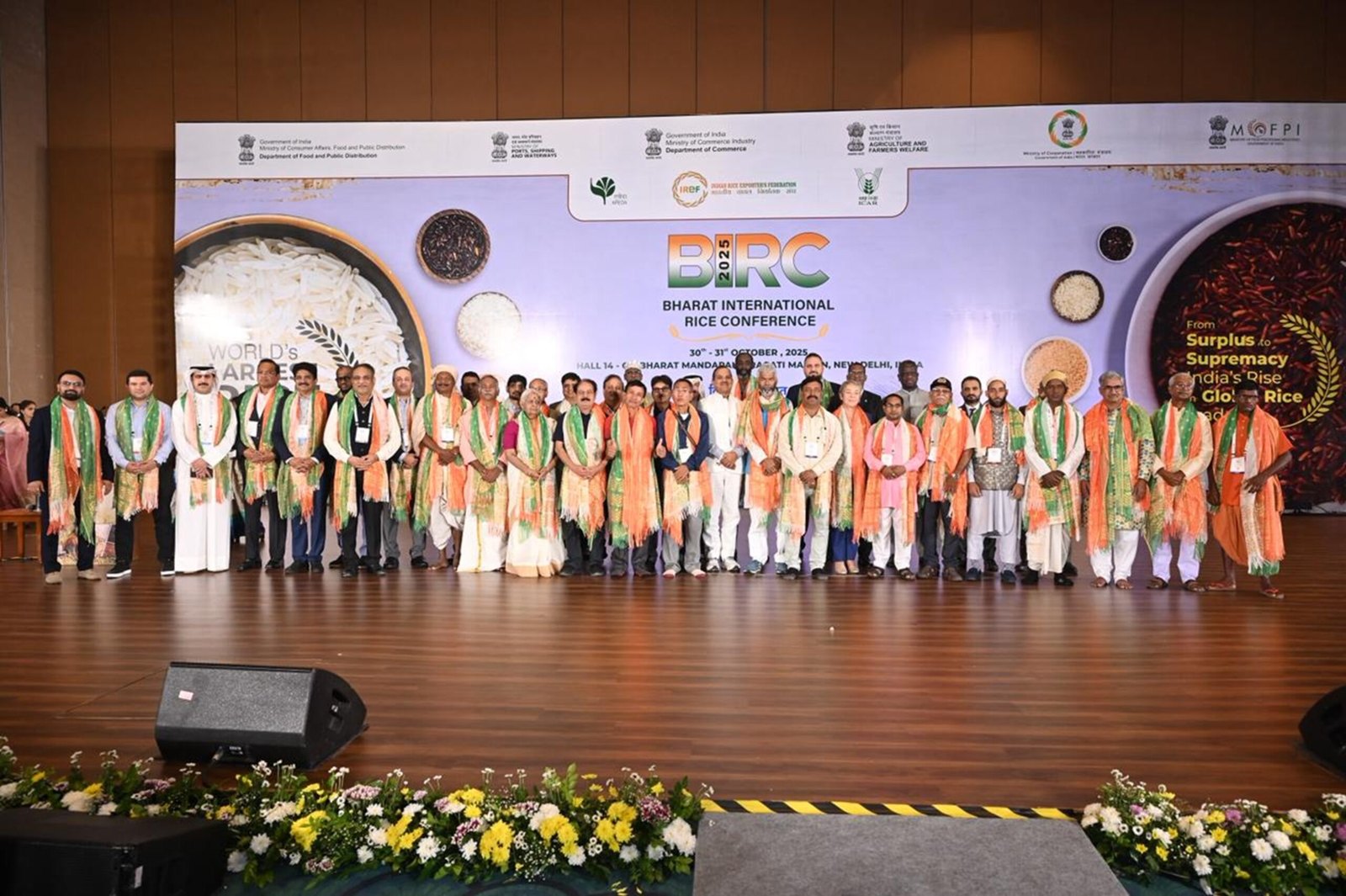
The Bharat International Rice Conference (BIRC) 2025 wrapped up on Oct. 31 in Mandapam, New Delhi, with organizers highlighting new business agreements and technology aimed at expanding India’s rice trade. On the first day, memorandums of understanding totaling more than ₹3,000 crore were signed. The report says the government facilitated agreements worth over ₹2,200 crore […]