Introduction
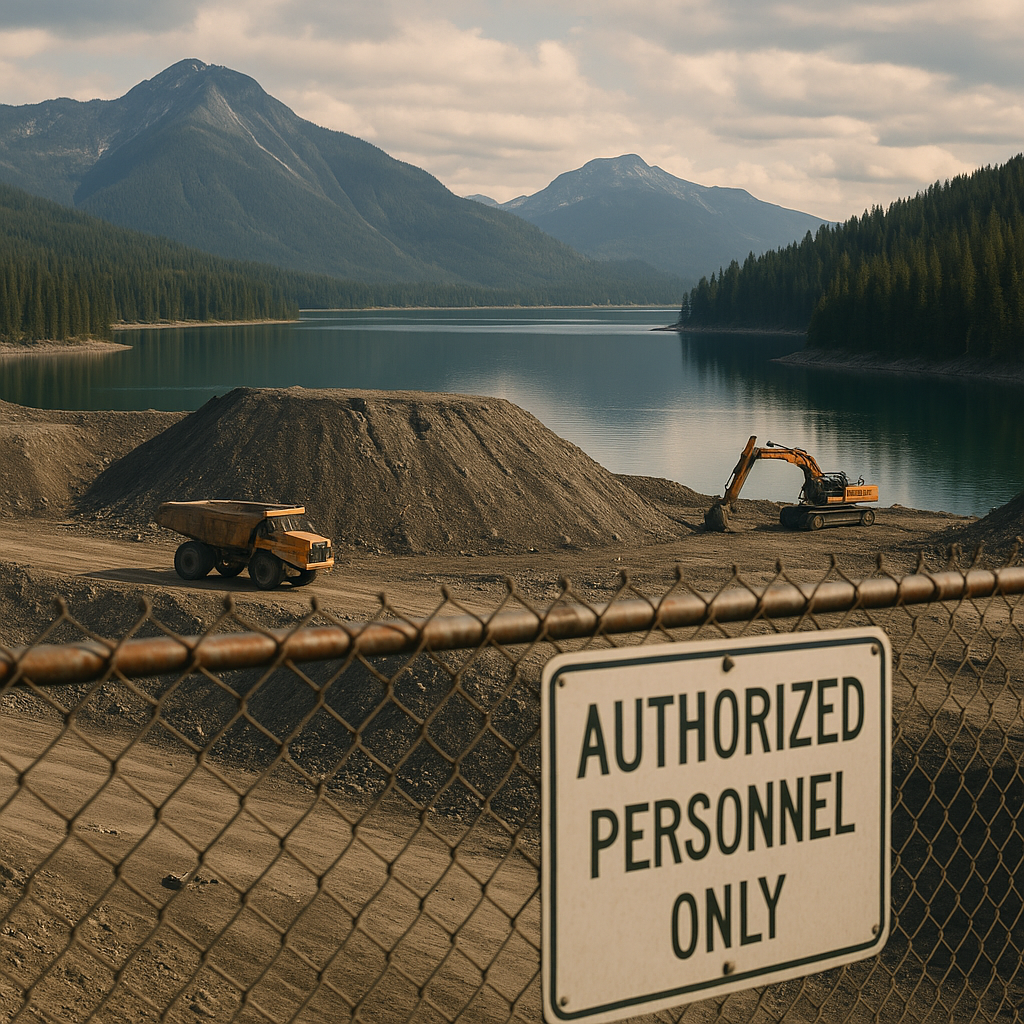
Concerns about mining waste impacting Montana’s water quality have taken a legal turn as a Montana environmental organization has filed a lawsuit against Lincoln County officials. The suit alleges refusal to release public records related to a petition that seeks to ease restrictions on Canadian mining waste near the U.S.-Canada border. This matter centers on Lake Koocanusa, a critical international watershed shared by Montana and British Columbia.
Quick Takeaways
- A Montana environmental group is suing Lincoln County commissioners over denied access to public records.
- The records relate to a petition aiming to loosen limits on mining waste discharged into waters flowing into Lake Koocanusa.
- Pollution from coal mining waste in British Columbia is reported to be affecting Montana’s water quality.
- The legal dispute highlights cross-border environmental concerns involving water quality standards.
Background: Lake Koocanusa and Mining Waste Issues
Lake Koocanusa, spanning the border between Montana and British Columbia, is a vital water source for communities, agriculture, and ecosystems on both sides. Reports indicate that coal mining operations in British Columbia produce waste rock piles that can leach pollutants into the watershed. These pollutants potentially threaten water quality downstream in Montana.
The Montana Environmental Information Center (MEIC), an environmental advocacy group, has raised alarms about the existing water quality standards and efforts to weaken them by Canadian mining interests. The group claims that a petition to Lincoln County officials was submitted to relax the cap on allowable mining waste discharge. However, attempts to access public information about this petition appear to have been blocked.
The Lawsuit: Access to Public Records Denied
MEIC filed a lawsuit accusing Lincoln County’s board of commissioners of failing to comply with public records requests related to the petition. The group argues that transparency is essential for citizens and stakeholders to understand potential environmental impacts, especially concerning shared water resources like Lake Koocanusa.
According to reports, Lincoln County officials have rebuffed repeated requests to release documents, citing various reasons. The lawsuit seeks to compel disclosure and ensure government accountability in matters affecting Montana’s environment.
What This Means for Montana
The dispute underscores ongoing challenges Montana faces with cross-border environmental issues. Water quality in Lake Koocanusa directly impacts farmers, ranchers, fishers, and residents downstream. If standards are weakened or enforcement lapses, it could mean increased contamination risks from mining waste.
Transparency from local governments like Lincoln County is crucial for Montana citizens to stay informed and participate in decisions that affect natural resources. The outcome of this lawsuit could set important precedents for public access to environmental information linked to international watersheds.
For ranchers and farmers relying on clean water, and for anglers and hunters valuing healthy ecosystems, maintaining stringent water quality safeguards is critical. Montana’s outdoor heritage depends on vigilant monitoring of activities upstream—even when those activities occur across the border.
Looking Ahead
- Stakeholders should closely follow legal developments to understand potential impacts on water quality regulations.
- Engagement with county officials and cross-border partners may be necessary to address pollution concerns collaboratively.
- Ongoing advocacy for transparency and environmental protection remains a priority for Montana’s outdoor and agricultural communities.
Montana’s unique position on an international watershed calls for careful stewardship and cooperation to safeguard water resources essential for hunting, fishing, farming, and ranching lifestyles.
Inspiration: Outdoors – Flathead Beacon