Across Montana, it doesn’t take much of a weather swing to turn a promising crop into a tough decision. A few weeks without meaningful moisture can stall growth, and one fast-moving hail cell can shred leaves, bruise stems, and knock heads to the ground. When both show up in the same season, the questions come fast: Do you keep investing in the crop? Do you graze it? Chop it? Replant? Or ride it out and hope for a late rebound?
There isn’t a single playbook that fits every county or operation, but there are reliable steps that can help you protect what’s left—whether that’s grain yield, forage value, soil cover, or next year’s production potential. Here’s a practical, Montana-minded approach to sorting out drought- and hail-stressed crops, with an emphasis on documenting damage, making timely decisions, and keeping options open.
Start with a calm, methodical assessment
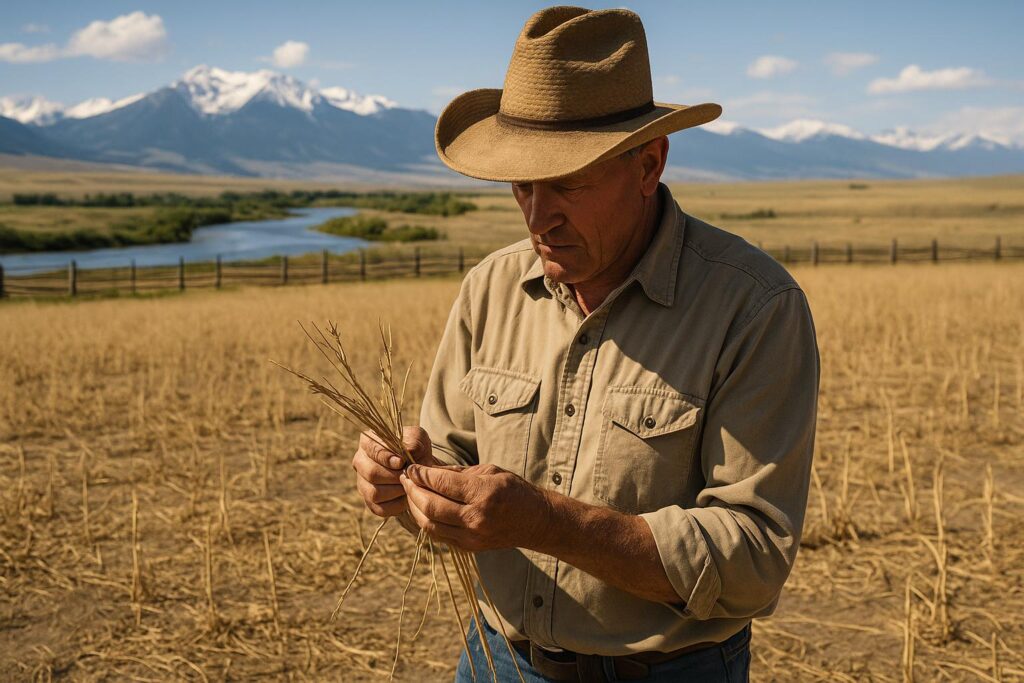
The first pass after a hailstorm or a long dry stretch is often emotional—especially if the crop looked good the day before. Give it a little time, then scout with a plan.
- Wait 3–7 days after hail before finalizing damage estimates. Many crops show new growth after the initial shock, and some bruised tissue doesn’t fully declare itself immediately.
- Scout multiple areas, not just field edges. Hail swaths can be narrow and uneven; drought stress can vary with soil type, slope position, and residue cover.
- Separate “leaf loss” from “growing point loss.” Defoliation looks dramatic, but if the growing point and stem integrity are intact, recovery can be better than it appears.
- Flag and map the worst zones. A phone photo with location data and notes can be surprisingly helpful later for claims, agronomy decisions, and next year’s management.
For small grains, pay attention to standability and head integrity. For pulse crops, check stem breaks and whether plants are snapping at nodes. For corn and sorghum (where grown), inspect the growing point and stalk bruising. For oilseeds, look for stem splitting and pod damage if the crop is advanced.
Document everything—especially if insurance is in play
If you carry crop insurance, the most important early step is to communicate before you change the crop’s use. Replanting, chopping for silage, or turning livestock into a field can affect the claim process.
- Call your agent early and ask what documentation they need before any major action.
- Take wide and close photos of representative areas, including plant counts, defoliation, stem injury, and any lodged or snapped plants.
- Keep input records (seed, fertilizer, chemical, custom work). In a marginal year, good records help you evaluate whether additional spending pencils out.
For general guidance on crop insurance programs and risk management tools, producers can review resources through the USDA Risk Management Agency.
Understand the double hit: drought + hail isn’t just “additive”
Drought-stressed plants often have less ability to recover from tissue loss. Hail can also open the door to disease, especially when warm conditions follow and the crop canopy stays humid. Meanwhile, drought can slow regrowth, leaving damaged tissue exposed longer.
What to watch for after a hail event during dry weather:
- Delayed regrowth and uneven maturity across the field.
- Weed flushes if the crop canopy thins and soil moisture arrives later.
- Increased lodging risk if stems are bruised and later winds hit.
- Quality concerns (test weight, sprouting risk, or staining) if recovery pushes harvest later.
Decide: keep it for grain, pivot to forage, or terminate?
In Montana, the “best” decision is often the one that fits your whole operation—grain marketing, hay inventory, cattle numbers, labor, and available water. Consider these decision points:
- Crop stage matters. Early-season damage might still allow meaningful yield; late-season hail that strips leaves or shatters heads can be harder to overcome.
- Stand and uniformity. Thin, patchy stands can still produce forage, but they may not justify additional fungicide, fertilizer, or late herbicide costs.
- Feed needs and pricing. If hay is tight, salvaging as greenfeed, silage, or baleage can stabilize a ranch’s winter plan—even if grain yield is poor.
- Nitrate risk. Drought-stressed forages (especially cereals and corn) can accumulate nitrates. If you’re chopping or grazing, plan to test.
If you’re considering grazing or haying an insured crop, get clarity first on any restrictions, required appraisals, or timelines. Then evaluate forage quality with lab tests rather than guessing—especially when drought and hail have altered maturity and leaf-to-stem ratio.
Forage salvage: protect livestock and capture value
Turning a damaged crop into feed can be a smart move, but it comes with guardrails.
- Test for nitrates before grazing or feeding drought-stressed cereal hay, greenfeed, or silage. Nitrates can concentrate in lower stems and can be dangerous in certain conditions.
- Watch prussic acid potential in sorghum-type forages after stress events, especially if regrowth is grazed after a frost.
- Plan intake and supplementation. Hail-shredded crops may be higher in fiber and lower in energy than expected, depending on maturity and regrowth.
- Manage soil impact if grazing fields. Wet conditions after a storm can lead to pugging and compaction; rotational grazing and backfencing help.
Montana producers looking for drought-related livestock and forage guidance can find links and updates through MSU Extension, which often compiles management considerations when conditions turn dry.
Don’t overlook weeds, disease, and harvest logistics
Stress changes the playing field. A thinned canopy can invite late-season weeds that complicate harvest and contaminate grain. Hail wounds can also create entry points for pathogens; whether treatment is justified depends on crop stage, yield potential, and forecast.
Practical considerations:
- Re-check herbicide labels and intervals if you pivot from grain to forage. Some products have grazing/haying restrictions that matter immediately.
- Scout for disease after hail, especially if warm, humid conditions follow. If yield potential is already limited by drought, weigh the economics carefully before spraying.
- Plan for uneven maturity. Mixed green and dry patches can slow harvest, increase drying costs, and raise storage risk.
Soil and next-year planning: keep the long view
When a crop is stressed, it’s tempting to focus only on this year’s outcome. But drought and hail can also set up next season’s challenges—especially with residue, compaction, and fertility.
- Protect ground cover where possible. Even a “failed” crop can reduce erosion and conserve moisture if you avoid overworking the soil.
- Evaluate fertility carryover. In a dry year, some nutrients may remain unused; in other cases, losses can occur depending on timing and conditions.
- Consider cover crops only if moisture supports establishment and the plan fits your rotation and herbicide history.
If you’re in a no-till or reduced-till system, maintaining residue and minimizing soil disturbance can be a key drought strategy going forward—especially on lighter soils and wind-prone ground.
What this means for Montana
Montana agriculture lives at the intersection of big country and big variability. Reports from around the Northern Plains in recent years indicate that widespread drought can coincide with localized hail events, creating a patchwork of outcomes even within the same township. For Montana producers, that reality reinforces a few themes:
- Fast communication matters—with your crop insurance agent, your agronomist, your landlord, and (if applicable) your livestock partners.
- Flexibility is a competitive advantage. Operations that can pivot damaged acres into feed, adjust stocking plans, or market alternative products often weather these years better.
- Good records pay twice: once for claims and once for learning what worked on your soils under stress.
- Local context is everything. County-level conditions, soil zones, and forecast patterns should drive decisions more than statewide headlines.
Above all, the goal is to make the next decision the right size for the remaining yield potential—without damaging the land base that has to produce next year, too.
Inspiration: www.agdaily.com