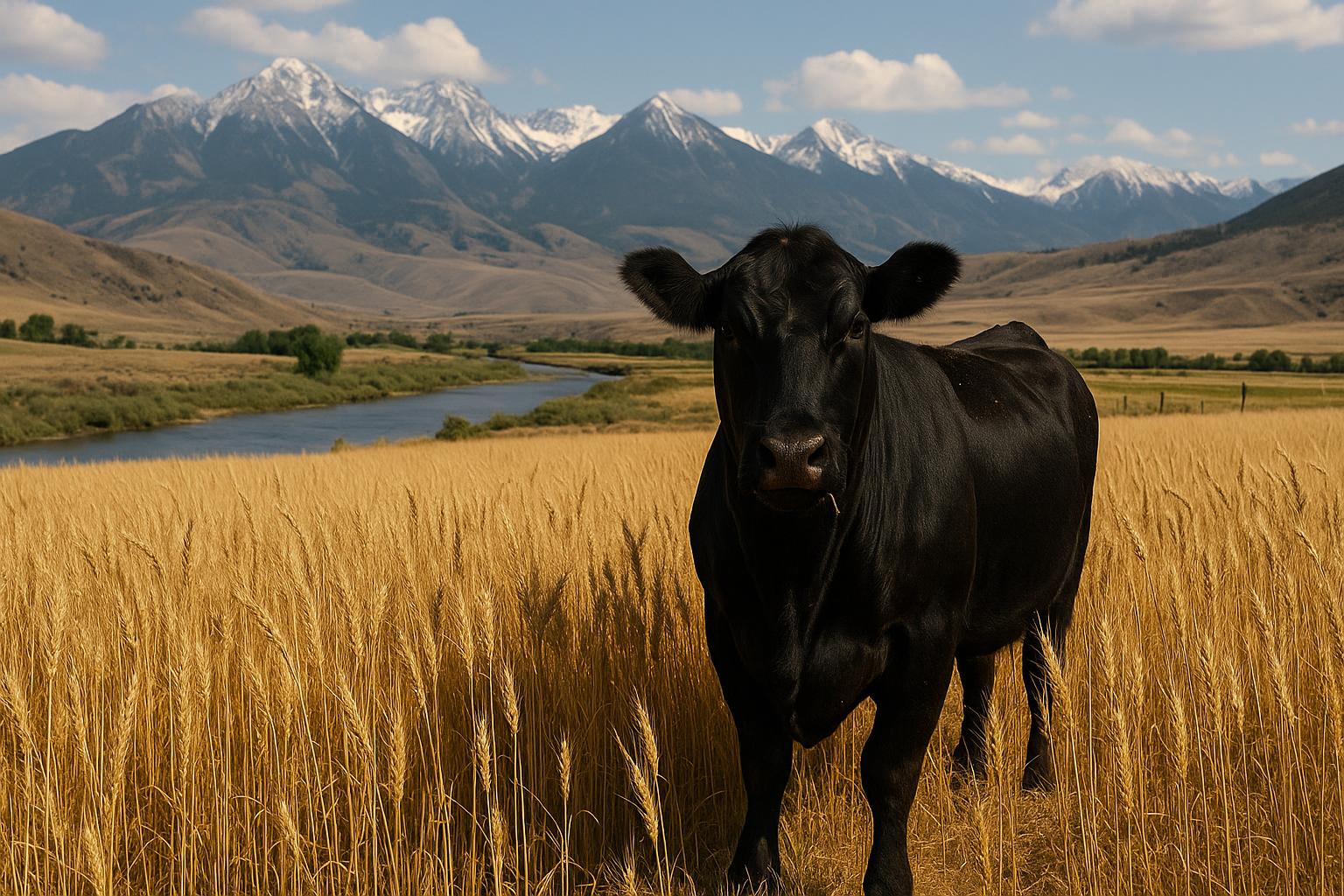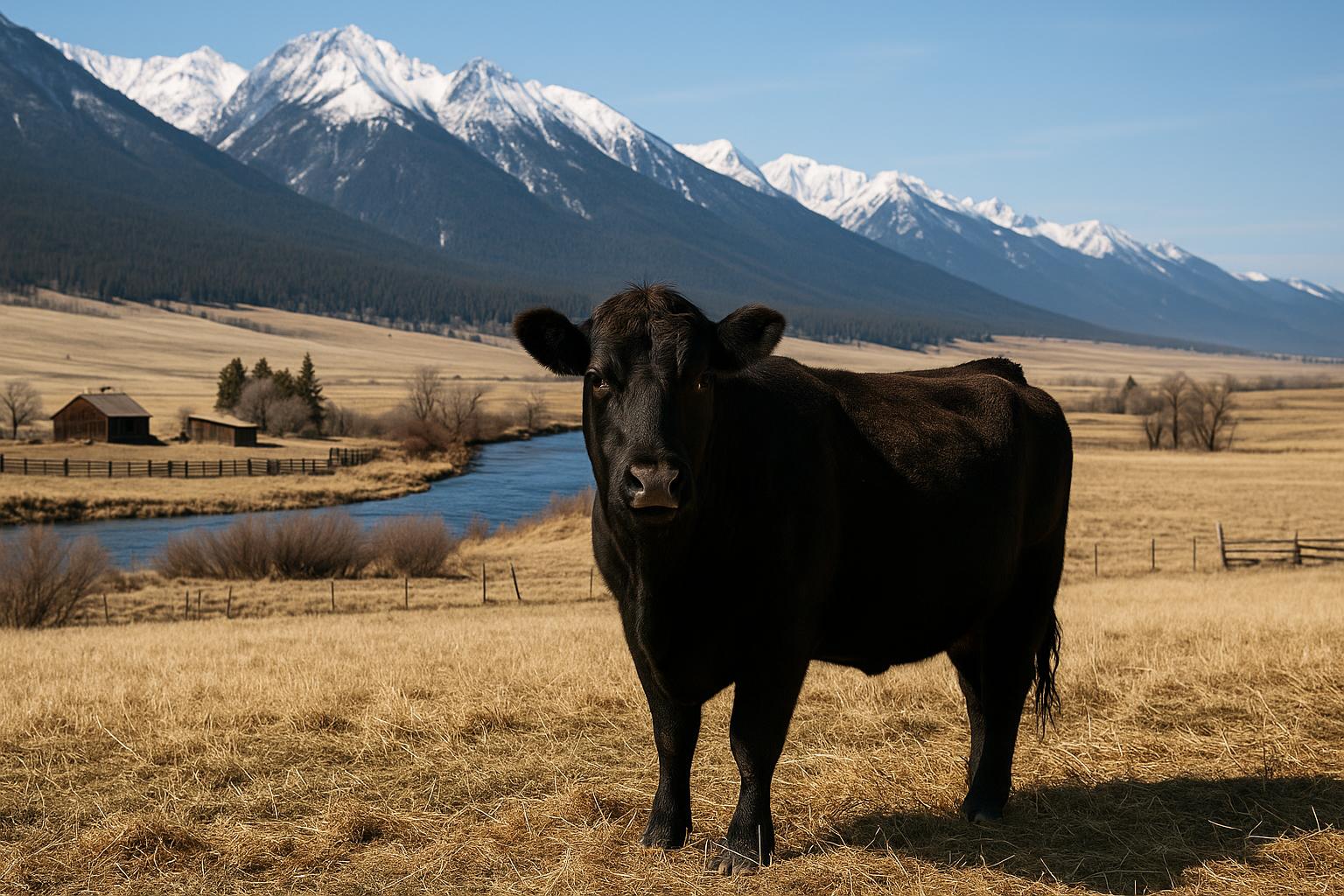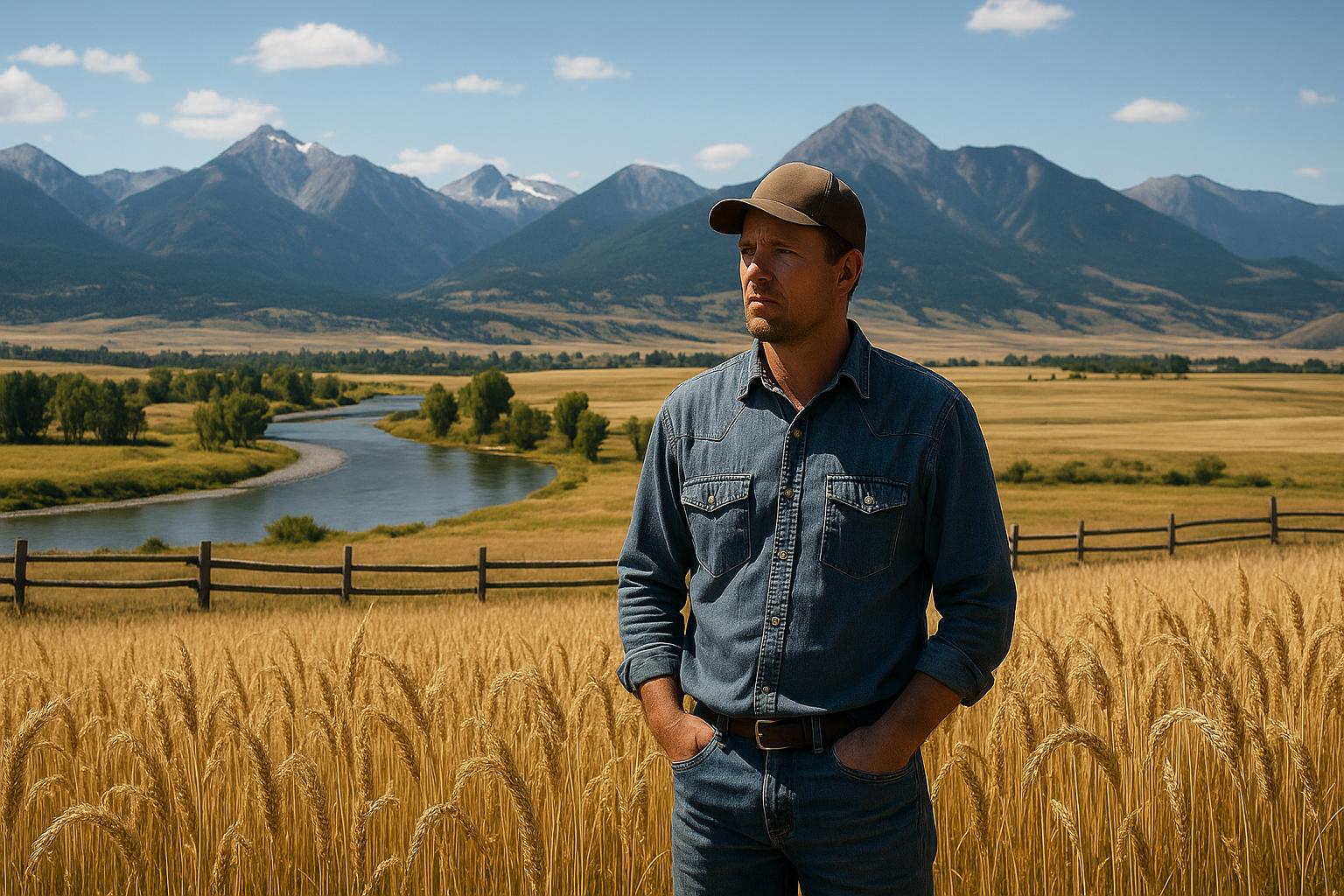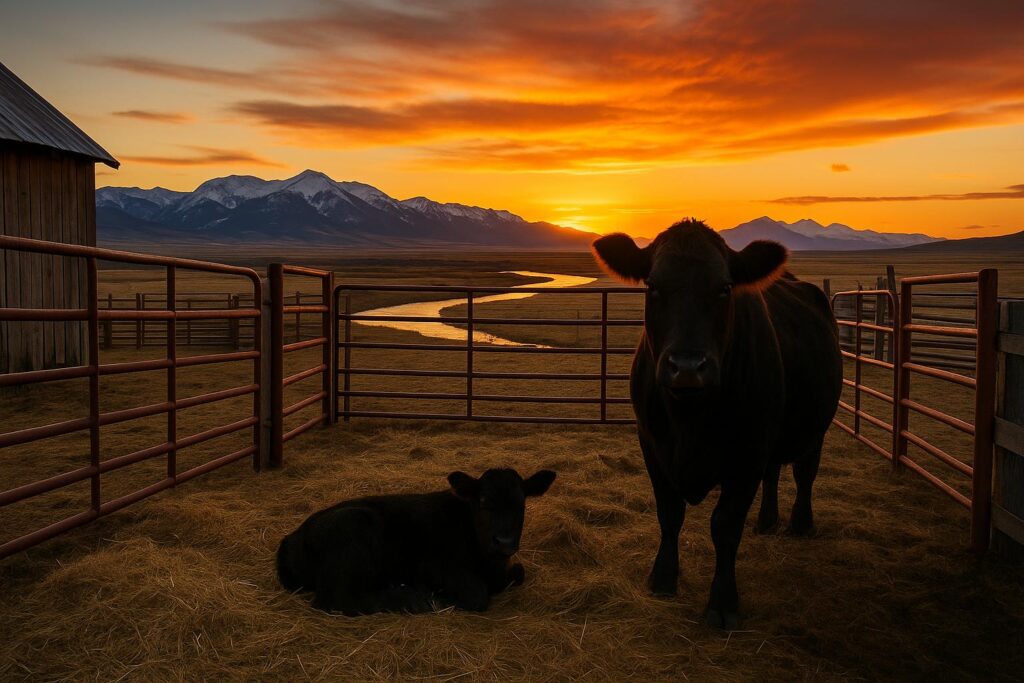
Scroll any summer evening and you’ll find it: windrows lined up like corduroy, a baler kicking dust in the last light, calves nosing a mineral tub, and that unmistakable Big Sky glow hanging over a pivot or a set of corrals. Instagram has become a modern-day tack room bulletin board — part storytelling, part shop talk, part proof-of-life that the work is getting done.
This isn’t about chasing trends or turning every chore into content. It’s about noticing what Montana producers already do well: showing the season as it actually looks, from the first cutting to branding day cleanup, and from irrigated ground to dryland corners that make you pray for a timely rain.
Below are a few themes that keep popping up in strong ag posts this time of year, along with practical tips for sharing photos that are safe, accurate, and respectful of neighbors and landowners.
1) Hay season photos that tell the whole story
In Montana, hay season is rarely a single “season.” It’s a moving target shaped by elevation, moisture, and whether you’re chasing alfalfa quality or just trying to put up enough feed to get through a hard winter. The best social posts don’t just show a machine; they show context.
- Wide shots: Windrows running to the horizon, a stackyard filling up, or a line of bales along a county road (with safe pull-offs).
- Detail shots: Twine in the knotter, fresh-cut stems, or the texture of a tight bale.
- The “why”: A caption noting first cutting timing, a weather window, or a quick note about quality vs. quantity.
If you’re sharing equipment photos, keep it grounded. It’s fine to say you’re running a favorite baler or tractor, but avoid implying a brand “always” performs a certain way unless you can back it up. Conditions change fast, and what works in the Gallatin Valley might not match what someone sees on the Hi-Line.
Helpful link: If you’re working near roads, Montana’s basics on roadway safety are worth a refresher via the Montana Department of Transportation.
2) Ranch work: the people behind the posts
Some of the strongest ranch content isn’t dramatic — it’s honest. A gate chain in a gloved hand. A kid learning to read cattle. A neighbor showing up when the squeeze chute breaks. Those posts resonate because they’re real, and they’re recognizably Montana.
When sharing people-focused photos, a couple best practices go a long way:
- Ask first: Especially for hired hands, brand inspectors, vets, or neighbors.
- Keep it respectful: Avoid posting someone on a bad day, or in a moment that could be taken out of context.
- Show the process: Pens set up right, cattle moving calmly, and good stockmanship speak louder than “tough guy” captions.
For readers curious about Montana livestock rules and best practices, the Montana Department of Livestock has core information that’s useful to revisit now and then — especially around movement, brands, and animal health updates.
3) Irrigation, water, and the reality of summer
Water posts are everywhere for a reason. In much of Montana, summer farming and ranching is a water story — whether that’s a pivot running smooth, a headgate adjustment, or a creek that’s lower than you’d like to see.
If you’re posting about water conditions, keep it careful. A photo of a low ditch or a shrinking reservoir can be informative, but it’s easy for audiences outside agriculture to misread what’s happening. If you’re not sure of the cause, say so. Phrases like “it looks lower than last year” or “we’re watching flows closely” are more accurate than sweeping claims.
For current conditions, link to primary sources when you can:
- Drought.gov Montana for drought status and summaries
- USDA NRCS for snowpack and water supply resources (regional tools vary)
4) Wildlife on working land (and how to post it responsibly)
Montana ag feeds wildlife as surely as it feeds people — sometimes more than we’d like. Deer in the alfalfa, elk on the fence line, antelope in the barley, geese on the swath, and the occasional bear that turns a quiet evening into a long night.
Wildlife photos can be some of the most engaging content, but they also come with responsibility:
- Don’t geotag sensitive spots: Avoid pinpointing exact locations for big game, nesting birds, or private ground access points.
- Keep distance: A zoom lens beats pushing closer, especially around calving pairs or stressed animals.
- Know the rules: If your post touches on hunting or conflict animals, it’s smart to reference official guidance from Montana Fish, Wildlife & Parks.
Reports indicate that social media has increased pressure on certain recreation areas in the West. Even when you’re just sharing a neat wildlife moment, withholding exact locations is a good habit — and it protects your neighbors, too.
5) Weather, smoke, and the light Montana photographers chase
Montana’s best ag photos often happen at the edges of the day: early morning when the air is still, or late evening when the shadows stretch across a field. Add in a little haze — from dust, humidity, or wildfire smoke — and the light can turn dramatic fast.
But smoke and fire season are serious business. If you’re posting smoky sunsets, consider adding a note that acknowledges the downside: reduced air quality, livestock stress, and fire risk. It’s possible to appreciate the view without ignoring what it can mean on the ground.
For up-to-date fire information and restrictions, the most reliable starting point is Montana Fire Information.
How to take better farm and ranch photos without slowing the work
You don’t need a new camera to make a strong post. A few simple habits can improve your photos while keeping safety first.
- Stop before you shoot: No photos while driving, riding, or operating equipment.
- Clean the lens: A dusty phone lens is the most common reason a photo looks “off.”
- Use the horizon: Level lines make fields, fences, and pivots look sharp.
- Include scale: A person, pickup, or bale stack helps viewers understand size and distance.
- Write captions like a neighbor would: What are you doing, why today, and what’s next?
If you’re sharing photos of employees, kids, or visitors, consider basic privacy and safety: avoid showing license plates, house numbers, or anything that advertises where tools and equipment are stored.
What this means for Montana
Montana’s hunting, fishing, and farming communities overlap more than most people realize. The same ground that grows hay and grain also holds pheasants and sharptails, winter range for deer and elk, and creeks that anglers care about. When producers share real, accurate snapshots of the season, it helps the broader public understand what’s happening beyond the highway — and it can build trust across those user groups.
At the same time, the best Montana ag posts tend to do three things well:
- They’re specific without being risky: Show the work, skip the exact location when it could invite trespass or pressure.
- They’re proud without overpromising: Celebrate a good cutting or a smooth gather, but stay honest about weather and market uncertainty.
- They keep the door open: A thoughtful caption can teach more than an argument ever will, especially when topics like water, wildlife conflict, or smoke are involved.
Whether you’re putting up feed, checking pairs, irrigating through a hot stretch, or just catching a quiet moment at the end of the day, Montana’s ag story is worth documenting. Do it safely, do it respectfully, and let the season speak for itself.
Inspiration: www.agdaily.com