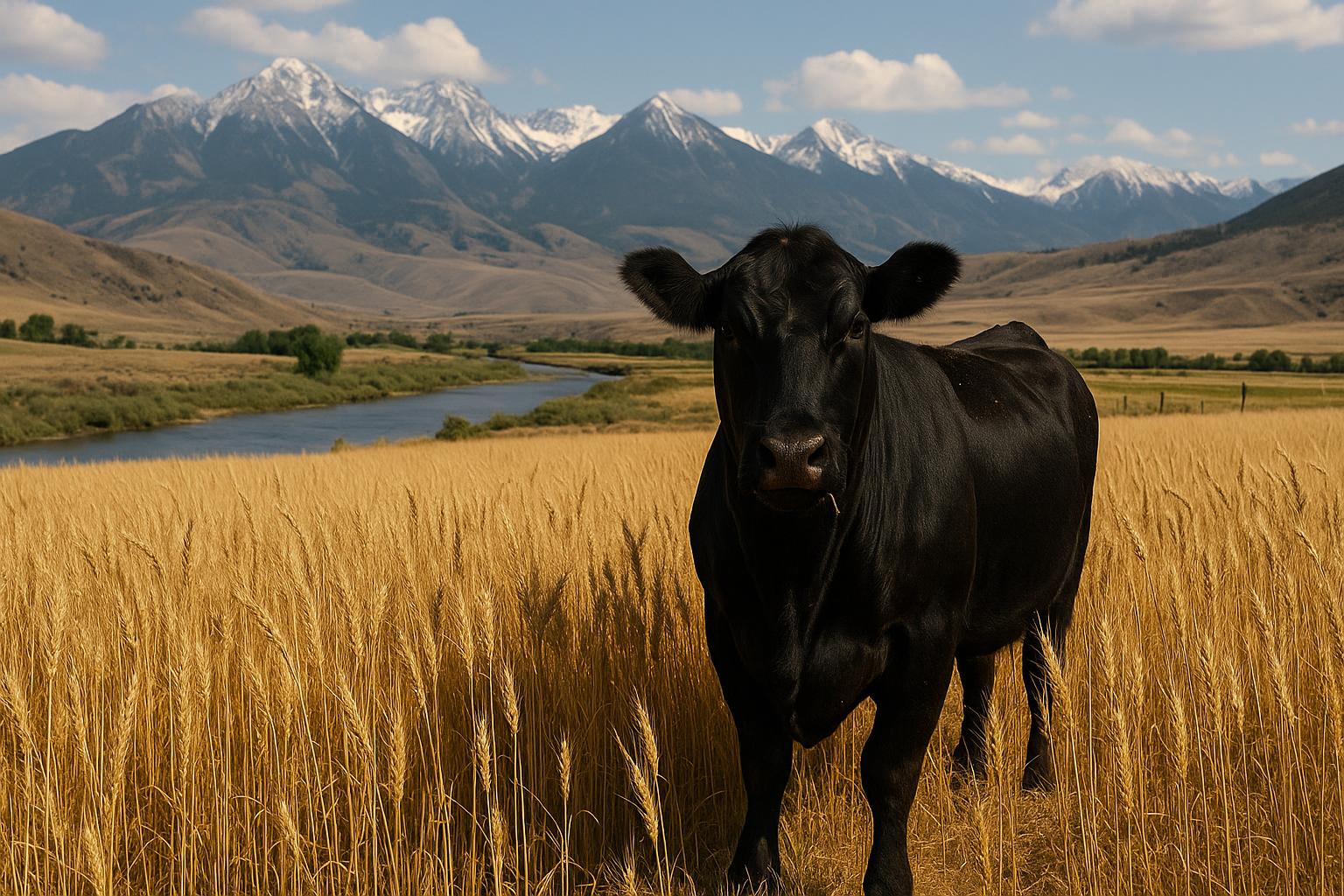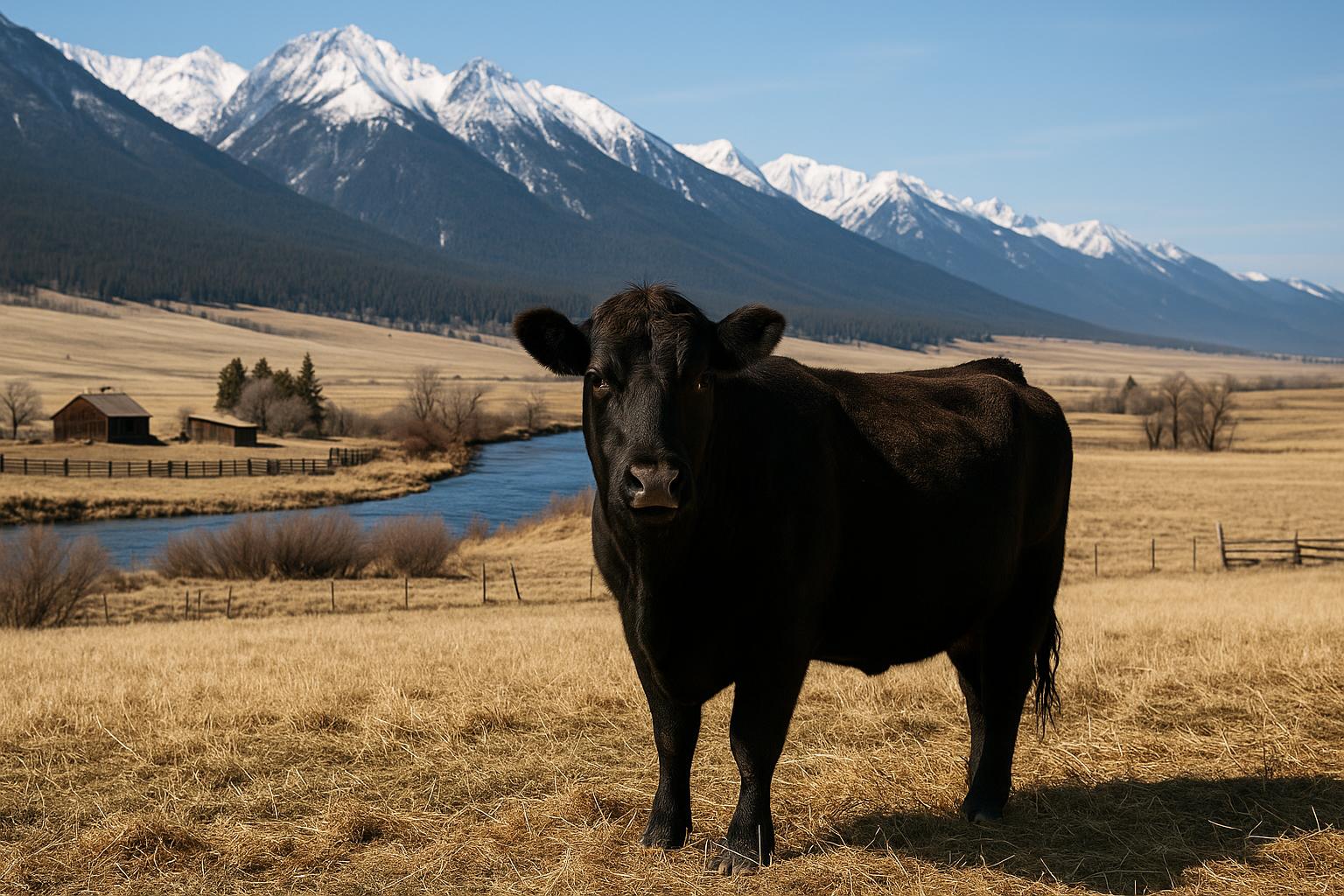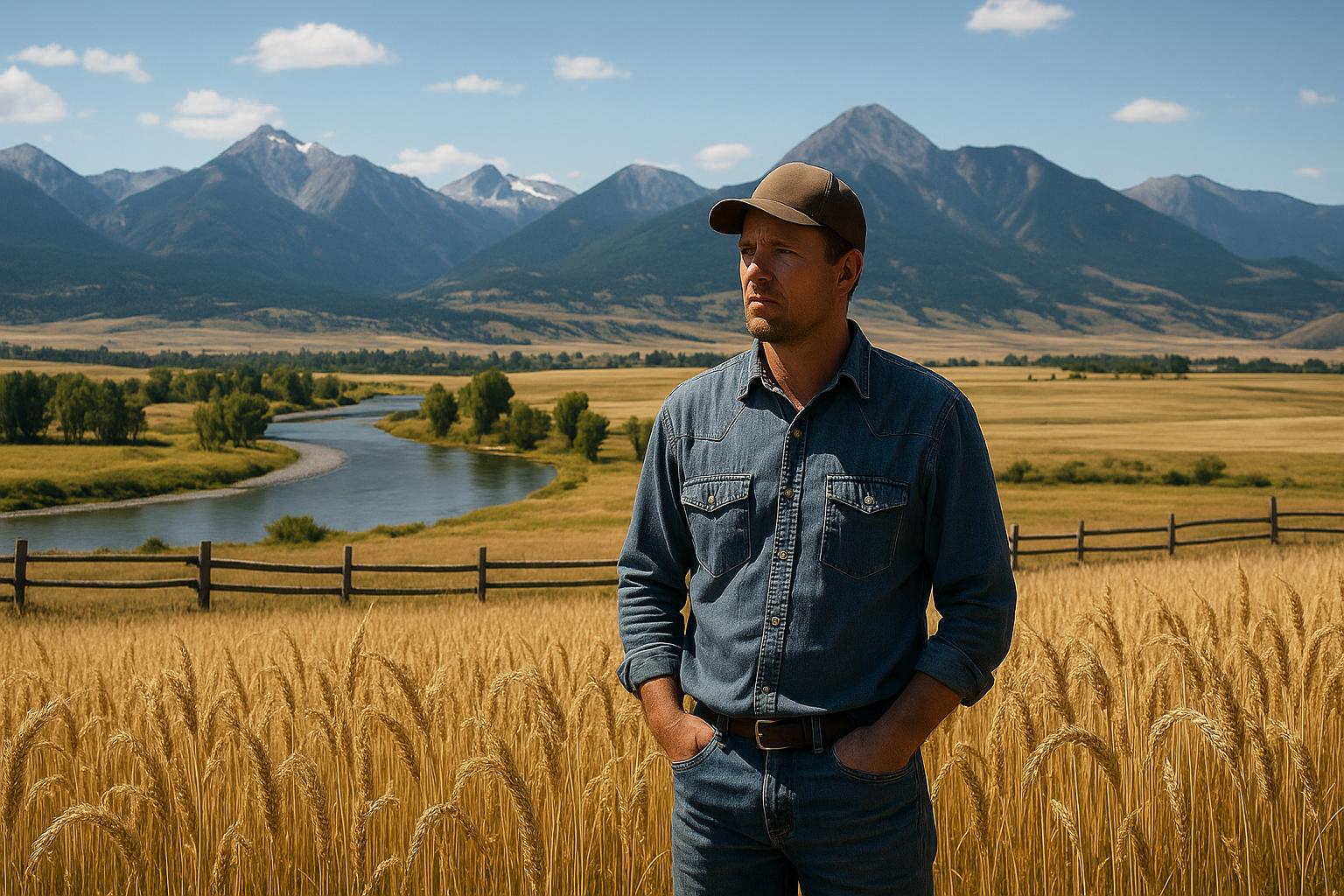
Montana’s working lands don’t always announce themselves with a headline. Most days, the story is quieter: a windrow drying just right, a stock tank holding through the heat, a set of tire tracks that says somebody was up before daylight. And increasingly, those moments are getting documented—carefully, creatively, and often beautifully—by the people living them.
This week’s photo roundup is a Montana-angled “field notes” collection: the kinds of scenes that show up on local feeds when the weather cooperates, when it doesn’t, and when folks keep going anyway. Think of it as a reminder that the best snapshots of agriculture and the outdoors aren’t staged—they’re earned.
We’re not ranking anyone’s work, and we’re not claiming this is an exhaustive list of the “best” posts on the internet. Instead, we’re highlighting themes that keep popping up across Montana and the Northern Rockies, plus a few practical tips for sharing photos without creating headaches for landowners, hunters, anglers, or livestock.
Hay season: the brief window everyone watches
If you want to know what a Montana summer looks like, look for haying photos. The timing changes by elevation, moisture, and crop, but the rhythm is familiar: cut, dry, rake, bale, stack, and hope the forecast holds.
- Windrows at golden hour: Those long, parallel lines read like a weather report—drying conditions, wind direction, and how fast a crew is moving.
- Stack yards and tarps: A tidy stack is equal parts pride and risk management. One storm can turn “done for the year” into “start over.”
- Equipment close-ups: Knotters, pickup teeth, grease guns, and twine aren’t glamorous—until you’ve fixed one in the field and made the next bale.
If you’re posting from the hayfield, it’s worth remembering that a photo can unintentionally reveal more than you mean it to: exact locations, gate access, or even where a crew is working unattended. A quick check of your phone’s location settings can help keep things private.
Water on the landscape: ditches, pivots, and stock tanks
In Montana, water is never just background scenery. Photos of irrigation—whether it’s a pivot throwing a clean arc at dusk or a handline set across a field—tend to attract comments because everyone understands what’s at stake.
Reports indicate many producers continue to juggle tight windows and competing needs: crops, livestock, and downstream obligations. If you’re sharing irrigation photos, consider adding context without oversharing details that could invite trespass or conflict. A simple caption about the crop stage or the weather you’re working around tells the story.
For readers looking for broader water context, the Montana DNRC is a good starting point for water resources and state-level information, while local conservation districts often share practical updates.
Ranch work that doesn’t fit a calendar
Some ranch photos show up like clockwork—branding throws, fall gathers, and first-day-of-hunting-season camp scenes. Others appear when they appear: a midnight check, a fence fix, a heifer that decided the neighbor’s pasture looked better.
- Fence lines and tools: Post pounders, wire stretchers, staples, and a glove laid on a cedar post—small images that say “maintenance never ends.”
- Livestock in weather: Cows under a shelf cloud, calves in dust, horses with frost on their manes—photos that show how animals live outdoors, not just in postcards.
- Working dogs: A good dog makes for great photography, but also tells an honest story about stockmanship and partnership.
If you’re photographing livestock, keep safety and animal welfare front and center. Don’t push animals for a shot, and don’t put yourself in a bad spot for the sake of content. A calm, steady photo from a respectful distance usually looks better anyway.
Wildlife sightings: share the wonder, not the waypoint
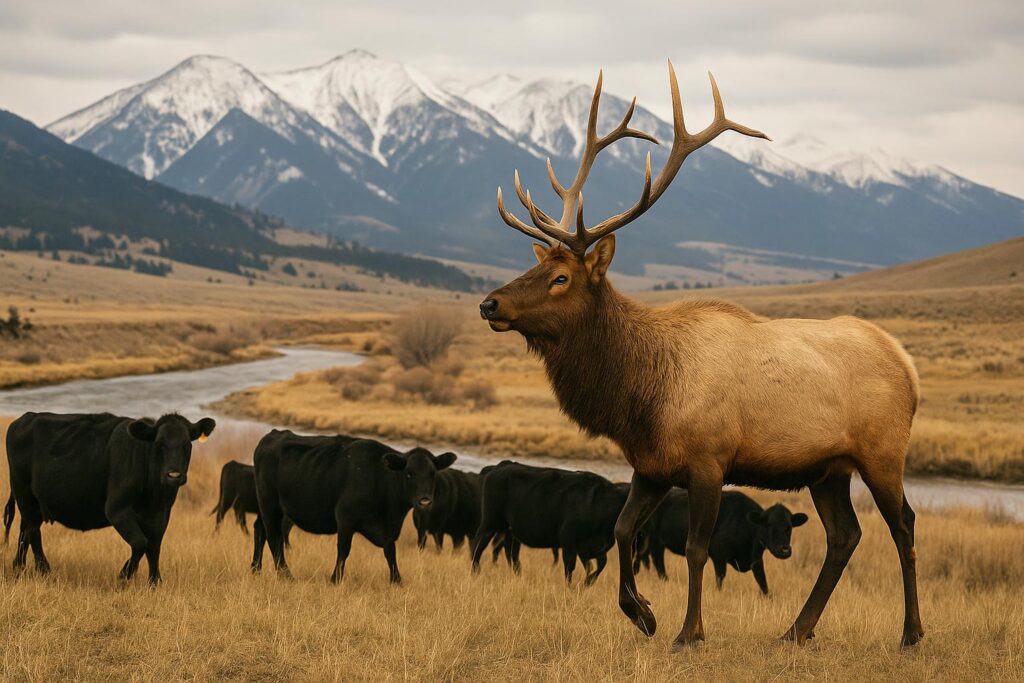
Montana feeds fill up with wildlife photos in summer—some taken from ranch pickups, some from riverbanks, some from trailheads. That’s part of what makes this state special: you can go from irrigating alfalfa to seeing a pronghorn in the same afternoon.
But wildlife posts come with a responsibility. A photo that includes recognizable landmarks, trail signs, or geotags can funnel pressure onto a specific spot—sometimes on private ground, sometimes on a fragile stretch of river or a crowded access point.
When in doubt:
- Turn off precise location tags.
- Avoid naming exact drainages or mile markers for sensitive species or popular fishing holes.
- Keep distance and follow ethical viewing practices.
For official guidance on seasons, access, and ethics, check Montana Fish, Wildlife & Parks, especially if your photo involves hunting, fishing, or wildlife encounters that raise questions.
Weather drama: the sky is part of the job
Montanans photograph the sky because the sky runs the schedule. A single week can bring heat, wind, smoke, hail, and a sunset that looks like it was painted on purpose. Those images aren’t just pretty—they’re documentation.
If your operation depends on timing (and whose doesn’t?), it can be helpful to pair a weather photo with what it meant on the ground: “Cut yesterday, rained today,” or “Hail missed us by a mile.” That’s the kind of detail other producers and outdoors folks actually learn from.
For forecasts and hazard updates, the National Weather Service and local NWS offices remain the most reliable sources.
How to share your Montana photos without causing problems
Agriculture and outdoor life are visual, and social media can be a powerful way to educate people who’ve never set foot in a hayfield or on a calving pasture. But it’s also easy to accidentally share something you didn’t intend.
- Skip the gate photos: Images that show lock types, access points, or “easy routes” can invite trespass.
- Think about timing: Posting in real time can broadcast that a place is unattended—or that you’re away from home.
- Be careful with kids and neighbors: Ask before posting recognizable faces, brands, or license plates.
- Give context: A short caption about what’s happening (and why) helps non-ag readers learn without turning your post into a debate.
- Correct gently: If comments go sideways, a calm clarification does more than an argument.
If you’re hoping to get your photos noticed, consistency helps: share a mix of wide scenes and close details, use clear captions, and engage with others respectfully. Montana’s ag and outdoor communities are smaller than they look online, and reputations travel fast.
What this means for Montana
These photos—hay fields, irrigation rigs, storm clouds, cattle trails, river mornings—add up to something bigger than a weekly scroll. They’re a public record of how Montanans live on the land right now.
For producers, that visibility can be an advantage. It helps explain why a closed gate matters, why a two-day weather window changes everything, and why “just one more truck” on a muddy road isn’t a harmless request. For hunters and anglers, it’s a reminder that access and opportunity often depend on trust with landowners and respect for working operations.
For everyone, it’s a chance to tell Montana’s story in a way that’s accurate and grounded. The most compelling posts aren’t the ones that pretend the work is easy—they’re the ones that show the work as it is: skilled, seasonal, and tied to conditions no one can fully control.
If you’ve got a photo that captures that reality—whether it’s a clean set of windrows, a branding-day hand shot, a smoky ridge at dusk, or a dog riding the tailgate after a long day—share it thoughtfully. The land will provide the content. The rest is up to us.
Inspiration: www.agdaily.com