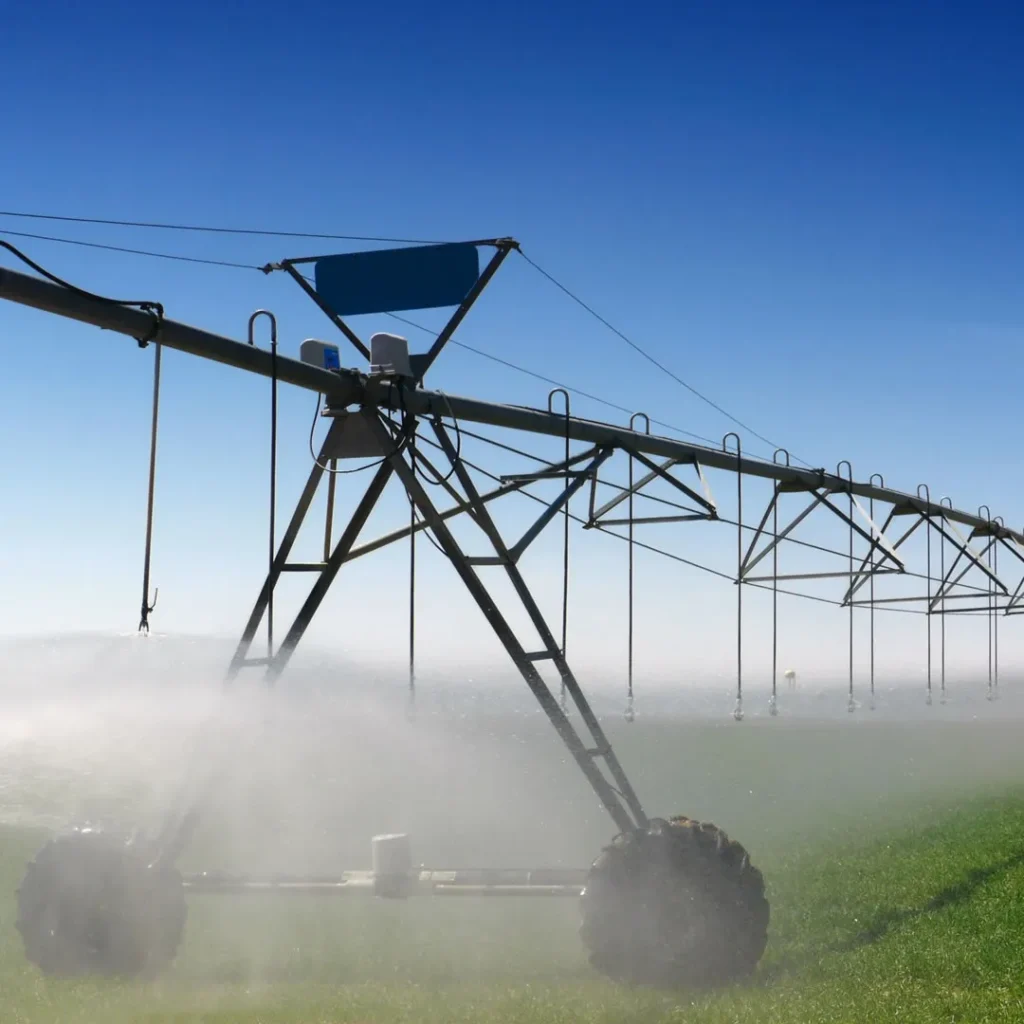
In a state where a hot wind can pull moisture off a field in a hurry, small improvements in irrigation hardware can matter. Reports indicate Nelson Irrigation has rolled out new center-pivot sprinkler models designed specifically for the tail end of pivot systems—where pressure changes, speed differences, and edge coverage often make performance harder to dial in.
The company’s new models—described as R65 VT and an inverted version, R65i VT—are positioned as updates that build on earlier multi-stream designs. While product launches don’t automatically translate to better yields or lower power bills, end-of-line sprinklers are one of the places pivot owners frequently tweak when they’re trying to fix a dry strip, reduce runoff, or even out application at the corners of a field.
Why the end of the pivot is its own problem
Most pivot owners have seen it: the last tower is where things can get touchy. The outer spans cover more acres per minute than the inside spans, and the system can be sensitive to wind, pressure variation, nozzle wear, and terrain. By the time water reaches the far end, the pivot is also dealing with different flow dynamics than closer to the pivot point.
That’s why manufacturers keep refining end-of-pivot sprinklers, drop configurations, and pressure regulation. A change that seems minor on paper can be noticeable on the ground, especially in:
- Light soils that crust or seal, where runoff becomes an issue
- Rolling ground, where pressure can vary as towers move up and down
- Wind-prone valleys, where droplet size and trajectory matter
- Fields with tight water allocations, where uniformity is the whole game
What’s new: multi-stream sprinklers aimed at end-of-line performance
Reports indicate the newly announced sprinklers are intended to “elevate” multi-stream performance at the end of pivot systems. Multi-stream units generally distribute water in multiple coherent streams rather than a single spray pattern, which can help manage droplet size and reduce fine misting—useful when you’re trying to keep water on the crop instead of letting it drift.
Nelson’s naming suggests these new models build on an earlier series (the R55 line), with the newer R65 versions intended as the next step. The “inverted” option is commonly used when a grower wants the sprinkler body positioned differently—often to suit a particular drop hose setup, clearance need, or to keep components better protected.
Because specific performance numbers can vary by pressure, nozzle selection, spacing, and mounting height, it’s worth treating any one-size-fits-all claims cautiously. The practical question for a Montana producer is whether the new design offers measurable improvements in:
- Uniformity near the field edge
- Runoff control on slopes or heavier soils
- Wind handling (less drift, better placement)
- Maintenance (clogging, wear, ease of inspection)
Questions to ask before swapping end-of-line sprinklers
New hardware is easiest to justify when it solves a known problem. Before ordering parts, irrigation dealers and university extension folks typically recommend confirming what’s actually causing the issue at the end of the pivot. A few practical questions can save money:
- Is the last span under-watered, or is it a pressure/regulation issue? Check regulators and verify operating pressure at the end tower.
- Are nozzles worn? Worn nozzles can quietly change application rates and patterns. If you haven’t checked them in years, start there.
- Is wind the main culprit? If edge coverage swings with wind direction and time of day, droplet size and mounting height may matter more than brand.
- Is runoff showing up? If water is moving, consider lower application intensity, different spacing, or management changes like cycle-and-soak scheduling.
- Are you trying to match chemigation needs? Some setups prioritize canopy coverage or drift reduction depending on product labels and timing.
If you want a baseline, many producers schedule a catch-can test or distribution uniformity check. Local irrigation dealers may offer this service, and it can help identify whether the end-of-line is truly the weak link.
How to evaluate a new sprinkler on a Montana pivot
Montana conditions vary from the Hi-Line to the Yellowstone Valley, but the evaluation process looks similar everywhere: test, measure, and compare. If you’re considering a change at the end gun or last few drops, try to set it up like a small on-farm trial.
- Document the current setup: nozzle sizes, pressure regulators, spacing, drop length, and mounting height.
- Measure pressure at the end of the pivot under operating conditions.
- Run a catch-can test on a calm day and, if possible, repeat on a breezy day to see drift sensitivity.
- Watch for runoff after a full pass, especially in wheel tracks and low spots.
- Track energy and pumping time if any pressure or flow changes are part of the update.
For general irrigation efficiency concepts and scheduling tools, producers often reference resources from Montana State University Extension. Your local conservation district or NRCS office can also be a useful starting point for water management planning.
What this means for Montana
In much of Montana, irrigation isn’t just about maximizing yield—it’s about reliability. A consistent edge pass can mean fewer dry corners in alfalfa, more even emergence in corn, or better stand persistence in pasture mixes. When water supplies tighten or pumping costs rise, uniformity becomes even more valuable because it reduces the temptation to “overwater the average” just to get the ends to keep up.
New end-of-pivot multi-stream options may be especially relevant for Montana operations dealing with:
- Wind that can push fine droplets off target in open country
- Mixed topography where pressure regulation and application rate need tighter control
- Limited water windows where you can’t afford uneven application and re-runs
- Crop diversity (hay, small grains, seed, corn, pasture) where the “best” pattern may change by field
It’s also a reminder that the simplest upgrades can be the most cost-effective: replacing worn nozzles, verifying regulators, fixing leaks, and checking pivot alignment. A new sprinkler model may help, but it works best as part of a system that’s already operating at its intended pressure and flow.
Where to find details and next steps
If you’re interested in the new models, start by talking with your local pivot dealer or irrigation supplier and ask for the specs that matter in the real world: recommended pressure range, nozzle options, spacing guidance, and any data on distribution patterns. If you’re comparing brands or models, request pattern charts and ask how the sprinkler behaves at the pressures you actually run—not just ideal conditions.
You can also look up the manufacturer for product literature and updates at Nelson Irrigation. As always, match hardware choices to your water source, pumping setup, soil intake rate, and the weather reality on your place.
Inspiration: agupdate.com