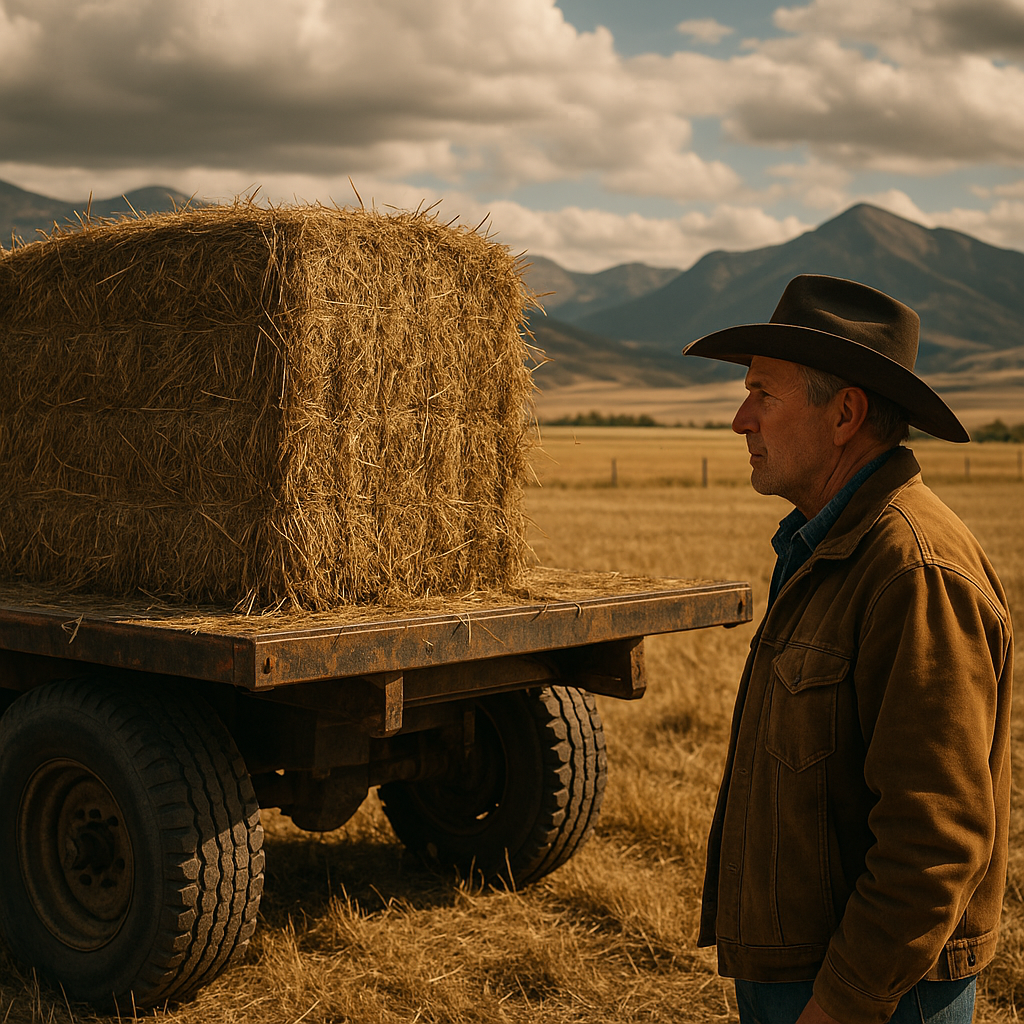
Across parts of Montana, a dry growing season is translating into tighter hay supplies and higher-stakes decisions for ranchers and horse owners. Reports indicate some producers are seeing lighter first cuttings, fewer second cuttings, and more competition for what’s available—especially good-quality grass hay and alfalfa.
Even when hay is out there, the bigger question is often logistics: who has it, what quality it is, and whether it can be hauled economically before winter weather closes in. For operations that rely on purchased feed, this is the time of year when “wait and see” can turn into “pay more later.”
Quick takeaways
- Hay availability is uneven. Some areas have decent stacks; others are already tight, especially for higher-quality feed.
- Prices can move fast. When drought expands, demand spikes—from local buyers and out-of-area purchasers.
- Quality matters as much as tonnage. Testing hay and balancing rations can prevent costly performance losses.
- Freight can make or break a deal. Hauling costs and winter road conditions can add major risk.
- Planning now reduces winter surprises. Early contracts, flexible rations, and stocking decisions can protect the bottom line.
Why drought hits the hay pile so hard
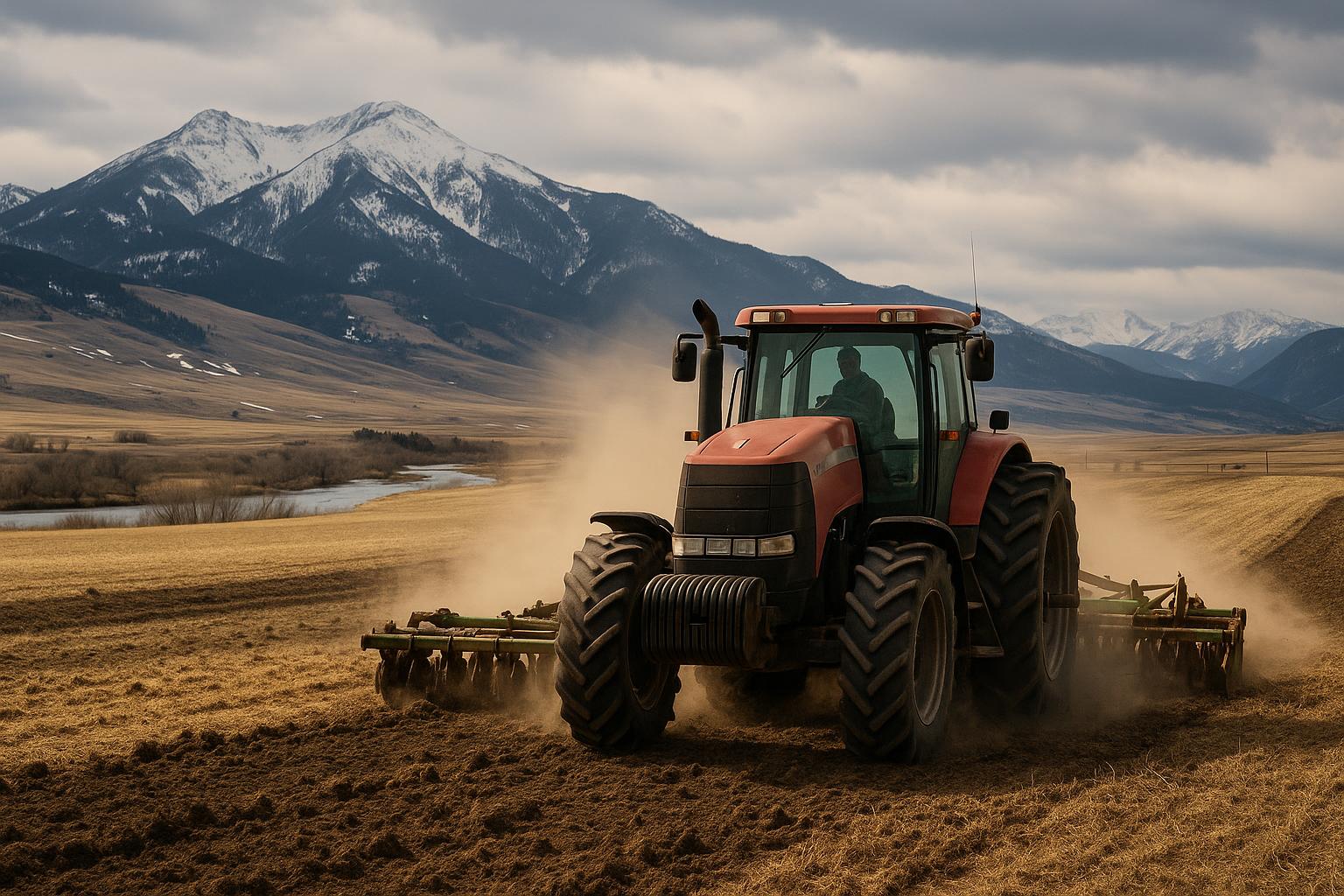
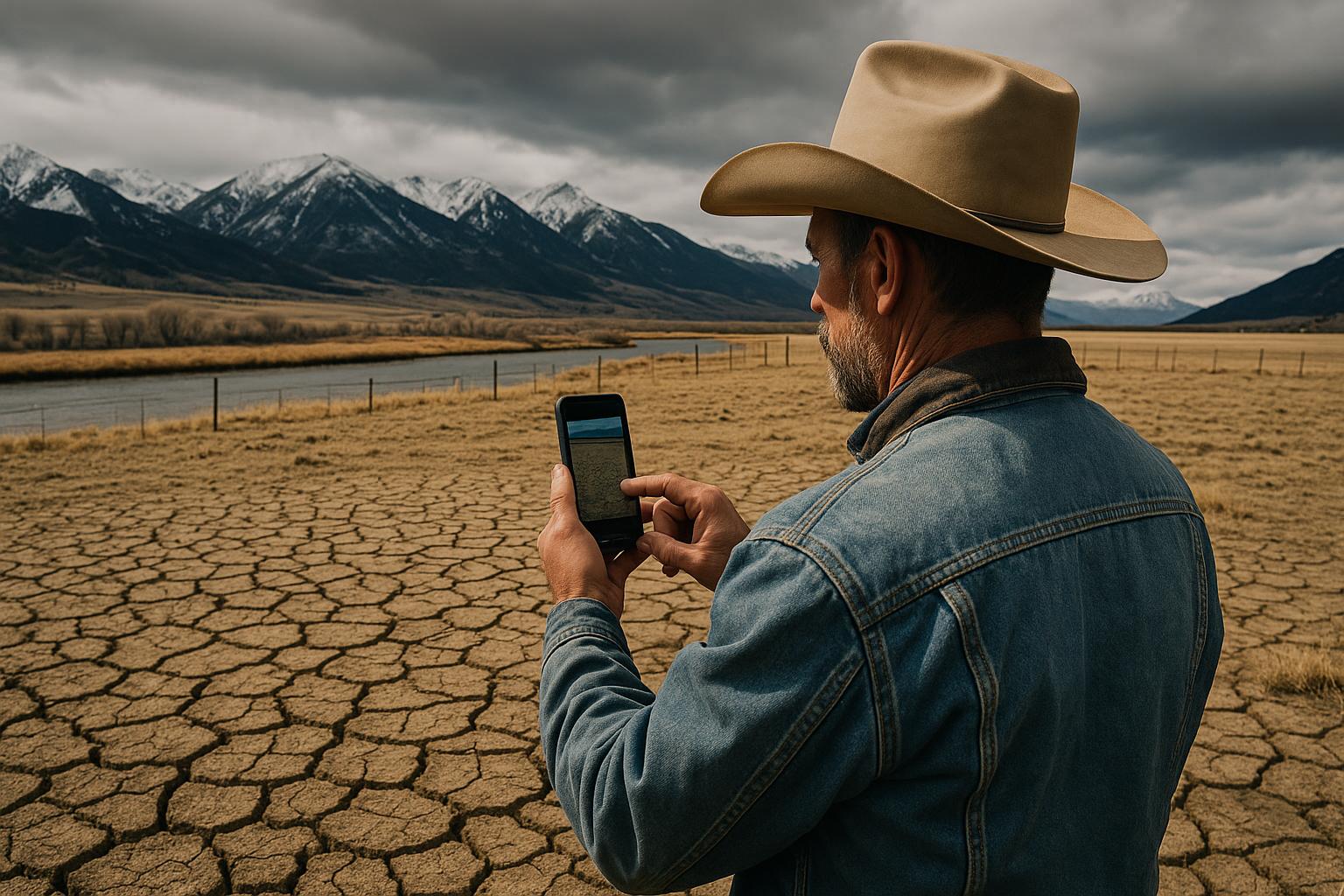
Montana hay production depends heavily on timely moisture—whether that’s spring rains on dryland fields or reliable irrigation water on hay ground. When precipitation comes up short or arrives at the wrong time, yields can drop and regrowth can stall. Hot, windy stretches also pull moisture out of plants and soils quickly, reducing tonnage and sometimes affecting forage quality.
In many years, hay markets can “self-balance” with surplus from one region filling deficits in another. But when drought is widespread, the usual safety valve narrows. Reports indicate that’s when buyers start looking farther afield, and freight becomes a bigger part of the final price.
What ranchers are watching: supply, quality, and freight
In a tight year, it’s not just about finding hay—it’s about finding the right hay at a price that pencils out. Ranchers and horse owners typically weigh three things:
- Supply: Are there enough bales available to cover winter needs plus a buffer for storms or extended feeding?
- Quality: Is it grass hay, mixed, or alfalfa? Is it leafy, mold-free, and stored well? Will it meet the needs of cows in late gestation or horses with higher energy demands?
- Freight and timing: Can it be delivered before roads get slick and hauling rates climb? Will the seller hold it, or does it need to move now?
One practical step many nutritionists recommend in any year—especially a short year—is to test hay. A forage test can help you match lots to different classes of livestock and avoid overfeeding expensive nutrients. Montana producers commonly use regional labs and extension guidance; MSU Extension’s forage and livestock resources can be a starting point: https://www.msuextension.org/.
Strategies producers consider when hay is tight
No two operations have the same options, but several approaches come up repeatedly when hay supplies tighten. None are perfect; most involve tradeoffs in cost, labor, and risk.
- Lock in hay early: Buying or contracting earlier can reduce the chance of scrambling later, though it can tie up cash and storage space.
- Right-size the herd: Some ranchers consider earlier culling—open cows, older cows, or lower performers—before feed costs stack up.
- Stretch forage with supplements: Depending on prices, protein tubs, cake, or commodity feeds can help maintain condition while using less high-quality hay. A nutrition plan matters here.
- Use alternative roughages: In some years, straw, millet hay, pea hay, or other forages may be available. Suitability depends on testing and animal class.
- Prioritize animal needs: Save the best hay for late-gestation and lactating cows, weaned calves, and higher-need horses; feed lower-quality lots to animals with lower requirements.
For cow-calf outfits, early weaning is another tool sometimes discussed in dry years. It can reduce a cow’s nutritional demand and lower total feed needs, but it requires facilities, feed, and a marketing plan for calves.
Horses: quality and consistency become non-negotiable
Horse owners often feel hay shortages quickly because horses can be sensitive to abrupt diet changes, dusty hay, or mold. When supplies tighten, it can be tempting to buy whatever is available. But consistency and cleanliness matter—especially for older horses or those with respiratory issues.
In a short year, many owners look for:
- Reliable, tested hay with known nutrient levels and low dust.
- Secure storage to prevent spoilage—wet bales can become a costly loss.
- Gradual transitions when switching lots or types of hay.
When hay is scarce, some owners also explore feeding systems that reduce waste—slow-feed nets, better bale feeders, or improved storage. Cutting waste by even a small percentage can be the equivalent of “finding” extra bales over a winter.
Market ripple effects: more than just the bale price
When hay is short, the impact can spread beyond feed yards and barns. Reports indicate drought years can influence:
- Cull cow movement: More cows headed to town earlier can pressure local markets, depending on timing and volume.
- Calf weights and performance: If nutrition gets tight, gains can slip, which can show up at sale time.
- Pasture pressure: When hay is expensive, some producers try to hold cattle on pasture longer—if grass is available—potentially stressing already-dry range.
- Neighbor-to-neighbor deals: Local hay often stays local in normal years; in tight years, it may move quickly if out-of-area buyers show up with trucks.
Freight is a key wildcard. A “decent” hay price can turn into an expensive ration once trucking is added. Producers who can source closer to home—or coordinate loads with neighbors—sometimes reduce that risk.
What this means for Montana
For Montana’s livestock country, hay isn’t just a line item—it’s the bridge between fall and spring. When drought reduces production, it forces earlier, sharper decisions on stocking rates, wintering plans, and cash flow.
It also underscores how regional and local conditions matter. One valley may put up a fair crop while another is short, and irrigation water availability can change the picture dramatically. The result is a patchwork market where price and availability can vary widely by county.
For producers, the most practical takeaway is that risk management starts before the first snow. That can mean testing forage, penciling out multiple ration scenarios, lining up freight, and being realistic about how many mouths the ranch can carry through winter without betting on a late-season weather miracle.
Practical next steps: a checklist for the next 30 days
- Inventory what you have (by lot, quality, and storage condition), not just “number of bales.”
- Get forage tests and match hay to animal needs; avoid feeding your best hay to your lowest-need group.
- Price hay plus freight—and ask about delivery windows before winter roads complicate hauling.
- Review stocking and culling plans with feed costs in mind, not just tradition.
- Reduce waste with better feeders and storage; wasted hay is the most expensive hay on the place.
Montana has weathered tight hay years before, and producers are nothing if not adaptable. But in a drought-driven market, the operations that do best are often the ones that make clear-eyed decisions early—before the real winter feed crunch arrives.
Inspiration: “montana hay” – Google News (link)