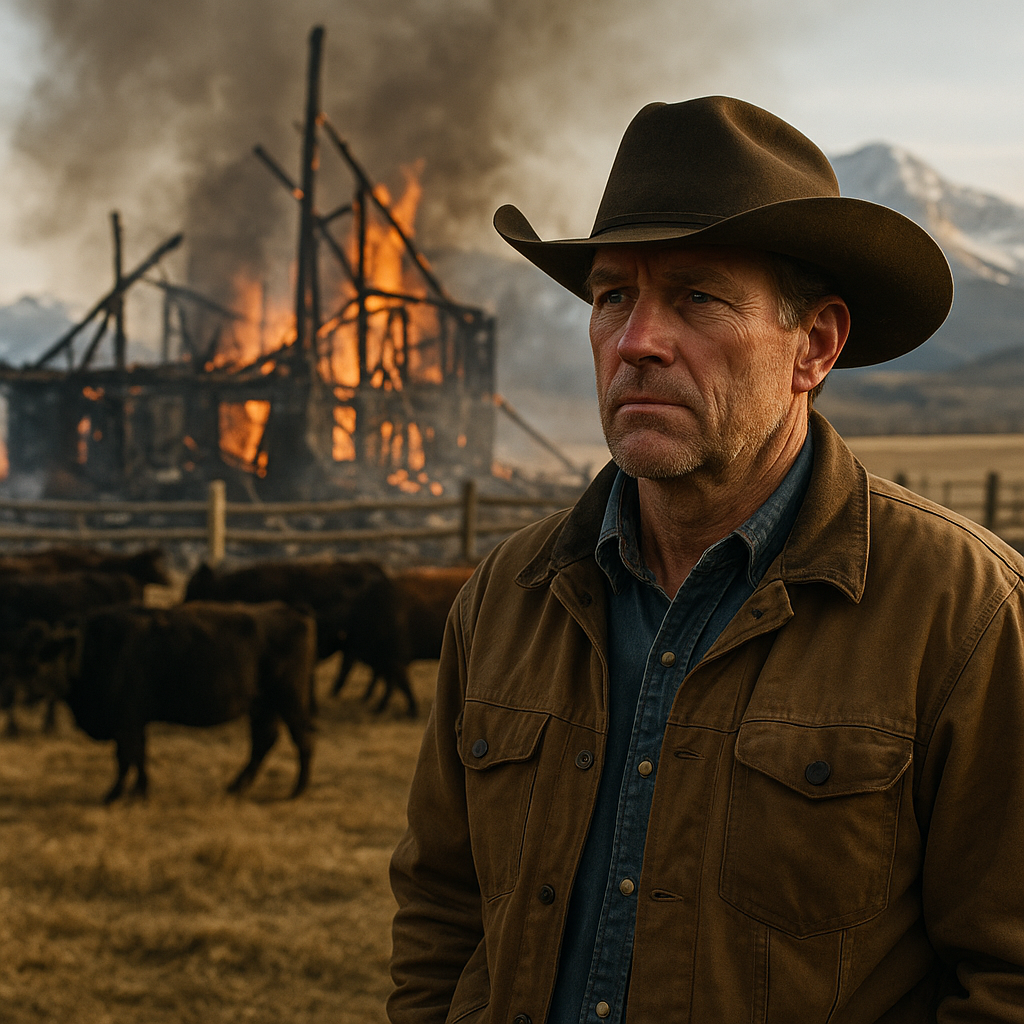
BABB — Reports indicate a fire heavily damaged an iconic restaurant in Babb, a tiny community on the doorstep of Glacier National Park where highway traffic, ranch pickups, and stock trailers all share the same two-lane ribbon of road. The owners have said they intend to rebuild, according to coverage circulating in Montana news.
- Quick takeaways:
- A well-known Babb restaurant was reportedly ravaged by a fire.
- Owners have indicated they plan to rebuild rather than walk away.
- In rural Montana, a single business can function like infrastructure—jobs, meals, meeting space, and a hub for neighbors.
- The rebuild will likely depend on insurance timelines, contractors, permitting, and community support.
Babb sits in that part of Montana where “town” can mean a post office, a few businesses, and a lot of country in every direction. In places like this, a restaurant isn’t just a place to eat; it’s where brand inspectors, outfitters, irrigators, and folks coming off the mountain grab a warm plate, swap weather reports, and check who’s calving and who’s cutting hay.
When a fire takes out a community fixture, it lands differently than it would in a bigger city. There may be no quick alternative down the street. The closest “next option” might be miles away, and in a busy season those miles add up for workers, ranch families, and travelers alike.
A rural business loss hits like a broken link in the chain
In ranch country, people talk a lot about weak links—an old gate hinge, a brittle hydraulic hose, a worn-out pickup tire at the wrong time. A restaurant, café, or bar in a small community can be part of that same working chain. It feeds crews during long days, provides a place to meet after a sale barn run, and offers steady paychecks in areas where year-round jobs can be hard to come by.
Reports about the Babb fire have drawn attention because the business wasn’t just serving tourists. It was part of the local rhythm. In communities along the Rocky Mountain Front, seasonal surges matter, but so do the winter months when locals keep the lights on and the coffee hot.
When a building is damaged by fire, the effects ripple:
- Employees can lose hours or entire jobs overnight.
- Local suppliers may lose a customer (food distributors, maintenance contractors, linen services, and more).
- Neighboring businesses can see both sides—some extra traffic, but also fewer reasons for travelers to stop and stay.
- Community groups lose a gathering spot for fundraisers, meetings, and informal support networks.
Rebuilding after fire: the long road behind a short sentence
“We’ll rebuild” is a powerful promise, and in Montana it’s a familiar one. But anyone who has rebuilt a barn, shop, or outbuilding knows what comes next: paperwork, waiting, and a long list of decisions that cost money.
While details on the Babb restaurant’s damage and next steps may still be developing, rural rebuilds often hinge on a few practical realities:
- Insurance and inspections: Determining what can be salvaged, what must be demolished, and what coverage applies can take time.
- Contractor availability: In many parts of Montana, qualified builders are booked out months—especially during peak construction season.
- Permitting and code: Rebuilding can trigger updated electrical, plumbing, fire suppression, and accessibility requirements.
- Supply chain and shipping: Even basic materials can be delayed, and freight costs can be steep in remote areas.
- Cash flow: A business can’t sell meals when it doesn’t have a kitchen. Bridging that gap is one of the toughest parts.
For ranch families, this is recognizable territory. A fire in a calving barn or equipment shed often forces the same hard math: do you patch it, replace it, or upgrade it? You can’t pause the season. You just adapt and keep moving.
Why a restaurant matters to working landscapes
Montana’s working landscapes are stitched together by more than fences and county roads. They’re held by relationships—neighbors who check water, lend a trailer, or show up with a generator when the power’s out.
A local restaurant can be one of the few “third places” left in rural America: not home, not work, but a place where people run into each other and talk. That matters in ranch country, where isolation is real and where the mental load of weather, markets, and animal health can be heavy.
It also matters for the next generation. Young people deciding whether to stay in a rural community weigh more than wages; they weigh quality of life. A place to eat, meet friends, or grab coffee before a long day can be part of what makes a small town feel livable.
Community response: how Montana towns typically rally
When a fire hits a rural business, Montana communities often respond in practical ways. Neighbors organize benefit dinners, raffles, and auctions. Local ranchers donate beef. Makers donate gear. Folks buy gift cards for a business that can’t currently serve them, just to help with cash flow.
As of this writing, specific fundraising efforts related to the Babb restaurant fire may vary and may still be emerging. But the pattern is familiar across the state: people show up with what they have.
In agricultural communities, support also looks like labor and logistics:
- Helping with cleanup and debris hauling (when safe and permitted)
- Connecting owners with contractors, electricians, and equipment
- Offering temporary kitchen space or storage
- Providing short-term work leads for displaced employees
These aren’t headline-grabbing gestures. They’re the kind of steady help that keeps rural places alive.
What this means for Montana
Montana’s cattle and ranch economy doesn’t exist in a vacuum. It depends on small-town services: fuel stops, grocery stores, mechanics, cafés, and seasonal employers that help keep communities viable. When one of those pillars is damaged, the impact is more than sentimental.
The reported rebuild pledge in Babb highlights a bigger truth across the state: rural resilience is real, but it isn’t free. Rebuilding after fire tests whether a community has access to insurance, capital, labor, and time. It also tests whether the surrounding region can support a business through a long closure.
For readers in Montana’s livestock and ranching world, the story is a reminder to think about preparedness and continuity—both at home and in town:
- For ranch operations: Review insurance coverage for structures, equipment, and business interruption where applicable.
- For communities: Recognize that local businesses are part of the working infrastructure, especially in remote areas.
- For consumers and travelers: When a place reopens, spending a few dollars locally can make a real difference.
It’s also a reminder that the “Montana brand” visitors come for—wide-open spaces, small towns, and the feel of real communities—depends on the people who live there year-round. When those people lose a cornerstone business, rebuilding becomes about more than a building. It’s about keeping a community intact.
Looking ahead
Details about the cause of the fire, the extent of the damage, and the timeline for rebuilding may continue to develop. What’s clear from reports is that the owners intend to rebuild—an approach that fits the Montana habit of getting back up after a hard hit.
In ranch country, you learn early that setbacks don’t ask permission. A late spring, a busted well, a wrecked baler, a grass fire—none of it waits for a convenient week. You take stock, make a plan, and start again. For Babb, that same mindset now applies to a restaurant that helped feed the Front.
Inspiration: “montana cattle” – Google News (link).