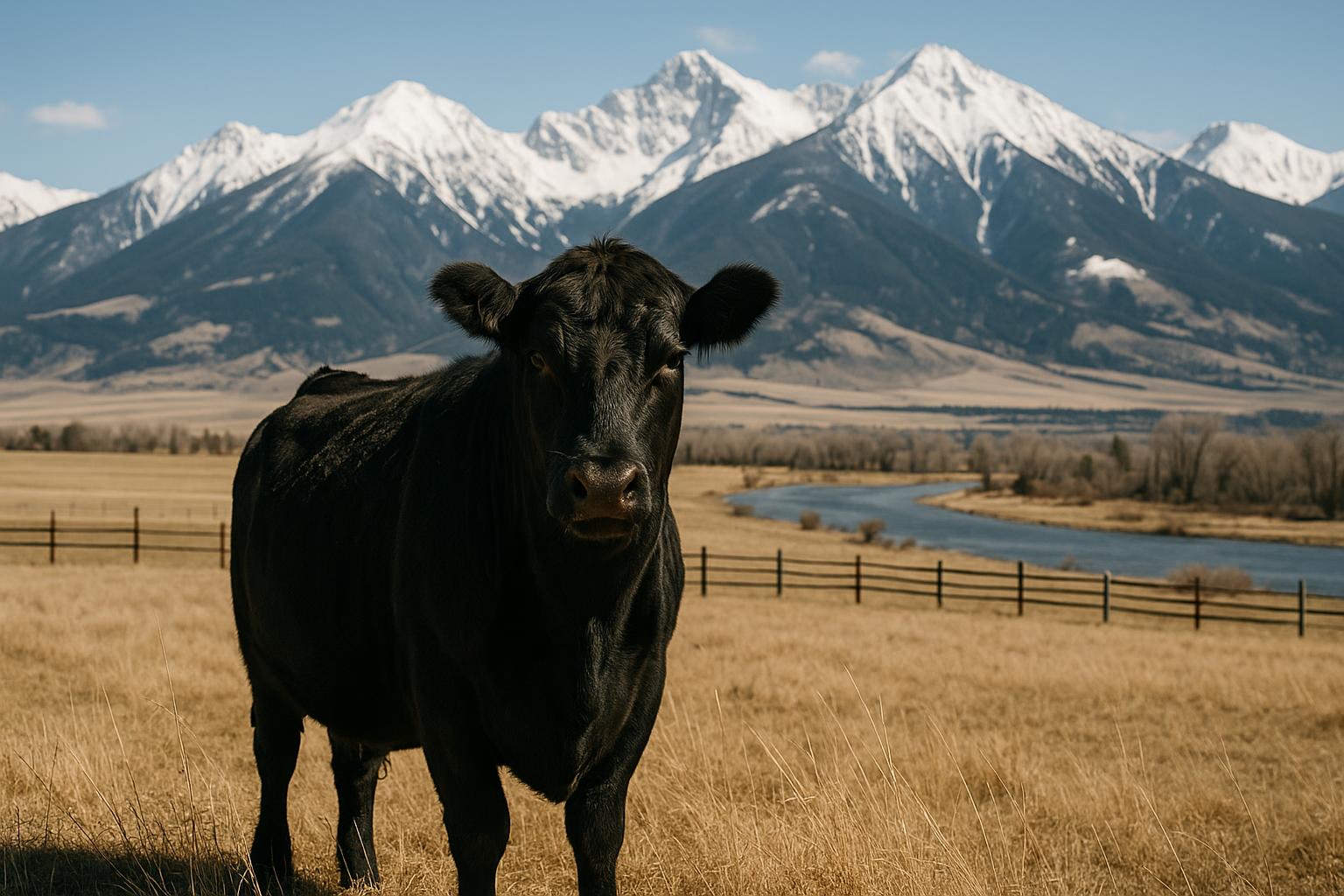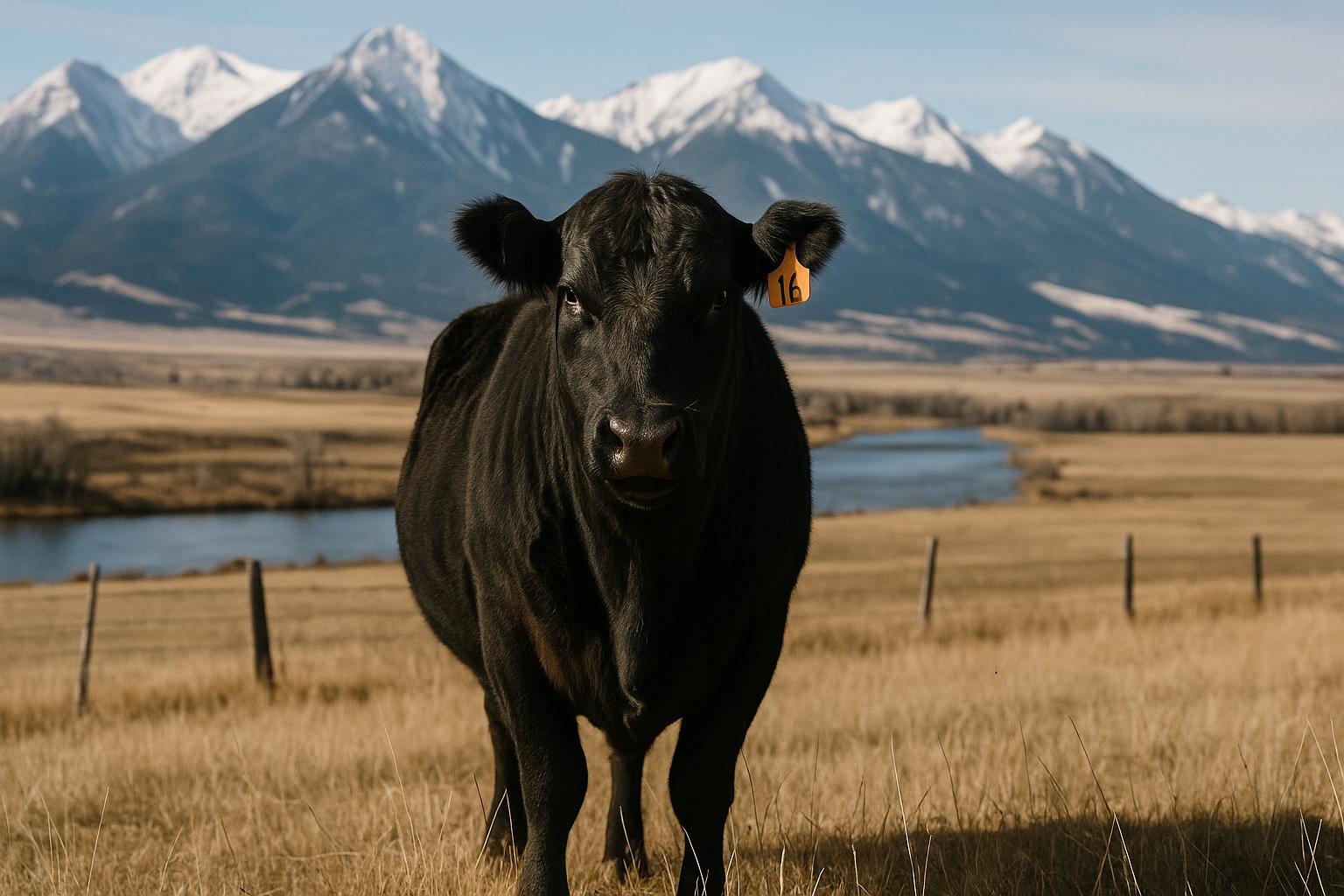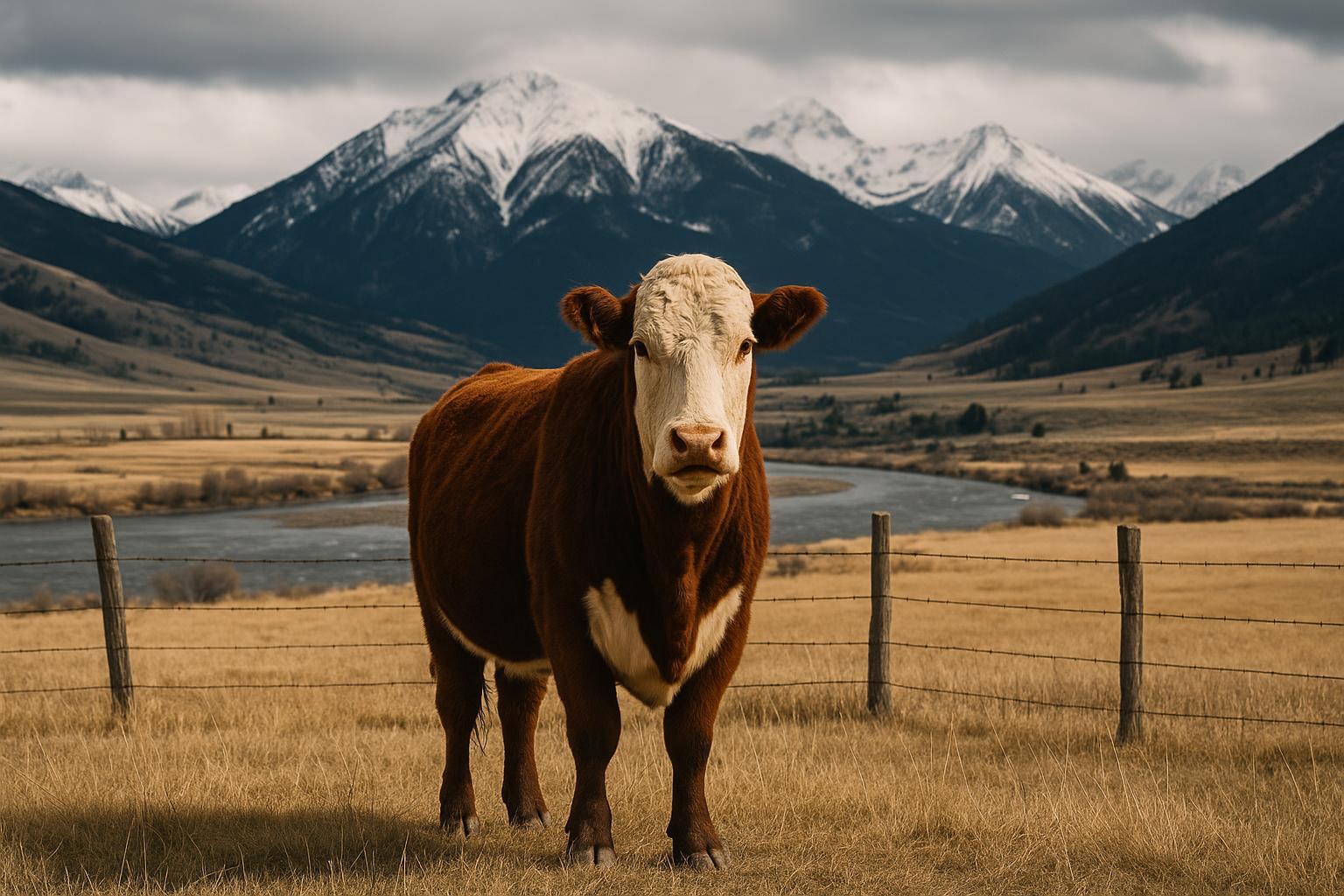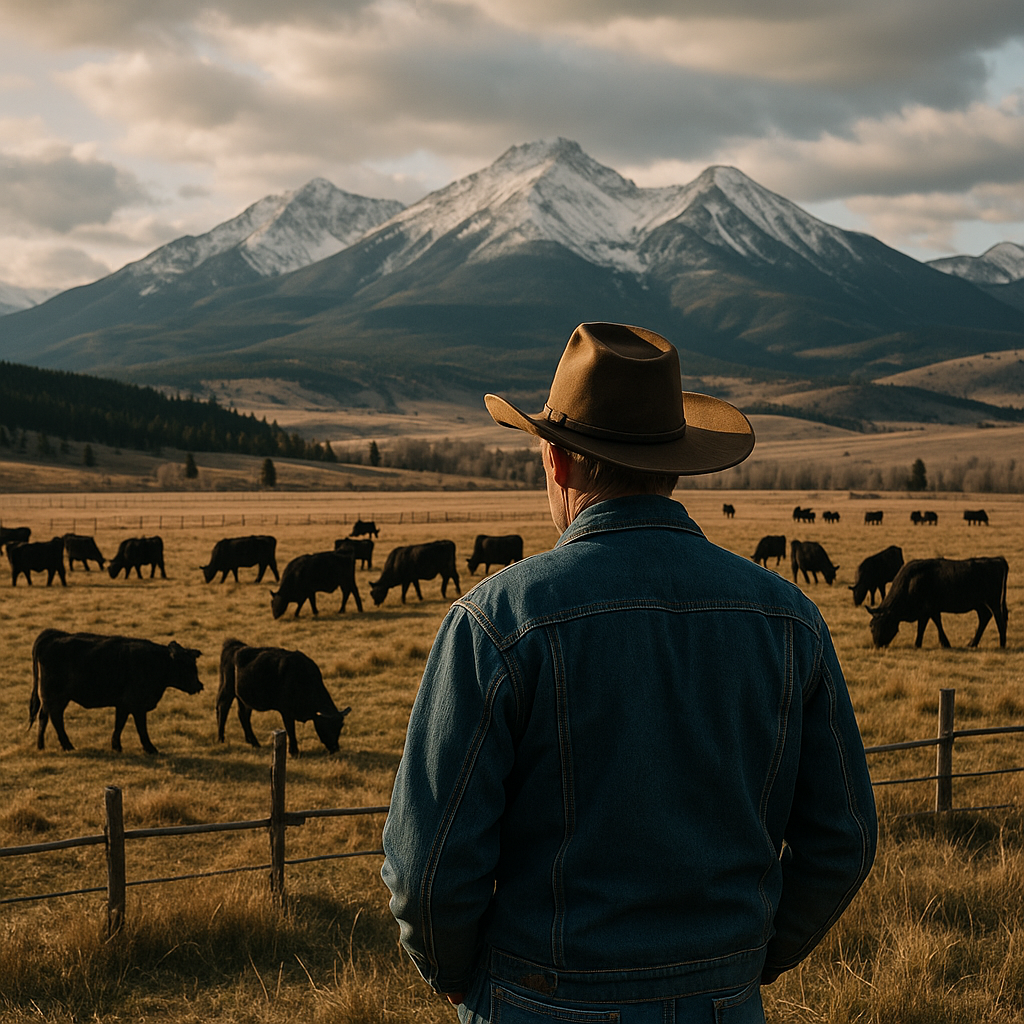
Montana’s working lands are more than scenery—they’re businesses, wildlife habitat, and the backbone of rural communities. Reports from Montana Public Radio indicate a group of ranchers have donated roughly 38,000 acres with the goal of preserving a stewardship legacy and keeping local voices at the center of how the land is managed.
- Quick takeaways:
- Reports indicate the donation totals about 38,000 acres of ranchland.
- The stated aim is to protect stewardship values and keep local influence in land decisions.
- Large land transfers can affect grazing, taxes, access, and wildlife management—even when the land stays “working.”
- For ranch families, the story underscores a growing toolbox: donations, conservation easements, and succession planning.
Big acreage gifts and conservation arrangements aren’t new in Montana, but they’re becoming more visible as land values rise, ownership changes hands, and ranch families look for ways to keep operations intact across generations. The details of any single deal matter—who holds the land, what restrictions apply, and how management decisions get made. Still, the broader trend is worth paying attention to for anyone who runs cows, puts up hay, or depends on open range staying open.
Why a ranch family would donate land in the first place
To folks who’ve fought through drought years, market swings, and equipment bills, the idea of giving away acreage can sound counterintuitive. But ranchland donations—and related tools like conservation easements—often come down to a few practical motivations:
- Keeping the ranch “whole”: Some families use land protection strategies to reduce pressure to subdivide or sell off parcels.
- Long-term stewardship: Ranchers who’ve invested in grass, riparian recovery, fencing, and water systems may want assurances that work won’t be undone by future development.
- Local continuity: In some arrangements, the goal is to keep decision-making anchored in the community rather than shifting to distant owners or purely financial interests.
- Estate and succession realities: Even well-run outfits can face difficult transitions when the next generation can’t buy out siblings or cover estate costs.
Importantly, “donation” can mean different things. Some gifts transfer full ownership to a conservation organization or public entity; others are structured through easements that keep land privately owned but limit subdivision or development. Without the full legal documents in front of you, it’s wise to treat broad summaries cautiously and focus on what’s publicly confirmed.
Working lands and conservation aren’t always opposites
In Montana, the best conservation outcomes often come from working ranches that stay in production. Grazing—when timed and stocked appropriately—can maintain open grasslands, reduce fine fuels in some settings, and keep landscapes from being converted to ranchettes.
That said, the phrase “preserve a legacy” can mean different things depending on who’s speaking. For ranchers, legacy may mean:
- Maintaining the ability to run cattle and put up hay
- Keeping water rights and infrastructure tied to the operation
- Protecting winter range and migration corridors
- Ensuring weeds are controlled and fences are maintained
The nuts-and-bolts questions are the ones that determine whether a conservation-minded land transfer supports a working ranch model or slowly squeezes it.
The questions ranchers should ask about any large land transfer
Whether you’re neighboring a property involved in a big donation, considering an easement, or just trying to understand what’s happening in your county, a few questions help cut through the noise:
- Who owns the land now? A land trust, a public agency, a foundation, or another private party?
- What stays the same? Grazing leases, haying, existing water developments, and access roads.
- What changes? Subdivision rights, building sites, timber management, or public access provisions.
- Who enforces the terms? Easements typically come with monitoring and enforcement responsibilities.
- How are neighbors affected? Fence lines, weed control, shared roads, and livestock drift issues don’t go away because ownership changes.
These are also the questions that matter at the kitchen table. If you’re thinking about a conservation easement or donation as part of succession planning, it’s worth getting clear answers early—ideally with legal and tax professionals who understand agricultural land in Montana.
Local voice: what it can mean on the ground
The reporting around this donation emphasizes “local voices.” In ranch country, that phrase usually points to a few concrete issues:
- Management decisions made nearby: Not just on paper, but in day-to-day choices about grazing rotations, infrastructure repairs, and weed control.
- Community stability: Keeping land in a working state supports local schools, feed stores, mechanics, and seasonal labor.
- Predictable relationships: Neighbors typically want to know who to call when a gate’s down or cattle are in the wrong pasture.
Local control can also intersect with county planning, road maintenance, and emergency response. When large acreages shift into new ownership structures, counties often want clarity on who is responsible for what, and how quickly issues will be addressed.
What this means for Montana
If reports are accurate that 38,000 acres are being donated to protect stewardship and local influence, the story lands in the middle of several statewide pressures:
- Land values and fragmentation: As prices climb, the temptation to split and sell grows—especially near amenity towns and river corridors.
- Ranch succession: More operations are confronting the same question: how do you pass on land without breaking up the base property?
- Wildlife and habitat expectations: Montanans increasingly expect private lands to carry habitat value, even as ranchers shoulder the costs of fences, water, and grazing management.
- Community identity: When ranches become subdivisions, the shift is permanent. When ranches remain intact, there’s at least a chance to keep the local economy and culture tied to agriculture.
For producers, the big takeaway isn’t that every ranch should pursue a donation or easement. It’s that the menu of options is expanding—and those options can shape who owns the land, how it’s managed, and what rural Montana looks like 20 to 50 years from now.
If you’re considering an easement or donation: a practical checklist
Every operation is different, but these steps can help a family evaluate whether a conservation tool fits their goals:
- Write down your non-negotiables: grazing flexibility, building sites, water development, and future enterprise options.
- Run the numbers: consider taxes, debt, and how any agreement might affect borrowing or resale.
- Talk to neighbors: fence, road, and access issues are easier to solve before paperwork is final.
- Ask about monitoring and enforcement: understand what “compliance” looks like in practice.
- Plan for drought and fire: make sure the agreement allows adaptive management when conditions change.
And, as always, get qualified legal and tax advice. A well-meaning conservation arrangement can become a headache if it’s mismatched to how the ranch actually operates.
The bottom line
Montana’s ranchlands are changing hands in bigger chunks and at higher prices than many families can compete with. In that environment, a reported 38,000-acre donation framed around stewardship and local voice is more than a feel-good headline—it’s a signal that ranch families are actively looking for ways to keep land intact and values-based.
Whether that approach becomes more common will depend on how these deals work in real life: whether they keep cattle on grass, keep neighbors talking, and keep rural communities from hollowing out as open land disappears.
Inspiration: “montana ranching” – Google News (link)