Montana’s working landscapes are full of history you can still use: barns that stack hay every summer, irrigation headgates that keep pastures green, and main-street buildings that still house feed stores, cafes, and small-town banks. Reports out of the state Capitol say a new round of historic preservation attention is landing on projects across Montana—ranging from community landmarks to structures tied to the state’s agricultural roots.
While preservation can sound like something meant for museums, in rural Montana it often overlaps with practical needs: safe storage, durable roofs, functional outbuildings, and towns trying to keep businesses open year-round. Below is a look at what the announcement signals, what kinds of projects typically qualify, and why ranchers, horse owners, and ag communities may want to pay attention.
Quick takeaways
- State leaders are spotlighting historic preservation work happening in multiple Montana communities.
- Preservation dollars often flow to “brick-and-mortar” repairs—roofs, foundations, masonry, windows, and safety upgrades.
- Rural projects can include barns, fairgrounds buildings, old schools, depots, and downtown commercial blocks that serve ranch towns.
- Local contractors, sawmills, and trades can benefit when restoration work ramps up.
- Even when a project isn’t agricultural, improvements to a town’s core can support ag by keeping services, jobs, and visitors in the community.
What was announced
According to a state newsroom release highlighted in Google News, Gov. Greg Gianforte is drawing attention to historic preservation projects happening across Montana. The release frames the work as part of a broader effort to protect Montana’s heritage and support communities through restoration and rehabilitation of historic places.
The state’s announcement does not necessarily mean every project is brand-new or fully funded by one program. In many cases, preservation efforts are built from multiple sources—local fundraising, private donations, federal or state grants, and in-kind labor. The key point is that the state is signaling preservation as a priority and elevating examples of projects moving forward.
For readers who want to see the state’s wording and any project list included, the original newsroom item is worth reading directly: State of Montana newsroom item via Google News.
Why preservation shows up in ranch country
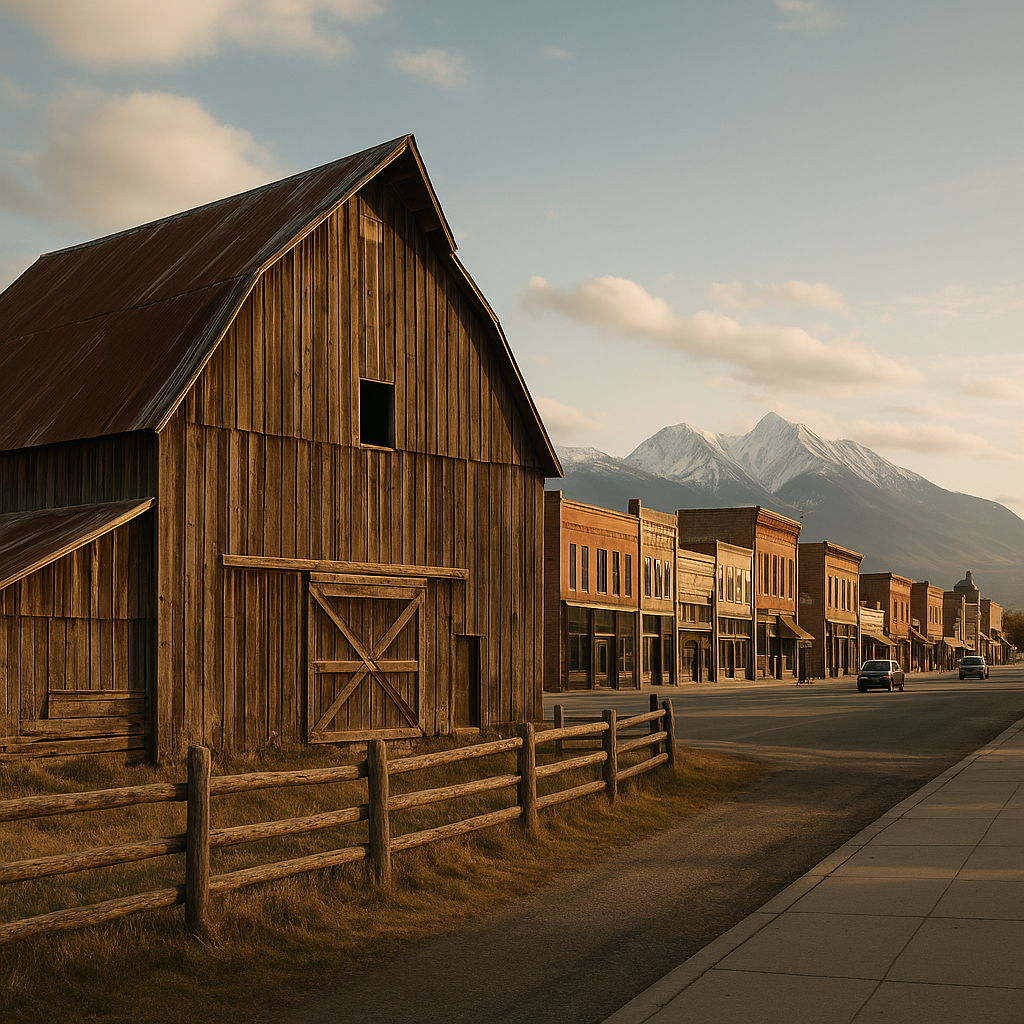
In Montana, “historic” doesn’t always mean fancy. A lot of the buildings that matter to agriculture are plain, tough, and built to work: pole barns, milking barns, sheep sheds, granaries, blacksmith shops, and early fairgrounds structures. Many were built with local timber and local labor, and plenty are still in service.
When those buildings fail, the impacts can be immediate:
- Hay and feed storage: A leaky roof can mean spoiled hay, mold, or unsafe stacking conditions.
- Horse and livestock safety: Sagging rafters, rotted sills, or failing foundations create risk for animals and people.
- Insurance and liability: Deteriorating structures can be hard to insure or may require costly mitigation.
- Community function: Fairgrounds barns, sale yards, and older event buildings help host jackpots, brandings, 4-H, and community gatherings.
Preservation programs—when they fit—can help stabilize these structures. Even if a working barn doesn’t qualify, the same local trades and materials used in restoration often spill over into private ag projects as contractors gear up and suppliers stock up.
What kinds of fixes preservation projects usually cover
Historic preservation isn’t typically about making a place look “new.” It’s more often about making it sound, safe, and usable while keeping original character. In practical terms, projects commonly focus on:
- Roof repair or replacement (often the first and most urgent step)
- Foundation stabilization and drainage improvements
- Masonry repair on brick or stone buildings downtown
- Window and door restoration to improve function and energy performance while keeping the historic look
- Accessibility and safety upgrades when buildings serve the public
For agricultural communities, that can translate into restored fairgrounds buildings, preserved main-street commercial space for ag-adjacent businesses, or protected landmarks that keep a town’s identity intact.
How this can connect to hay, pasture, and livestock operations
At first glance, a preservation announcement might feel distant from day-to-day chores. But Montana agriculture depends on functioning towns and regional services. When a rural community invests in its core buildings and public spaces, it can help keep the local ecosystem alive:
- Workforce stability: Restoration projects can provide steady work for carpenters, welders, masons, electricians, and heavy equipment operators—skills that also support ranch infrastructure.
- Tourism and shoulder-season business: Heritage travel can bring visitors outside peak summer weekends, helping keep restaurants, motels, and fuel stations open—services ranch families rely on, too.
- Local tax base: Occupied downtown buildings and active community sites can support local revenue that funds roads, emergency services, and fairgrounds maintenance.
- Ag culture visibility: Preserved barns, fairgrounds, and community halls keep the story of ranching present, not just in photos.
There’s also a less-discussed benefit: preservation work tends to reward durable materials and good workmanship—values that line up with how Montana producers think about equipment, corrals, and fences. Fix it right, once.
What this means for Montana
For Montana’s ranch towns, the bigger signal is that preservation is being treated as community infrastructure—not just nostalgia. If state leaders keep spotlighting these projects, it can help local groups compete for grants, attract matching dollars, and build momentum with donors and volunteers.
In the long run, successful preservation can:
- Keep small-town main streets occupied and useful, reducing the “hollowing out” that pushes services farther away.
- Protect fairgrounds and community venues that support youth livestock programs, horse events, and local ag traditions.
- Strengthen Montana’s brand as a place where working history is still part of daily life—something visitors come to see and residents are proud to hand down.
It’s also worth noting that preservation can come with tradeoffs. Older buildings can be expensive to fix, and requirements tied to certain funding sources may limit how changes are made. For communities, the best projects tend to be the ones with a clear plan for long-term use—because an empty restored building can slide backward fast in Montana winters.
If your community has an ag-related historic site, here are practical next steps
Not every ranch barn is eligible for formal historic programs, and not every owner wants the strings that can come with designation. But if you’re involved with a fairgrounds board, a local museum, a stockgrowers group, or a community foundation, it may be worth taking a closer look at what’s available.
- Inventory what you have: Age, condition, ownership, and current use matter.
- Document before you repair: Photos and basic history can help later if you pursue grants.
- Start with weatherproofing: A tight roof and good drainage protect everything else.
- Talk to local trades early: Contractors can flag structural issues and help build realistic budgets.
- Coordinate with city/county leaders: Many successful projects blend public and private support.
For readers tracking state-level efforts, keep an eye on future announcements and agency program pages that may outline specific grant cycles, eligibility, and deadlines.
Inspiration: “montana hay” – Google News (link)