Reports from national market outlets indicate soybeans traded higher overnight alongside a sharp move up in crude oil. Montana producers don’t raise many soybeans compared to the Midwest, but the ripple effects can still show up here—through diesel, fertilizer, trucking, and feed ingredient costs.
One overnight session doesn’t make a season. But when energy and oilseed markets move together, it’s often a reminder that input costs and livestock margins can tighten quickly, especially for operations buying feed or shipping cattle long distances.
What Happened in the Markets
Market commentary circulating this morning pointed to two linked moves:
- Crude oil rose sharply in overnight trade, according to reports.
- Soybeans strengthened at the same time, a relationship traders often watch because soybean oil is tied to energy markets through renewable diesel and biodiesel demand.
For Montana, the immediate question isn’t whether you’ll plant beans in the Yellowstone Valley. It’s whether the same forces that lift oil and soy complex prices also lift the costs of getting a crop in, putting hay up, or running a winter feeding program.
For readers who want the baseline data behind U.S. production and inventory trends, USDA’s National Agricultural Statistics Service (NASS) remains the primary source for acreage, yield, and stocks reporting. See USDA NASS for official releases and Montana-specific summaries.
Why Oil and Soybeans Matter in Montana, Even Without Big Bean Acres
Montana agriculture is heavily tied to cattle, hay, and small grains, plus specialty crops in irrigated pockets. But oil and oilseeds still touch almost every balance sheet line:
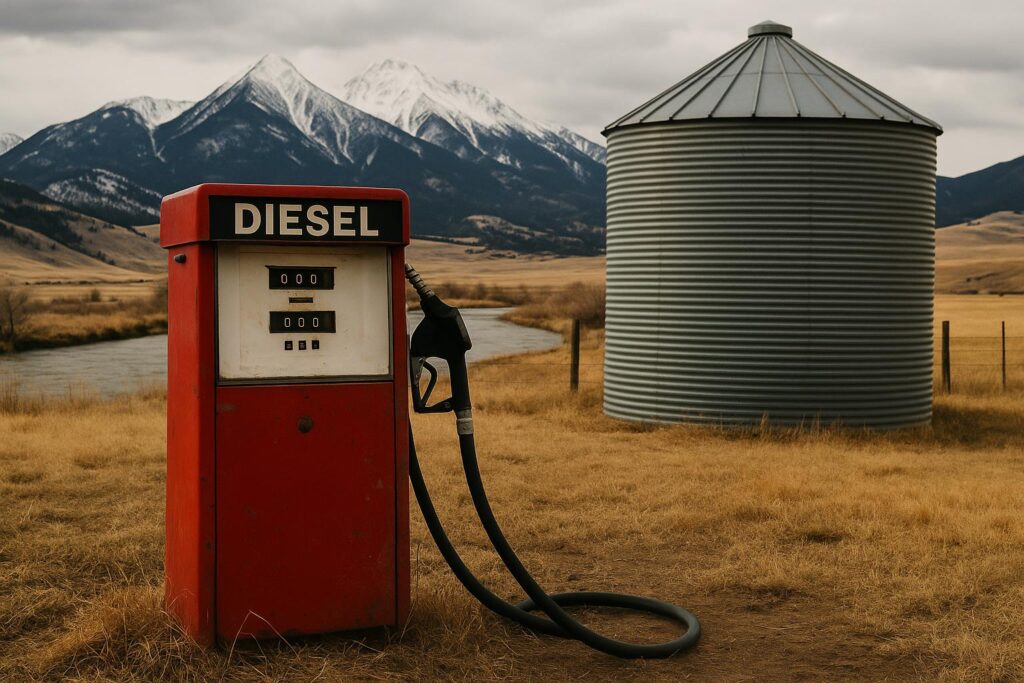
- Diesel and freight: Higher crude often filters into diesel prices. That affects everything from spring fieldwork on the Hi-Line to hauling calves out of the Bitterroot Valley or shipping hay off-farm.
- Fertilizer and chemicals: Many inputs are energy-intensive to manufacture and transport. Energy price spikes can add pressure even if the pass-through takes weeks.
- Feed ingredients: Soybean meal is a key protein source in many rations. Even cow-calf outfits can feel it indirectly through the cost structure at feedlots and dairies that compete for other feeds.
- Renewable fuels policy: When biofuel margins improve, it can support soybean oil values, which can support the broader soy complex. That doesn’t automatically raise Montana prices, but it can influence national feed and freight economics.
In practical terms: if energy stays elevated, Montana producers may see higher operating costs before they see higher prices for what they sell.
Local Montana Angle: Where the Pressure Shows Up First
Different regions will feel the squeeze in different ways:
- Hi-Line: Long distances and heavy equipment hours make diesel a major line item. A sustained run-up can raise per-acre costs quickly for spring tillage, seeding, spraying, and harvest.
- Yellowstone Valley: Irrigated ground adds pumping costs. If energy prices stay firm, electricity and fuel for irrigation and lifting water become a bigger concern, especially during hot spells.
- Gallatin Valley: Mixed operations and higher land costs mean margins can be tighter. Any increase in fertilizer, trucking, or feed can matter, particularly for hay growers selling into horse and dairy markets.
- Flathead Valley: Specialty and mixed farms often rely on trucking for inputs and markets. Freight volatility can hit hard when volumes are smaller and timing is tight.
- Bitterroot Valley: Many ranches depend on purchased inputs for wintering cattle and putting up hay. If diesel and protein feed costs rise together, winter feed budgets can climb fast.
What This Means for Montana Ranchers and Farmers
Here are the practical takeaways if oil strength and firmer soybeans persist beyond a single overnight move:
- Re-check fuel assumptions: If you priced diesel early, confirm your supplier terms and delivery timing. For larger operations, ask what locks or volume discounts are available.
- Watch protein supplement costs: Even if you feed mostly hay, many winter programs use a protein tub, cake, or commodity blend. Soymeal strength can bleed into those prices.
- Hay demand could shift: When protein and grain get more expensive, some buyers lean harder on hay and forage—if quality is there. That can support good alfalfa and tested grass hay, but only if trucking pencils out.
- Basis and freight matter more than futures: Montana producers live on basis. If fuel climbs, freight spreads can widen and local cash bids can lag futures moves, especially for delivered feed and backhauled fertilizer.
- Livestock margins can get pinched: Feedlots and backgrounders watch corn, meal, and fuel. If their costs rise faster than fed-cattle prices, they can bid more cautiously for calves, which can show up in local auction demand.
None of this guarantees higher costs tomorrow. But it’s a reminder that input inflation can return quickly, even when local moisture and forage conditions look favorable.
Where to Find Solid, Non-Rumor Numbers
Market talk moves fast. For producers trying to separate noise from signals, a few steady sources help:
- USDA NASS: Acreage, yield, stocks, and Montana ag statistics: https://www.nass.usda.gov
- USDA AMS: Cash cattle, hay, and grain market reports that reflect real transactions: https://www.ams.usda.gov/market-news
- EIA: Regional fuel price trends and diesel benchmarks: https://www.eia.gov
In Montana, it’s also worth comparing local elevator bids and hay quotes against these national benchmarks to see whether the move is actually reaching our cash markets.
What to Watch Next in Montana Agriculture
Over the next couple of weeks, Montana producers will want to keep an eye on three things that determine whether this was just a blip or the start of a cost trend:
- Diesel follow-through: If crude stays high, watch retail and dyed diesel quotes. Any jump during spring work can change per-acre costs fast.
- Soy complex direction: If soybean meal and soybean oil both strengthen, that’s more likely to impact feed and supplement pricing than a soybean futures move alone.
- Freight and basis shifts: In Montana, transportation is often the hidden market-maker. If freight rates rise, delivered feed costs can jump and local cash bids can soften.
- Hay test premiums: If buyers start chasing quality forage to offset expensive concentrates, tested hay (RFV/RFQ, protein, TDN) may earn a clearer premium—especially in the Gallatin and Yellowstone valleys where dairies and larger buyers are present.
- Cattle buying mood: Watch local sale barns and video auction trends for signs that backgrounders are getting more cautious on bids due to ration costs.
Montana agriculture runs on tight planning windows. If energy markets stay jumpy, the best defense is knowing your input exposure—fuel, freight, and purchased feed—and updating budgets before the busy season locks you into higher costs.
Inspiration: www.nass.usda.gov