Reports out of the southern Plains point to a familiar squeeze: a crop market that’s carrying too much supply at the same time producers are staring down drought risk and uncertain pricing. The specifics are different than what most Montana operations raise, but the business problem is the same one hay growers, grain producers, and cattle feeders deal with here every year—too much product chasing too few buyers, while weather keeps threatening next season’s production.
For Montana, the closest parallels show up in hay and feed: when inventories build, prices soften, and the people who rely on that crop—cow-calf operators, backgrounders, dairies, and horse owners—gain leverage. But if drought tightens production later, the market can flip fast, and the operations that waited too long to lock in feed can get caught.
This is not a prediction that Montana is headed for a glut or a shortage. It’s a reminder that supply cycles and weather risk often collide, and planning has to account for both.
Oversupply Meets Drought Risk: A Pattern Montana Knows
In many commodity markets, oversupply usually means the near-term buyer has the advantage. That can show up as:
- Lower bids for stored product, even if input costs stayed high.
- Tighter quality standards as buyers shop around.
- More storage pressure—bins, stacks, and yards fill up, and holding product costs money.
At the same time, drought risk doesn’t go away just because the market is heavy. In Montana, weather can turn a “comfortable” feed situation into a scramble in a hurry—especially if irrigation water gets limited or dryland production drops.
That push-pull is familiar across the state:
- Hi-Line: Dryland small grains and hay can swing widely with spring moisture and summer heat. When production is good, local prices can soften fast. When it’s not, feed moves long distances at a cost.
- Yellowstone Valley: Irrigated acres add stability, but water supply and delivery timing still matter. A strong crop year can pressure hay prices; a short water year can tighten availability.
- Gallatin Valley: Competition for land and higher operating costs raise the stakes. Producers often need disciplined marketing and cost control to ride out low-price stretches.
- Bitterroot and Flathead valleys: Mixed operations and smaller parcels can mean higher per-ton costs. Local demand helps, but quality and timing still drive what hay or feed is worth.
What’s Actually Driving the Pressure in “Oversupplied” Markets
When a market is described as oversupplied, it usually isn’t just one thing. The common drivers include:
- A run of good production years that built inventories.
- Demand that didn’t grow as fast as expected (livestock numbers, export demand, or processing capacity).
- High interest rates that make carrying inventory more expensive and can slow buying.
- Transportation costs that limit how far product can move before it’s priced out of the market.
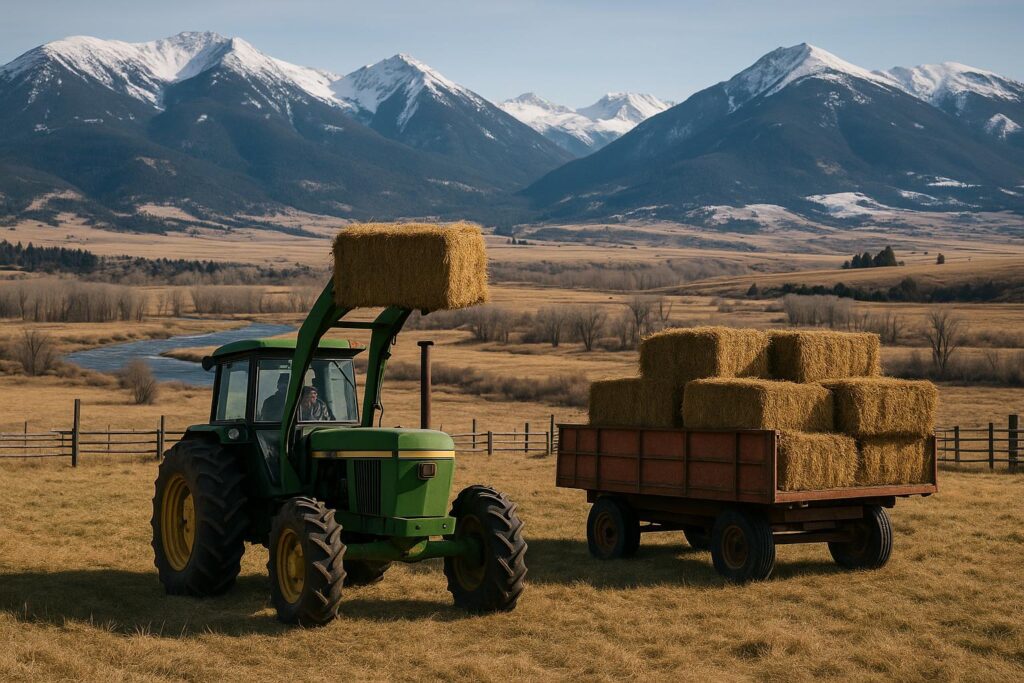
Montana producers see the same dynamic in hay. A big first cutting statewide, plus decent second cutting in key irrigated areas, can create plenty of inventory. If regional cattle numbers don’t expand—or if feedlots and dairies can source cheaper elsewhere—hay sellers feel it. On the flip side, if drought trims production in a neighboring region, Montana hay can move out quickly, and local buyers suddenly compete.
How This Translates to Montana Hay, Feed, and Cattle Decisions
Even without a single “Montana oversupply headline,” the lesson is practical: separate the near-term market from the next-season weather risk. A heavy market today doesn’t guarantee cheap feed later.
Here are a few real-world decision points Montana operations are weighing:
- Hay sellers: Is it better to move hay now at a lower price, or store it and bet on a tighter market later? Storage losses, interest, and quality risk need to pencil out.
- Cattle producers: If hay is reasonably priced now, does it make sense to secure tonnage early—especially for operations that can’t easily destock?
- Backgrounders and feeders: Feed cost is still the big lever. If forage is abundant, it can support heavier placements or longer backgrounding. If drought returns, the same plan can become expensive fast.
- Irrigators: Water outlook drives everything. A market can be soft, but if water allocations or timing look uncertain, production risk goes up.
For official updates on Montana water supply and drought conditions, producers can track U.S. Drought Monitor maps and local NRCS water supply information through USDA-NRCS.
What This Means for Montana Ranchers and Farmers
Montana ranchers and farmers should treat “oversupply” stories as a warning about margins, not a guarantee of cheap inputs or easy marketing.
- Plan for price volatility. If you’re selling hay or feed, expect buyers to be patient when inventories are comfortable. That often means more negotiating on quality, delivery, and terms.
- Know your break-evens. In a heavy market, the operations that understand true per-ton and per-pound costs make better calls on whether to sell now, store, or switch acres.
- Protect forage options. If you’re a cow-calf operator in the Hi-Line or other drought-prone country, keeping flexible grazing plans and backup feed sources matters as much as market timing.
- Watch irrigation risk closely. In places like the Yellowstone Valley, a stable water year can keep hay supplies steady. A short year changes the whole feed picture, even if the market looked soft in spring.
- Don’t assume the market will “fix itself” by fall. Oversupply can linger if demand doesn’t improve. That can affect everything from custom haying rates to what cattle producers are willing to pay for standing forage.
For many Montana operations, the practical takeaway is simple: if you can lock in a feed plan that works at today’s numbers, it may be worth doing—especially if your area has a history of late-summer dryness.
What to Watch Next in Montana Agriculture
Over the next several months, a few signals will matter more than any single headline:
- Moisture and heat trends by region. The Bitterroot and Gallatin valleys can look fine early and then tighten under prolonged heat. The Hi-Line can hinge on timely rains. Track soil moisture and temperature outlooks, not just precipitation totals.
- Irrigation water updates. Pay attention to reservoir levels, runoff forecasts, and delivery schedules. Water timing can affect both yield and quality, especially for alfalfa and grass mixes.
- Hay quality and testing. In a buyer-friendly market, test results can separate hay that moves from hay that sits. Protein, TDN, RFV/RFQ, and nitrate concerns become bigger bargaining points.
- Freight and regional demand. If neighboring states tighten up, Montana hay can move—if trucking costs don’t eat the value. If freight stays high, local markets may remain heavy even when other regions are short.
- Cattle numbers and placement decisions. If more cattle stay in-state for backgrounding because forage is available, that can firm local demand for hay and pasture. If placements drop or cattle move out, demand softens.
Market conditions can change quickly when weather shifts. The operations that keep marketing plans flexible—while staying realistic about costs—tend to come out ahead whether the year ends up tight or heavy.
Inspiration: www.farmprogress.com