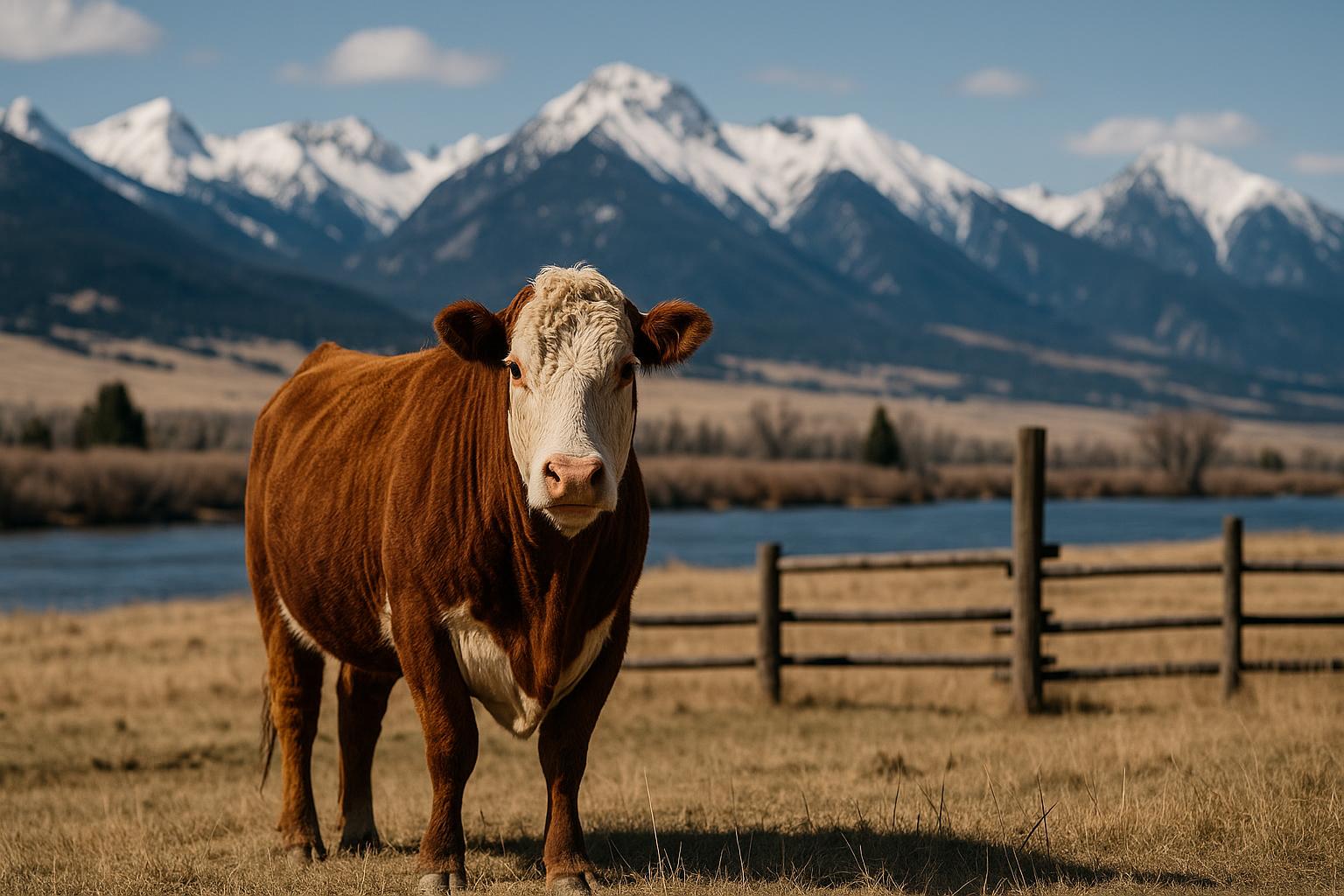
Cattle Futures Firm While Soybeans Slip: What Montana Producers Can Read Into March 24 Closes
Grain and livestock futures finished mixed on Tuesday, March 24, with cattle contracts generally higher while soybeans and soybean meal weakened. Reports indicate May corn settled around $4.62 1/2 (up about 3 cents), May soybeans near $11.55 (down about 8 1/2 cents), and Chicago wheat around $5.90 (up roughly 2 1/4 cents). On the livestock side, April live cattle were slightly higher near $235.37, April feeder cattle were up more decisively near $354.45, and April lean hogs also posted a modest gain near $91.05.
For Montana, the day-to-day futures board doesn’t pay the fuel bill by itself. But it does shape the tone for feeder bids, ration costs, and risk management decisions—especially heading into spring turnout, branding season, and the start of irrigation planning in places like the Yellowstone Valley and the Gallatin Valley.
Mixed Grain Board: Corn Up, Beans Down, Wheat Up
The grain complex sent a split message. Corn was firmer, soybeans and meal were lower, and wheat edged higher.
- Corn: A small gain may not look like much, but corn is still the anchor ingredient for many backgrounding and finishing rations. Even in Montana—where a lot of calves are grass-based longer—corn pricing influences delivered feed costs and what out-of-state yards can afford to pay for Montana-origin calves.
- Soybeans/meal: Lower soybeans and soybean meal can be a quiet positive for protein costs. That matters for operations supplementing cows through late winter/early spring, and for backgrounders using higher-protein rations to keep gains steady when weather swings.
- Wheat: A modest wheat uptick is worth noting in wheat country across the Hi-Line and parts of north-central Montana. Wheat also competes in feed channels at times, so wheat strength can affect regional feed substitution and basis decisions.
Montana producers should keep in mind that futures are not cash prices. Local basis, freight, and the availability of feed ingredients often matter more than a few cents on the board—especially in more remote areas of the Bitterroot Valley or the Flathead Valley where trucking can dominate delivered costs.
Cattle Futures Higher: Supportive Signal for Calf Country
Reports indicate both live cattle and feeder cattle futures closed higher, with feeders showing the stronger move. That’s the piece many Montana ranchers watch first, because feeder futures can influence how aggressively buyers bid on calves and yearlings.
A higher feeder market can reflect several things at once: expectations for feed costs, confidence in downstream fed cattle demand, and the availability (or tightness) of feeder supplies. Montana sits in a position where a lot of calves and yearlings ultimately move to feeding regions out of state, so even when local grass conditions are good, the national feeder tone still matters.
For ranchers in the Yellowstone Valley and along the I-90 corridor, a firmer board can help support the idea that spring and early-summer marketing may have some underlying bid strength—assuming demand and placement conditions hold. For producers in the Hi-Line who market calves into northern channels, the same logic applies, but local auction dynamics and freight to major buyer hubs can widen the spread between futures optimism and cash reality.
Hogs and the Broader Protein Complex
Lean hog futures were also higher, according to the reported close. Montana isn’t a major hog state, but hog prices can still matter indirectly. When pork is strong, it can shift consumer demand across proteins and sometimes supports the overall meat complex. That’s not a guarantee, but it’s part of the backdrop cattle feeders and packers watch.
Why These Moves Matter in Montana Right Now
Late March is when Montana producers start stacking decisions: how hard to push supplementation, whether to background longer, when to lock in fertilizer or chemical for spring crops, and how to plan water use if snowpack or spring moisture looks shaky.
Market signals like Tuesday’s close matter because they can:
- Influence risk management timing: If feeder futures are firming, some ranchers may look harder at price protection tools (like hedges or options) for calves, especially if they’re concerned about drought or pasture performance later.
- Shift ration math: Corn strength combined with cheaper meal can change the cost of gain for backgrounders. In practical terms, that can affect what a buyer can pay for a 550-pound steer in the Gallatin Valley versus what they can pay in a heavier feed-oriented program elsewhere.
- Set the tone for basis negotiations: When futures are moving, local elevators and feed suppliers adjust bids and offers. For wheat growers on the Hi-Line, even small wheat moves can matter if basis is already wide.
For producers watching moisture, remember that market optimism doesn’t fix a dry spring. If drought concerns build in April and May, forage availability and hay pricing can become the bigger driver of cow-calf decisions than any single day’s futures close.
What This Means for Montana Ranchers and Farmers
1) Cow-calf operators: A firmer feeder board is a constructive sign, but it’s not a cash bid. Ranchers should compare futures strength to what local buyers are actually paying at nearby auctions and on video sales. If the board stays supportive, it may improve the odds of steady demand for Montana calves—especially if placement conditions and feedlot margins don’t deteriorate.
2) Backgrounders and stocker operators: The corn/meal split is worth penciling out. If protein costs are easing while energy costs hold firm, it can change how you build rations and what weight targets make sense before grass. In the Yellowstone Valley, where irrigated forage and crop aftermath can factor into fall and winter programs, watch how delivered feed costs move—not just futures.
3) Wheat and grain producers (Hi-Line, Golden Triangle): A small wheat gain doesn’t guarantee stronger cash bids, but it can help stabilize sentiment. If you’re holding old crop or planning new-crop marketing, keep an eye on basis at local elevators and shuttle loaders. In Montana, basis and freight can swing the final check more than a couple cents on the Chicago contract.
4) Hay producers and irrigators (Bitterroot, Gallatin, Yellowstone valleys): Livestock prices and feed costs influence hay demand. If cattle markets stay strong, buyers may be more willing to pay for quality alfalfa and grass hay—assuming drought doesn’t squeeze production. Water outlook and irrigation allocations will be just as important as the futures board in determining how much hay gets put up and what it costs.
What to Watch Next in Montana Agriculture
- Local cash markets vs. futures: Watch whether Montana auction prices and private treaty deals follow the feeder futures tone. If futures rise but cash doesn’t, that’s a signal basis or buyer margins are tightening.
- Delivered feed costs: Corn up and meal down is a mixed bag. Ask your supplier what that does to delivered ration costs in your area—especially in the Flathead Valley and Bitterroot Valley where freight can be a bigger line item.
- Spring moisture and pasture start: If April turns dry, the market conversation can shift fast from “price” to “forage.” Monitor local precipitation, snowpack runoff timing, and how quickly native range greens up.
- Irrigation and water supply signals: In the Yellowstone and Gallatin valleys, pay attention to early season reservoir and streamflow updates that can affect first cutting and aftermath. Water availability can quietly set the ceiling on hay supply.
- Volatility around reports and headlines: Futures can swing on USDA reports, export news, and broader economic signals. Even if you don’t trade, volatility can change the timing of forward contracts and insurance decisions.
Bottom line: Tuesday’s close, as reported, leaned supportive for cattle while sending mixed signals on feed inputs. For Montana producers, the next few weeks of weather and local basis movement will determine whether those futures numbers translate into better checks—or just more noise on the screen.
Inspiration: brownfieldagnews.com