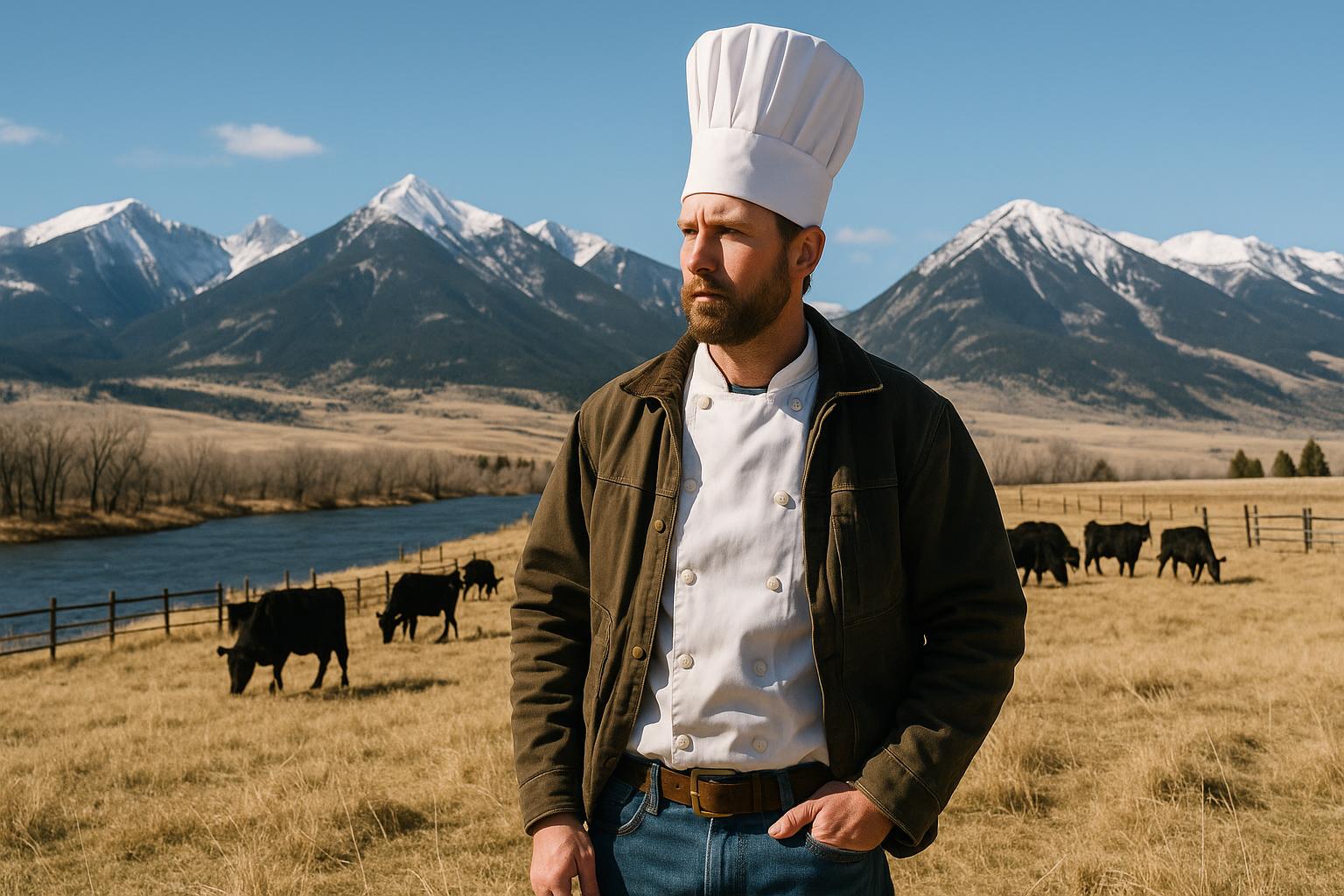
Chefs Push Farm Bill Priorities—Here’s What Montana Producers Should Pay Attention To
Independent restaurant owners and chefs are stepping into the farm bill debate, urging Congress to move a bill that helps farms and ranches handle weather, market volatility, and supply-chain disruptions. Reports indicate groups tied to the restaurant industry say their businesses depend on reliable domestic production—and that production depends on policies that keep farmers viable when drought, floods, and other disasters hit.
That may sound like a conversation happening far from Montana, but the pressure points are familiar here: drought cycles that hammer hay yields, wildfire seasons that disrupt grazing plans, and input costs that don’t always track with cattle and grain prices. When downstream buyers—restaurants included—start lobbying for farm policy, it’s worth paying attention to what they’re asking for and how it could shape programs Montana producers actually use.
What Happened
According to coverage from Brownfield Ag News, representatives connected to chefs and independent restaurants are calling for farm bill priorities that address both environmental and economic risks facing producers. The argument is straightforward: when farms and ranches can’t withstand droughts, floods, fires, and other shocks, food supply gets tighter and more expensive, and restaurants feel it quickly.
Their message to lawmakers appears to center on strengthening the resilience of production agriculture and the supply chain that brings food from the farm gate to the plate. While restaurant voices don’t write the farm bill, they can add political weight—especially around consumer food prices and the survival of small businesses.
Why It Matters in Montana
Montana agriculture runs on thin margins and long distances. A policy shift that improves risk management, conservation incentives, or disaster response can be the difference between holding a cow herd together and selling down, or between putting up enough hay and buying expensive replacement feed.
Consider a few Montana-specific pressure points:
- Drought and hay: In the Hi-Line and parts of Central Montana, dryland hay and small grains can swing hard year to year. In the Bitterroot Valley and Gallatin Valley, irrigated hay depends on water timing and infrastructure. When yields drop, hay prices and trucking costs can spike, and cattle producers feel it immediately.
- Wildfire and grazing disruption: Fire seasons in Western Montana can cut off access to range, force early moves, and reduce forage availability. That can mean more feed, more hauling, and more pressure on already tight labor.
- Irrigation uncertainty: In the Yellowstone Valley and parts of the Flathead Valley, irrigation is a backbone. Water availability, ditch maintenance, and on-farm efficiency investments all intersect with federal conservation and cost-share programs.
- Market volatility: Cattle prices can be strong while costs stay stubbornly high—fuel, repairs, mineral, fencing supplies, and equipment. For grain producers, basis and freight matter as much as futures, and policy decisions can influence insurance tools and lending confidence.
When chefs talk about “farmer viability,” Montana producers can translate that into practical questions: Will disaster programs be funded and workable? Will crop insurance and forage tools fit Northern Plains realities? Will conservation programs be flexible enough for working lands?
Where Farm Bill Priorities Could Touch Montana Operations
Farm bill debates often sound abstract until you connect them to the programs used on Montana ranches and farms. Here are areas that typically matter most:
- Risk management and insurance: Tools like pasture, rangeland, and forage coverage and other insurance options can be critical in drought years. Any changes to premium support, eligibility, or how losses are calculated can shift whether coverage pencils out.
- Conservation and working-lands programs: Programs that help pay for irrigation efficiency, stockwater developments, fencing for grazing management, and soil health practices can reduce risk over time. The key for Montana is flexibility—practices have to work on big acres with variable moisture.
- Disaster response: When drought or wildfire hits, speed matters. If programs are too slow or too complicated, producers may be forced into liquidation before help arrives.
- Supply-chain resilience: Montana’s distance from major markets makes transportation and processing capacity more than a buzzword. Any federal push that affects regional processing, cold storage, or rural infrastructure can influence local basis and marketing options.
Restaurant groups are likely motivated by stable supply and predictable prices. Producers are motivated by survivability and manageable risk. Where those overlap is a policy opportunity—but it depends on what Congress actually writes and funds.
What This Means for Montana Ranchers and Farmers
For Montana producers, the takeaway isn’t that chefs are suddenly running agriculture policy. It’s that more voices are pushing Congress to treat farm resilience as a cost-of-living issue, not just a farm issue. That can change the political math.
Here’s what that could mean on the ground:
- More attention to climate and disaster risk: If lawmakers frame drought, flood, and fire as drivers of food inflation, there may be stronger momentum for funding conservation, insurance, and disaster tools. In the Hi-Line and Yellowstone Valley, that could translate into more support for risk management and water-related investments.
- Pressure for measurable outcomes: When non-farm groups advocate for farm programs, they often want proof the spending stabilizes supply and prices. Producers may see more reporting requirements or program design tied to specific outcomes.
- Potential for new conservation incentives—if designed right: In the Bitterroot and Flathead valleys, where water and land-use pressures can be intense, cost-share that helps keep working lands productive may be welcomed. But rigid rules that don’t fit Montana’s range and irrigation systems could create headaches.
- Marketing and relationship opportunities: Montana producers already sell beef, grains, and specialty products into regional and national channels. Increased restaurant interest in supply-chain stability could support more direct relationships, but only if pricing covers true costs, including freight.
Bottom line: any farm bill that improves drought resilience and keeps insurance and disaster programs functional matters to Montana, even if the loudest advocates aren’t wearing cowboy hats.
What to Watch Next in Montana Agriculture
Farm bill negotiations can drag, and details change fast. Here are practical signposts Montana ranchers and farmers should track over the next several months:
- Whether Congress signals a timeline: Watch for committee markups and public draft text. Delays can mean extensions of existing law, which may keep programs running but can also freeze updates producers have been asking for.
- Changes to drought and forage tools: Keep an eye on any proposed adjustments to pasture/rangeland coverage, eligibility rules, or premium support that could affect participation in Eastern Montana and the Hi-Line.
- Conservation funding and flexibility: Track whether working-lands practices—grazing infrastructure, irrigation efficiency, soil health—are prioritized and whether the rules fit Montana’s scale and variability.
- Disaster program responsiveness: Producers should watch not just funding levels but how quickly aid can be delivered after wildfire, drought, or flooding. Speed and simplicity matter as much as dollars.
- Regional processing and infrastructure talk: Any renewed federal focus on processing capacity, transportation, or rural infrastructure could affect cattle marketing options and basis levels, especially for producers far from major hubs.
Producers who want a Montana lens on federal policy should monitor updates from groups that routinely track the farm bill and USDA programs, including the Montana Farm Bureau Federation and the National Cattlemen’s Beef Association. For Montana drought and water conditions that often drive these policy conversations, the U.S. Drought Monitor (Montana) remains a useful weekly reference point.
Montana producers can’t control what happens in Washington, but they can control how prepared they are: know what programs you use, what changes would help or hurt, and what questions to ask when draft language becomes real.
Inspiration: brownfieldagnews.com