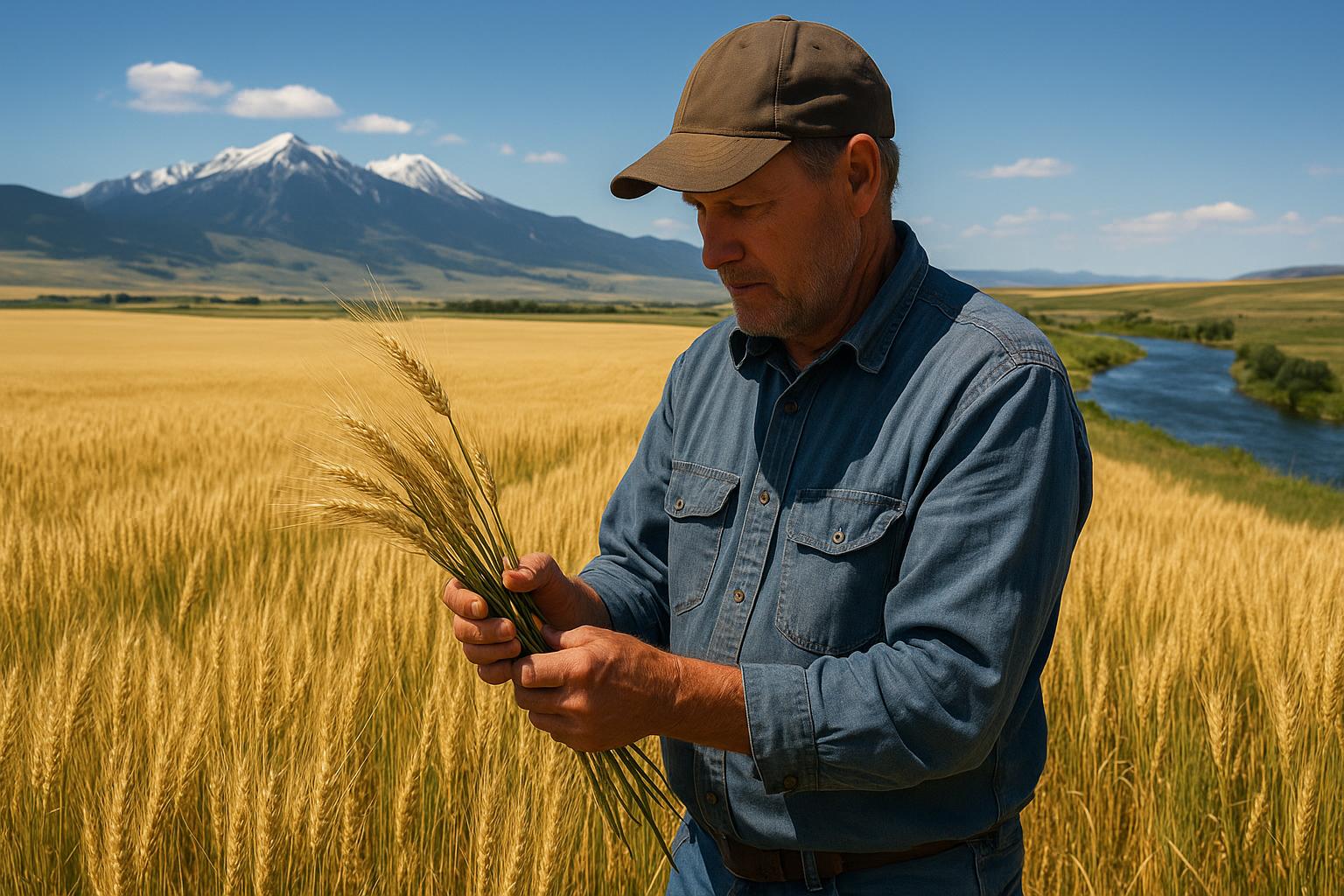
Montana Wheat: Pockets of Promise, Pockets Needing Rain as Spring Conditions Split by Region
Across Montana, the spring wheat picture is shaping up like it often does in a big state: uneven. Reports from producers, agronomists and local observers indicate some areas are carrying decent soil moisture and workable field conditions, while other pockets are watching the sky and hoping the next system actually delivers. That split matters because Montana’s wheat isn’t just a crop—it’s the backbone of many farm cash-flow plans, a key input for local feed needs, and a driver of trucking, storage and seasonal labor.
While national headlines are tracking drought impacts on wheat in other states, Montana growers are dealing with their own version of the same story: a few regions with reasons for cautious optimism, and others where dry subsoil, wind and thin snowpack are keeping everyone on edge.
Mixed Wheat Conditions: Region-by-Region Snapshot
This is not a formal crop survey, and conditions can change quickly. But conversations around elevators, co-ops, and coffee shops point to a familiar theme: variability.
- Hi-Line: In many years the Hi-Line sets the tone for Montana small grains. This spring, some areas appear to have enough surface moisture to get seedbeds ready, while other stretches are still short on subsoil recharge. Where winter precipitation was light and winds have been persistent, producers are watching for stand establishment issues and early-season stress.
- Yellowstone Valley: Dryland acres can look very different from irrigated corners. Where irrigation water is reliable and ground is fit, the outlook can be steadier. On dryland, the question is whether spring rains arrive in time to carry crops through tillering and early heading without forcing yield potential down early.
- Gallatin Valley: Growers here often balance grain with hay and livestock needs. Reports indicate some fields are entering spring with decent carryover moisture, but it’s still early. Cool nights and late storms can delay fieldwork, while a quick warm-up can accelerate evapotranspiration and expose weak moisture profiles.
- Bitterroot Valley: Small grains are part of a broader mix alongside hay and cattle. With a strong reliance on irrigation for many operations, water supply and timing matter as much as rainfall. Producers are watching how fast mountain snowpack translates into usable water and how irrigation districts handle early-season demand.
- Flathead Valley: Conditions can look better on paper when winter moisture is higher, but spring can still turn quickly. If soils stay cold and wet, planting windows can tighten; if it flips warm and windy, topsoil can dry fast. Either way, the first month after seeding often determines stand uniformity.
Bottom line: there are fields that could be set up for a respectable crop, and there are fields that will need timely precipitation soon to avoid a tough year. Montana rarely moves in one direction statewide.
What’s Driving the Variability
Three factors are showing up repeatedly in producer conversations:
- Snowpack and runoff timing: Snowpack affects irrigation reliability and also influences spring moisture in adjacent dryland areas. A good snow year doesn’t always translate to an easy water year if melt timing and reservoir operations don’t cooperate.
- Wind and rapid dry-down: Montana’s spring winds can pull moisture out of the top few inches fast. That affects seedbed quality, emergence, and early weed control decisions.
- Input costs and risk tolerance: Even when crop potential looks fair, producers are weighing fertilizer and chemical decisions against moisture uncertainty. In dry pockets, the question becomes how hard to push yield versus protecting margins.
For growers who seed both winter wheat and spring wheat, winter wheat condition going into stem elongation can be a key early indicator. If winter wheat is already showing stress, spring wheat planning often gets more conservative.
Markets: Wheat Prices, Basis, and What Producers Are Hearing
Wheat markets can swing on global supply, currency moves, and weather scares far from Montana. Locally, what matters is the combination of futures and basis at the elevator. In years with uneven production, basis can widen quickly—especially if protein premiums shift or if rail logistics tighten.
Producers should keep an eye on:
- Protein premiums/discounts: Dry conditions sometimes boost protein but cut yield. Wet finishes can do the opposite. Either scenario changes marketing plans.
- On-farm storage decisions: If quality is uncertain, storing and waiting can be a gamble. If cash-flow is tight, forward contracting a portion may reduce risk—but only if production prospects justify it.
- Feed demand: When pasture or hay looks short, more grain can move into rations. That can support local feed demand, but it also raises competition between selling wheat and feeding it.
For reference on broader conditions and market context, producers often track updates through USDA and Montana-specific reporting, including the USDA NASS data releases and the National Drought Mitigation Center’s Montana drought resources.
What This Means for Montana Ranchers and Farmers
Even if you’re not a dedicated grain operation, this wheat season influences the whole ag economy—especially in mixed operations common in the Yellowstone Valley, Gallatin Valley, and across the Hi-Line.
- Hay and pasture planning: If spring stays dry in parts of the state, first-cut hay yield and regrowth can suffer, and native range may green up late or thin. Ranchers may need to pencil out earlier turnout dates carefully and keep a closer eye on utilization.
- Feed costs and availability: When wheat and other small grains are stressed, some acres may be cut for hay or silage, depending on insurance rules and local demand. That can help feed supplies in a pinch, but quality and nitrates become a management issue, especially after drought stress.
- Irrigation scheduling and water sharing: In valleys where irrigation is central—Bitterroot and parts of the Yellowstone—water timing can determine whether grain fills properly and whether hay gets enough water for a second cutting. Producers should stay in close contact with water users associations and districts.
- Equipment and labor timing: A compressed planting window or a sudden shift to forage harvest can strain labor and machinery. If you’re short a swather, baler, or grain truck capacity, lining up custom work early can prevent expensive delays.
- Cattle markets and drought decisions: If moisture doesn’t show up, the hard decisions come early: stocking rates, replacement heifer retention, and whether to market calves sooner. When many ranchers make the same call, local price pressure can follow.
In short, uneven wheat conditions ripple out into forage, feed, and cattle decisions. The earlier you run the numbers, the more options you keep.
What to Watch Next in Montana Agriculture
- Next 2–4 weeks of precipitation: For many wheat fields, timely moisture around emergence and early vegetative growth is the difference between a crop that can respond to fertility and one that stalls. Watch local forecasts and ground-truth them with what actually hits your gauge.
- Soil moisture and stand counts: Don’t rely on field-edge appearance. Check emergence uniformity, count plants, and note thin knolls. Those areas often dictate yield more than the best spots do.
- Weed pressure and herbicide timing: Dry springs can reduce herbicide performance and increase crop stress. Work with your agronomist to match products and timing to conditions, and avoid spraying into temperature extremes.
- Irrigation allocation updates: If you’re in an irrigated district, track reservoir levels and any allocation announcements. Water timing can matter as much as total water.
- Hay market signals: Watch early hay listings and local auction chatter. If buyers start locking up tonnage early, it can be an early warning that people are nervous about forage supply.
- USDA reports and local elevator bids: Crop progress reports and weekly bids can reveal shifting expectations. If basis starts moving sharply, ask why—quality concerns, transportation, or local supply changes.
Montana agriculture rarely gets a uniform season. The operations that fare best are usually the ones that adjust early—whether that’s changing fertilizer plans, lining up feed, or making conservative stocking decisions before the rest of the market reacts.
Inspiration: www.farmprogress.com