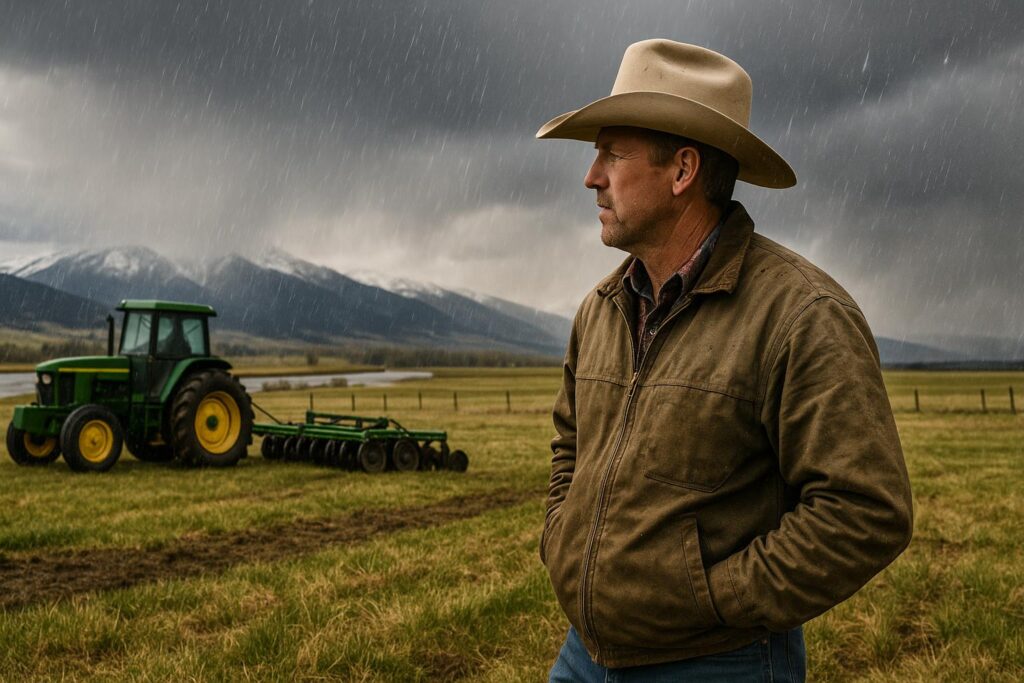
Reports from around Montana suggest spring precipitation has started to do what ranchers and farmers have been waiting on since last fall: put some water back in the top few inches of soil and slow the early-season fire risk. But nobody is calling it “fixed.” The pattern so far looks more like a patchwork of timely showers, late snow, and plenty of wind-driven dry-down between events.
In practical terms, that’s a mixed but welcome setup heading into the early fieldwork window. A little moisture can help small grains germinate, wake up hay ground, and get cool-season pasture moving. Too much at the wrong time can stall equipment, delay fertilizer, and create crusting issues after a hard drying wind. The bigger question for Montana agriculture is whether the next few weeks keep recharging the profile—or whether the state slides back into a stop-and-go moisture pattern that never really fills subsoil.
For producers trying to plan, the best approach is to treat recent moisture as a short-term advantage and keep decisions flexible. If you want a data check beyond what’s in the rain gauge, tools like the U.S. Drought Monitor and NRCS water supply forecasts can help frame how widespread the improvement really is.
Where Montana Is Seeing the Most Benefit
Moisture gains aren’t uniform, and that matters because Montana’s spring work isn’t uniform either. Here’s how producers in a few major regions are describing conditions:
- Gallatin Valley: Intermittent precipitation has helped green-up in some areas, but windy days can pull moisture out fast. Growers are watching soil temperatures closely before pushing hard on seeding.
- Yellowstone Valley: Where showers have been timely, topsoil has improved for early field prep. Irrigators are also watching mountain snow and reservoir trends to gauge later-season water reliability.
- Hi-Line: Any spring moisture is valuable ahead of small grain planting, but the region often needs follow-up events to build subsoil. A good surface recharge can still turn into a dry May without continued precipitation.
- Flathead Valley: Cooler conditions and periodic moisture can support a steady start, though lowland saturation can briefly slow field access. Producers are balancing “go time” with avoiding compaction.
- Bitterroot Valley: Moisture helps pasture and hay ground, but the valley’s spring winds and quick warm-ups can erase gains. Many are watching for consistent nights above freezing before committing to certain operations.
The key point: early moisture is most useful when it’s followed by additional events that keep the seed zone damp and start refilling the deeper profile. Without that, the state can look green in April and still be short by late June.
What Happened — And Why It Matters
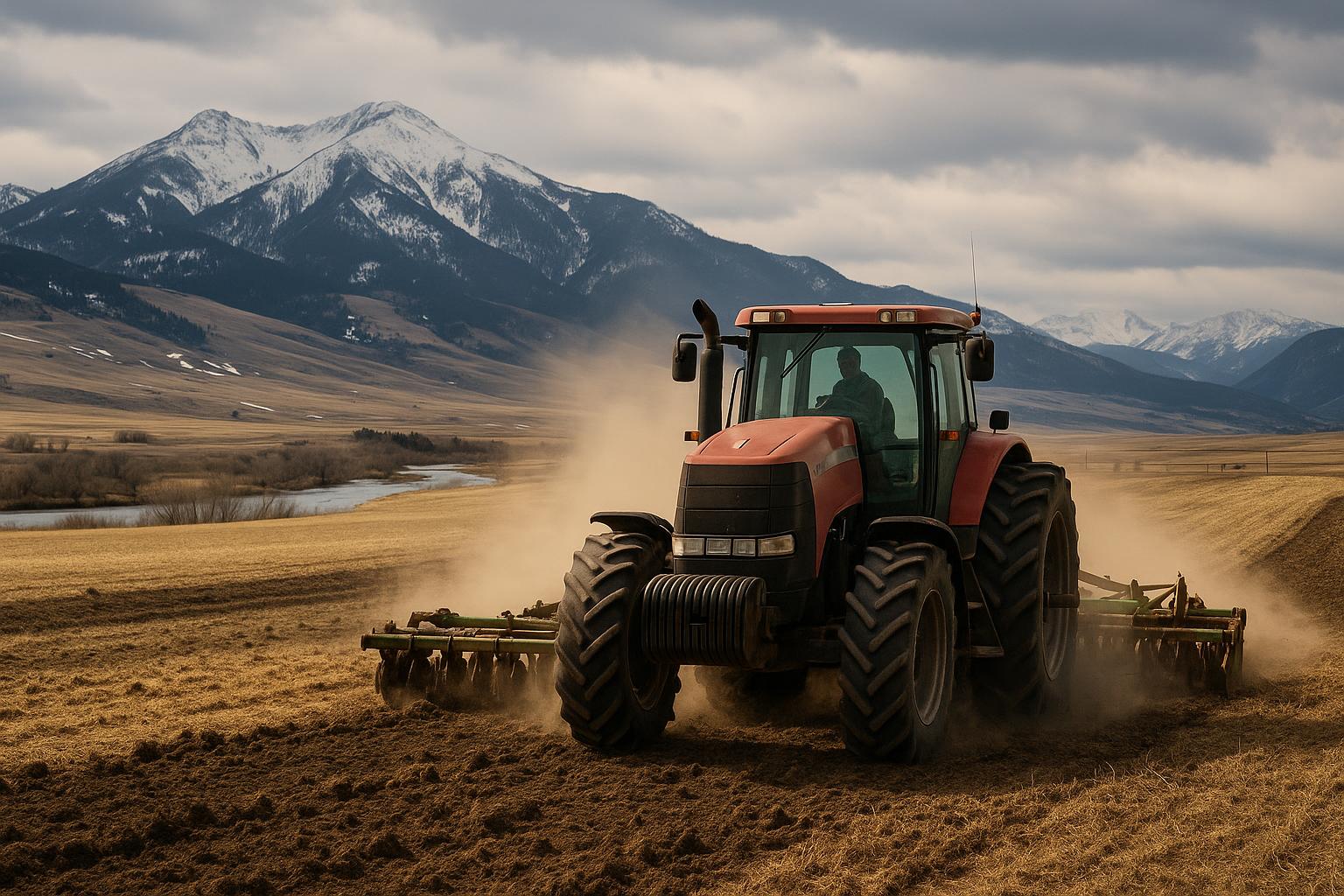
Across parts of Montana, recent rain and late-season mountain snow have improved near-surface soil moisture. That’s the layer that matters first for germination, early root growth, and the initial flush of pasture. It also helps reduce dust during spring tillage and can improve conditions for pre-emergent herbicides where those are used.
Why it matters is simple: moisture timing is often more important than total moisture. A half-inch that lands right before seeding can outperform an inch that comes after the crop is already stressed. For ranchers, a few weeks of improved moisture can mean earlier turnout in some pastures, better stock water reliability in the short run, and more confidence in hay regrowth—assuming temperatures cooperate and the wind doesn’t strip it away.
But Montana agriculture doesn’t run on topsoil alone. If subsoil remains short, crops can still hit a wall when heat arrives. That’s why many producers are treating current conditions as “better than it was” rather than “good.”
How This Could Shape Planting and Early-Season Crop Decisions
Improved soil moisture can influence spring decisions in a few concrete ways:
- Seeding pace: Better moisture can encourage earlier seeding on fields that are fit, especially for small grains. But muddy starts can lead to compaction that costs yield later.
- Stand establishment risk: Moisture in the seed zone reduces the risk of uneven emergence, particularly on lighter soils that dry quickly.
- Fertilizer timing: Some operations may be more comfortable applying nitrogen when there’s enough moisture to move it into the root zone—while still watching for leaching risk in localized wet pockets.
- Weed pressure: Moisture can also wake up early weeds. If fields green up fast, herbicide timing gets tighter.
For dryland producers, the decision often comes down to whether current conditions justify sticking with the original plan or shifting acres. That could mean adjusting small grain vs. pulse acres, changing seeding rates, or selecting varieties with different maturity or drought tolerance. None of those choices are one-size-fits-all across the Hi-Line, the Yellowstone Valley, and western valleys.
Livestock: Pasture Starts, Hay Ground, and Market Reality
On the ranch side, moisture matters first for grass. If cool-season species get an early push, that can buy flexibility—either by allowing earlier turnout in some places or by reducing pressure on hay stacks and supplement programs.
But ranchers know the trap: early green-up can tempt early grazing, and then a cold snap or dry stretch sets the pasture back. The better play is to watch actual growth and soil moisture, not just color. In many Montana pastures, the most important growth window is still ahead.
Hay producers are also watching the moisture profile. A decent start helps first cutting potential, but hay yield is typically decided by May and June moisture. If the state turns dry later, the first cutting can be fine while the second and third cuttings disappoint—especially on ground without reliable irrigation water.
Markets remain part of the conversation. When moisture improves, it can reduce immediate liquidation pressure. When it doesn’t, the opposite happens: more cattle move, and local markets feel it. Even with better moisture, input costs and forage availability will continue to shape decisions on stocking rates and replacement heifers.
What This Means for Montana Ranchers and Farmers
For Montana operations, the practical takeaway is cautious optimism with a hard eye on follow-through moisture.
- Short-term opportunity: Improved topsoil moisture can support more uniform stands, better early pasture growth, and less dust and stress during spring work.
- Don’t assume subsoil is fixed: Many areas need repeated storms to rebuild deeper moisture. Without that, dryland crops can still face mid-season stress.
- Irrigators should track supply early: Mountain snowpack and reservoir trends will matter more than a few low-elevation rain events. Keep an eye on NRCS forecasts and local ditch company updates.
- Plan for wind and temperature swings: Montana can lose moisture quickly. A warm, windy week can undo a good rain, especially on tilled ground and lighter soils.
Regionally, it also means producers may not move in lockstep. The Bitterroot Valley might be watching wind and frost timing while parts of the Yellowstone Valley focus on irrigation scheduling and field access. The Hi-Line may be balancing seeding progress with the need for the next system to keep germination on track.
What to Watch Next in Montana Agriculture
The next few weeks will tell producers whether this spring moisture is the start of a trend or just a brief improvement. Here’s what to monitor:
- Follow-up precipitation frequency: One storm helps. Two or three spaced events start to rebuild confidence—especially for dryland acres.
- Soil temperature and emergence conditions: Cold soils can slow germination and increase disease risk. Warm soils plus wind can dry the seed zone fast.
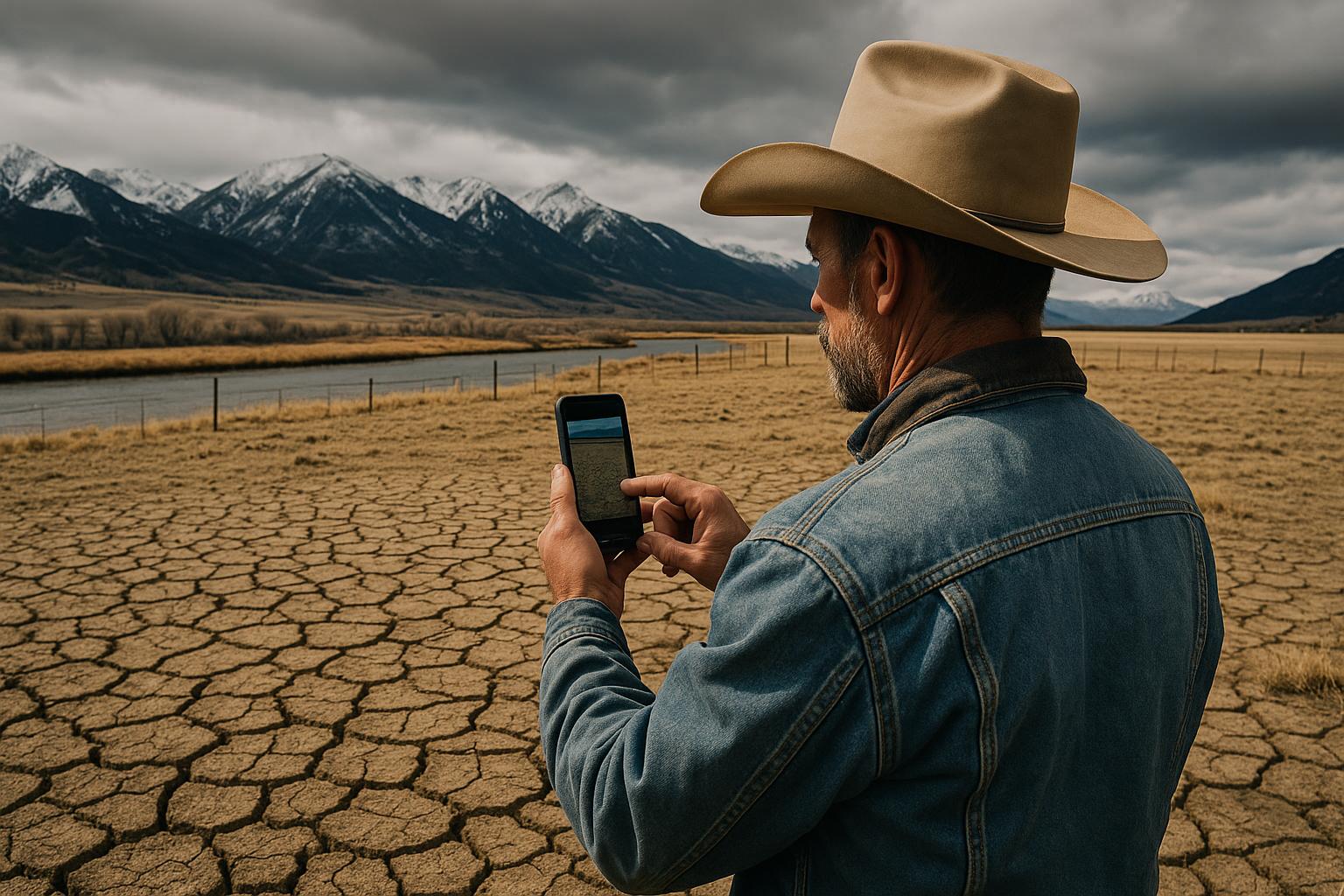
- Subsoil indicators: Probe fields, check moisture deeper than the surface, and compare notes with neighbors. Surface conditions can be misleading.
- Irrigation allocation signals: Watch for early announcements from water managers, reservoir storage updates, and any restrictions that could affect first irrigation timing.
- Pasture readiness: Track actual growth, not just green color. Early grazing decisions can have season-long consequences.
- Input and cattle price signals: Moisture affects marketing behavior. If conditions improve broadly, fewer forced sales can change local supply dynamics.
Montana spring is rarely straightforward. But better moisture now is still meaningful—especially if producers use it to set up fields and grazing plans for resilience, not just speed.
Inspiration: brownfieldagnews.com