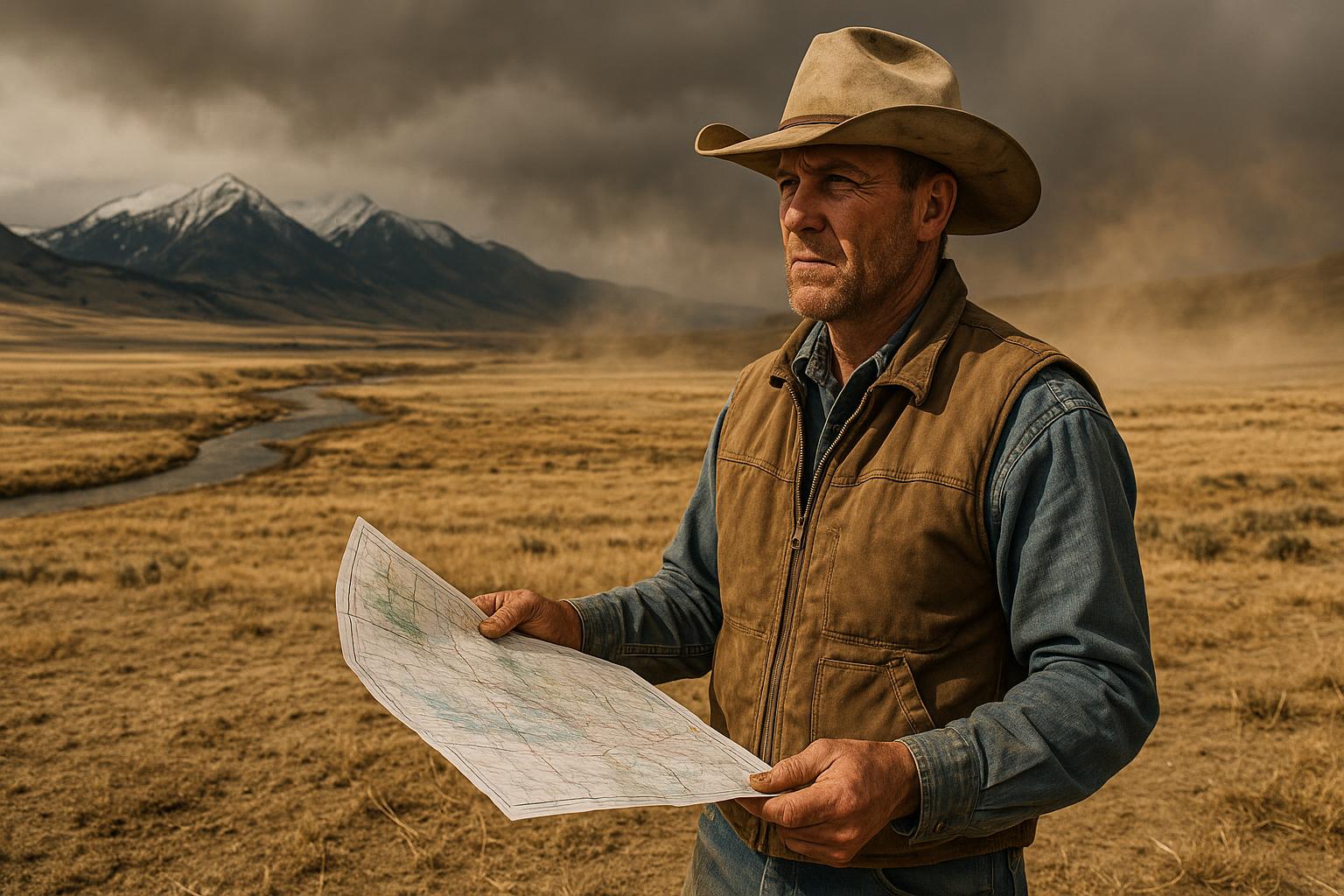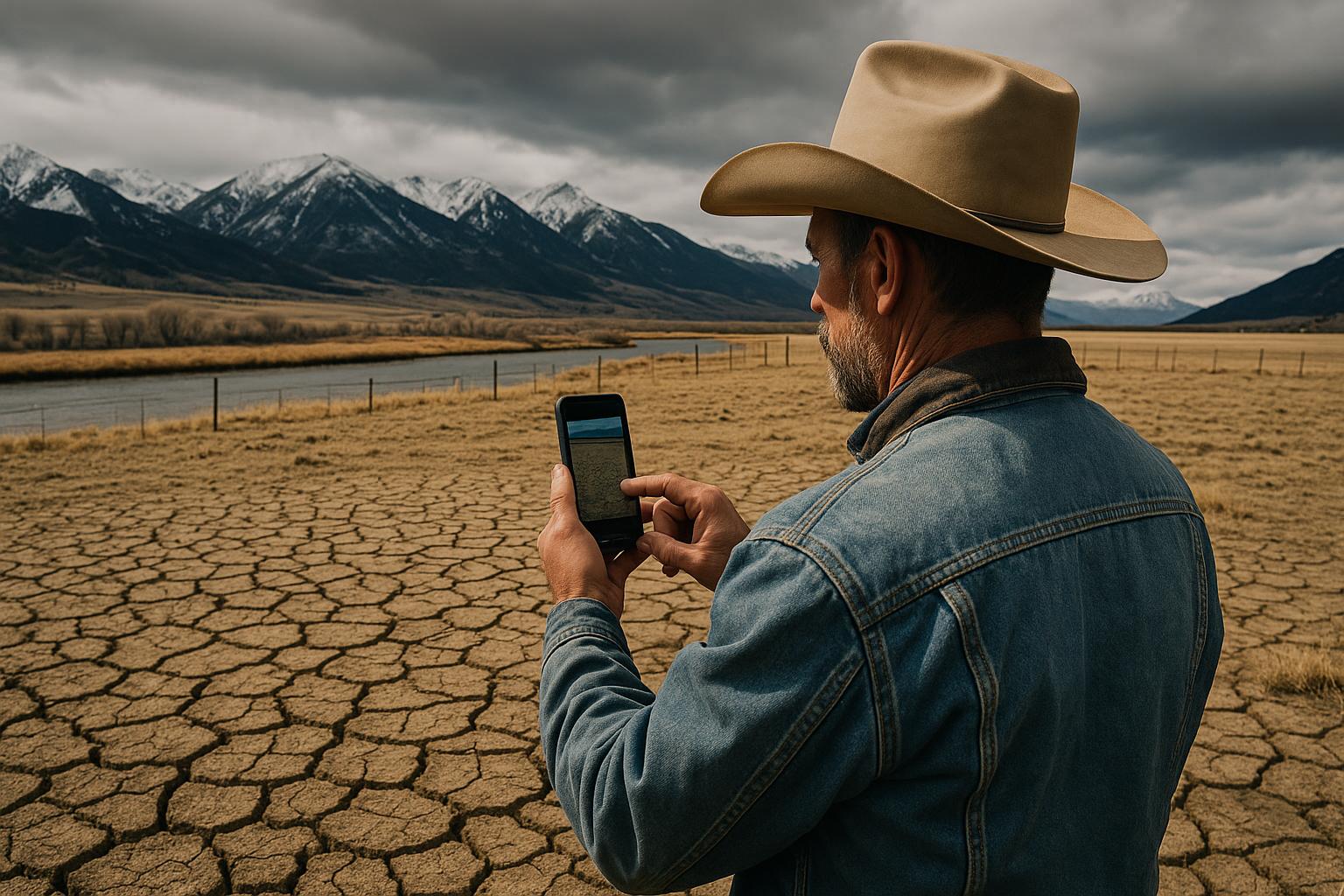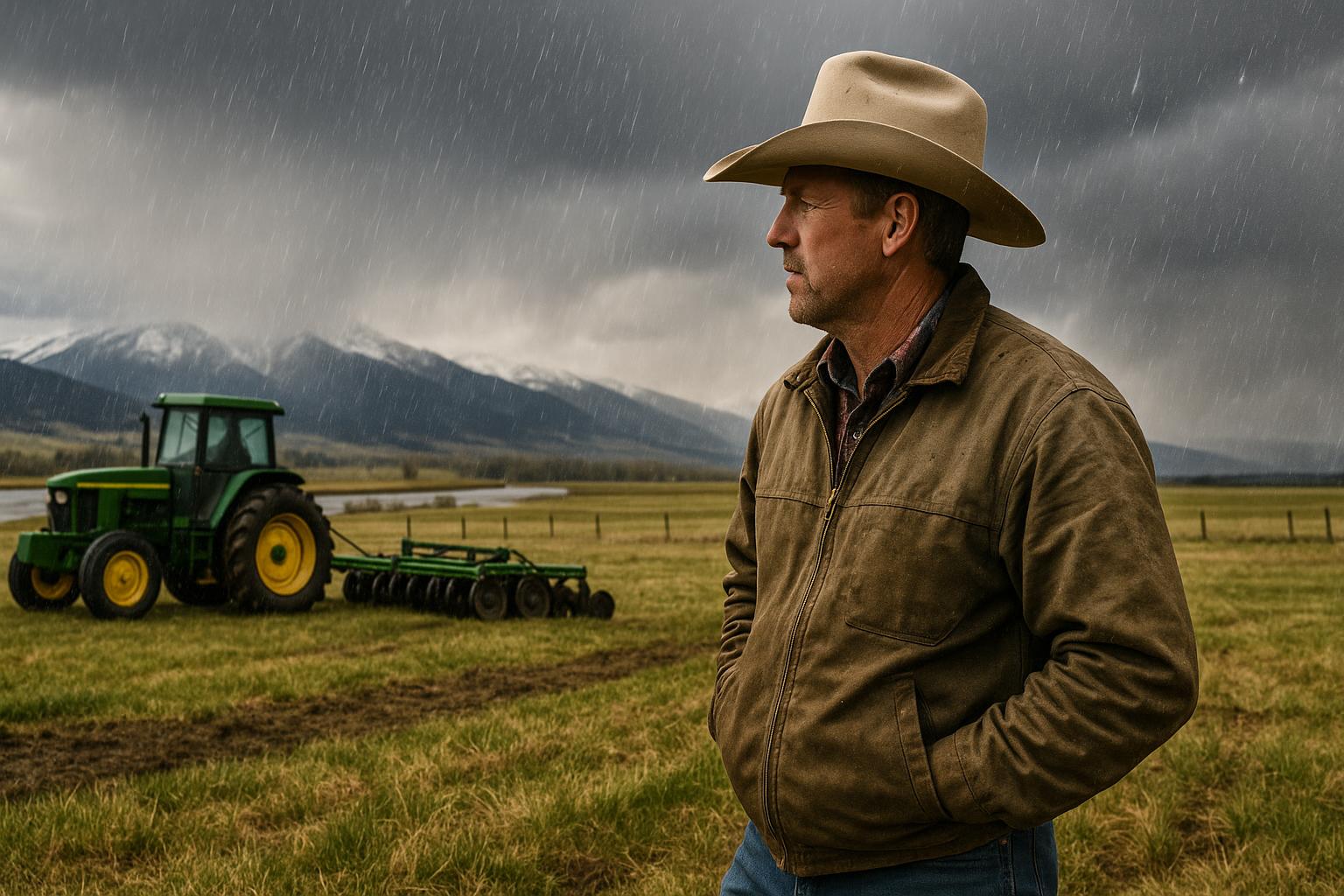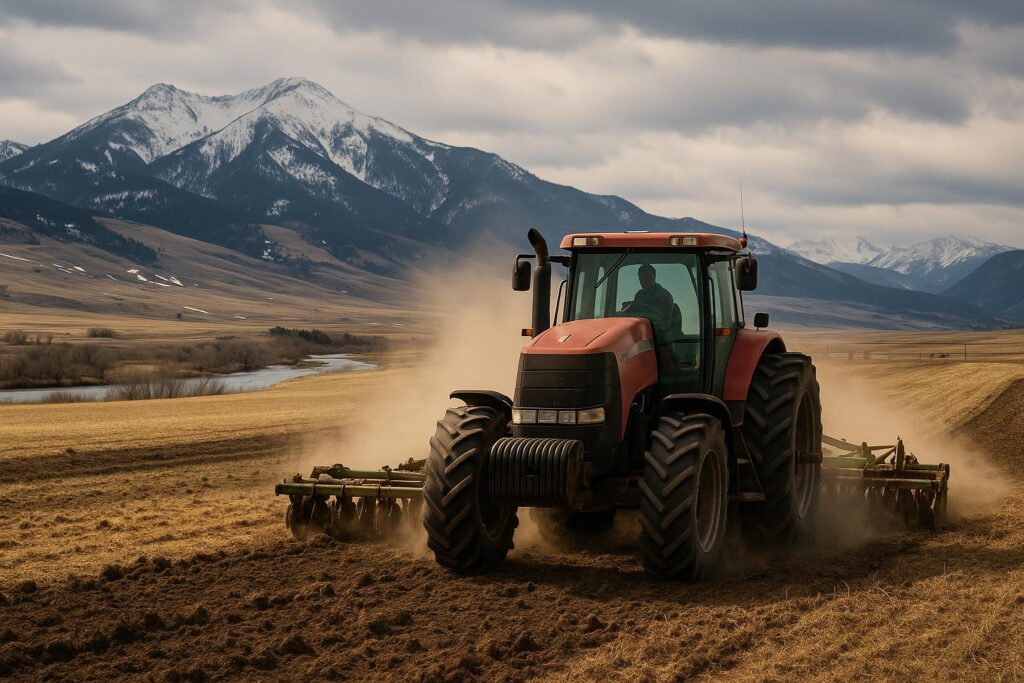
Reports from ag meteorologists in the central U.S. are pointing to a spring pattern that leans warmer into late spring and early summer, while precipitation confidence remains lower. That kind of setup matters in Montana, where a few weeks of warmth can speed up fieldwork and green-up—but without follow-through moisture, drought stress can show up fast in dryland crops, hay stands, and rangeland.
Montana’s spring doesn’t behave like the Corn Belt, and nobody should assume a Midwest outlook translates one-for-one to the Northern Rockies. Still, the broader pattern—warmer probabilities with a less certain moisture signal—fits what many producers have seen before: early season progress followed by a scramble if rains don’t materialize.
For producers making decisions right now, the key is separating what’s fairly consistent in outlooks (temperature leaning warmer) from what’s still a coin flip (timing and coverage of meaningful precipitation). That difference affects everything from seeding pace in the Gallatin Valley to irrigation scheduling in the Yellowstone Valley and turnout decisions on the Hi-Line.
Warmer Spring Signal: Faster Starts, Earlier Stress Risk
When extended forecasts lean warmer, it often translates into:
- Earlier field access in areas that can dry out quickly—helpful for spring wheat, barley, pulse crops, and sugar beet ground prep.
- Quicker pasture green-up in lower elevations like parts of the Bitterroot Valley and Yellowstone Valley—sometimes tempting earlier turnout.
- Higher evaporative demand (more moisture pulled from soils and plants), which can quietly erase subsoil reserves if winds pick up and humidity stays low.
Warmth can be a gift if it comes with timely precipitation. Warmth without moisture is where problems begin: stand establishment gets uneven, hay regrowth slows after first cutting, and stockwater and small reservoirs stop “catching up” from winter.
Montana producers have also learned that a warm spring doesn’t eliminate frost risk. A fast warm-up can push crops and alfalfa ahead, then a cold snap can do damage. That’s especially relevant in valleys where cold air drainage is common, including parts of the Flathead Valley and Gallatin Valley.
Precipitation Uncertainty: The Real Driver of Drought Outcomes
Long-range outlooks typically carry more confidence on temperature than precipitation. That’s why many forecasters will describe precipitation as “no clear signal” or “mixed.” For Montana, that uncertainty is not academic—it’s the difference between:
- Dryland cereal crops tillering and holding yield potential versus burning up early.
- Hay yields meeting local demand versus a repeat of tight supplies and high-priced freight.
- Irrigation districts delivering a normal season versus rationing water or shortening rotations.
Producers should keep an eye on where moisture shows up, not just how much. A half-inch spread over two events can be more valuable than one big rain that runs off frozen or crusted ground. In the Hi-Line and other wind-prone areas, light rains can disappear quickly if conditions turn hot and breezy.
For a baseline on drought conditions and trends, producers can monitor the U.S. Drought Monitor (Montana). For short-term precipitation and soil moisture indicators, NOAA’s Climate Prediction Center and local National Weather Service forecast discussions can provide context on incoming systems and confidence levels.
Regional Notes: What Producers Are Talking About
Conditions can swing widely across Montana in the same week. Here are practical, region-specific angles producers are weighing as spring progresses:
- Hi-Line: Dryland small grains and pasture depend heavily on spring rains. A warmer trend can speed emergence, but it can also accelerate depletion of topsoil moisture. Watch wind events and how quickly surface soils crust after small showers.
- Yellowstone Valley: Irrigated acres often look better early, but water supply and delivery timing still matter. Warmer weather can increase early irrigation demand and raise the stakes for canal maintenance and pump readiness.
- Gallatin Valley: Producers often juggle wet spots and late frosts. A warm April can open fieldwork windows, but it can also create “false spring” pressure on alfalfa and winter wheat if a cold snap follows.
- Bitterroot Valley: Earlier green-up can help calving and early grazing plans, but it can also lead to overgrazing if grass growth stalls later. Watch stockwater sources and the pace of snowmelt in foothill drainages.
- Flathead Valley: Moisture can be better than points east, but soils can stay cold and heavy. Warm spells help, yet compaction risks rise if producers push too early on marginal ground.
Market and Management Angle: Feed, Forage, and Cattle Decisions
Weather outlooks don’t just steer planters—they steer markets and management. If drought concerns linger, hay buyers and cattle producers start doing math early:
- Hay pricing and availability: When spring moisture is uncertain, some buyers lock in tonnage sooner. That can firm prices even before first cutting, especially for dairy-quality alfalfa and tested grass hay.
- Grazing plans: Warm early conditions can encourage early turnout, but if May and June turn dry, pastures can be set back for the entire season. Many range managers prefer to protect root reserves early and use sacrifice areas if needed.
- Cattle marketing: If forage looks questionable, some operators consider earlier culling, backgrounding adjustments, or flexible marketing dates. It’s not a forecast-driven panic move—more of a risk-management posture.
On the equipment side, a warmer, earlier spring can also pull more hours forward. That’s good for getting acres covered, but it increases the penalty for breakdowns. It’s the time of year when parts availability and shop scheduling matter as much as the weather.
What This Means for Montana Ranchers and Farmers
For Montana operations, the combination of a warmer-leaning spring outlook and uncertain precipitation points to one main takeaway: be ready to move quickly when conditions are right, but don’t spend moisture you don’t have.
- Dryland crop producers: Prioritize seeding into moisture and aim for uniform emergence over calendar-driven planting. If topsoil moisture is marginal, consider whether a short delay improves odds—or whether it just increases evaporation and risk.
- Hay growers: Track soil moisture and stand vigor now. Early warmth can push growth, but cutting decisions should still protect regrowth potential if moisture turns short. If you rely on irrigation, confirm water delivery expectations and check pumps, pivots, and headgates early.
- Ranchers: Use early green-up carefully. If you turn out early, consider shorter graze periods and longer rest to avoid setting back key pastures. Keep an eye on stockwater and be realistic about how fast range can recover if May/June precipitation misses.
- Everyone: Keep frost risk in the plan. Warm spells can be followed by damaging cold nights—especially in valley bottoms and sheltered fields.
None of this guarantees a drought outcome. But it does suggest that moisture timing—not just totals—will decide whether 2026 feels like a smooth start or a stressful pivot.
What to Watch Next in Montana Agriculture
- Two-week precipitation setups: Watch whether storms arrive as widespread soakers or isolated cells. The difference is huge for dryland acres on the Hi-Line and central Montana benches.
- Mountain snowpack and runoff timing: Irrigators should follow basin updates and district communications. Earlier melt can shift runoff earlier, which can complicate storage and late-season supply.
- Soil temperature and emergence pace: Warm air doesn’t always mean warm soils. Monitor seedbed conditions to avoid uneven stands and replant risk.
- Wind and humidity: A warm, windy pattern can pull moisture out fast and raise wildfire concerns that affect grazing access and public land plans.
- First cutting outlook: By late May into June, hay markets start reacting to real yield signals. If stands look short early, expect more phone calls and more interest in contracted tonnage.
Montana producers can’t control the forecast, but they can control readiness: equipment, seed and fertilizer logistics, water systems, and flexible grazing plans. With warmth favored and precipitation still uncertain, the operations that do best are usually the ones that can adjust quickly as the next few systems either deliver—or don’t.
Inspiration: www.agweb.com