Short-stature corn isn’t a new idea in plant breeding, but it’s getting fresh attention after reports from the 2026 Commodity Classic that Bayer’s “Preceon Smart Corn” system is performing well in field settings and may offer management advantages over conventional-height hybrids. For Montana producers, the question isn’t whether it’s flashy—it’s whether it pencils out under our mix of water limits, wind, short growing seasons, and tight labor.
Montana corn acres aren’t on the scale of Iowa, but corn matters here: as silage for dairies and cattle operations, as grain for feed and ethanol markets, and as a rotation tool in irrigated valleys. If shorter corn can truly improve standability, sprayer access, and input timing, it could influence how growers manage both irrigated corn in the Yellowstone and Gallatin valleys and feed production tied to ranch country across the state.
What’s Being Reported About Short-Stature Corn
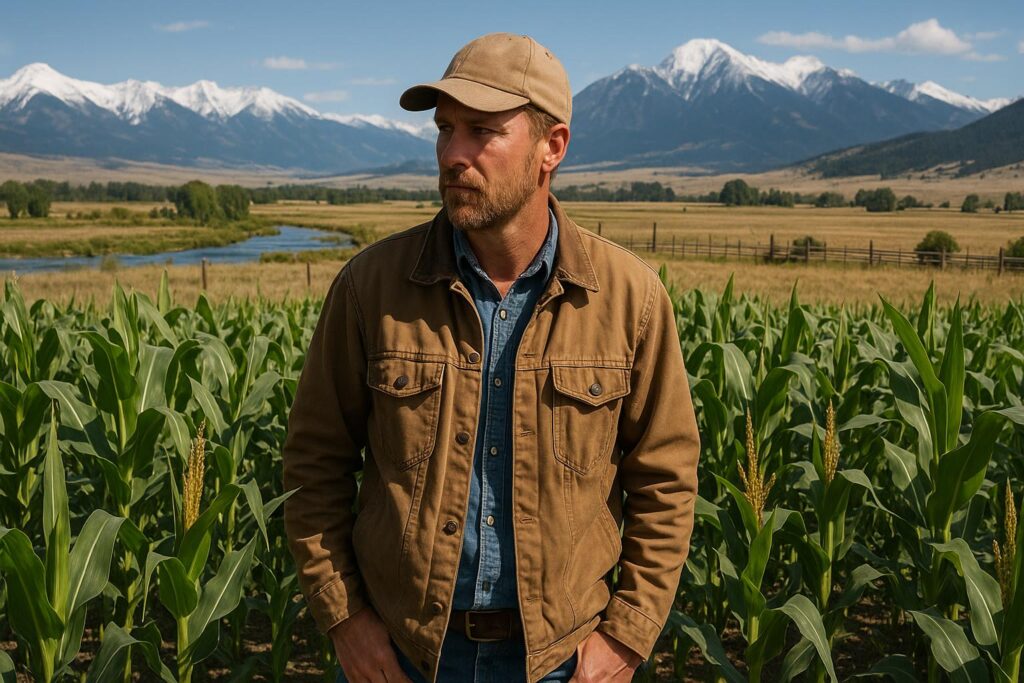
At Commodity Classic, Bayer representatives said their short-stature corn system is showing strong performance and that the reduced plant height can create practical benefits in-season. Public details remain limited, and Montana-specific trial results are not widely published, but the concept is straightforward: a shorter plant with a lower center of gravity may reduce lodging risk and could allow equipment passes later in the season.
In other regions, proponents have pointed to potential advantages such as:
- Improved standability during wind events and storms.
- More flexibility for late-season applications (depending on label and local agronomy), because a sprayer may navigate the canopy more easily.
- Easier scouting and field access for agronomists and operators.
- Potentially different water and nutrient management strategies if plant architecture changes how the crop uses resources.
None of that automatically guarantees higher yields or better margins in Montana. But it does raise a practical question for producers who fight lodging, uneven irrigation, and weed escapes: does a shorter crop create new management options that reduce risk?
Why Montana Producers Are Paying Attention
Montana’s corn story is often tied to irrigation and livestock. In the Yellowstone Valley, corn acres can be an important piece of feed supply and a rotation that supports sugar beets, small grains, and alfalfa. In the Gallatin Valley, corn silage can be part of dairy and cattle rations, while also competing with high-value hay ground. In the Flathead and Bitterroot valleys, corn is more situational, but producers still watch new traits and systems that could improve reliability where weather can turn quickly.
Short-stature corn is getting attention here for three main reasons:
- Wind and lodging risk: The Hi-Line and open valley bottoms can see strong wind events. Lodging isn’t just a yield hit—it slows harvest, increases header loss, and can push harvest into worse weather.
- Water management under pressure: With recurring drought concerns and irrigation constraints, any system that claims better efficiency will get a look. Even if water use doesn’t drop, a crop that tolerates stress better could stabilize yields.
- Labor and timing: Montana farms often run lean crews. If plant height and architecture allow more timely passes for nutrients or crop protection, that could reduce last-minute scrambling.
Still, the biggest driver will be economics: seed cost, trait package fit, and whether the system performs in Montana’s shorter season and cooler nights.
Potential Fit in Key Montana Regions
Yellowstone Valley: Irrigated corn for grain and silage is common, and lodging can be a real harvest headache in stormy years. A shorter plant could be attractive if it holds ears and stands through late-summer weather. Growers will want to see how it handles local heat units and whether it matches or beats current hybrids on yield and test weight.
Gallatin Valley: Corn silage quality and tonnage matter as much as grain yield. If short-stature hybrids maintain forage quality and standability, they could interest dairies and feed producers—especially if equipment access improves for late-season management.
Hi-Line: Corn is more limited and often riskier due to heat-unit constraints and variable moisture. Short stature alone won’t solve maturity challenges. If this system comes with hybrids that fit northern Montana’s season, it could become part of the conversation, but that’s a big “if.”
Flathead and Bitterroot valleys: Corn acres are generally smaller and often tied to specific feed needs. Here, the question is whether the system adds enough reliability to justify switching from established silage or feed options like small grains and high-quality hay.
Questions Montana Growers Should Ask Before Getting Excited
New seed systems can look great in national updates, but Montana conditions have a way of sorting out what’s real. Before committing acres, growers should push for straight answers on:
- Local trial data: Are there replicated trials in Montana or nearby climates? Not just demo plots, but side-by-side comparisons.
- Maturity and heat units: What relative maturity range is available, and how does it fit your planting window and frost risk?
- Yield stability: Does the system hold yield under water stress, or does it require top-end management to shine?
- Trait package and weed program fit: What herbicide and insect traits are included, and how do they integrate with resistance management?
- Harvest logistics: Any changes needed in header settings, silage chopping, or grain harvest timing?
Montana producers also need to watch for the fine print: seed availability, stewardship requirements, and whether the system is positioned as a premium product with premium pricing.
What This Means for Montana Ranchers and Farmers
For ranchers, the impact is mostly indirect—but it could still matter. If short-stature corn improves standability and harvest efficiency, it could stabilize silage and grain supplies that feed into Montana cattle rations. In years when hay is tight or expensive, dependable silage can be a pressure valve for feed budgets.
For farmers, the potential value is about risk management and timing:
- Less lodging risk could protect yield and reduce harvest losses, especially in wind-prone areas.
- Better late-season field access could make it easier to correct nutrient issues or manage pests—if labels and agronomy support those passes.
- Possible irrigation scheduling flexibility if plant architecture changes canopy behavior. That’s not proven for Montana yet, but it’s a key question for irrigators watching water supplies.
Bottom line: this is worth watching, but it’s not a silver bullet. Montana’s biggest constraints—water, season length, and input costs—will still decide whether it makes sense on real acres.
What to Watch Next in Montana Agriculture
- Montana and regional trial results: Look for university or independent data, not just company summaries. Montana State University Extension often shares crop performance information; producers can start at montana.edu/extension.
- Seed availability and pricing signals: If the system is limited at launch, early adoption may be constrained to select growers or contracts.
- Trait stewardship and weed resistance guidance: Any new trait package will need to fit into a broader resistance management plan—especially where kochia and other tough weeds are already a problem.
- Irrigation and drought outlook: If 2026 brings another tight water year, producers will prioritize hybrids and systems that hold yield under stress. Keep an eye on basin forecasts and local conservation district updates.
- Feed market ripple effects: If corn silage or grain production becomes more reliable in key valleys, it could influence local feed pricing and buying patterns for cattle operations.
For now, the practical next step for interested growers is to talk with seed reps and agronomists about where the nearest unbiased trial data exists, and to consider small-acre testing rather than a wholesale switch. Montana has plenty of examples where “promising” turns into “problematic” once wind, hail, and a short fall get involved.
Inspiration: brownfieldagnews.com