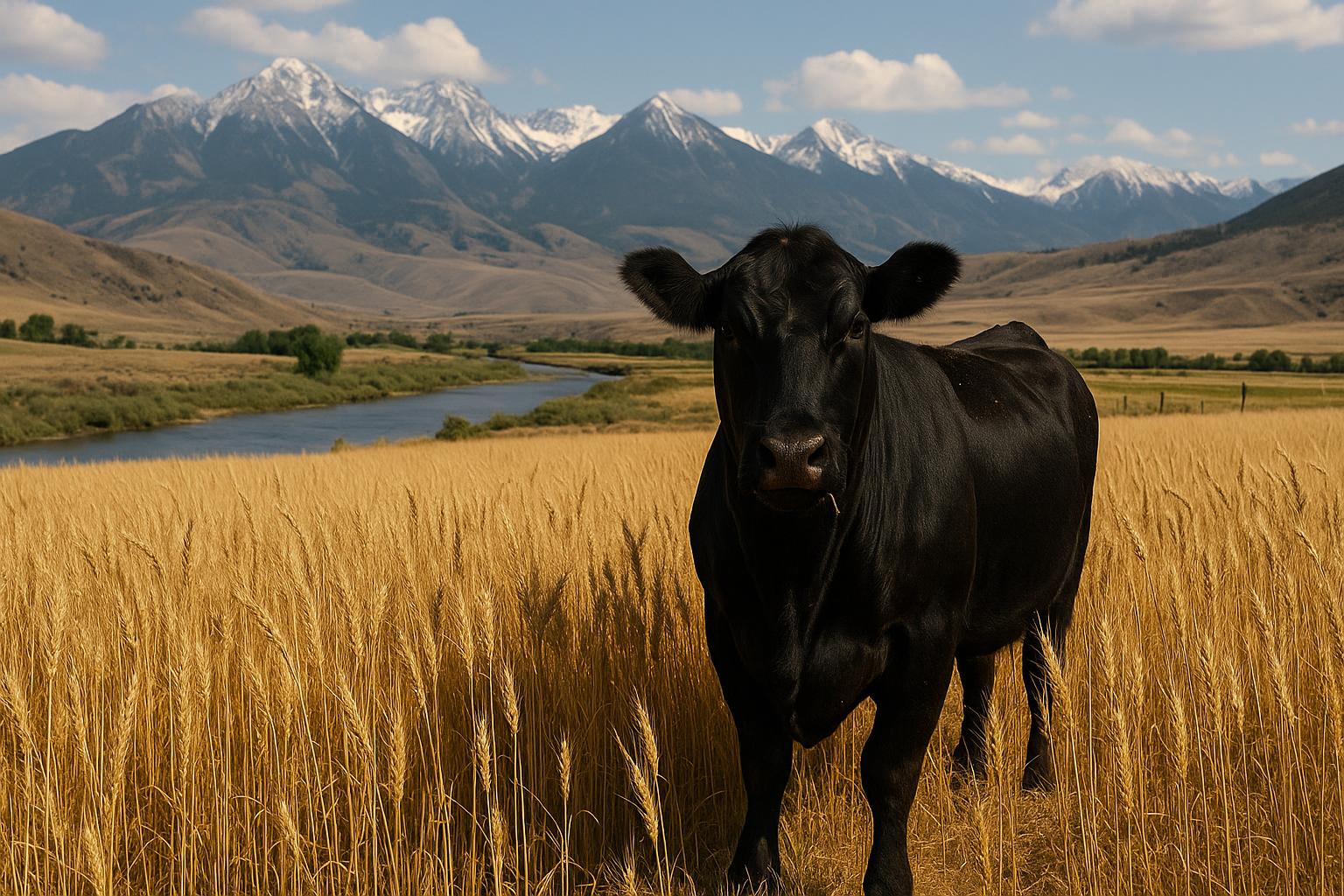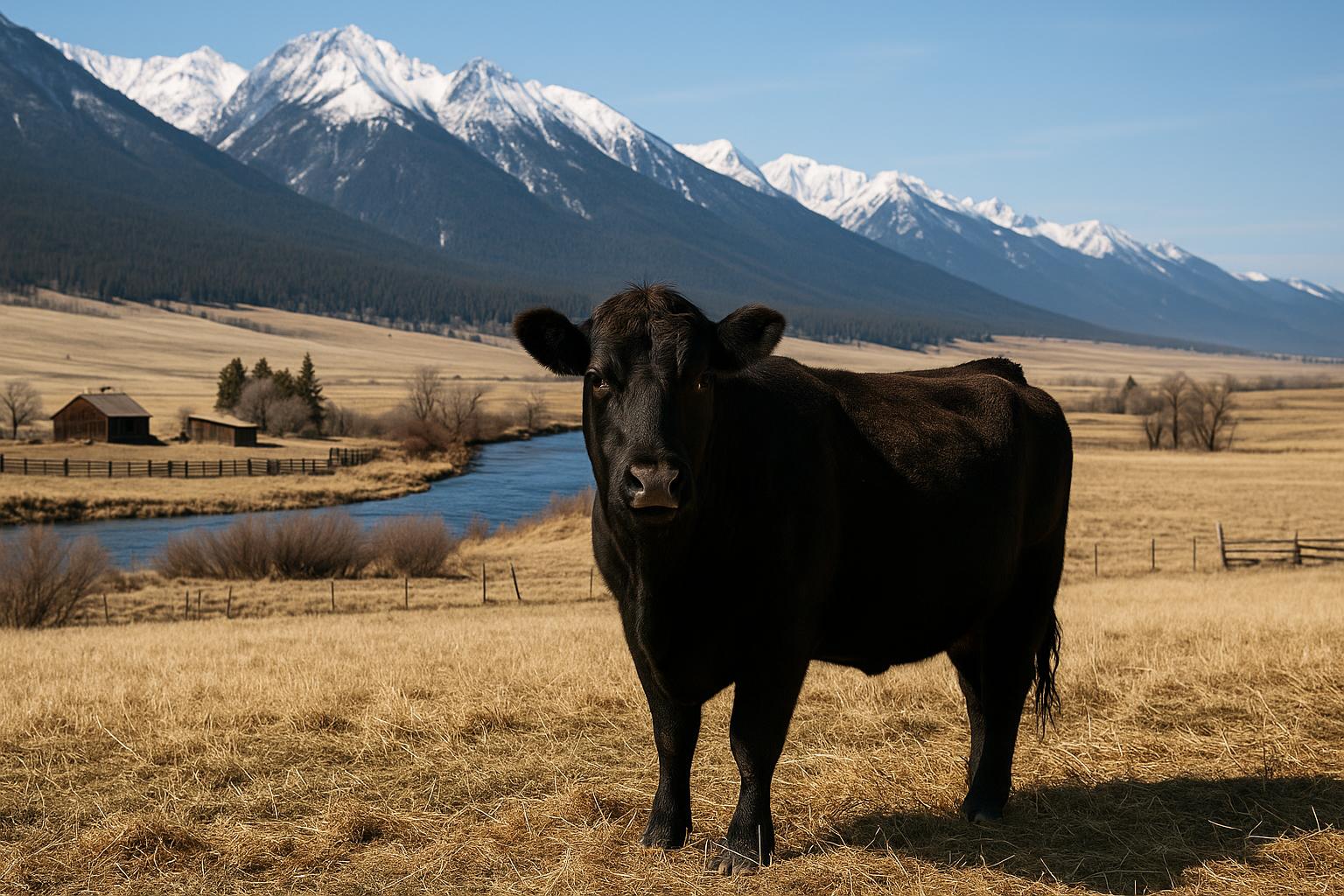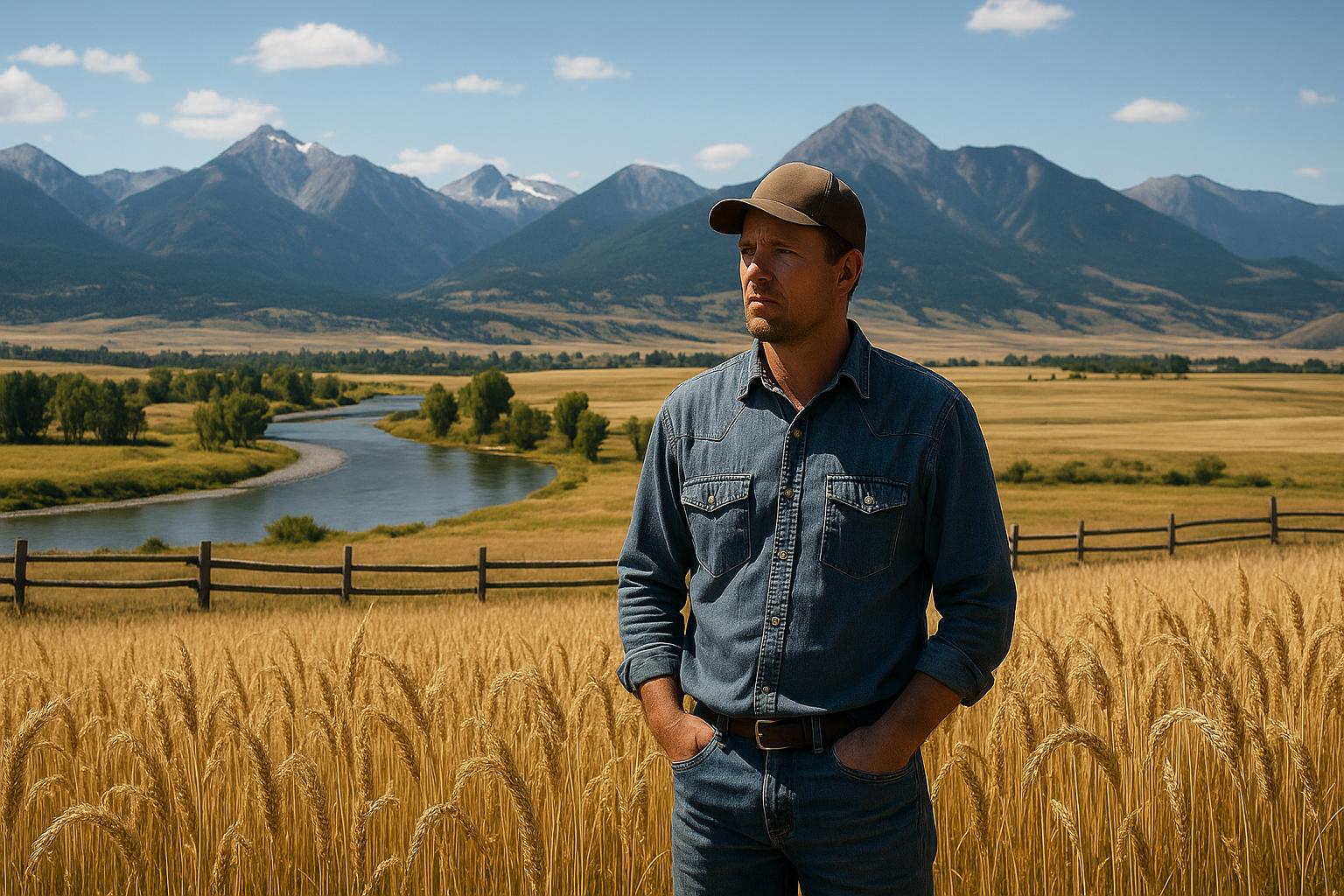
Across the Northern Plains, reports indicate agricultural land values have stayed firmer than many producers expected, even with higher interest rates and tighter operating margins. A recent Farm Progress piece highlighted representative sales from Nebraska counties—different regions, different price points, but a common theme: buyers are still showing up.
Montana isn’t Nebraska, and local factors—from water reliability to recreational demand—can swing values quickly. Still, the takeaway matters here: land markets can remain resilient longer than the broader farm economy feels comfortable. For Montana ranchers and farmers, that resilience cuts both ways: it supports balance sheets, but it also raises the bar for expansion and can complicate succession planning.
Land Market Resilience: What We’re Seeing and Why It’s Holding
Montana land prices vary widely by region and by the asset being sold. Irrigated ground in parts of the Yellowstone Valley or Gallatin Valley is a different market than dryland wheat country on the Hi-Line, and both differ from smaller acreages in the Bitterroot Valley or Flathead Valley where development and recreation buyers can be active.
Even so, several forces continue to prop up values in many areas:
- Limited supply: Many families hold ground through cycles. When few parcels come up for sale, the ones that do can attract competitive bids.
- Equity-rich buyers: Producers who locked in lower rates earlier, sold high-priced calves, or have strong equity positions may still have the ability to buy.
- Non-ag demand in select valleys: In places like the Bitterroot and Flathead valleys, lifestyle and recreation demand can influence pricing, especially for smaller tracts or properties with views and water.
- Water and infrastructure premium: Where irrigation is dependable and infrastructure is in place—pivots, ditches, wells, power—buyers often pay up because it reduces risk and improves productivity.
That doesn’t mean everything is rosy. Higher borrowing costs can change what cash flow can support, especially for operations trying to buy land primarily with debt. But the market can stay firm as long as enough buyers are bidding with substantial cash, strong equity, or off-farm income.
Why It Matters in Montana: Cattle, Hay, Water, and Taxes
Land value isn’t just a number for the banker. In Montana, it ties directly into how ranches and farms manage drought risk, feed supplies, and long-term viability.
- Ranch expansion math gets tougher: If pasture and hay ground remain expensive, it can be hard to pencil out buying your way into more AUMs or more winter feed production—especially when cattle prices fluctuate and inputs stay high.
- Hay ground is strategic: In many operations, control of hay acres is as important as grazing. When drought hits the Hi-Line or parts of central Montana, purchased feed can get scarce and expensive. Owning or leasing reliable hay ground in places like the Yellowstone or Gallatin valleys can stabilize wintering costs—if the water holds.
- Irrigation reliability becomes a bigger driver: In drought years, water rights, storage, and ditch capacity can separate “paper acres” from productive acres. Buyers and lenders increasingly scrutinize late-season water availability, not just spring runoff.
- Property tax and valuation pressure: Higher market values can translate into higher assessed values over time. That matters for cash flow, particularly for producers who are land-rich and cash-tight.
It also matters for the next generation. When land values stay elevated, it can make buy-ins and family transfers more complicated. Some families respond by restructuring entities, using long-term leases, or separating operating assets from real estate ownership. Those are decisions best made before a crisis forces the timeline.
Regional Notes: How Montana’s Markets Can Diverge
Montana is really multiple land markets stitched together by highways and weather systems. A few regional considerations ranchers and farmers commonly cite:
- Hi-Line: Dryland grain economics, freight, and moisture outlook can drive values. In years when input costs are high and yields are uncertain, buyers may be more selective—yet good, contiguous tracts can still command a premium.
- Yellowstone Valley: Irrigated production and feed availability can support stronger values, but water supply and infrastructure condition matter. Watch costs tied to pumping and power, too.
- Gallatin Valley: Competition from non-ag buyers can influence pricing, and that can spill over into lease rates and expectations for smaller parcels.
- Bitterroot and Flathead valleys: Recreation and amenity demand can elevate values for certain properties. That can be helpful for sellers, but challenging for working operators trying to expand locally.
One caution: because Montana is thinly traded compared to the Corn Belt, a handful of sales can skew perceptions. A single high-profile transaction with water, improvements, and location can reset expectations—at least on paper—even if it’s not representative of typical working ground.
What This Means for Montana Ranchers and Farmers
If land values remain resilient, it changes the practical decisions producers make this spring and summer—especially around financing, leases, and drought planning.
- Know your balance sheet strength: Strong land values can improve collateral positions. That may help with operating lines, but it can also tempt overexpansion. Work through realistic interest-rate and cattle-price scenarios with your lender.
- Re-check lease terms: When sale values stay high, lease rates sometimes creep up, even if commodity margins don’t. If you’re leasing pasture or hay ground, consider multi-year agreements that set clear expectations for drought, stocking rate adjustments, and water availability.
- Put a dollar value on water security: For irrigators, evaluate the actual reliability of supply, not just the right on paper. For livestock operators, prioritize leases or purchases that reduce the risk of buying hay in a drought market.
- Succession planning gets more urgent: If land stays expensive, waiting can reduce options for younger operators. Consider talking with an ag-focused attorney or accountant about entity structure, gradual transfers, and how to keep the operating business viable.
For buyers, the key is discipline. A resilient market doesn’t guarantee future appreciation, and it doesn’t guarantee the land will cash flow under today’s rates. For sellers, resilience can present an opportunity—but it’s worth considering what you’re giving up in feed security, grazing flexibility, and long-term family options.
What to Watch Next in Montana Agriculture
The next signals for Montana land values and lease rates will likely come from a mix of weather, interest rates, and livestock margins. Here are the practical indicators producers can track:
- Spring and early-summer moisture: Drought conditions and forage outlook will influence pasture lease demand and hay pricing. Watch local NRCS updates and basin snowpack information. A good starting point is the USDA NRCS resources for snow and water.
- Irrigation allocations and runoff timing: In irrigated areas, pay attention to ditch company announcements, reservoir levels, and any curtailment discussions. Water reliability can quickly separate “premium” ground from “average” ground in the eyes of buyers.
- Interest-rate direction: Even small shifts can change what a buyer can afford. If rates stay elevated, expect more emphasis on cash buyers and fewer highly leveraged purchases.
- Cattle market strength: Strong calf prices can bolster confidence and liquidity, supporting demand for pasture and hay ground. If margins tighten, bidding enthusiasm can cool—especially for marginal acres.
- Local sale comps: Watch auction results and listings in your county, but compare apples to apples: water, improvements, access, and productivity. One trophy property doesn’t set the value for a rough quarter-section 40 miles away.
Bottom line: reports from other Plains states suggest land markets can stay stronger than expected, even when producers feel squeezed elsewhere. In Montana, the fundamentals—water, feed security, and limited supply—will keep driving the conversation. The smart move is to stay realistic about cash flow, plan for weather risk, and treat every land decision as a long-term bet on your operation’s resilience.
Inspiration: www.farmprogress.com