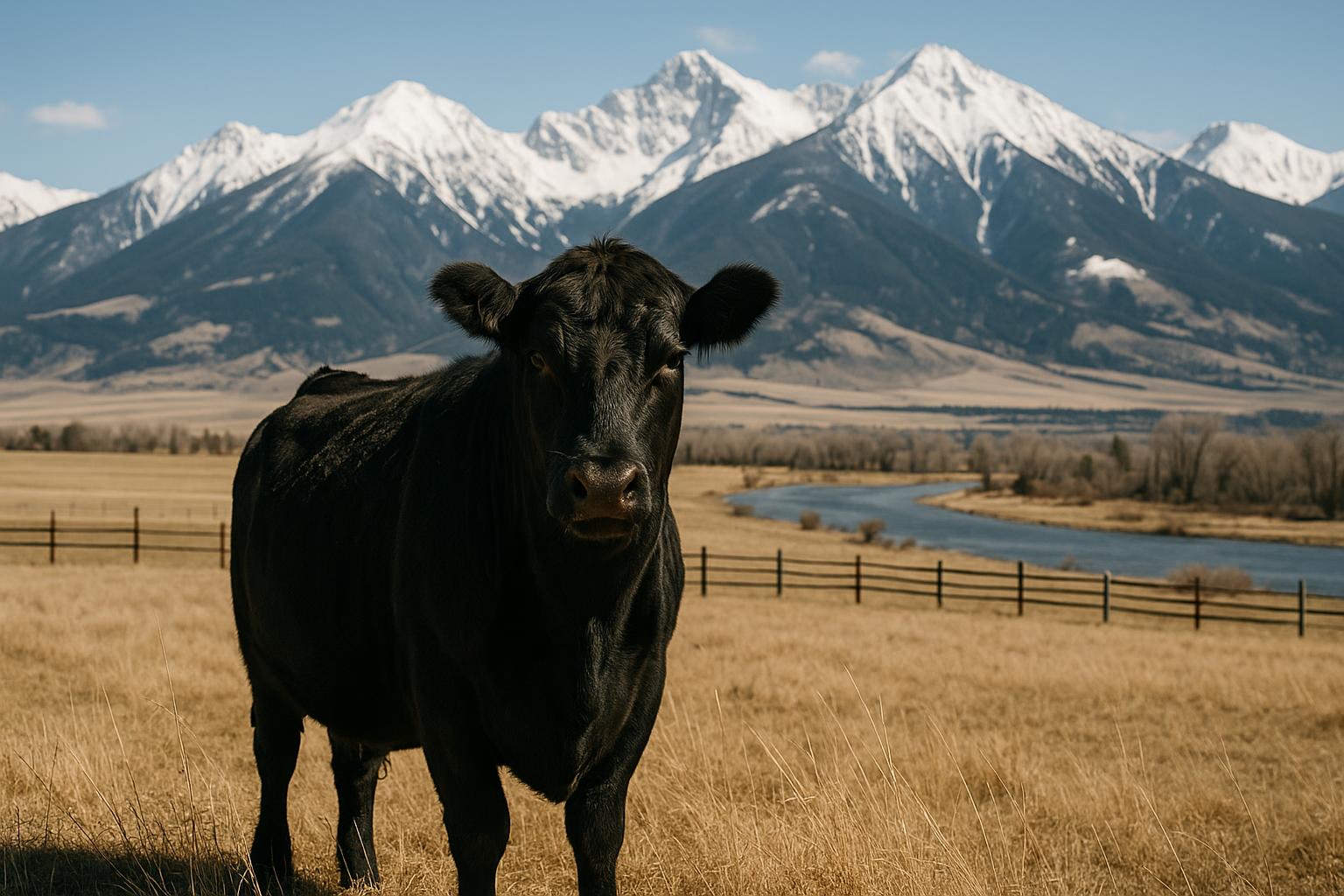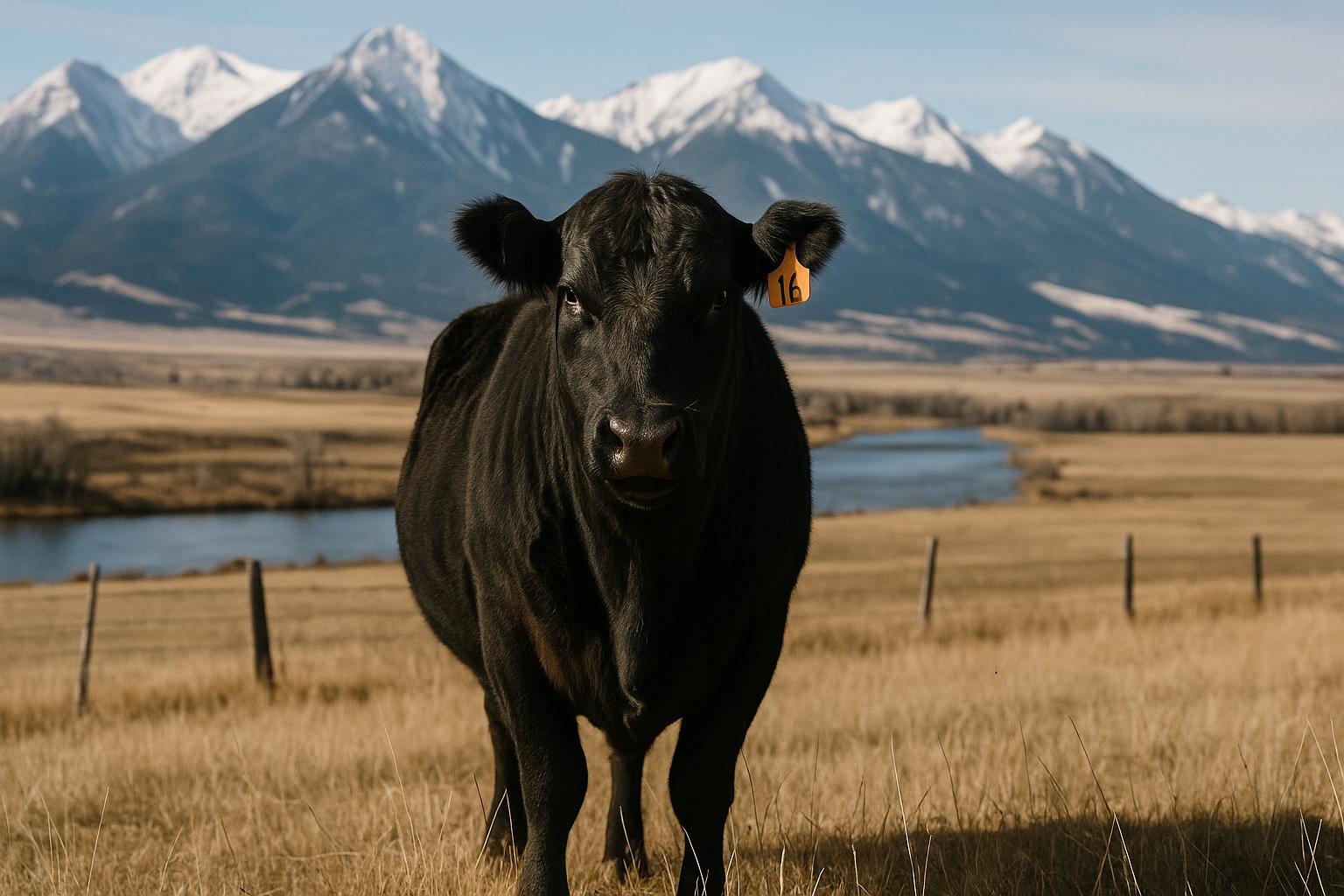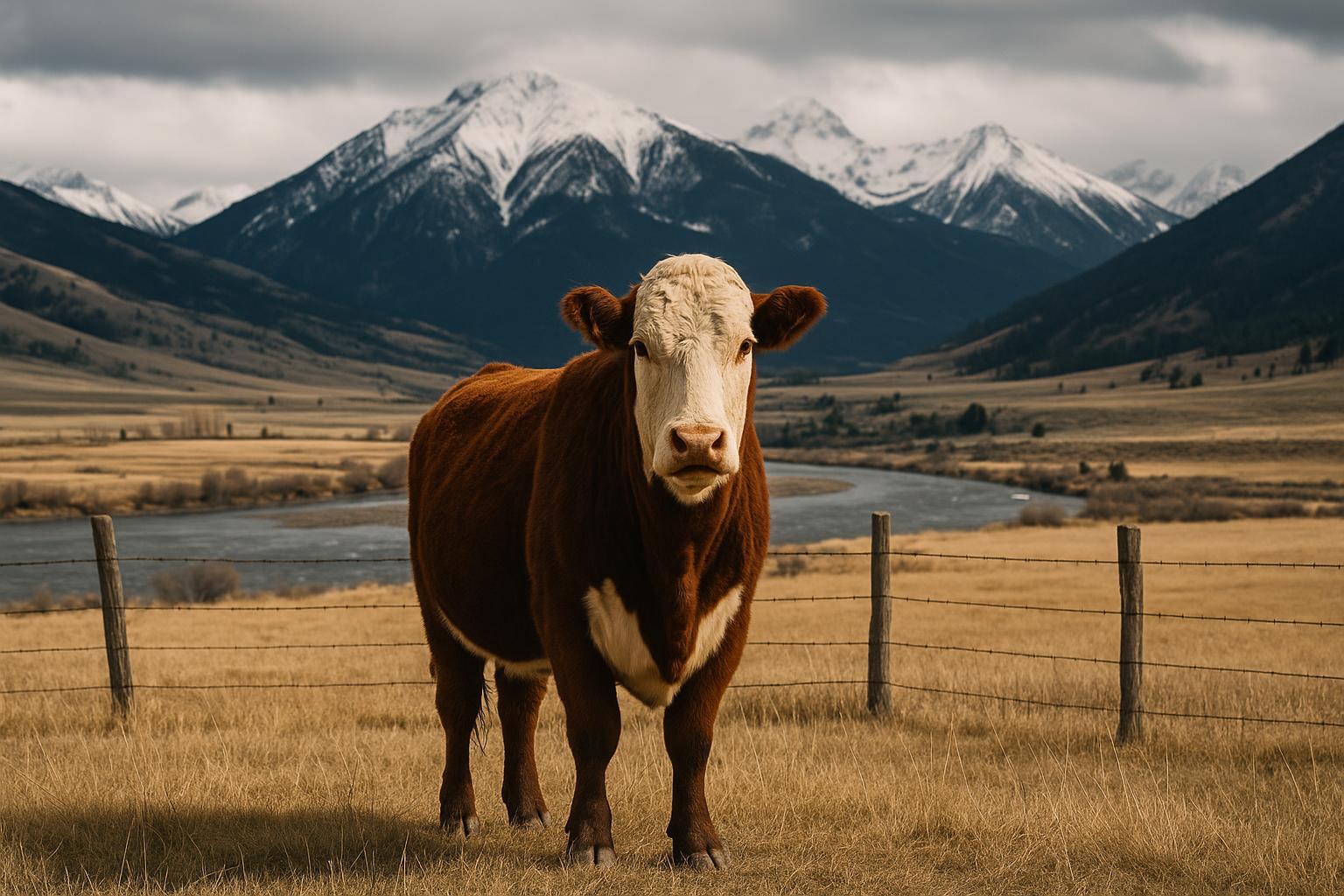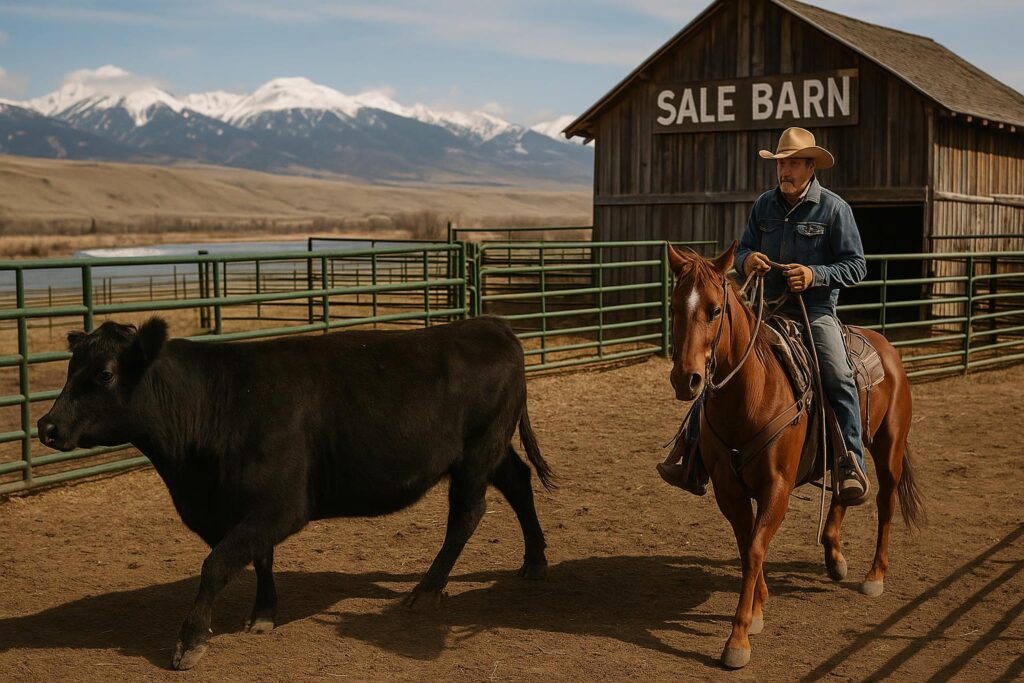
Across the Northern Plains, reports indicate some livestock auction barns are consolidating, reducing sale-day options and pushing more cattle into fewer facilities. For Montana ranchers, the immediate question isn’t just where to sell—it’s what it costs to get there, and whether the “better” market price pencils out once fuel, shrink, labor, and time are added up.
Montana already runs on distance. A load that’s “just a little farther” can mean another hour of mountain pass driving out of the Bitterroot Valley, a longer run from the Hi-Line, or a full-day haul from smaller communities that rely on a nearby barn to keep marketing practical. When barns close, the marketing map changes fast—and so do the economics.
What Happened
Industry analysts have been warning that fewer operating sale barns in some areas can increase marketing costs. If producers have to haul cattle farther to access a competitive auction or a specific buyer base, the added cost may offset any price improvement.
Montana hasn’t seen the same level of publicized barn closures as some states, but the underlying pressures are familiar here:
- Higher operating costs for facilities (labor, insurance, utilities, compliance).
- Fewer cattle in some regions during drought cycles, which can reduce throughput for local barns.
- Shifts toward direct marketing and video/internet sales for larger lots, changing volume patterns.
- Buyer concentration in fewer locations, making some auction runs less attractive.
Even when a barn stays open, fewer sale dates or reduced competition in the seats can change the net price producers take home. The key point is that marketing costs aren’t just the commission line on the settlement sheet anymore—transport and risk are a bigger share of the decision.
Why It Matters in Montana
Montana’s cattle business is built around dispersed ranch country and seasonal movement. Calves might come off grass in the Gallatin Valley, get backgrounded in the Yellowstone Valley, or ship out of the Hi-Line after a dry summer tightens feed. When the nearest competitive market gets farther away, three things typically happen:
- Per-head marketing costs rise due to fuel, truck rates, and driver time.
- Sale-day shrink increases as cattle spend more time in transit and standing.
- Marketing flexibility drops—it’s harder to “catch a good week” if the haul requires more coordination.
For many Montana outfits, especially smaller and mid-size producers, the local barn also serves as price discovery. You can watch the run, see buyer activity, and compare your calves to the next pen. If marketing shifts to fewer locations, that transparency can be harder to come by unless producers actively track multiple market channels.
There’s also a community angle. Sale barns are economic anchors—jobs, trucking, feed stores, and the local café all feel it when a barn’s activity declines. That’s not sentiment; it’s rural infrastructure that supports agriculture.
The Real Trade-Off: Higher Price vs. Higher Cost
It’s tempting to chase a higher bid at a more competitive auction, but Montana ranchers know the math can turn quickly. A few dollars per hundredweight looks good on paper until you account for:
- Fuel and truck expense (or a higher hired-haul rate).
- Weight loss (shrink) from longer time off feed and water.
- Added labor—sorting, loading, and travel time.
- Risk—weather delays, road conditions, and animal stress.
As a rule of thumb, producers should compare the expected price difference to the total incremental cost per head. If the “better” market is $3/cwt higher on a 600-pound calf, that’s about $18/head. It doesn’t take much extra distance—or shrink—to eat that up.
Montana-specific realities can amplify these costs. Winter hauling over mountain passes out of the Flathead Valley or Bitterroot Valley can be a different calculation than a straight shot on the plains. On the Hi-Line, distances are long even on good roads, and a storm can turn a schedule into a two-day ordeal.
Marketing Options to Consider
No single channel fits every operation, but as auction access changes, producers may want to evaluate alternatives more deliberately:
- Video and internet auctions: Can reduce hauling until the cattle are sold, but require consistent lots and solid reputation/verification. For information on market trends and feeder cattle pricing, many producers monitor USDA’s AMS Market News.
- Direct-to-feedlot or order buyer: Can work well for uniform calves with known health programs; pricing transparency varies by relationship and timing.
- Coordinated load lots with neighbors: In areas with smaller calf crops, pooling similar cattle can improve buyer interest and reduce per-head trucking costs.
- Retained ownership/backgrounding: Not for everyone, but in some years it can shift marketing to a different season and buyer base—if feed and risk management are penciled honestly.
Whatever the channel, the common thread is documentation and consistency. Health programs, weaning status, and verified weights matter more when you’re selling into a wider, more competitive geography.
What This Means for Montana Ranchers and Farmers
For ranchers, the immediate impact is the possibility of higher cost to reach competitive bids. That can show up as:
- Higher per-head trucking bills if the nearest barn is farther away or if fewer sale dates concentrate demand for trucks.
- More pressure to sell in larger, uniform groups to justify the haul and attract buyers.
- Greater importance of timing—weather windows and feed conditions can dictate when hauling is feasible.
For farmers raising hay and feed, marketing shifts can change local demand patterns. If more cattle move out of an area earlier (because hauling to market is more complicated), local winter feed demand may soften. On the other hand, if producers choose to background longer to avoid a tough marketing window, that can tighten demand for hay in places like the Yellowstone Valley and Gallatin Valley.
Drought remains the wild card. In dry years, liquidation increases volume and can temporarily boost auction activity. But prolonged drought can reduce the long-term cattle base that supports local barns and trucking routes. Producers in the Bitterroot Valley and parts of the Hi-Line have seen how quickly forage conditions can reshape herd decisions and marketing flows.
Practical Steps Producers Can Take Now
- Know your full cost per head for each marketing option: commission, trucking, shrink, brand inspection, checkoff, and time.
- Track multiple markets—not just one sale. Compare net returns, not just top bids.
- Talk early with truckers ahead of peak runs. If options narrow, scheduling matters more.
- Build sale-ready cattle with clear health and weaning protocols; buyers pay for reduced risk when supplies are uneven.
- Watch basis and freight if you’re pricing off futures or negotiating direct sales; transportation is part of the spread.
What to Watch Next in Montana Agriculture
- Regional auction schedules and volumes: If fewer sale dates or smaller runs become common, expect more price variability week to week.
- Trucking availability and rates: Fuel prices, driver supply, and seasonal demand can swing costs quickly—especially during fall runs and spring turnout moves.
- Drought and irrigation outlook: Water supply affects hay production and backgrounding decisions. Keep an eye on basin-level updates and local conservation district information.
- Feeder demand and placement trends: If feedlots pull harder for certain weights, it can change the best marketing window for Montana calves.
- Local infrastructure signals: Any sign of reduced barn services, fewer buyers, or changes in ownership is worth noting early, before marketing plans are locked in.
Montana producers can’t control distance, but they can control planning. In a year when margins are tight and inputs stay high, the difference between a good price and a good net price often comes down to the miles between the ranch gate and the buyer.
Inspiration: www.farmprogress.com