Wheat markets have been anything but sleepy heading into summer. Reports indicate wheat futures moved sharply higher in recent sessions as traders reacted to rising conflict risk in the Middle East and ongoing weather threats in key production areas. At the same time, U.S. wheat acreage is reported to be at multi-year lows, with expectations for a smaller crop than last year.
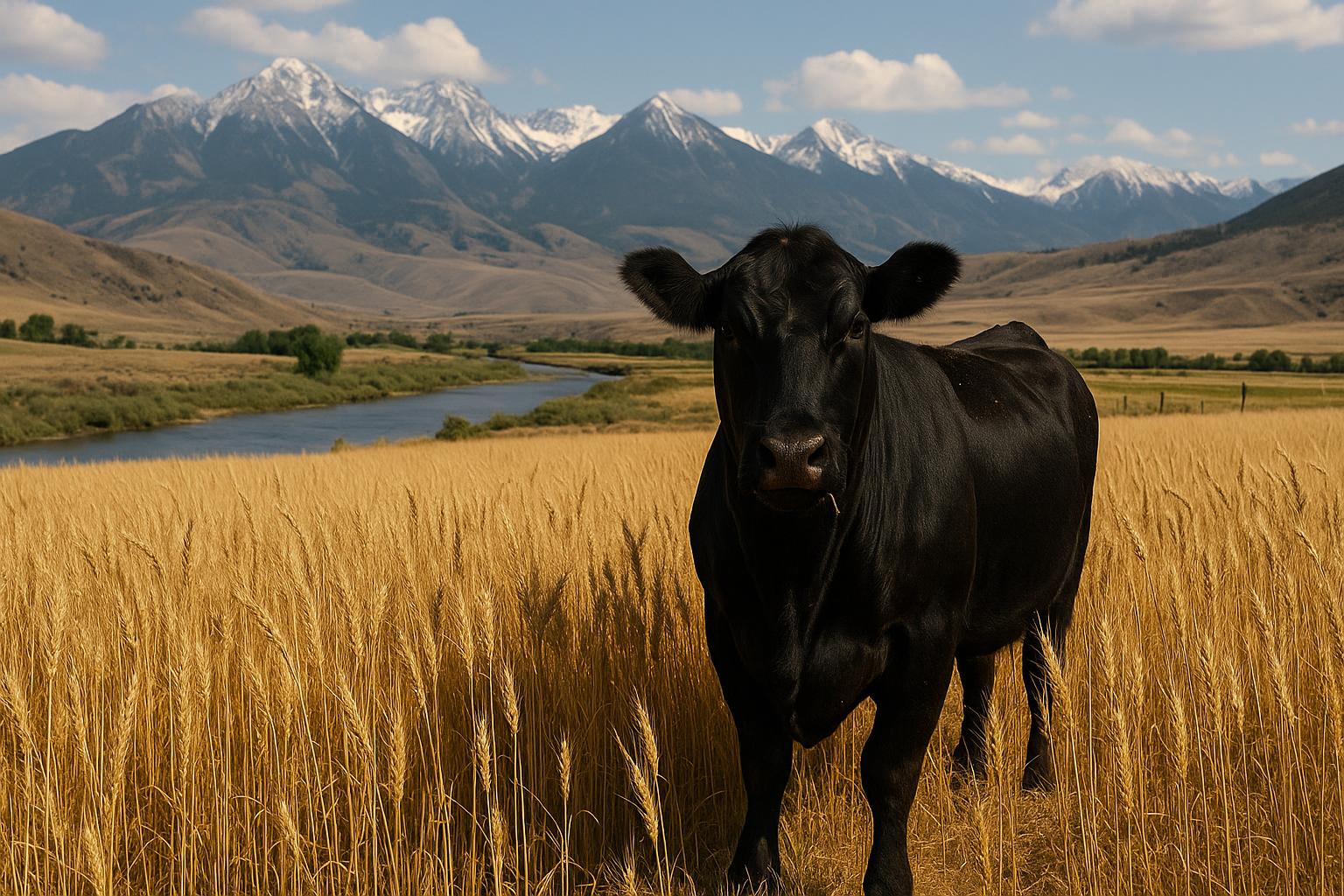
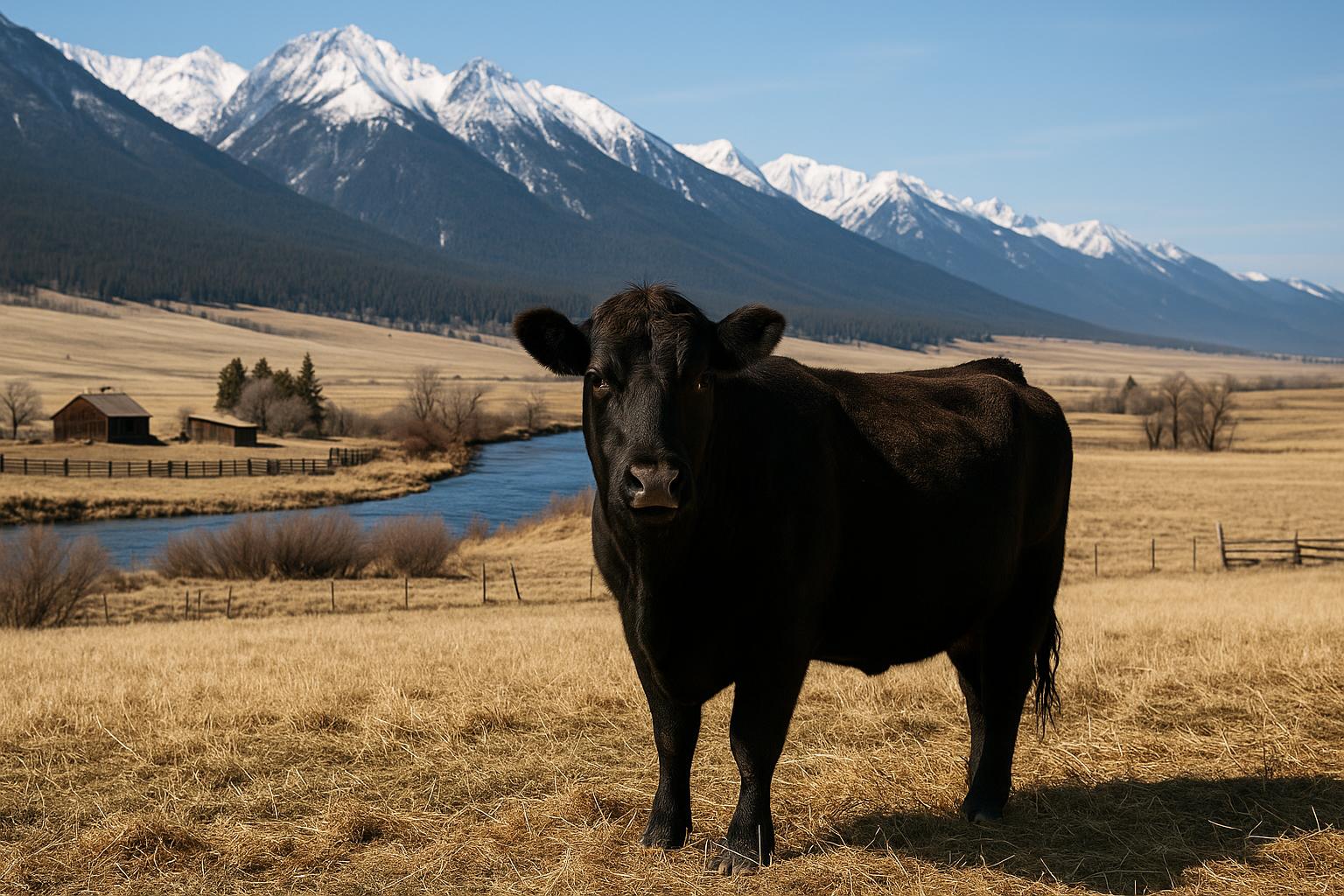
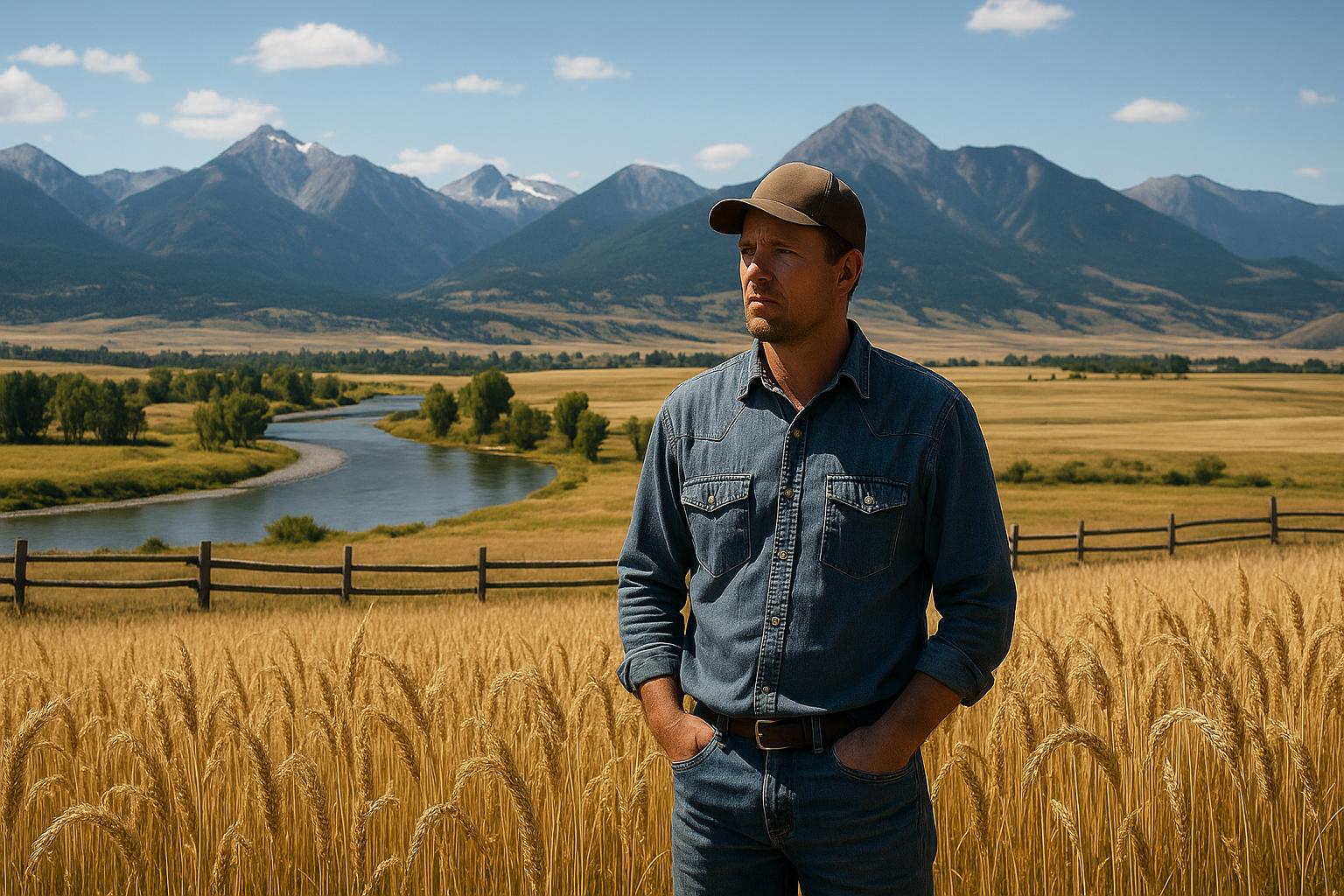
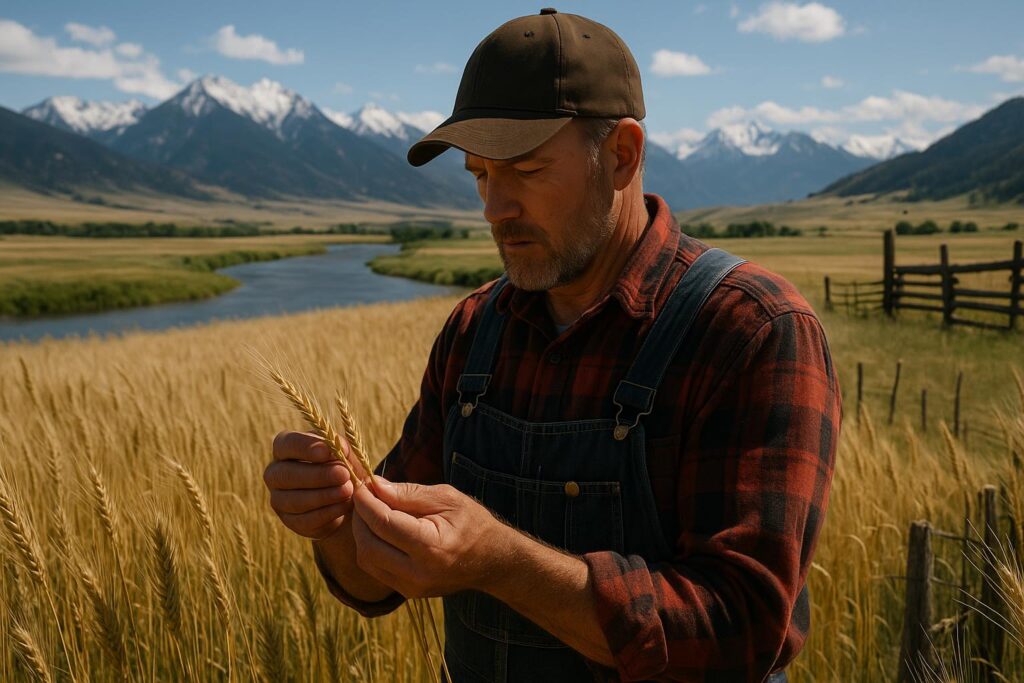
For Montana, where winter wheat, spring wheat, durum, and barley are woven into the same landscape as cow-calf operations, a price rally is never “just a grain story.” It touches cash flow, feed costs, land rents, operating loans, and marketing decisions from the Hi-Line to the Yellowstone Valley.
Why Wheat Jumped — and Why It Could Fade Fast
When global tensions rise, grain markets tend to build in a “risk premium.” The Black Sea region and Middle East are central to world wheat trade, and anything that threatens shipping lanes, energy prices, or regional stability can quickly spill into futures prices. Even if actual supply doesn’t change overnight, the market often reprices the uncertainty.
At the same time, drought remains a wildcard. Portions of the Northern Plains and Prairie provinces have been dealing with moisture deficits, and traders watch those maps closely during heading and grain fill. If forecasts turn hotter and drier, the market can add more premium. If rains materialize, that premium can evaporate just as quickly.
- Geopolitics: War risk can lift futures on uncertainty alone, especially if it threatens trade routes or raises fuel costs.
- Weather: Drought concerns during critical crop stages can amplify price swings.
- Acreage and production: Reports indicate fewer wheat acres and lower production expectations, tightening the balance sheet.
Montana growers know this pattern: a fast rally can be real opportunity, but it can also be a head fake if harvest pressure arrives and global buyers step back.
Where Montana Wheat Fits in This Rally
Basis and protein premiums will decide how much of a futures rally shows up in a local check. In Montana, that can vary sharply by region and by class of wheat.
Across the Hi-Line, where spring wheat and durum are major players, buyers often focus on protein and falling numbers. In a year where quality is uncertain elsewhere, Montana can sometimes capture stronger premiums—if the crop delivers. In the Yellowstone Valley, with more irrigated acres in the mix, yield stability can help growers market earlier with more confidence, but irrigation costs and water availability remain part of the equation.
In the Gallatin Valley and parts of the Flathead Valley, many farms balance small grains with hay, seed, and livestock. A wheat rally can influence rotations and forward contracting decisions, but it also interacts with local feed demand and trucking economics. And in the Bitterroot Valley, while row-crop wheat isn’t the dominant story, grain prices still ripple into hay markets and livestock budgets through feed and freight.
Bottom line: futures may be making headlines, but Montana producers should keep their eyes on the local bid sheet—especially protein spreads, freight, and delivery terms.
Marketing Considerations Before Combines Roll
Montana wheat marketing often comes down to managing three risks at once: price, production, and quality. A rally tied to global headlines can be an opening to reduce price risk, but it’s worth doing it in a way that doesn’t overpromise bushels you might not have.
- Separate price from delivery when you can: Some producers use hedges or options to protect price while keeping flexibility on where and when to deliver.
- Know your break-evens: With fertilizer, interest, and machinery costs still high, a “good” price is the one that locks margin, not the one that wins coffee-shop bragging rights.
- Watch protein and grade signals: If buyers are paying up for protein, it may change whether you push for early sales or wait for test results.
- Don’t ignore basis: A futures rally can be offset by weaker basis if elevators get comfortable on coverage or if freight gets tight at harvest.
Producers who still have old-crop wheat in the bin should also weigh storage costs and quality risk. Warm weather can turn a “nice carry” into a costly problem if insects or moisture become issues.
Livestock Angle: Feed Costs and Pasture Decisions
Higher wheat prices can pull other grains along, and that matters for Montana cattle operations—especially backgrounders and feed users. Even if most Montana calves aren’t finished in-state, local feed costs influence backgrounding decisions, supplementation, and the price of byproducts.
Hay is the other piece. If wheat acres are down and drought stress persists in parts of the state, hay supplies and prices can tighten, particularly for higher-quality grass/alfalfa mixes. Ranchers in the Hi-Line and eastern Montana will be watching range conditions closely; if pasture turns early, demand for hay and cake can ramp up fast.
For cow-calf producers, the wheat rally itself doesn’t pay the vet bill—but it can change what neighbors plant, what straw costs after harvest, and how aggressively feedlots bid for calves if corn and wheat stay elevated.
What This Means for Montana Ranchers and Farmers
- Grain producers may have a pricing window: A geopolitics-driven rally can offer a chance to set floors or make incremental sales, especially if you still have old crop or expect average production.
- Quality could be the real payday: If drought trims yields elsewhere but Montana harvests decent protein and test weight, premiums could matter as much as futures.
- Feed users should budget for volatility: If wheat pulls feed grains higher, supplementation costs could rise. It’s worth penciling multiple scenarios now rather than reacting in August.
- Irrigation and water planning stay front and center: In the Yellowstone and Gallatin valleys, water supply and pumping costs will shape yield potential and the willingness to forward price.
In practical terms, this is a “protect the operation” moment. The rally may or may not last, but volatility itself is a certainty. Operations that know their costs and have a plan for both price spikes and price slides tend to come out ahead.
What to Watch Next in Montana Agriculture
- Harvest progress and early yield reports: As winter wheat harvest moves north, the market will react to real bushels, not forecasts.
- Drought maps and 6–14 day forecasts: Traders will key on heat and rainfall during grain fill across the Northern Plains and Canadian Prairies.
- Protein premiums and local basis: Montana’s cash market will tell the truth about demand. Watch how elevators price protein and how quickly they widen or narrow spreads.
- Freight and fuel: If global conflict pushes energy higher, it can raise trucking and rail costs, which can show up in basis.
- USDA reports and global tenders: Acreage, production updates, and major import tenders can swing futures in a hurry. For reference, producers can track market-moving releases at USDA NASS and broader ag market info through USDA AMS Market News.
For Montana producers, the next few weeks are about balancing opportunity with humility. If the crop is made, rallies can be sold. If the crop is still uncertain, tools that manage downside without locking in bushels may fit better. Either way, keep your pencil sharp and your marketing decisions tied to your operation—not the day’s headline.
Inspiration: www.farmprogress.com