Reports from around Montana suggest spring is arriving with a familiar complication: moisture isn’t showing up evenly. Some valleys are dealing with saturated fields and slow warm-up, while nearby benches and rangeland are still waiting on meaningful recharge. That split matters as farmers eye spring planting windows and ranchers plan turnout, hay acres and water use.
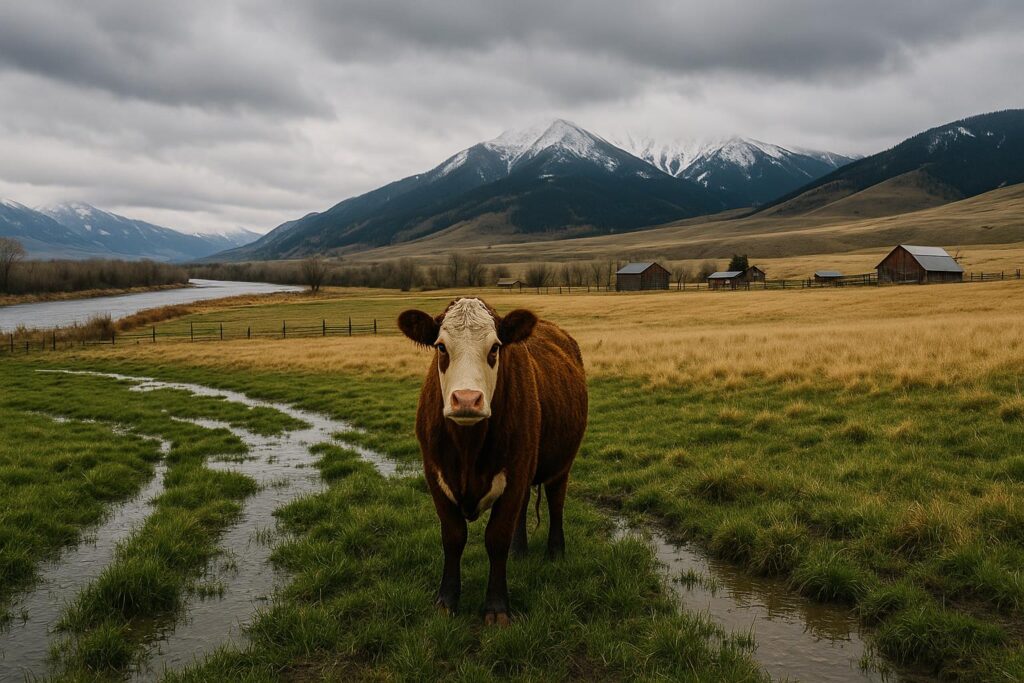
In the Bitterroot Valley, parts of the Flathead Valley and pockets of the Gallatin Valley, producers have been talking about wet spots that won’t dry, soft field access and delayed prep work. Meanwhile, portions of the Hi-Line and some prairie country east and north of the Yellowstone Valley continue to watch for follow-up moisture after a winter that, in places, didn’t fully reset subsoil reserves.
None of that means spring work won’t happen—it means timing and field decisions may be more complicated than a single statewide forecast suggests.
Wet fields can delay early work, but they’re not all good news
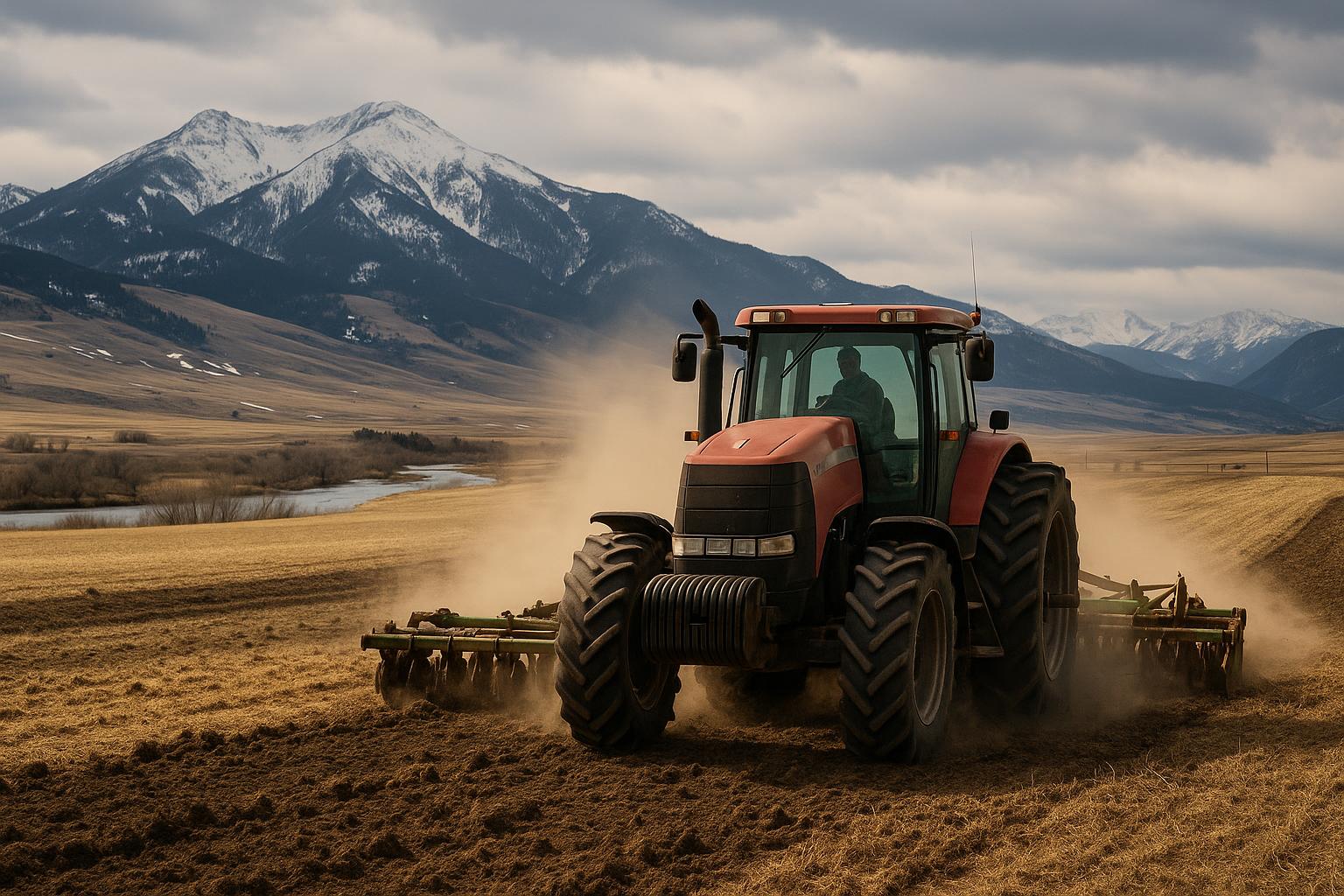
When spring rains or rapid snowmelt hit already-cool soils, the immediate issue is trafficability. Getting equipment across a field without making ruts or compaction can be the difference between a decent stand and a season-long yield penalty.
- Compaction risk: Working ground too wet can create compaction layers that restrict roots and reduce water infiltration later in the summer—especially in heavier soils.
- Stand establishment: Cold, wet soils slow germination for small grains and pulse crops and can increase disease pressure in some situations.
- Nitrogen management: In saturated conditions, nitrogen losses can occur, and timing of fertilizer applications becomes more sensitive.
At the same time, moisture now can help refill shallow soil profiles and reduce early-season irrigation demand—if it comes gently and if temperatures cooperate. The challenge is that a wet April doesn’t guarantee a wet July, and Montana’s growing season often turns on late-spring and early-summer rainfall.
Dry benches and rangeland still need a reset
Even where valley bottoms look wet, higher ground can tell a different story. Benches, gravelly soils and exposed rangeland can shed moisture quickly, and wind can pull water out of the profile before plants really get moving.
On the Hi-Line and across other parts of north-central and eastern Montana, producers often track two things closely this time of year:
- Subsoil moisture: Not just surface greening, but whether deeper reserves are there to carry crops and pasture into summer.
- Stock water reliability: Small reservoirs, dugouts and spring-fed systems can lag behind if runoff is limited or if winter recharge was light.
In practical terms, that can mean cautious stocking plans, flexible grazing rotations and a hard look at hay supply before the first hot stretch arrives.
Planting decisions: patience, seedbed conditions and calendar pressure
As fieldwork ramps up, the biggest question is whether growers can wait for ideal conditions or whether the calendar forces their hand. In Montana, missing a planting window can mean pushing crops into summer heat or losing yield potential—especially for spring wheat and barley.
What producers commonly weigh in a wet spring:
- Seedbed quality vs. planting date: Muddy seedbeds can hurt emergence more than a slightly later planting in many cases.
- Equipment logistics: When fields finally fit, everyone runs at once—custom applicators, fertilizer deliveries and equipment repairs become bottlenecks.
- Weed control timing: Delays can compress herbicide windows and complicate burn-down plans.
For those tracking conditions, the USDA National Agricultural Statistics Service weekly crop progress reports and local Extension updates can help benchmark how far behind or ahead Montana is compared to typical years.
Hay and pasture: early moisture helps, but first cutting depends on May and June
Hay producers in the Yellowstone Valley, parts of the Gallatin Valley and irrigated ground in the Flathead and Bitterroot Valleys know the pattern: early moisture can set up strong growth, but quality and tonnage still depend on heat units and timely precipitation (or irrigation water) through late spring.
A few on-the-ground considerations:
- Flood irrigation timing: Wet fields can delay the first irrigation sets, but they can also reduce the urgency if soils are already charged.
- Equipment access: If fields stay soft, early fertilizer applications and spring harrowing can be postponed, affecting stand vigor.
- Pasture turnout: Turning out too early on wet ground can pug soils and set back grass stands—especially in low-lying pastures.
For ranches that depend on purchased hay, the key is not just what your local meadows look like today, but what regional hay acres will do if spring stays unsettled or turns abruptly dry. Montana hay markets can tighten quickly when neighboring states pull supply.
Water outlook: watch snowpack, reservoir operations and irrigation start dates
Montana’s water picture is rarely uniform. One drainage can be fine while another is short, and irrigation districts may set start dates based on canal conditions, storage and runoff timing.
Producers can track basin-by-basin conditions through the NRCS Montana Snow Survey and local reservoir reports. Spring rains can help, but they don’t replace mountain snowpack in systems that depend on sustained runoff.
In the Yellowstone system, Tongue and Powder country, and in portions of the Missouri River Basin tied to storage and allocation decisions, the practical question is whether water deliveries will be normal, curtailed, or simply delayed. For irrigated hay and row crops, a late start can compress the season even if total allotments end up adequate.
What This Means for Montana Ranchers and Farmers
For Montana operations, the immediate takeaway is to plan for variability—sometimes within the same county.
- Ranchers: If low pastures are wet, consider protecting them early and leaning on higher, better-drained ground until roots are established. Keep an eye on stock water in drier breaks and benches, even if the valley looks green.
- Hay producers: Avoid rutting and compaction now that can cost you tonnage later. If you’re behind on field prep, line up fertilizer, fuel and parts early so you can move when conditions open up.
- Dryland farmers: Don’t let a wet top inch hide a dry profile. Probe moisture depth before making aggressive yield assumptions or fertility plans.
- Irrigators: Watch district notices and canal readiness. A wet spring can lull planning, but hot, windy weeks in June can still spike demand fast.
On the business side, weather-driven uncertainty feeds directly into input decisions and risk management. If you market calves or yearlings, pasture prospects influence placement and sale timing. If you’re buying hay or leasing grass, early communication can prevent last-minute surprises.
What to Watch Next in Montana Agriculture
- Soil temperature and field fit: Not just rainfall totals—watch when soils warm enough for consistent emergence, especially in the Gallatin and Flathead Valleys where spring can stay cool.
- Late-spring precipitation pattern: The next 30–45 days often decide whether early moisture translates into yield, particularly for dryland small grains on the Hi-Line.
- Runoff timing and irrigation announcements: Track NRCS updates and local district communications for start dates and any early-season restrictions.
- Pasture growth vs. turnout pressure: Green-up can look ahead of root strength. If conditions are wet, grazing too soon can reduce carrying capacity later.
- Hay market signals: Watch regional listings and auction chatter; if drought concerns persist in parts of Montana or neighboring states, demand can firm up quickly.
Montana’s spring pattern rarely moves in a straight line. The operations that come out ahead are usually the ones that keep equipment ready, protect soils when they’re vulnerable, and make flexible grazing and planting calls based on what’s happening in their own fields—not just what the radar shows statewide.
Inspiration: brownfieldagnews.com