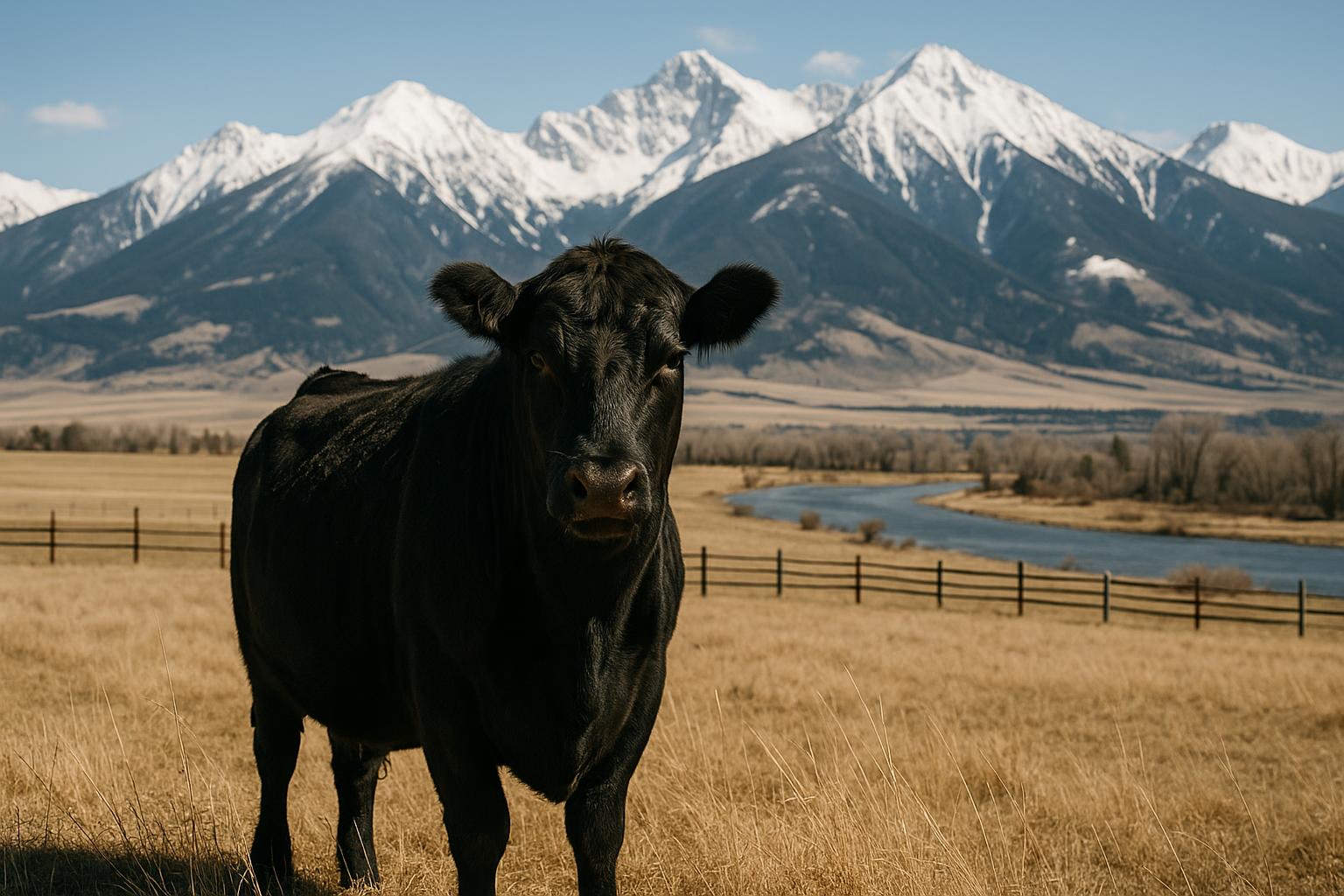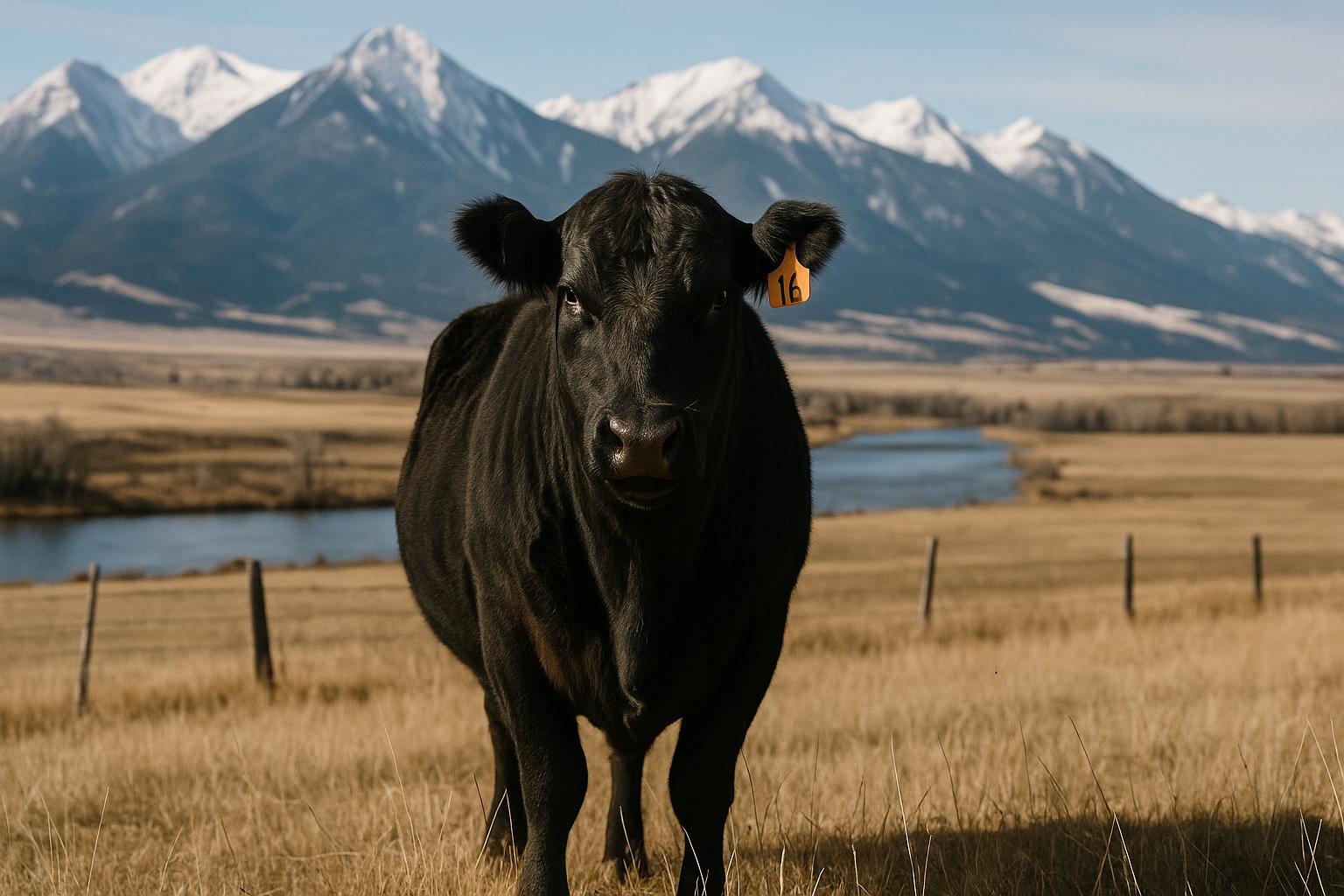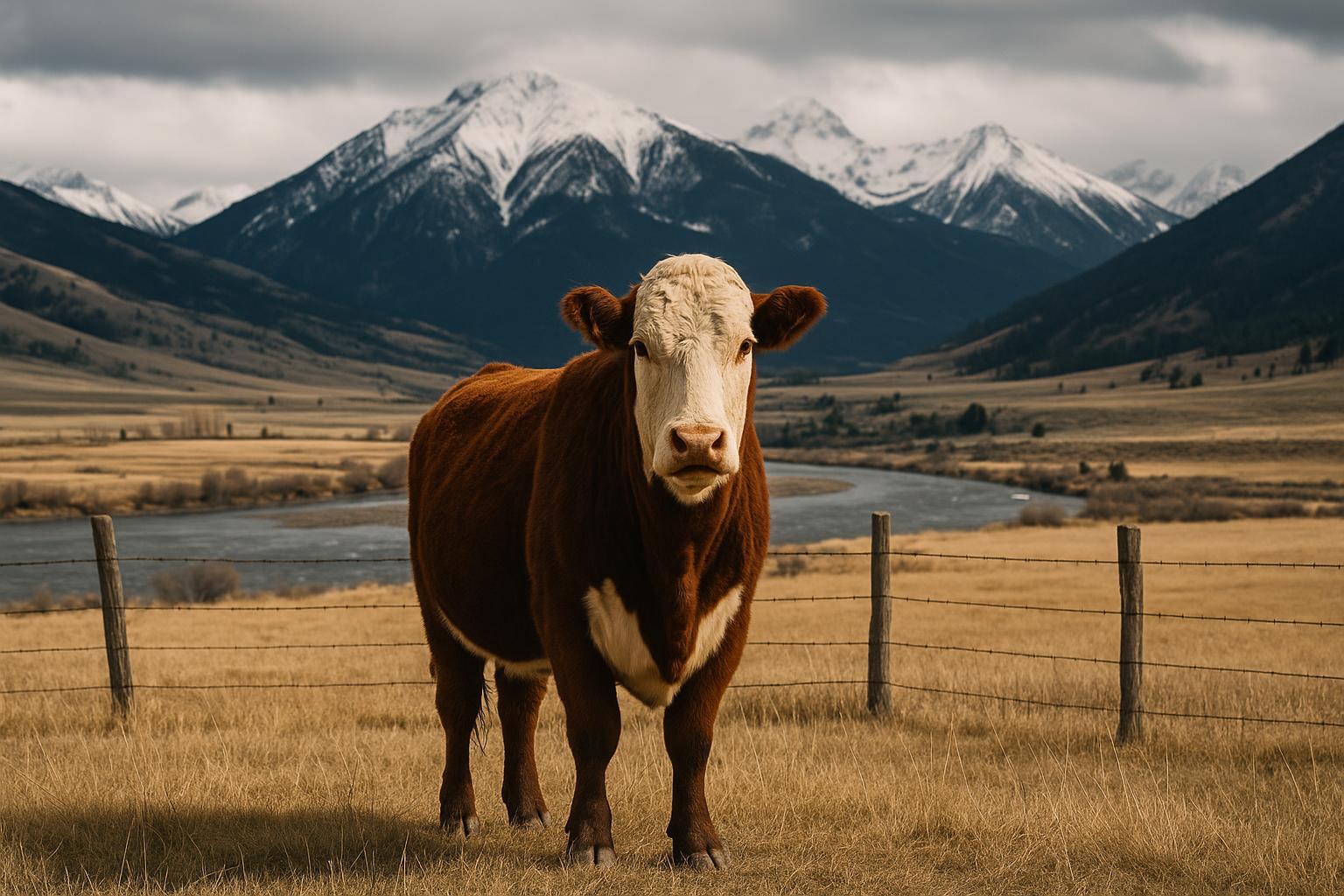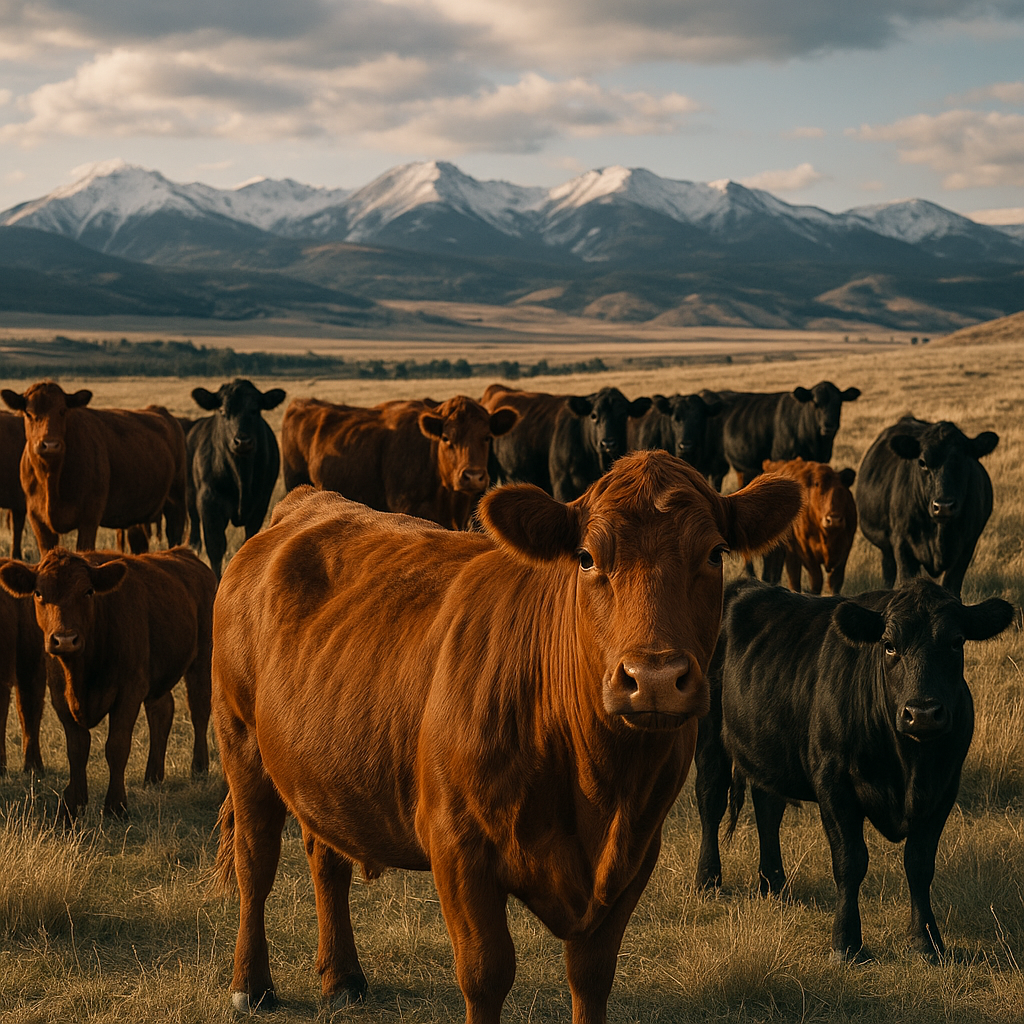
For Montana’s cattle country, global markets can feel distant—until they aren’t. Reports indicate U.S. beef and beef products may soon regain access to Brazil, a market that has largely been off-limits to U.S. exporters for more than a decade amid animal health and regulatory concerns. If finalized and implemented as described, the move would mark a notable shift in North American beef trade dynamics and could add another outlet for U.S. beef at a time when margins, drought recovery, and herd rebuilding remain front-of-mind across the Northern Rockies.
Any new export doorway doesn’t automatically translate into higher prices at the local sale barn, and it won’t change the fundamentals overnight. But market access matters—especially when it involves a large, beef-eating country with a sophisticated food sector and a strong domestic cattle industry of its own.
What’s changing—and why it matters
Reports indicate the U.S. Department of Agriculture (USDA) reached an understanding with Brazil’s agriculture ministry aimed at removing long-standing barriers that limited U.S. beef sales into Brazil. Previous restrictions have been tied to animal health rules and import requirements that can be difficult to satisfy without a formal agreement on inspection systems, certifications, and disease safeguards.
Brazil is not a “new” beef country—it’s one of the world’s biggest producers and exporters. That’s part of why this development is noteworthy: the opportunity isn’t about filling a shortage. It’s about reaching specific segments of a large market, such as high-end food service, premium retail, and specialty products where U.S. beef can compete on quality, consistency, and branding.
- Market access: Even modest volumes can help diversify demand for U.S. beef.
- Product mix: Export markets often value different cuts than domestic buyers, which can improve carcass value.
- Signal to other partners: When two major ag economies align on inspection and health protocols, it can influence broader trade relationships.
Why Brazil has been a tough market for U.S. beef
Brazil’s cattle industry is massive, and its regulators have historically maintained strict import rules—especially around animal health. Much of the past debate in international beef trade has centered on disease risk management and the paperwork and verification systems that go with it. In the U.S., the USDA’s Food Safety and Inspection Service (FSIS) oversees meat inspection. Brazil has its own system and its own set of requirements for what can enter the country and under what conditions.
When countries don’t recognize each other’s procedures as equivalent—or when specific disease-related conditions aren’t satisfied—trade can stall for years. That’s why any announcement about “barriers removed” should be read as the start of a process rather than a finish line. The details that matter most to ranchers and packers are in the fine print: which products qualify, what certifications are required, how plants are approved, and how quickly shipments can move once the rules are in place.
How this could affect U.S. cattle markets
If Brazil truly reopens to U.S. beef, the first impacts would likely be seen in export channels rather than in day-to-day ranch operations. Exporters and packers tend to be the first movers, testing demand and building relationships with importers, distributors, and restaurant groups.
Potential market impacts to watch:
- Incremental demand: Any added demand can be supportive, but volumes may start small.
- Cutout and carcass value: Exports can improve returns by placing specific cuts where they bring a premium.
- Price volatility: Trade headlines can move markets quickly, even before physical shipments ramp up.
It’s also worth noting that Brazil is a heavyweight in global beef exports. A new two-way trade relationship can create complicated optics and politics. Some U.S. producers may ask why the U.S. would pursue beef access to Brazil if Brazil can also compete aggressively in other markets. The practical answer is that trade is rarely a one-lane road—market access is often negotiated in packages, and opening doors abroad can be a priority even when a partner is also a competitor.
What to watch next: the practical checkpoints
Before anyone counts on a “Brazil bump,” a few real-world steps typically determine whether market access becomes meaningful:
- Publication of import requirements: The exact health certificates, labeling rules, and eligible product categories.
- Plant eligibility: Which U.S. facilities are approved to export and how quickly additional plants can be listed.
- Cold-chain logistics: Shipping routes, transit times, and costs that affect competitiveness.
- Consumer positioning: Whether U.S. beef is marketed as premium, grain-finished, or specialty-branded in Brazil.
For readers who like to track primary sources, the USDA’s main portal is USDA.gov, and U.S. meat and poultry export oversight information is commonly posted through USDA FSIS. Trade policy updates also frequently appear via the Office of the U.S. Trade Representative.
What this means for Montana
Montana isn’t just “cattle country” in the postcard sense—it’s a state where family ranches, backgrounding operations, feedyards, and small processors all feel the ripple effects of national price signals. If Brazil becomes a viable market for U.S. beef, Montana’s connection is indirect but real.
- Another outlet can support demand: Montana calves and fed cattle ultimately price off broader U.S. and global demand. Even modest export growth can help underpin the market during seasonal swings.
- Value of quality and consistency: If Brazil’s demand leans premium, that can reward cattle that fit branded-beef specs—good news for producers focused on genetics, health programs, and documented management.
- More attention on animal health protocols: Whenever trade expands, scrutiny follows. That can increase the importance of recordkeeping, vaccination programs, and biosecurity—especially for operations that retain ownership or market into verified programs.
- Opportunities for niche products: While most exports move through large packers, specialty and branded programs sometimes find new overseas customers. Montana’s story—open range, stewardship, and high-quality beef—can be a marketing asset when paired with verifiable claims.
At the same time, Montana ranchers should stay realistic. Brazil has abundant domestic beef, and price sensitivity can be high. U.S. beef may compete best in targeted channels rather than in the broad, price-driven market. The upside, if it comes, may be gradual and tied to specific products—not a sudden statewide windfall.
Bottom line
Reports indicate the U.S. is on the verge of reentering Brazil’s beef market after years of limited access. For Montana producers, the biggest takeaway is simple: expanded market access is generally positive, but the benefits depend on details—product eligibility, certification requirements, logistics, and whether Brazilian buyers are willing to pay for what U.S. beef is selling.
In the months ahead, watch for official documentation of import rules and for early export shipment data. If the framework holds and trade flows begin, Brazil could become one more demand lever in a global system that increasingly influences what happens at Montana’s local auctions and on ranch balance sheets.
Inspiration: www.agdaily.com