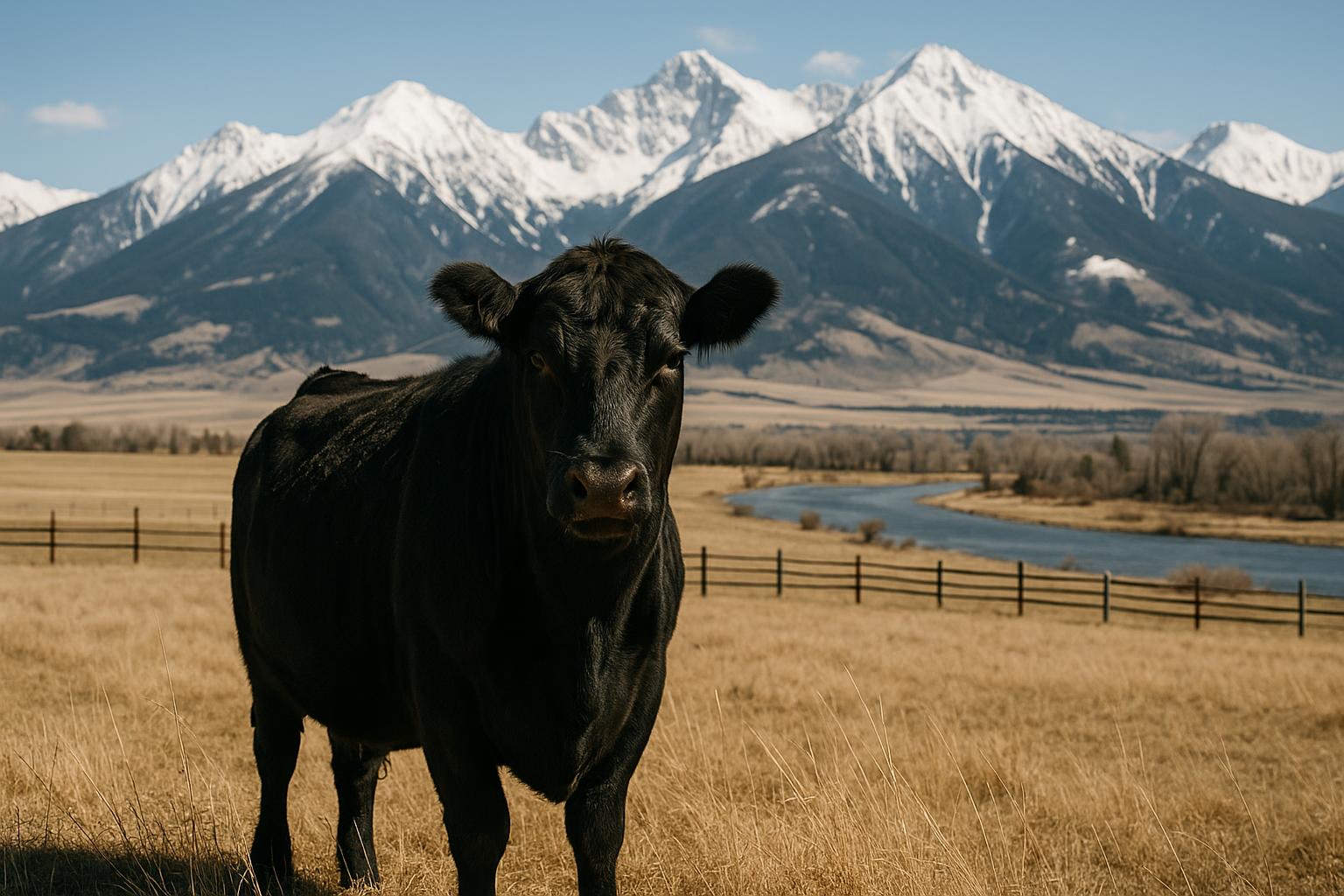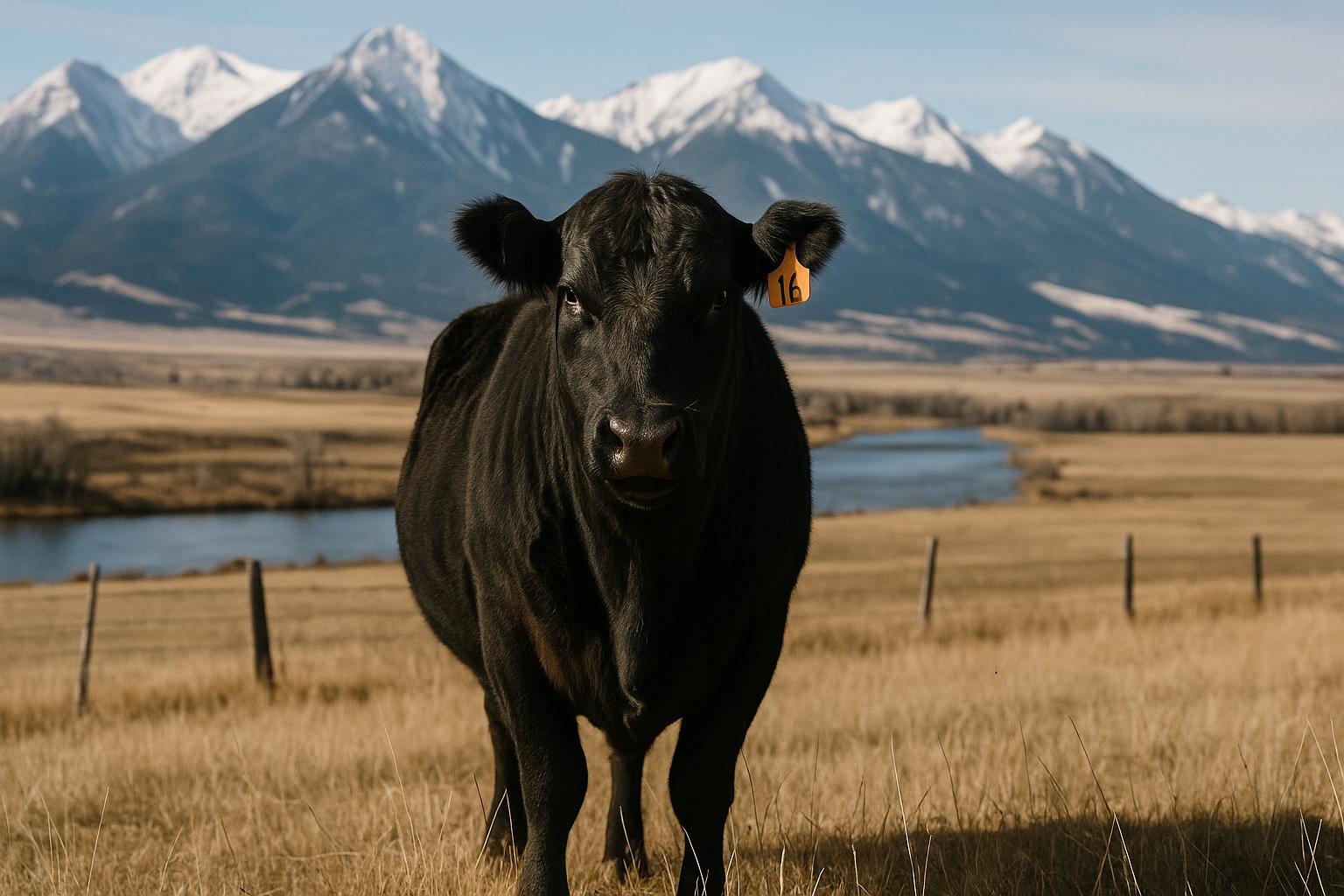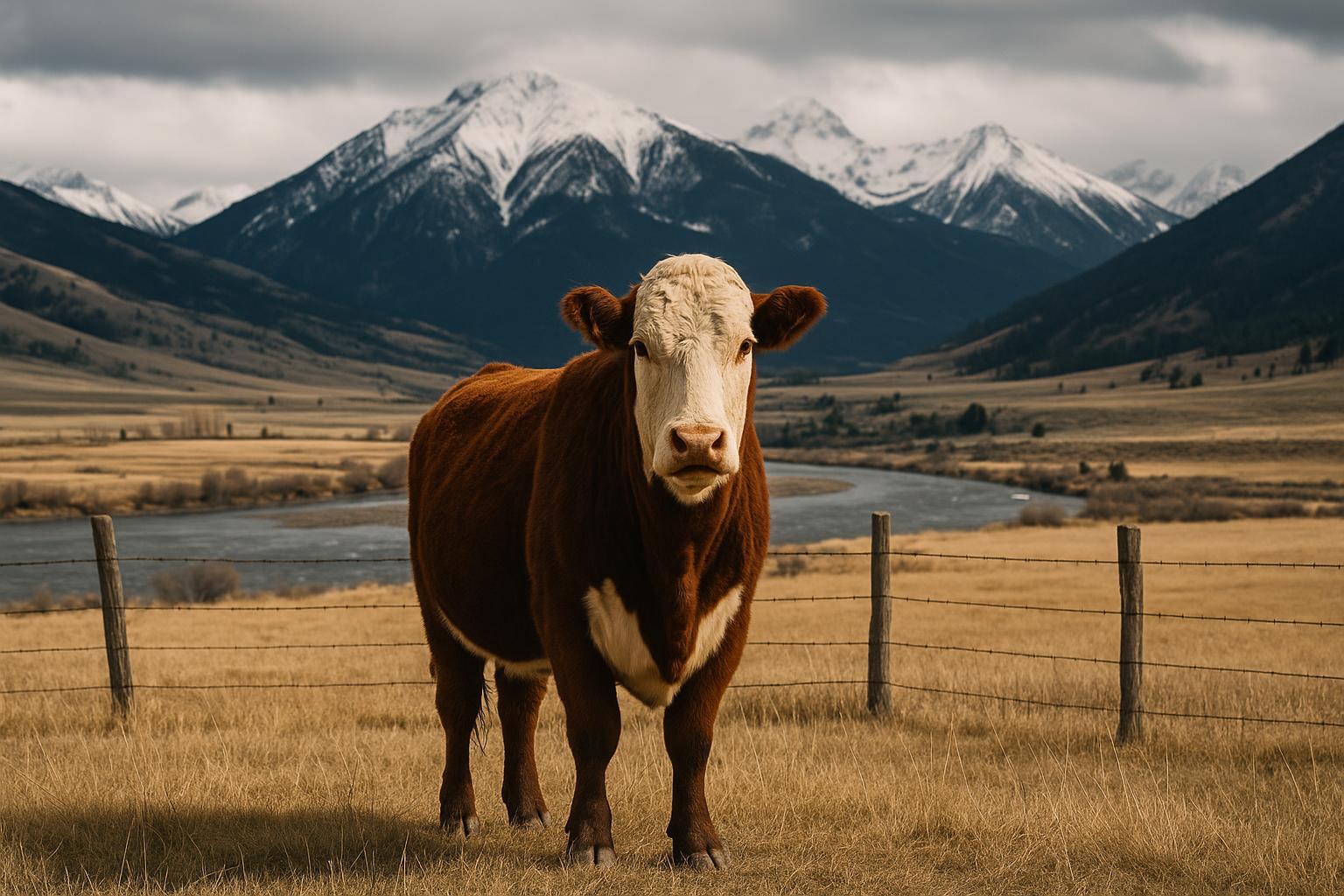
From the Hi-Line to the Yellowstone Valley, Montana ranchers are used to managing risk—weather swings, feed costs, and fickle markets. Lately, the conversation around the sale barn coffee counter has included more questions about animal health advisories, shifting export demand, and the steady drumbeat of mergers and acquisitions across the meat and animal health sectors.
This isn’t a “sky is falling” moment, but it is a reminder that today’s cattle business is tied to global trade, interstate animal movement, and a supply chain that can change quickly. Below is a practical roundup of what to watch, where to find reliable information, and how to think about the next few months in a way that fits Montana operations—cow-calf, backgrounding, and beyond.
Livestock health: stay current, stay calm
Animal disease headlines can move fast, and early reports don’t always reflect the final picture. When you see a disease story making the rounds, the best move is to verify it through official channels and then evaluate what (if anything) changes for your operation.
For Montana producers, two dependable starting points are:
- Montana Department of Agriculture (animal health updates, regulatory notices)
- USDA APHIS (federal animal health information, disease response resources)
Reports indicate that when disease concerns emerge—whether it’s a livestock illness, a wildlife-livestock interface issue, or a new import/export rule tied to animal health—timely communication becomes as valuable as vaccines and fencing. That means staying in touch with your veterinarian, reading state/federal advisories, and keeping clean records of animal movement.
Biosecurity basics that fit Montana reality
Biosecurity doesn’t have to mean turning your place into a fortress. It’s about reducing avoidable exposure, especially during high-traffic times like weaning, shipping, and bringing in replacement animals.
- Know your sources: If you’re buying bulls, heifers, or feeder cattle, ask about vaccination history and recent commingling.
- Quarantine when possible: Even a short separation period for new arrivals can help you spot problems early.
- Control traffic: Designate a clean area for deliveries and visitors, and keep a log during busy seasons.
- Clean shared equipment: Trailers, portable panels, and load-out areas can be overlooked risk points.
- Work with your vet: Align vaccination and parasite control with your marketing plan and your region’s risk profile.
If you graze near public land or areas with high wildlife presence, it’s also worth discussing practical steps with your vet and local extension. Montana’s landscape is a strength, but it does create unique contact points between livestock and wildlife.
Exports and demand: why global markets still matter in Big Sky Country
Even if your calves never leave the state, export demand can influence bids at the local level. When international buyers are active, it can support wholesale beef values and, in turn, feeder and fed cattle prices. When trade slows—due to currency shifts, shipping disruptions, or animal health-related restrictions—markets can feel it.
For producers wanting a steady, non-hype snapshot of trade and market signals, these resources can help:
- USDA Economic Research Service (market analysis and data)
- USDA AMS Market News (prices, reports, movement trends)
One practical takeaway: if you’re retaining ownership or planning to background, pay attention not only to local hay and pasture conditions, but also to broader signals like boxed beef trends and export updates. You don’t need to become a commodities trader—just keep an eye on the forces that can widen or narrow your marketing options.
Consolidation and mergers: what changes, what doesn’t
Across agriculture, consolidation tends to show up in a few places: meatpacking, feed and animal health, genetics, and technology services. When companies merge or acquire competitors, the effects can be mixed. Sometimes it means new investment and better logistics. Other times, it can reduce competition in certain regions or narrow the range of services available locally.
For Montana ranchers, the on-the-ground questions are straightforward:
- Will there be fewer (or more) bids? Competition matters at the sale barn and in direct marketing.
- Will freight and delivery timelines change? That can affect everything from mineral to vaccine availability.
- Do contract terms shift? If you’re selling on grids, retained ownership, or specialty programs, read updates carefully.
If you’re tracking policy and competition issues, the USDA and the Federal Trade Commission are two places where major actions and public documents may appear. Not every deal affects Montana directly, but it’s worth watching for changes that touch pricing, access, or service in the Northern Rockies.
Weather, forage, and the “hidden” livestock headline
In Montana, some of the most important livestock news isn’t corporate or international—it’s precipitation, snowpack, and grass. A late spring can compress calving and turnout decisions. A dry summer can speed up marketing and change weaning weights. An early winter can stress feed inventories and drive up hauling.
Two reliable tools many producers check regularly:
- U.S. Drought Monitor (weekly drought status)
- USDA NRCS (snowpack and water supply information)
Weather doesn’t just affect forage—it can also influence disease pressure (mud, standing water, stress during temperature swings) and marketing timing (road conditions, trucking availability, and buyer turnout).
What this means for Montana
Montana ranching is built on independence, but the business is interconnected. The most useful approach right now is to treat “livestock news” as a checklist—health, markets, and logistics—rather than a stream of alarming headlines.
- For cow-calf producers: Keep vaccination and weaning plans aligned with your buyer base, and document animal movement and health work. If disease advisories pop up elsewhere, you’ll be ready to answer questions at sale time.
- For backgrounders and stocker operators: Manage commingling risk and pencil out feed scenarios with weather uncertainty in mind. Small changes in gain and death loss can matter more than a few cents in the market.
- For seedstock operations: Transparency and records are an advantage. Buyers want confidence in health programs, testing protocols, and how new animals are introduced.
- For everyone: Watch export and packing signals, but don’t chase every rumor. Use primary sources, talk with your vet, and keep marketing flexibility where you can.
Montana producers have always adapted—often faster than the headlines. The goal isn’t to predict every twist in markets or animal health. It’s to build an operation that can handle surprises without getting forced into the worst possible decision at the worst possible time.
Inspiration: www.agriculture.com