When the days get long on Montana ranches and the county fairgrounds start filling up, rodeo season feels less like a weekend diversion and more like a traveling scoreboard. In saddle bronc, that scoreboard can swing fast—one big check, one great horse, one clean ride at the right time—and suddenly a rider is in the conversation for Las Vegas.
Reports indicate the PRCA’s top tier of saddle bronc riders heading toward the Wrangler National Finals Rodeo (NFR) is already taking shape for the 2025 run, with a familiar pattern: consistency, smart scheduling, and staying healthy through a season that can stretch from winter rodeos into late summer and fall.
How the road to the NFR actually works
Saddle bronc is a season-long points and earnings grind, and it’s easy to get lost in the weekly rankings. In plain terms, riders are chasing money won at PRCA rodeos, with the goal of finishing high enough to qualify for the NFR in December. While fans often focus on “who’s in the top 15,” the reality is that the bubble can be tight and volatile—especially after big-paycheck events and as circuit finales and late-season rodeos stack up.
- Consistency matters: A string of 83–86 point rides can outpace a boom-or-bust season.
- Horse draw is huge: The same rider can look ordinary on one bronc and electric on another.
- Travel is part of the job: Many contenders bounce between states weekly, balancing entry deadlines, drive time, and recovery.
For Montana folks who don’t live on the rodeo trail, it’s worth remembering: the best bronc riders aren’t just tough; they’re logistical pros. The schedule is its own opponent.
What separates today’s top saddle bronc riders
Even without naming every rider currently in contention, the profile of a top-15 caliber saddle bronc hand is fairly consistent across the PRCA. The best are efficient in the chute, disciplined about fundamentals, and calm enough to let the horse do what it’s going to do—then match it jump for jump.
Here are a few traits that show up again and again among the season leaders:
- Timing and control: Winning rides look “easy,” which usually means the rider is in perfect time with the horse’s motion.
- Setup and gear discipline: Spur placement, rein length, and how a rider sets their feet can decide the first two jumps.
- Staying sound: Saddle bronc is punishing. The contenders are often the ones who manage injuries and still show up.
- Rodeo IQ: Smart entry strategy—knowing which rodeos fit a travel loop and where the added money is—can be the difference late in the year.
Montana’s rodeo fans have seen it at places like Livingston, Dillon, and Miles City: the rider who looks composed in the chute often looks composed in the results, too.
Key moments that can reshape the standings
In most seasons, there are predictable “pressure points” where the leaderboard can change quickly. If you’re watching from Montana, these are the stretches where a rider can go from outside-looking-in to safely in the mix—or the other way around.
- Big summer runs: Mid-summer rodeos and runs with strong added money can create major movement.
- Late-season pushes: As the calendar turns toward fall, some riders enter aggressively to climb, while others protect position and manage risk.
- Injury weeks: A missed weekend can be costly, especially if a close competitor cashes big.
For readers who want to keep tabs without chasing rumors on social media, the most reliable place to monitor official standings is the PRCA’s site: prorodeo.com.
Montana connections: why this event still feels local
Even when the top of the standings is stacked with riders from across the West and beyond, Montana stays connected to saddle bronc in a way that’s hard to explain to outsiders. Part of it is culture—ranch kids who grew up around horses and stock. Part of it is geography—Montana is a travel corridor for rodeo athletes chasing checks from town to town. And part of it is that bronc riding, at its best, looks like the same horsemanship you see in everyday work, just turned up to eleven.
Montana has produced its share of tough bronc riders over the decades, and even when a Big Sky name isn’t leading the world standings, there’s usually a Montana tie somewhere: a rider wintering here, a stock contractor hauling through, or a rodeo committee that’s built an event strong enough to matter on the road.
What to watch if you’re a fan (or a rancher who appreciates a good horse)
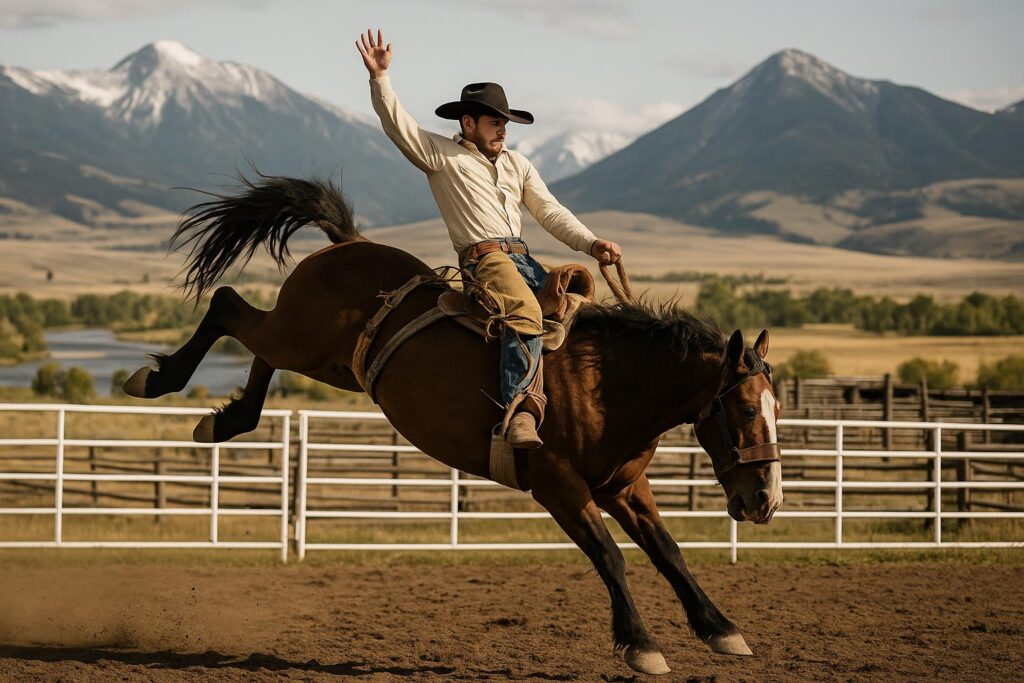
Saddle bronc is one of the best events for appreciating how much the horse contributes. If you’re watching highlights or catching a performance in person, keep an eye on a few details that often predict the score before it hits the screen.
- First jump: A clean start sets the rhythm. A broken start can force a rider into catch-up mode.
- Spur action: Judges look for control and consistent, legal spurring—more “in time” than “wild.”
- Rein hand: A steady rein hand often signals balance. A flailing rein hand often signals trouble.
- Horse’s direction and power: The best broncs are athletic and consistent, with strong jumps that stay in front of the rider.
If you’re introducing kids to rodeo, saddle bronc is a good event to talk about stockmanship, too: the care, hauling, and breeding that goes into producing great bucking horses is a serious business across the West.
What this means for Montana
Montana’s relationship with rodeo isn’t just about entertainment—it’s tied to rural economies, community identity, and the broader livestock world. As the saddle bronc season builds toward the NFR, there are a few real-world impacts worth noting.
- Local rodeos benefit from momentum: When the national standings are tight, more top riders may enter events that fit their travel loop. That can raise the level of competition at Montana stops and draw more fans.
- Tourism and small-town dollars: A strong rodeo weekend fills motels, sells meals, and keeps fairgrounds busy—especially in communities where summer events are a major economic driver.
- Visibility for Montana stock and horse programs: The NFR spotlight often trickles back down to the businesses behind the scenes—contractors, horse breeders, and the folks who keep arenas running.
- Youth inspiration: When kids see a disciplined, professional approach to riding and animal care, it reinforces the same work ethic that plays well on a ranch or farm.
There’s also a practical angle: a good rodeo is a reminder that horsemanship still matters in Montana. Whether you’re doctoring calves, checking fence, or just trying to keep a sane head horse under you in a stiff wind, the fundamentals overlap more than people think.
How to follow along without getting burned by hype
The closer it gets to December, the louder the talk gets—who’s “in,” who’s “out,” who’s “hurt,” who’s “hot.” The safest approach is to stick to official standings and confirmed reports from established rodeo outlets.
Good places to start:
- PRCA official site for standings and results
- Wrangler NFR information for event details and scheduling
And if you’re planning a trip to watch in person, keep an eye on ticket releases and lodging early. Las Vegas can get tight fast when rodeo week hits.
Inspiration: westernhorseman.com