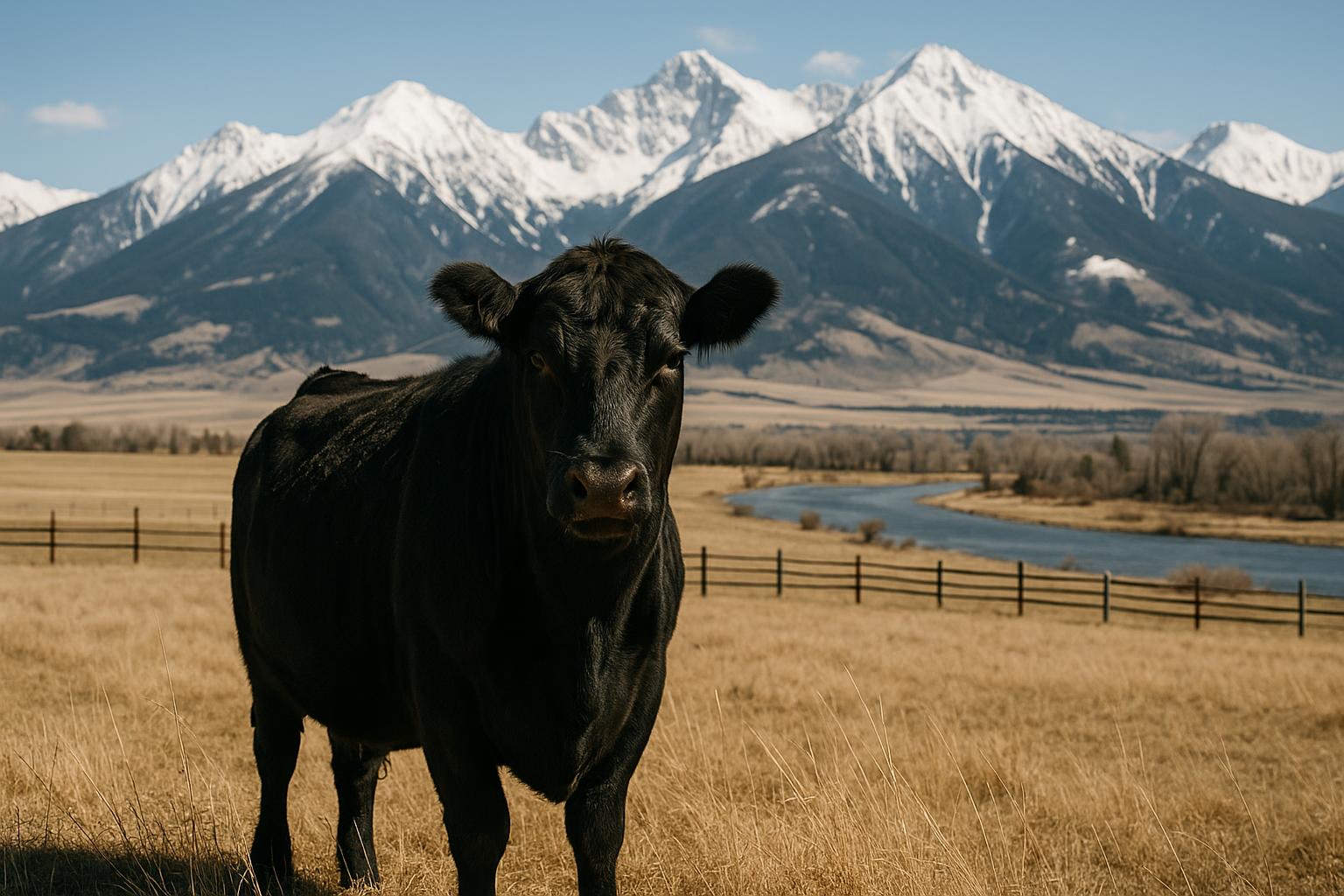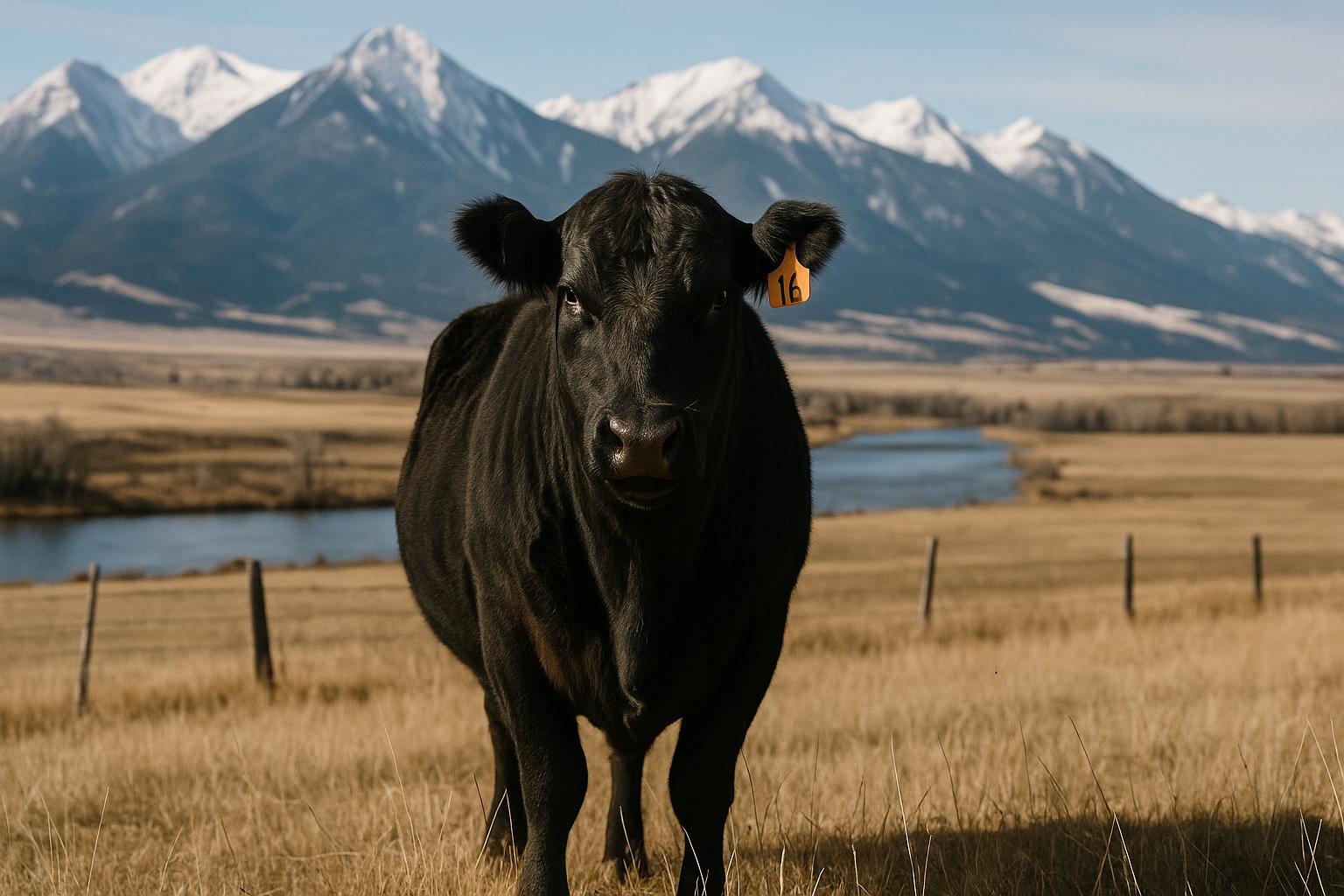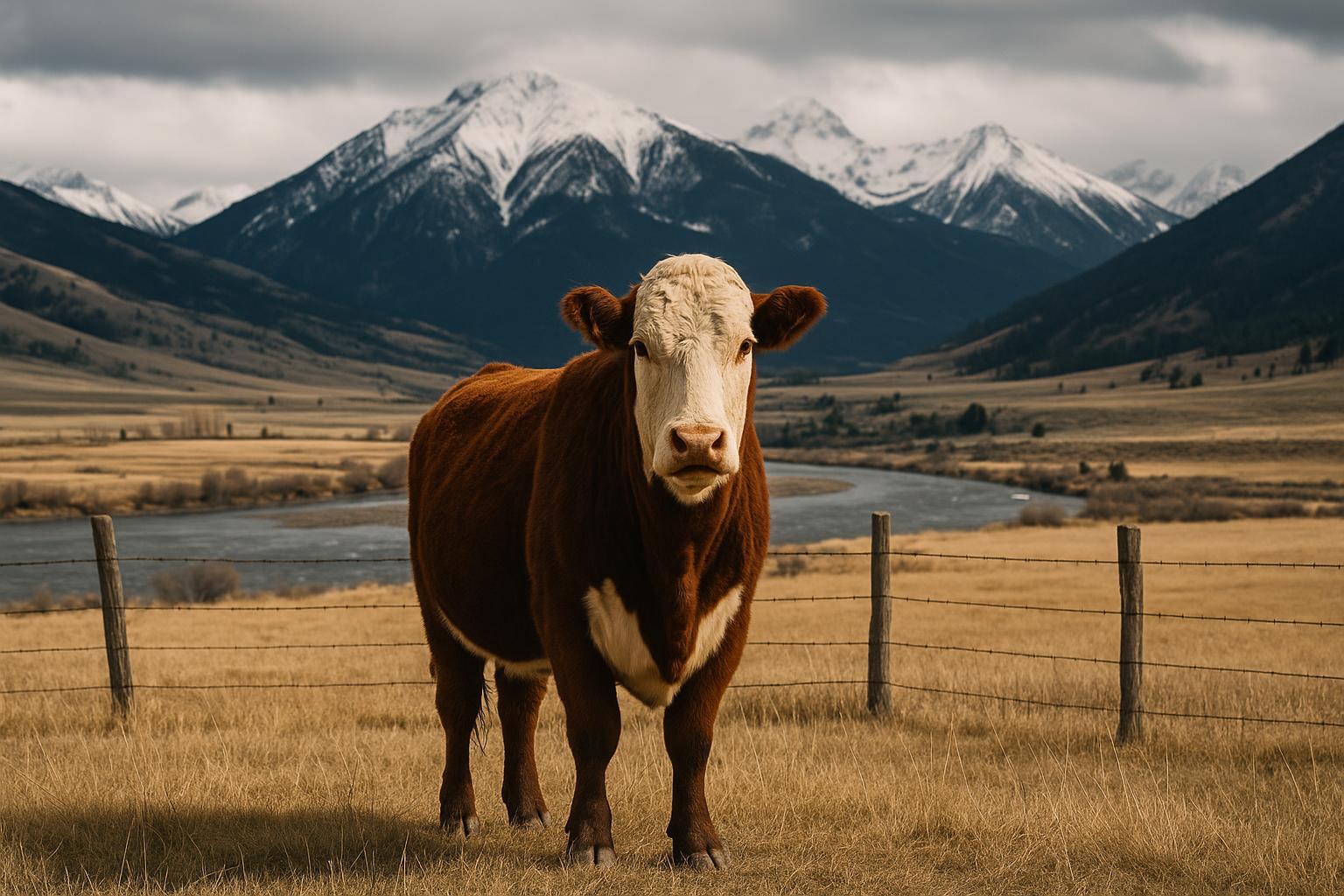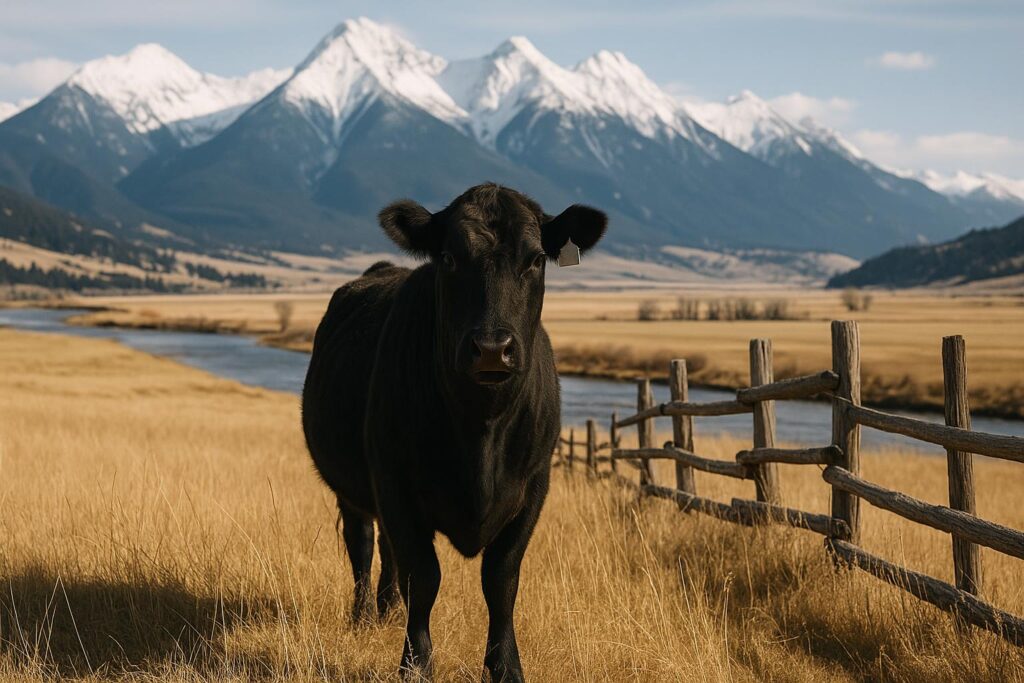
Listings for young cow-calf pairs can be more than a simple “for sale” notice—they’re a snapshot of what buyers are chasing and what sellers believe the market will reward. A recent online listing from Central Texas featuring a small set of first-calf pairs (Angus/Brangus cross, described with “BMF” in the listing) is one of those examples. While the offering is outside Montana, the signals in a pair listing—age, breed makeup, calf side, and management notes—are the same factors Montana producers weigh when they’re buying replacements, marketing pairs, or deciding whether to hold heifers back.
This isn’t a price report and it isn’t a recommendation to buy cattle from out of state. It’s a practical look at what a first-calf pair listing implies, what questions Montana ranchers typically ask before writing a check, and how those considerations translate to our conditions from the Hi-Line to the Ruby Valley.
Why first-calf pairs draw attention
First-calf pairs (heifers that have calved once and are now running with their first calf at side) often sit in a “sweet spot” for some operations: young enough to offer multiple years of production, but with a proven ability to calve and mother up. They can also be a higher-risk purchase than mature pairs because young females are still growing and can be more sensitive to nutrition, weather stress, and management changes.
In Montana, that risk-reward balance matters. Our spring weather can turn fast, and a young cow that did fine in a milder environment may need time—and groceries—to handle a colder, windier calving season or a longer winter feeding period.
Breed makeup: Angus/Brangus and what it can mean
The Texas listing describes Angus/Brangus pairs. Brangus cattle are a Brahman–Angus composite, generally selected for heat tolerance, insect resistance, and longevity in tougher southern environments. In Montana, straight Brahman influence is less common, but crossbreeding for maternal traits and hybrid vigor is familiar territory.
How that translates here depends on where you ranch and how you manage:
- Cold tolerance: Cattle with more Bos indicus influence can be more susceptible to cold stress, especially in wet, windy conditions. That doesn’t mean they can’t work in Montana, but it raises the bar on shelter, bedding, and nutrition in harsh spells.
- Disposition and handling: Temperament is individual and line-dependent. Buyers should evaluate cattle in person when possible and ask about handling history.
- Marketing options: If you sell calves into a program that prefers specific hide colors or breed types, know how that cross will be received. Some grids and buyers are flexible; others are not.
For Montana producers committed to Angus-based systems, the bigger takeaway isn’t “switch breeds.” It’s that buyers are still seeking maternal function—fertility, udder quality, soundness, and a live calf—sometimes even ahead of “paper” traits.
“BMF” and the importance of clarifying terms
The listing uses the term “BMF.” Online sale terms can vary by region and seller. Without clear definition from the seller, Montana buyers should treat shorthand like this as a prompt for follow-up questions, not as a guarantee of anything.
If you’re evaluating any listing that uses abbreviations, ask directly:
- What does the term mean in this context?
- Is it tied to a documented program, a bull battery, or simply a seller description?
- Is there written documentation (vaccination records, breeding dates, bull exposure, pregnancy checks if applicable)?
Clear definitions protect both sides of a deal, especially when cattle are marketed online and the buyer is several states away.
Questions Montana buyers should ask on any pair listing
Whether the cattle are in Texas, eastern Montana, or across the line in Wyoming, the fundamentals don’t change. Before buying pairs, ask for specifics and verify what you can.
- Age verification: Are they documented first-calf females? Brand inspection and age/source paperwork can help in Montana transactions.
- Calf details: Calf age, sex, sire information if known, and whether calves have been processed (brands, vaccinations, castration, dehorning).
- Breeding status: Are the cows exposed back? If so, to what bull, for what dates, and is there a pregnancy check plan?
- Vaccination and health program: What products were used and when? If the seller can’t provide a schedule, assume you’ll be starting over with your veterinarian.
- Soundness: Feet, legs, udder, and teeth. First-calf pairs can look good standing still; watch them travel.
- Nutrition and environment: What were they wintered on? Grass type matters. A set developed on lush forage may struggle on dryland range without a transition plan.
Montana State University Extension has practical resources on herd health and nutrition planning that can help frame these questions; see MSU Extension for local guidance and contacts.
Transportation, biosecurity, and paperwork: the unglamorous deal-breakers
Out-of-state cattle can pencil out on paper and still turn into a headache if logistics aren’t lined up. Montana buyers considering cattle from another region should budget time and dollars for:
- Hauling and shrink: Long-distance transport can mean weight loss, stress, and a higher chance of respiratory issues.
- Health requirements: Import requirements and testing can change. Work with your veterinarian and consult the Montana Department of Livestock for current rules and brand inspection expectations.
- Quarantine and commingling: A short isolation period and a careful introduction can reduce disease risk to your resident herd.
It’s also worth remembering that calves at side complicate hauling and handling. Stress on young calves can show up later as sickness or poor performance.
Reading the market signals without over-reading them
A small listing doesn’t define the market, but it can echo broader trends. Reports from sale barns and market analysts in recent years have frequently pointed to strong demand for females when producers expect tighter supplies and better calf prices ahead. First-calf pairs, in particular, can be sought after when operators want to expand quickly without waiting for heifers to develop.
Still, a listing alone doesn’t tell you:
- What the cattle will actually sell for
- How many similar groups are available regionally
- Whether the seller’s description matches on-the-ground condition
For Montana producers, the best approach is to use listings as a “what are people shopping for?” indicator, then confirm local price discovery through your auction market, private treaty contacts, and reputable market reports.
What this means for Montana
Even though this particular offering is based in Central Texas, it highlights a few Montana-relevant realities as we head into another production cycle:
- Young, proven females remain a focus: First-calf pairs are attractive because they’re productive now and have runway ahead—if they fit your environment.
- Function still sells: Buyers are drawn to females that calve unassisted, mother well, and maintain condition. Those traits matter as much on the Yellowstone as they do on the Brazos.
- Environment match is everything: Montana winters, long hauling distances, and big country test cattle differently. Any out-of-region purchase should come with a transition plan and realistic expectations.
- Documentation adds value: Clear health records, breeding exposure details, and age verification reduce uncertainty and support better pricing—especially in private treaty deals.
If you’re considering adding pairs in Montana this year, talk with your local veterinarian about a receiving plan, and lean on trusted neighbors and market operators for what’s moving in your area. The right pairs can lift a program for years; the wrong fit can drain time, feed, and patience fast.
Inspiration: www.cattlerange.com