Across Montana, the countdown is on for farmers market season. In many towns, opening day is less about a ribbon cutting and more about whether vendors have seedlings hardened off, freezers running, labels printed, and the right permits lined up. Reports from regional market managers and longtime vendors indicate customer traffic has held up in recent years, but shoppers are also more price-conscious, pushing producers to be sharper about product mix, packaging, and consistency.
From the Gallatin Valley to the Flathead Valley, early-season sales can set the tone for cash flow—especially for diversified farms, market gardens, and ranch families selling beef, lamb, eggs, honey, or value-added products. Markets also matter for rural communities: they keep food dollars local and create a dependable outlet for smaller volumes that don’t fit commodity channels.
Markets Are Opening Soon—and Competition Is, Too
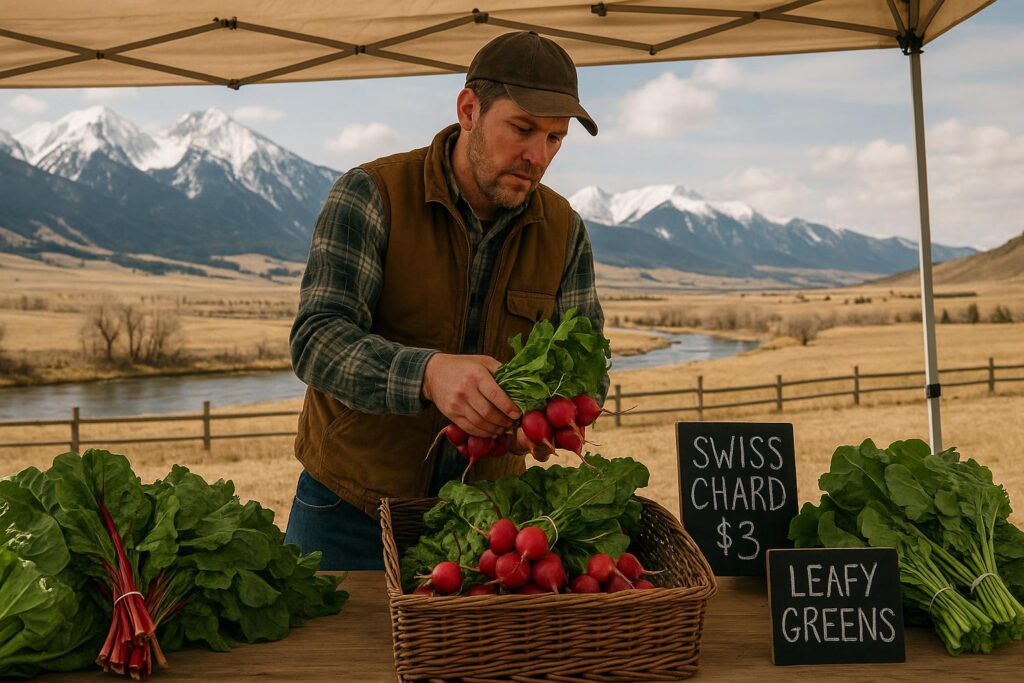
Montana’s spring is rarely uniform. A warm stretch can jump-start greens in the Yellowstone Valley, while cooler nights linger longer in the Flathead and higher-elevation valleys. That variability shows up at market tables: early weeks often feature salad mix, spinach, radishes, greenhouse starts, eggs, and frozen meats before field-grown produce hits stride.
What’s different this year is the business side. Many producers are still dealing with higher input costs—seed, potting mix, packaging, fuel, and labor. At the same time, customers are watching their grocery bills and may compare market prices more closely than they did when shelves were less predictable.
- For produce growers: early-season planning often comes down to succession planting, reliable harvest windows, and minimizing shrink on windy, dry days.
- For meat and egg sellers: inventory planning, freezer capacity, and clear pricing (by the pound and by the package) can make or break a Saturday.
- For value-added vendors: ingredient sourcing and batch scheduling need to match market traffic—especially if you’re also supplying stores or restaurants.
Many Montana markets also emphasize “producer-only” rules—meaning the person behind the table must have grown or raised the product. That helps protect trust, but it also means vendors need to be ready to talk about their operation and methods.
Why Farmers Markets Matter in a Cautious Economy
Farmers markets are not a replacement for the cattle market or grain elevator. But they are a meaningful piece of the income puzzle for smaller operations and for ranch families diversifying their marketing. Direct-to-consumer sales can capture more margin per unit, but they also require time: customer service, travel, setup, and compliance.
In Montana, direct marketing can be especially important in years when drought or irrigation limitations cut hay yields and pasture performance. If a ranch is forced to tighten stocking rates or sell calves earlier than planned, a steady direct-sales outlet—whether it’s beef bundles, eggs, or shelf-stable products—can help smooth the bumps.
Markets also create a feedback loop. Producers learn quickly what’s moving, what’s not, and what customers ask for. That information can guide planting decisions, packaging sizes, and whether it’s worth adding a new product line.
Practical Prep: What Vendors Are Dialing In Before Opening Day
Producers who do well at Montana markets tend to treat it like any other enterprise: plan, track, adjust. Here are common pre-season priorities vendors are working through:
- Licensing and food safety: If you’re selling processed or ready-to-eat foods, confirm what’s required through the Montana DPHHS Food and Consumer Safety Section. Requirements vary by product and handling.
- Weights, measures, and labeling: Meat, honey, and packaged goods often need clear net weight and ingredient labeling. If you sell by weight, make sure your scale is appropriate and compliant.
- Payment options: Cards and tap-to-pay are increasingly expected. Some markets also participate in SNAP/EBT programs; if that matters to your customer base, ask the market manager what’s available.
- Cold chain and display: For meats and dairy, reliable coolers and thermometers aren’t optional. For produce, shade and misting can reduce wilting on dry, windy mornings.
- Pricing strategy: Consider posting prices clearly and keeping them consistent week-to-week when possible. Customers notice sudden swings.
For ranchers selling beef direct, the market can also be a lead generator. Even if someone doesn’t buy a roast that day, they may sign up for a quarter/half later. Having a simple handout—cut list basics, pickup dates, and contact info—can turn foot traffic into future sales.
Regional Notes: What’s Different Across Montana
Market season looks different depending on where you are and what water you have.
- Bitterroot Valley: Growers often benefit from a strong local-food culture, but late frosts can still pinch early plantings. Watch nighttime lows and be ready with row cover.
- Gallatin Valley: Strong demand from a growing population can support higher-volume vendors, but competition is real. Consistency and branding matter.
- Flathead Valley: Tourism can boost mid-summer sales. Vendors may see spikes around holiday weekends, which can strain inventory if you’re not planning ahead.
- Yellowstone Valley: Longer, warmer stretches can bring earlier field production in some years. Irrigation scheduling and wind protection are often key for market gardens.
- Hi-Line: Markets can be smaller and more community-focused. For producers, that can mean steadier relationships—but also fewer “new” buyers, so repeat-customer service is everything.
What This Means for Montana Ranchers and Farmers
For Montana producers, farmers markets are a reminder that marketing is part of production. The same weather that shapes hay tonnage and pasture turnout also shapes what shows up on market tables and when.
- Cash flow timing: Early-season market sales can help pay for seed, fertilizer, fencing repairs, and fuel before bigger revenue shows up later in the year.
- Drought resilience: When forage is tight and margins are thinner, diversified direct sales can provide a secondary income stream—though it comes with added labor and regulatory responsibilities.
- Price discovery: Direct sales provide real-time signals about consumer willingness to pay for local beef, eggs, produce, and specialty items—useful information when deciding how much to expand (or not).
- Community ties: Markets can build loyal customers who follow you through tough years. That matters when drought, wildfire smoke, or irrigation limits reduce production and you need understanding buyers.
None of this replaces the fundamentals—rain, water allocations, pasture condition, and the cattle market still drive the big numbers. But for many operations, market season is one of the few places where you can control the story around your product and capture value for quality and stewardship.
What to Watch Next in Montana Agriculture
As market season ramps up, several on-the-ground factors will shape how strong direct sales can be:
- Moisture and irrigation outlook: Keep an eye on local water supply updates and on-farm ditch conditions. Even short-term restrictions can change what growers can bring to market week-to-week.
- Hay and feed conditions: If first cutting comes in light in parts of the state, ranchers may adjust herd plans earlier. That can influence how much beef ends up in freezers for direct sale later.
- Consumer spending: Watch whether shoppers maintain basket size as summer goes on. If sales soften, vendors may need to adjust product mix (more staples, fewer luxury items) or offer smaller package sizes.
- Labor availability: For produce operations, harvest and market staffing can become the bottleneck. If labor is tight, consider fewer market days with a stronger display rather than stretching thin.
- Regulatory reminders: If you add a new product—jerky, canned goods, dairy, ready-to-eat items—double-check rules before you invest. It’s easier to build compliance in from the start than to fix it mid-season.
Bottom line: farmers markets are opening into a season where Montana producers are balancing high costs, weather variability, and customers who want local food but still need value. The vendors who do best are usually the ones who treat the market like a business—track what sells, keep quality consistent, and stay ready to pivot when weather and water force changes.
Inspiration: brownfieldagnews.com