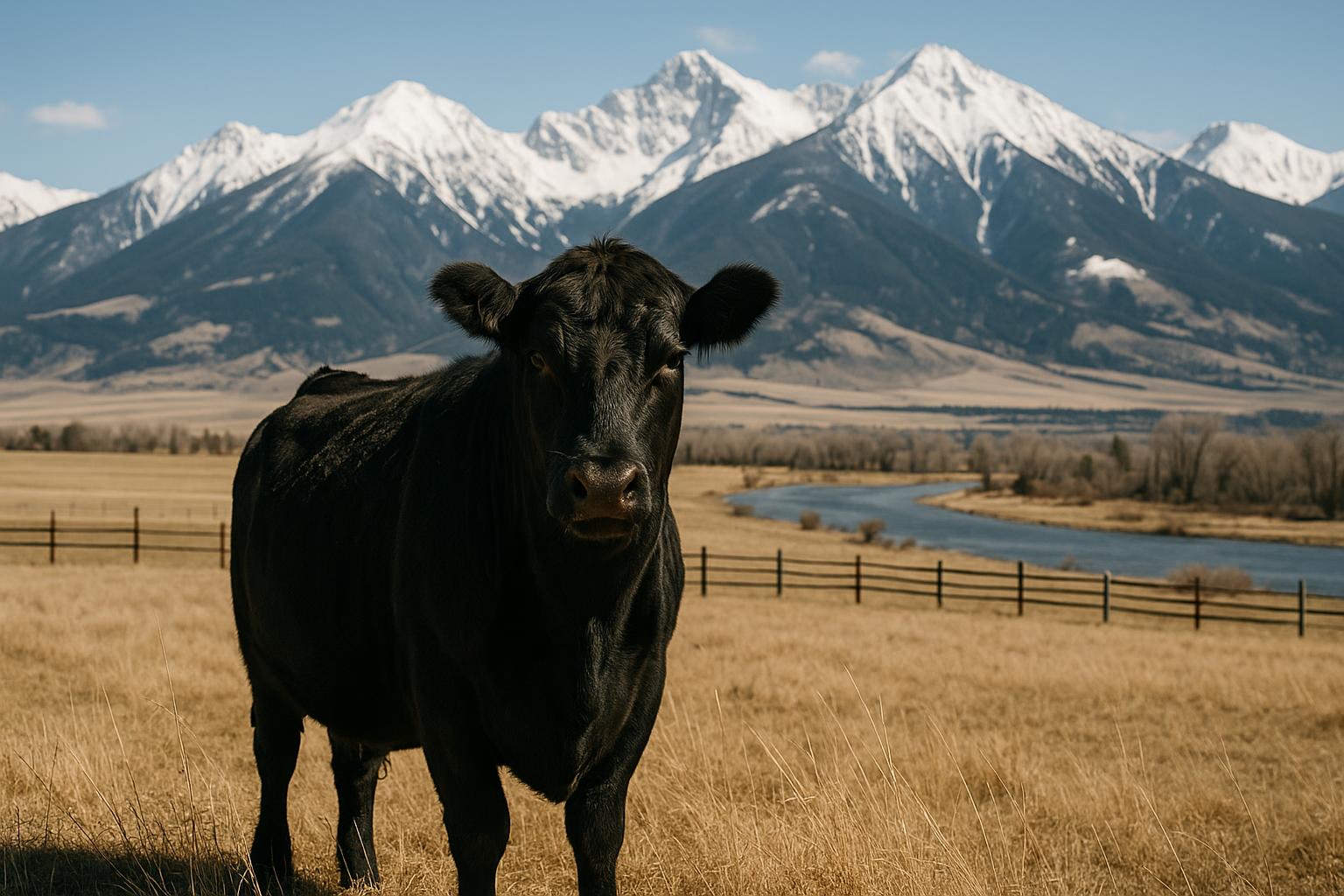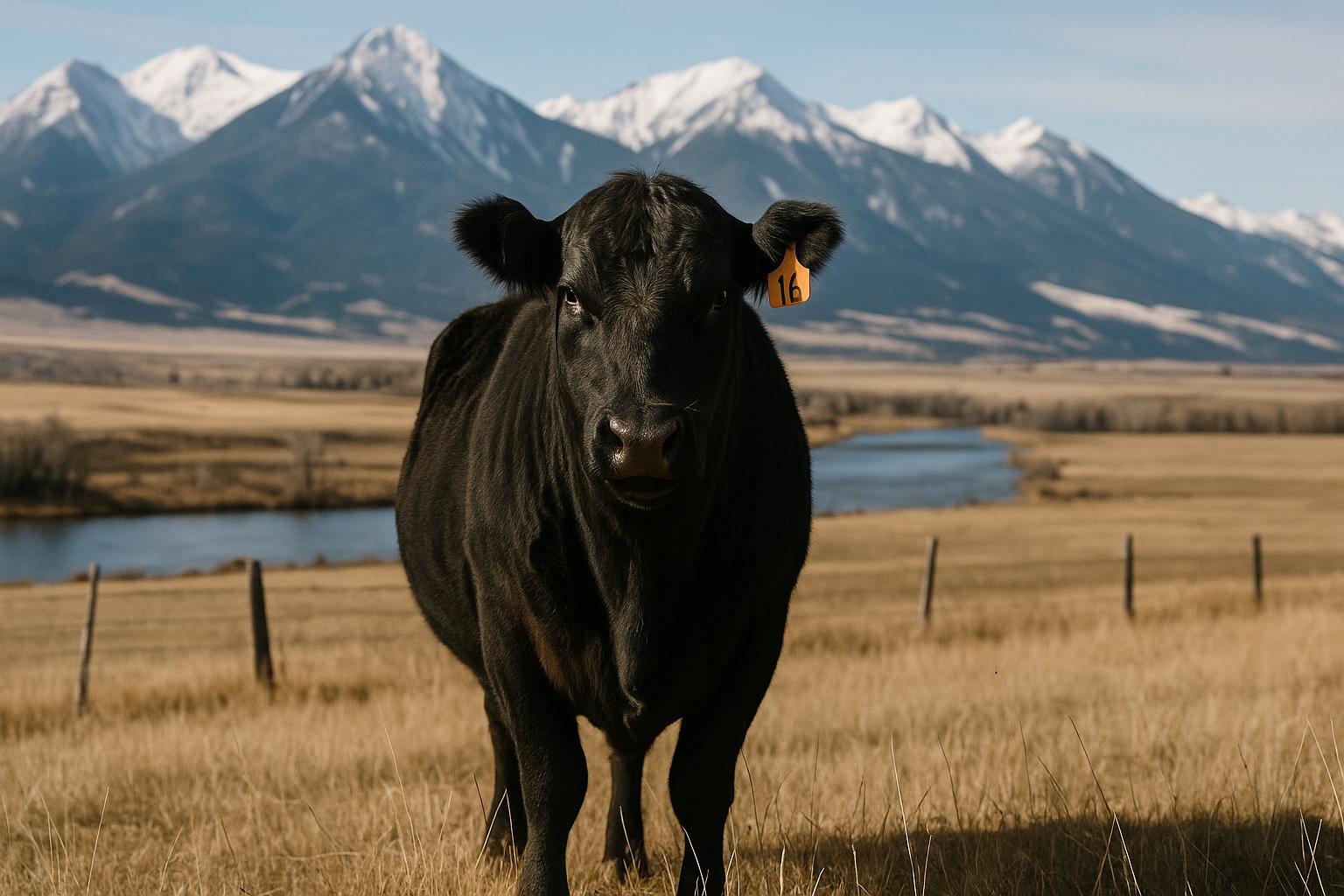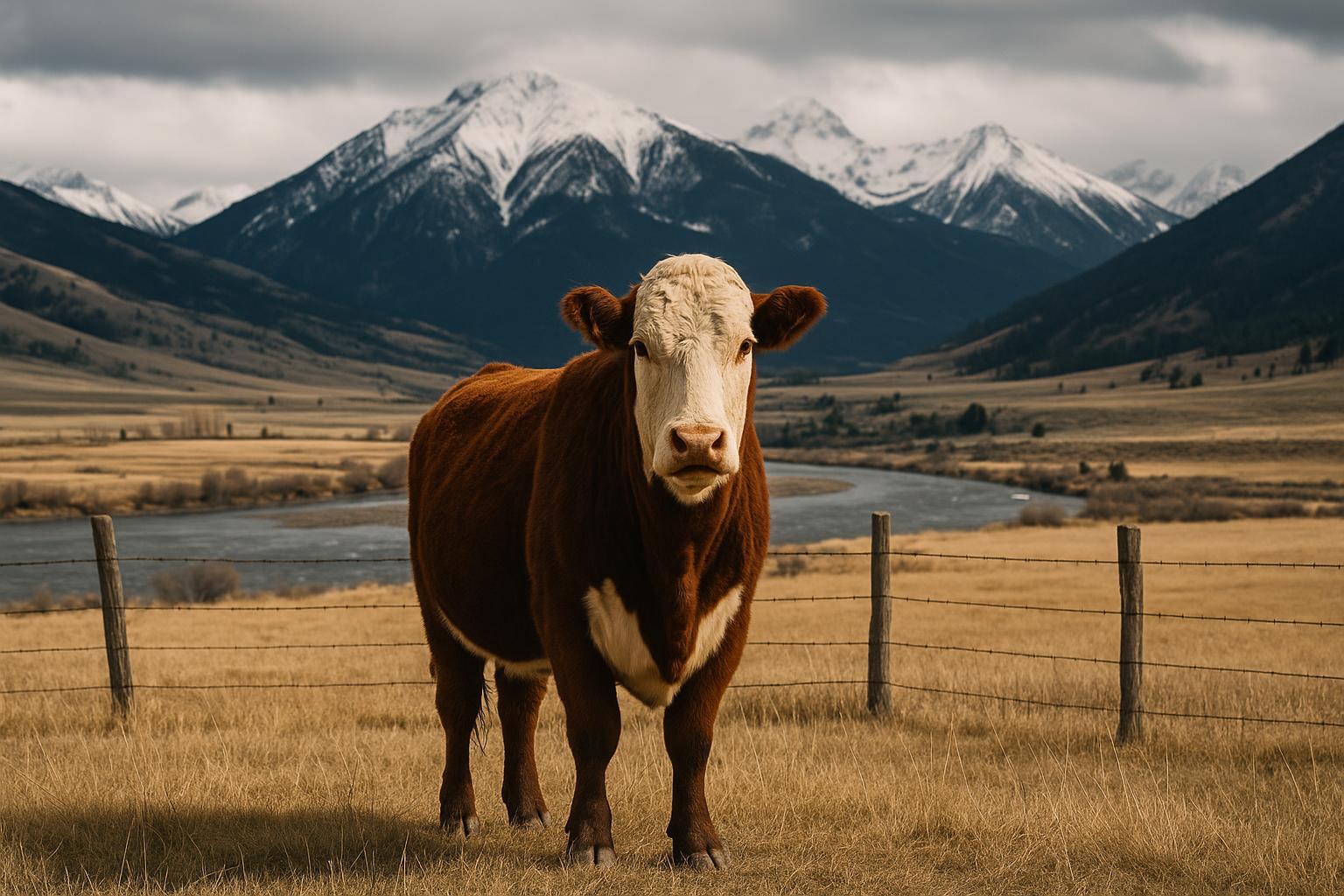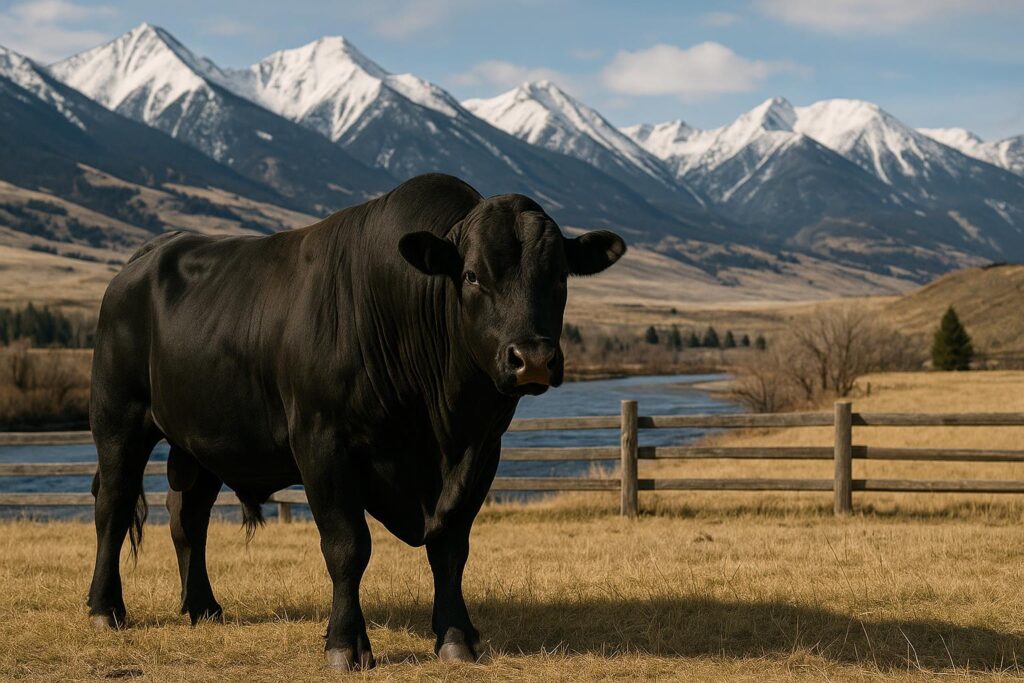
As Montana ranchers line up breeding-season plans, a recent online listing for multiple Brangus bulls out of Central Texas is a reminder that bull shopping is already underway in many parts of the country. While a Texas offering doesn’t automatically translate to a fit for Northern climates, it does underline a familiar truth on Montana outfits: the bull battery is one of the biggest drivers of next year’s calf crop, and decisions made now show up in weaning weights, calving distribution, and replacement heifers for years.
This piece isn’t a sales pitch for any one breed or region. Instead, it’s a practical look at what a multi-bull listing like that can signal about the market—and the checklist Montana producers can use when evaluating bulls, whether they’re buying locally, at a consignment sale, or considering out-of-state genetics.
Why multi-bull listings matter
When you see several bulls advertised together, it often suggests one of a few things: a program is turning over a group of similar-age bulls, a ranch is dispersing part of a herd, or a seller is marketing bulls that were developed and managed under similar conditions. For buyers, that can be useful because:
- Uniformity can make it easier to build a consistent calf crop.
- Comparable development (feed, age, health program) helps you judge bulls on a more level playing field.
- Negotiation and logistics may be simpler if you’re looking for more than one bull.
That said, listings are advertisements. Treat them as a starting point, and verify claims with records, a veterinarian, and your own eyes.
Brangus in a Montana context: potential and cautions
Brangus cattle, generally understood as a stabilized blend of Angus and Brahman influence, are often marketed for heat tolerance, hybrid vigor, and maternal traits. Those strengths can make sense in hot, humid environments and in certain crossbreeding systems.
For Montana, the question is less “Is Brangus good?” and more “Is this specific bull suited to my environment and goals?” Key considerations include winter hair coat, cold tolerance, temperament, and how calves will perform in your marketing channel.
- Climate fit: Bulls developed in warmer regions may need time to acclimate. Ask about where the bulls have been wintered and how they handled cold snaps.
- Hide and hair: Look for adequate hair coat and body condition appropriate for Northern winters.
- Disposition: Temperament matters for safety and handling efficiency, especially in big-country pastures.
- Market acceptance: Know what your buyer wants—sale barn, retained ownership, or a grid. Color, hide type, and perceived breed influence can affect bids in some markets.
What to ask before you travel (or bid)
If you’re considering bulls that aren’t down the road—especially out-of-state—get details up front. A few phone calls can save a long haul and a lot of disappointment.
- Registration and pedigree: If registered, confirm papers are in order and ask for a complete pedigree.
- EPDs and performance data: Request the full EPD profile and ratios (weaning, yearling, etc.) if available. Compare to breed averages, not just the seller’s top-line claims.
- Breeding soundness exam (BSE): Ask whether a recent BSE is completed and request documentation. If not, plan to have one done before turnout.
- Vaccination and parasite control: Get the herd health protocol in writing—vaccines, boosters, deworming, and any testing.
- Foot and leg management: Ask about trimming history, hoof issues, and how bulls have been managed on rocky or frozen ground.
- Delivery and risk of commingling: Find out whether the bulls have been housed with outside cattle or transported through collection points.
For general bull selection and management guidance, Montana producers often reference resources from MSU Extension and herd-health planning tools from the American Veterinary Medical Association.
On-the-ground evaluation: what to look at first
When you step into the pen, start with the basics. A bull can have impressive numbers and still be the wrong fit if he can’t travel, breed, or hold condition.
- Feet and legs: Watch him walk. Look for soundness, heel depth, and correct set to the hock and pastern.
- Body condition: Over-fat bulls can melt down fast on grass; overly thin bulls may not have the reserves for breeding.
- Eyes: Check for cancer eye risk, pigment, and overall eye health—especially important in bright, high-elevation country.
- Sheath and scrotum: Look for structural issues, injuries, or swelling. Scrotal circumference is linked to fertility and daughters’ puberty timing.
- Attitude: A high-headed, aggressive bull is a liability. Quiet cattle are easier on fences, horses, and people.
Biosecurity: the part that’s easy to skip
With cattle moving across state lines, biosecurity deserves more attention than it often gets. Even reputable sellers can’t eliminate all risk, and some diseases don’t show obvious signs right away.
Work with your veterinarian on a plan that matches your operation’s risk tolerance. Depending on your herd status and marketing goals, that plan may include testing, quarantine, and strategic vaccination. For interstate movement requirements and animal health rules, producers can check the USDA APHIS website and consult the Montana Department of Livestock for state-specific guidance.
- Quarantine window: Many outfits use a short isolation period for new bulls before mixing with the herd.
- Separate water and feed: Reduce nose-to-nose contact and shared water sources during the transition.
- Observe daily: Watch for respiratory signs, lameness, or off-feed behavior.
Breeding-season planning: matching bull power to pasture reality
Even the best bull can be set up to fail if turnout timing, cow condition, and pasture size don’t pencil out. Before buying, confirm you’re not just filling a gap—you’re building a plan.
- Cow-to-bull ratio: Age, terrain, and heat cycles matter. Yearlings and two-year-olds typically shouldn’t be pushed like mature bulls.
- Turnout condition: Bulls should be in athletic, not show-ring, shape. Consider a pre-breeding exercise period if they’ve been in a small lot.
- Synchronization and AI: If you’re using AI or estrus synchronization, bull management needs to align with tighter breeding windows.
- Backup plan: Have a contingency for injury or fertility problems—especially in remote pastures.
What this means for Montana
A Central Texas Brangus bull offering won’t dictate what happens in Big Sky Country, but it does highlight a few Montana-relevant trends:
- Competition for proven bulls can start early. If you wait until the week before turnout, you may be choosing from what’s left rather than what fits.
- Crossbreeding interest remains strong. Many Montana ranches continue to use structured crossbreeding to capture heterosis, improve maternal performance, or target specific carcass outcomes—while balancing winter hardiness and market signals.
- Biosecurity and documentation are becoming standard expectations. Buyers increasingly want health records, BSE paperwork, and clear movement history.
- Local adaptation is still king. Whether the bull is from Texas, the Dakotas, or down the road, the best indicator is how he and his relatives perform under conditions like yours.
If you’re considering out-of-state genetics, it may still pencil—especially if you’re targeting specific traits—but plan for freight, acclimation, and a conservative first breeding season. In Montana’s variable spring weather and rough country, soundness and fertility tend to outrank just about everything else.
Practical next steps
- Write down your top 3 breeding goals (calving ease, growth, replacement daughters, carcass, disposition).
- Talk with your vet about a bull health and quarantine protocol before you buy.
- Ask sellers for complete records—EPDs, vaccines, and a recent BSE.
- Prioritize feet/legs and temperament during in-person evaluation.
- Plan turnout and pasture assignments so bulls aren’t overextended.
Inspiration: www.cattlerange.com