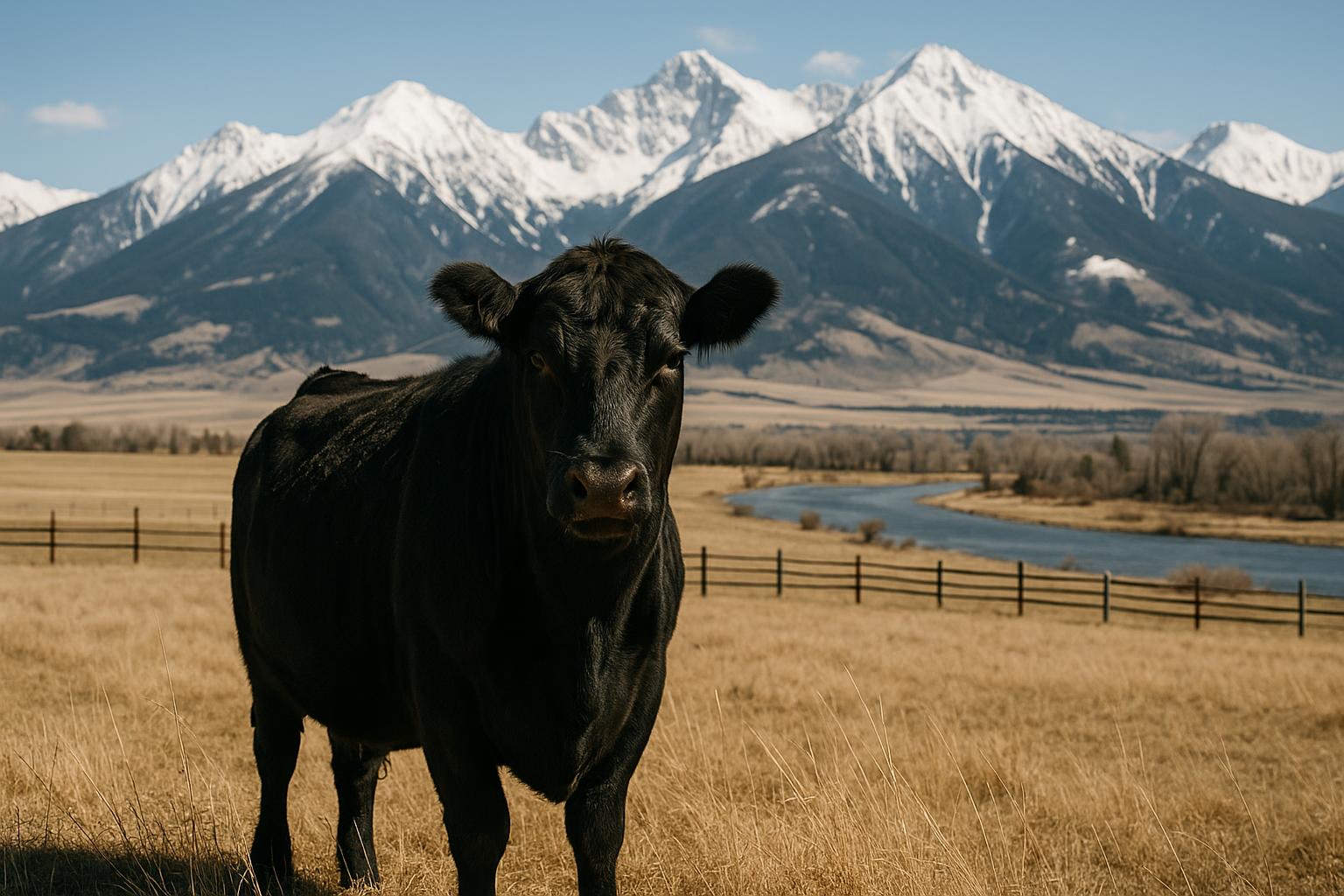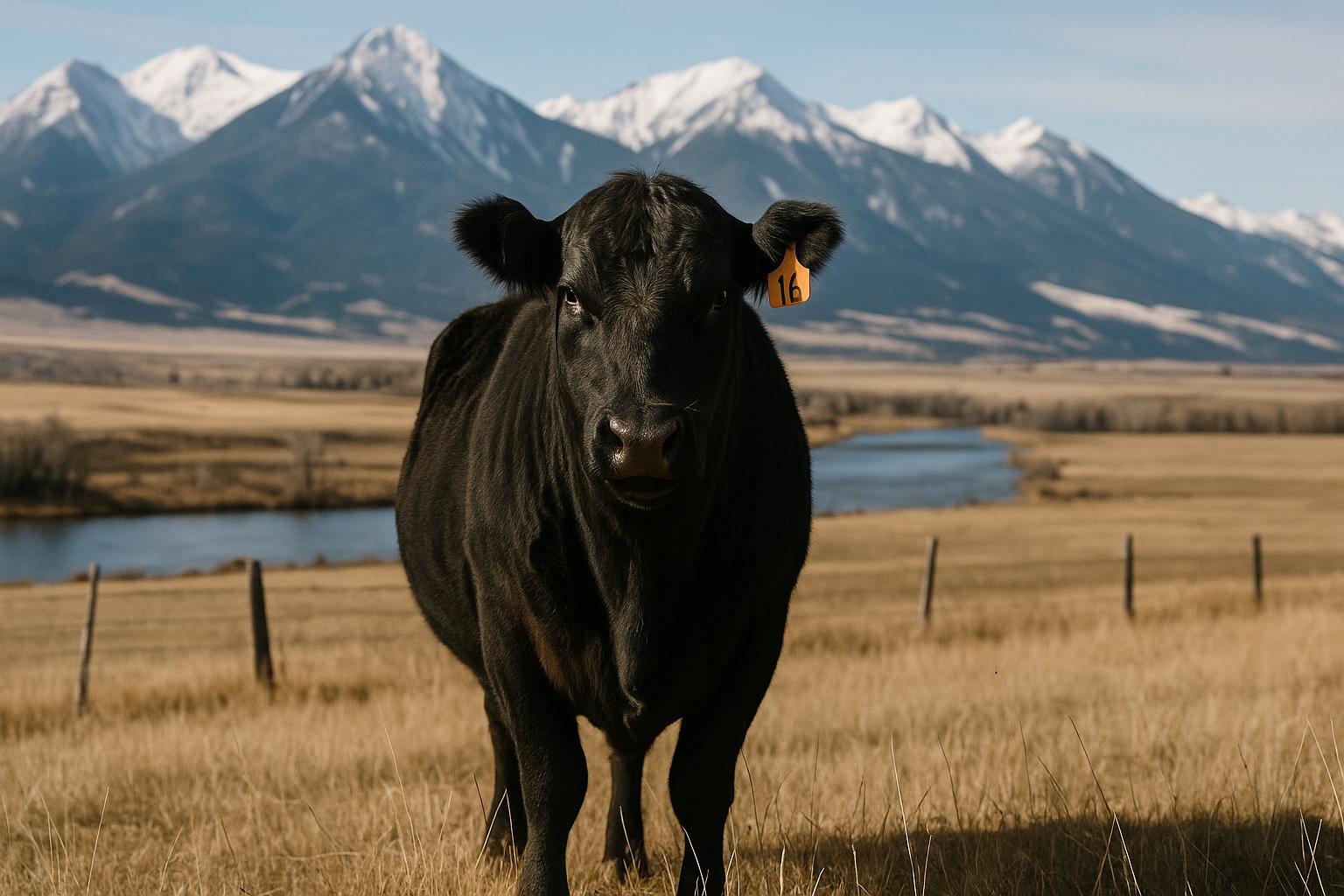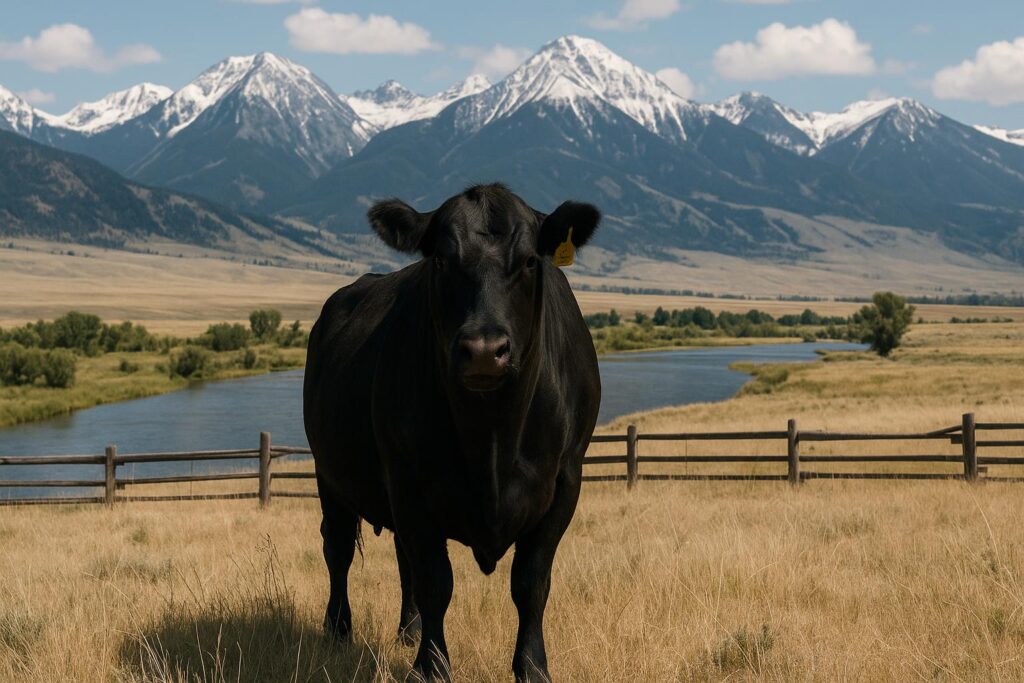
A recent online listing for a large group of Angus and Angus-cross cows (around 300 head) out of the southern Plains is a useful snapshot of what many buyers are hunting for right now: uniformity, predictable calving windows, and cows that can step into a working program without a long “getting acquainted” period. While that particular offering isn’t in Montana, listings like it can still matter here because they reflect broader replacement-female demand and the kind of cattle that are drawing attention across the region.
Below is what Montana producers might take from a big, uniform cow offering showing up on the market—without assuming it represents the entire trade. Individual deals still depend on age, pregnancy status, body condition, health history, and terms of sale. But the themes are worth watching.
Why big, uniform cow groups get attention
When a seller puts together a 300-head set of similar-type cows, it tends to draw more interest than a patchwork load. For buyers—especially those trying to fill grass, rebuild numbers, or standardize a herd—uniform groups can reduce management headaches and make performance more predictable.
- Sorting and management: Similar age and type can simplify feeding, breeding, and calving supervision.
- Marketing calves: More uniform calf crops can bring stronger bids in many sale barns and video markets.
- Health and risk: Larger, consistent groups often come with clearer health programs and fewer “unknowns,” though buyers still need to verify details.
Reports indicate that buyers continue to place a premium on cows with clear breeding information (exposed dates, calving windows, preg-check results) and documented vaccinations. In a year when input costs and interest rates still shape decisions, risk management is part of the price.
What to look for in a large cow offering
Whether you’re shopping outside the state or evaluating what your own cows might be worth, the same checklist applies. Big listings can look attractive on paper, but the value is in the details.
- Age structure: A “solid-mouth” middle-aged set often prices differently than short-term older cows or young, high-priced replacements.
- Pregnancy status: Bred cows with a verified preg-check and a defined calving season typically bring more confidence than “exposed” cows without confirmation.
- Body condition score (BCS): Buyers should consider whether cows are ready to go to grass or need groceries first.
- Disposition and handling: Quiet cattle matter—especially for smaller crews and family operations.
- Health program: Ask about vaccination schedule, deworming, and any history of pinkeye, footrot, or respiratory issues.
- Genetics and goals: Angus and Angus-cross cattle are popular, but the “right” cow depends on your environment and marketing plan.
In Montana, it’s also worth asking how cattle were developed and what kind of country they came off of. Cows that have been running large pastures and handling variable weather may transition differently than cattle managed in smaller, more controlled settings.
Freight and geography: the hidden line item for Montana buyers
One reason out-of-state listings matter to Montana is that they can tempt buyers looking for numbers. But freight can quickly change the math. A cow that pencils out at the yard may not look as good after trucking, shrink, and time lost.
If you’re considering bringing cows into Montana from another region, it’s smart to run a full landed-cost estimate:
- Trucking: Get quotes early and confirm insurance and delivery windows.
- Shrink: Plan for weight loss in transit and adjust expectations accordingly.
- Biosecurity: Quarantine space and a plan for observation can prevent expensive surprises.
- Timing: Align delivery with grass turnout, breeding, or calving—whichever is next on your calendar.
Montana producers also need to stay current on interstate movement requirements. For official guidance, consult the USDA APHIS resources and your veterinarian, and confirm any Montana-specific requirements through the Montana Department of Agriculture.
Signals for replacement-female demand
Large listings of Angus-type cows can be read as a sign that someone, somewhere, is making a herd decision—either dispersing a portion of cows, shifting operations, or capitalizing on demand. It doesn’t automatically indicate a trend by itself, but it can add context when you’re watching the market.
In general, replacement-female demand tends to strengthen when:
- Moisture and forage conditions improve enough to support more mouths.
- Calf prices remain strong and producers want to capture future calf crops.
- Producers are rebuilding after prior liquidation cycles.
On the flip side, demand can cool quickly if drought expands, hay prices jump, or credit tightens. For Montana ranchers, keeping one eye on local moisture and another on national cattle inventory reports can help frame replacement decisions. For broader market context, the USDA Agricultural Marketing Service market news is a useful reference point.
What this means for Montana
For Montana cow-calf operations, a big, uniform Angus-type cow offering outside the state is a reminder that the replacement market is still active—and that buyers are looking for cattle that fit a defined program. Here are a few practical takeaways for producers on both sides of the deal.
- If you’re selling: Clear records matter. A documented preg-check, a defined calving season, and a straightforward health history can separate your cows from “just another load.”
- If you’re buying: Don’t shop only on price per head. Landed cost, shrink, and how well those cows match your country can decide whether the deal pays.
- If you’re rebuilding: Consider whether you want to buy older, proven cows for near-term calf crops or younger females that may cost more but offer longer runway.
- If you’re drought-watching: Keep flexibility. In Montana, weather can change fast; avoid overcommitting feed resources before you’re confident in pasture and water.
Montana also has its own marketing realities. A set of cows that works well in one region may not be ideal for high-elevation range, long winters, or operations that rely heavily on public-land grazing schedules. Matching cattle to the calendar and the country is still the most reliable way to protect margins.
Questions to ask before you commit to a load
If a large group of cows catches your eye—whether in-state or out—these questions can help you avoid surprises:
- What is the exact age breakdown (broken-mouth, solid-mouth, short-term)?
- Are they preg-checked? By whom, and when?
- What bulls were used, and what was the exposure window?
- What is the health protocol and when were vaccines administered?
- How have they been fed and managed in the last 60 days?
- Are there any known issues (feet, udders, eyes, temperament)?
- What are the delivery terms and who carries risk during transit?
Even with solid answers, it’s wise to have a plan for receiving and acclimating cattle—especially if they’re coming from a different climate or forage base than what they’ll see in Montana.
Bottom line
A 300-head Angus and Angus-cross cow listing is less about one transaction and more about what it suggests: buyers still value uniform, program-ready females, and sellers who can document what they have are in a stronger position. For Montana ranchers, that means tightening records, pricing cattle with freight and risk in mind, and keeping decisions anchored to pasture conditions at home.
Inspiration: www.cattlerange.com