Randy Blach, CEO of Cattle Fax, predicts continued uncertainty in the cattle industry as we move into 2026. Despite a record-setting 2025 for cattle prices, challenges remain on the horizon that could impact both the industry and visitors to Yellowstone National Park.
What’s Happening
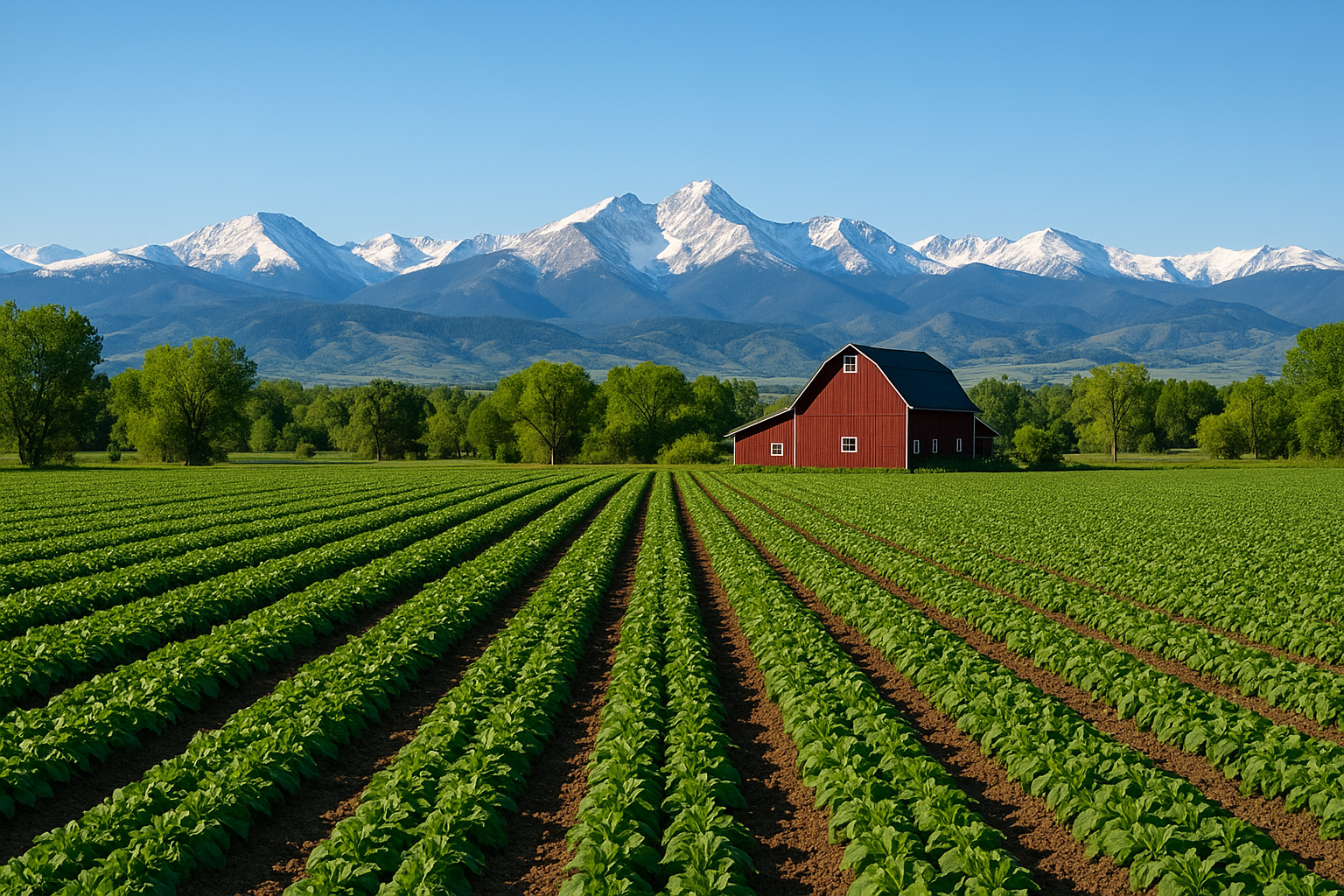
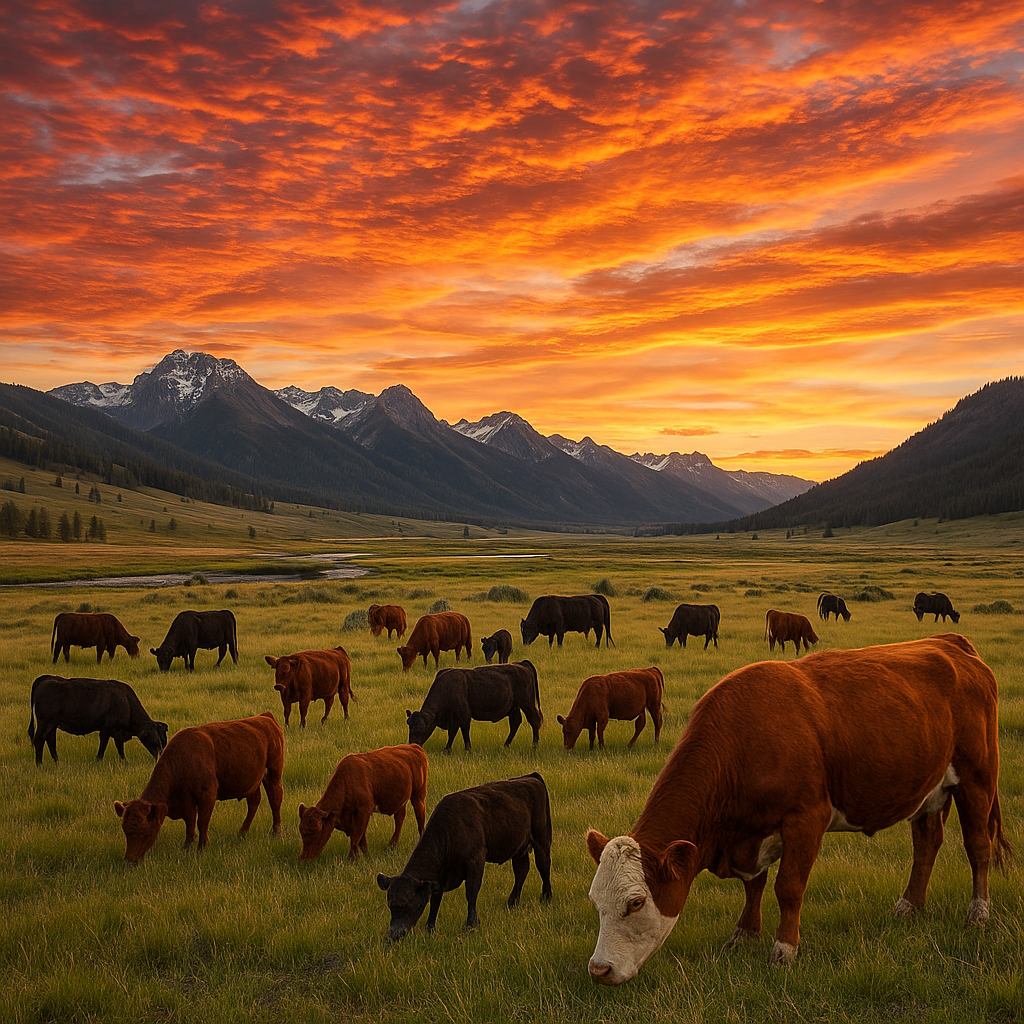
According to Randy Blach, the cattle industry faced significant headwinds in 2025, yet it managed to achieve remarkable pricing milestones. Looking forward, these challenges, including fluctuating market demands and environmental factors, are expected to persist. Yellowstone, with its unique ecosystem and interaction between wildlife and agriculture, provides a dynamic backdrop to these industry shifts. As cattle ranching intertwines with conservation efforts, understanding these trends is crucial for both local communities and park visitors.
What This Means for Visitors
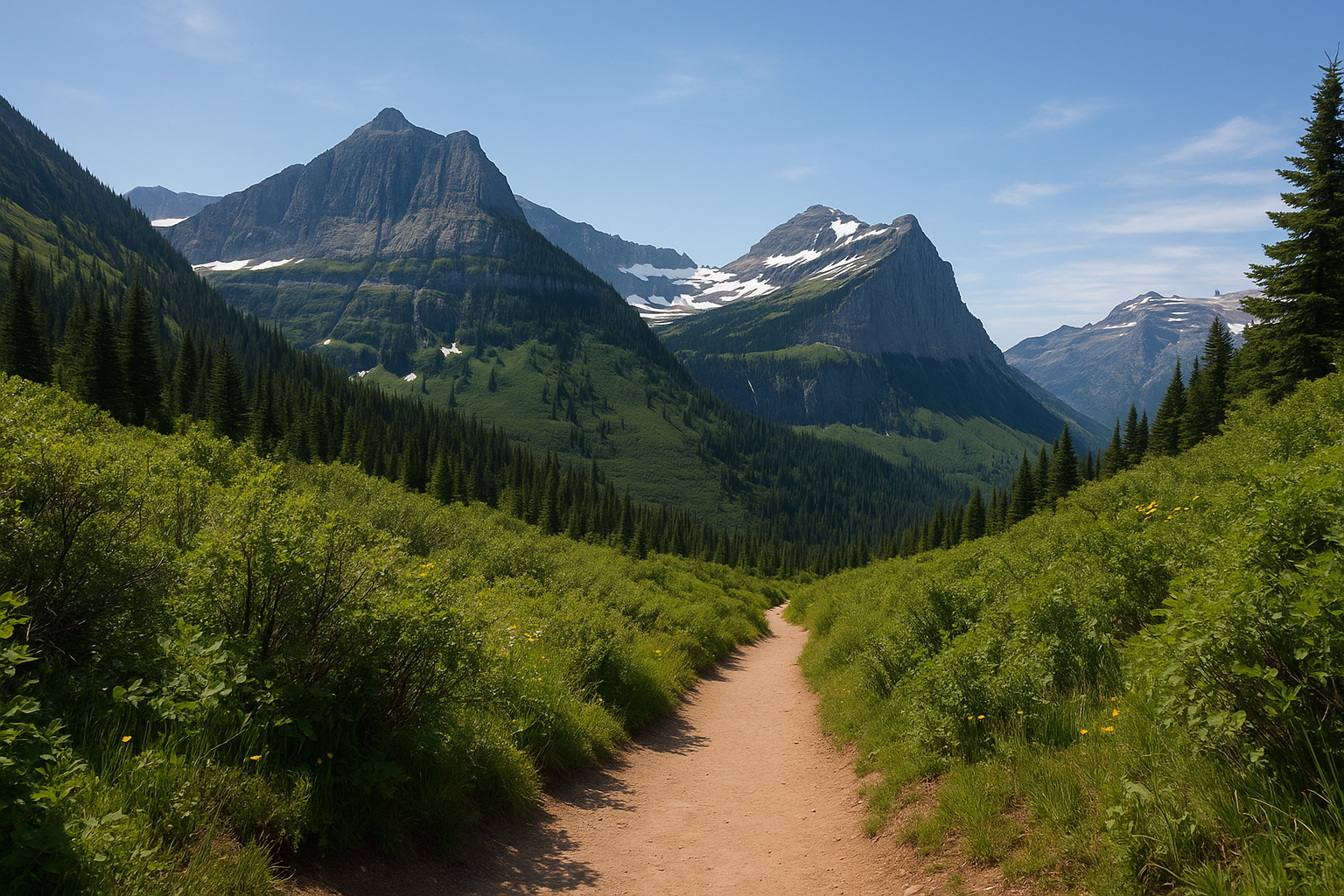
For those planning to visit Yellowstone in 2026, it is important to recognize how cattle industry trends might affect your experience. During certain times of the year, cattle drives may temporarily affect access to specific trails and areas within the park. Visitors should expect potential trail closures or rerouting, particularly in areas near the park’s boundaries where cattle grazing is more prevalent. Staying informed about these changes can ensure a smoother visit and help avoid unexpected trail interruptions.
Background
The relationship between cattle ranching and Yellowstone is steeped in history. The Greater Yellowstone Ecosystem has long been a site of both conservation and ranching, dating back to the 19th century. Efforts to balance these interests have led to innovative management strategies. The park’s unique position as a natural wonder and a working landscape requires careful coordination between ranchers, conservationists, and park officials. This dynamic is especially evident as industry trends fluctuate, posing both opportunities and challenges for sustainable practices.
Planning Your Visit
Visitors should plan ahead by checking Yellowstone’s official website for any trail updates or cattle-related announcements. Consider visiting during the shoulder seasons when cattle activity is less likely to impact park operations. If you’re set on hiking specific trails, such as those near the Lamar Valley, stay flexible with your itinerary in case of unexpected closures. Packing essentials like maps and a GPS device can also help navigate any detours. Engaging with park rangers for the latest information can enhance your visit and ensure you’re prepared for any surprises.
For further details, visit the National Park Service’s original release.
Frequently Asked Questions
How might the cattle industry affect my visit to Yellowstone in 2026?
Cattle drives may impact trail access and timing. Check for updates to avoid disruptions.
What trails in Yellowstone are most affected by cattle activity?
Trails near the park’s boundaries, particularly around the Lamar Valley, may experience closures.
When is the best time to visit Yellowstone to avoid cattle disruptions?
Consider visiting during shoulder seasons when cattle activity is reduced to minimize impact.
Why is cattle ranching significant to the Yellowstone ecosystem?
Ranching has historical and economic ties to the area, requiring careful balance with conservation.
Where can I find the latest updates on trail conditions in Yellowstone?
Check Yellowstone’s official website and consult with park rangers for current trail information.