Yellowstone National Park is a place of unparalleled natural beauty and wildlife, and new photographs have brought its splendor into sharp focus like never before. These images, recently showcased by Smithsonian Magazine, offer a fresh perspective on the park’s diverse landscapes and its inhabitants, capturing moments both serene and dramatic.
What’s Happening
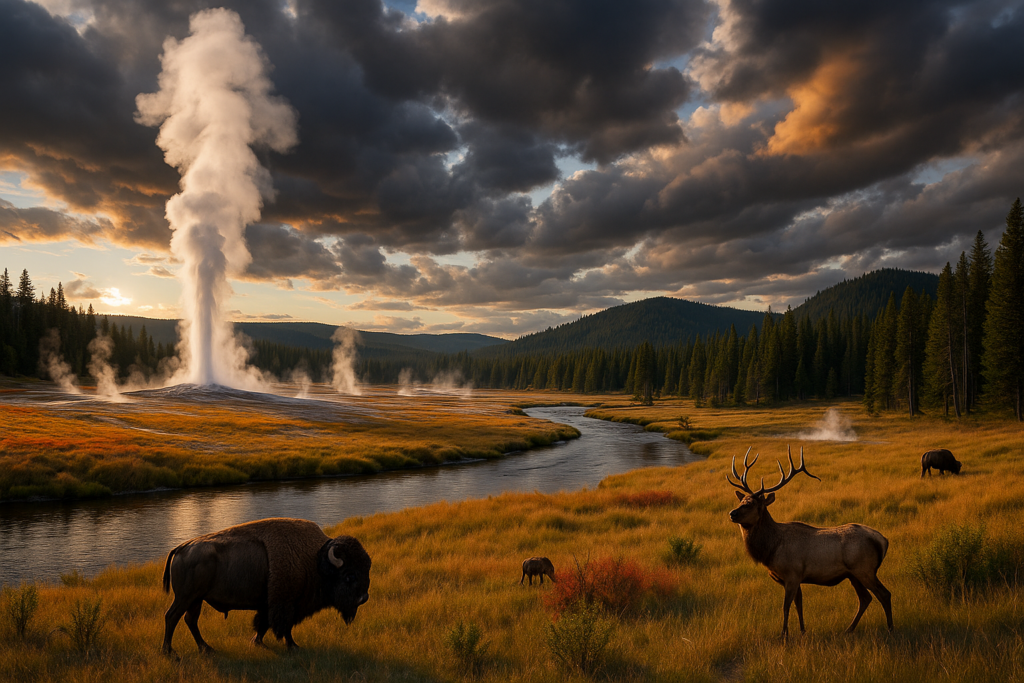
Smithsonian Magazine has unveiled a series of 15 captivating photographs that highlight the wild and wondrous aspects of Yellowstone National Park. These images are not just snapshots but windows into the vibrant ecosystems that thrive within the park’s boundaries. From the iconic geysers and hot springs to the majestic wildlife, the photographs present a portrait of a land where nature reigns supreme. The collection includes shots of the park’s famous geothermal features, such as the Grand Prismatic Spring, offering viewers a chance to see the striking colors and formations that make it a geological marvel.
According to the magazine, these photographs aim to provide a deeper appreciation for the park’s biodiversity and geological uniqueness. Shot by various talented photographers, each image tells a story of its own, collectively weaving a narrative that underscores the importance of preserving such natural wonders.
Why It Matters
Yellowstone is not just a national park; it is a symbol of America’s natural heritage. These photographs serve as a critical reminder of what is at stake in the face of environmental challenges. The park, which covers over 2.2 million acres, is home to hundreds of species of mammals, birds, fish, and reptiles, many of which are not found anywhere else in the world.
The visual documentation provided by these photographs is crucial for raising awareness about conservation efforts. They serve as a compelling argument for why protecting such environments is essential not only for the species that inhabit them but also for future generations to enjoy. As climate change continues to impact natural landscapes globally, visual storytelling becomes an ever more powerful tool in the fight for conservation.
The Bigger Picture
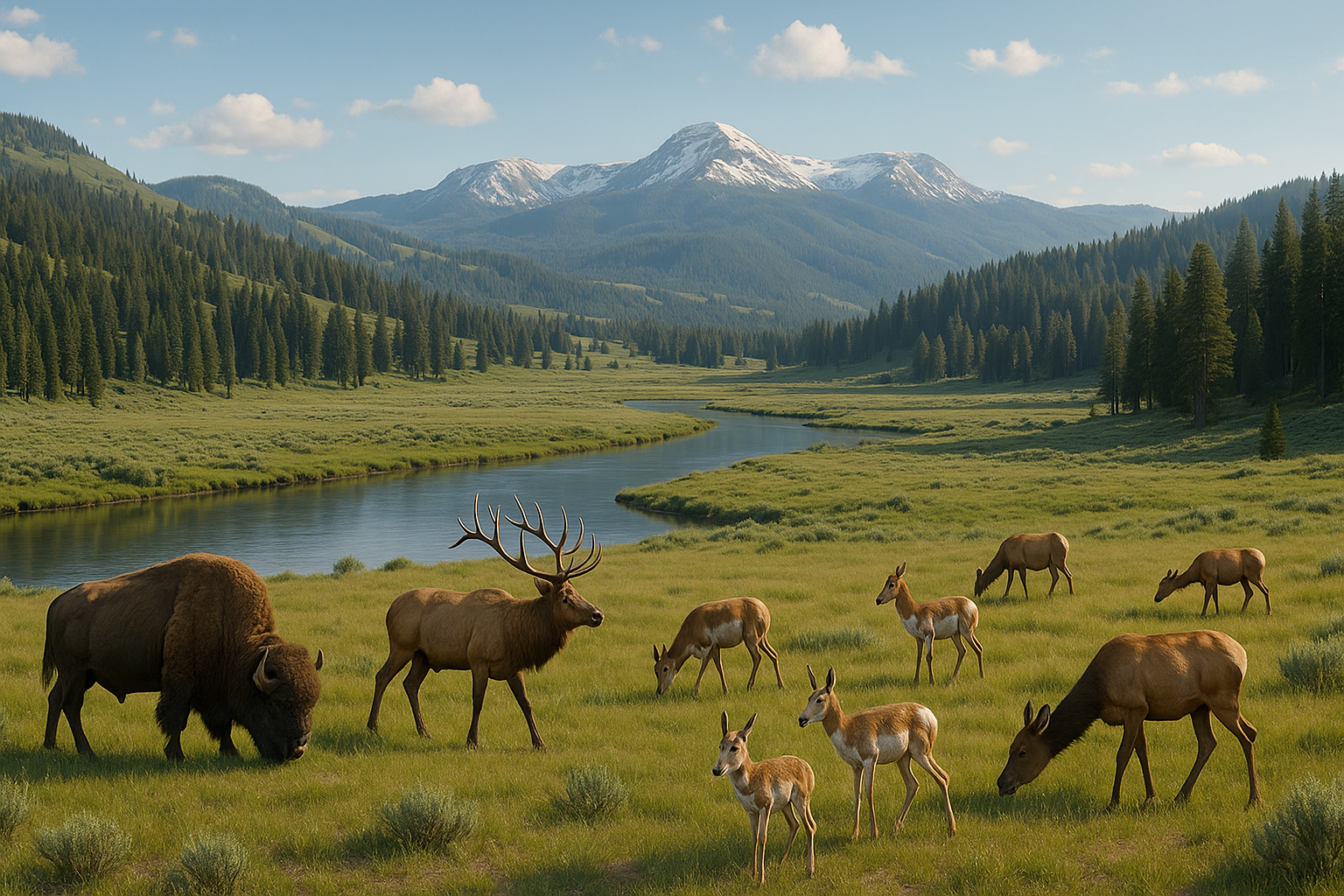
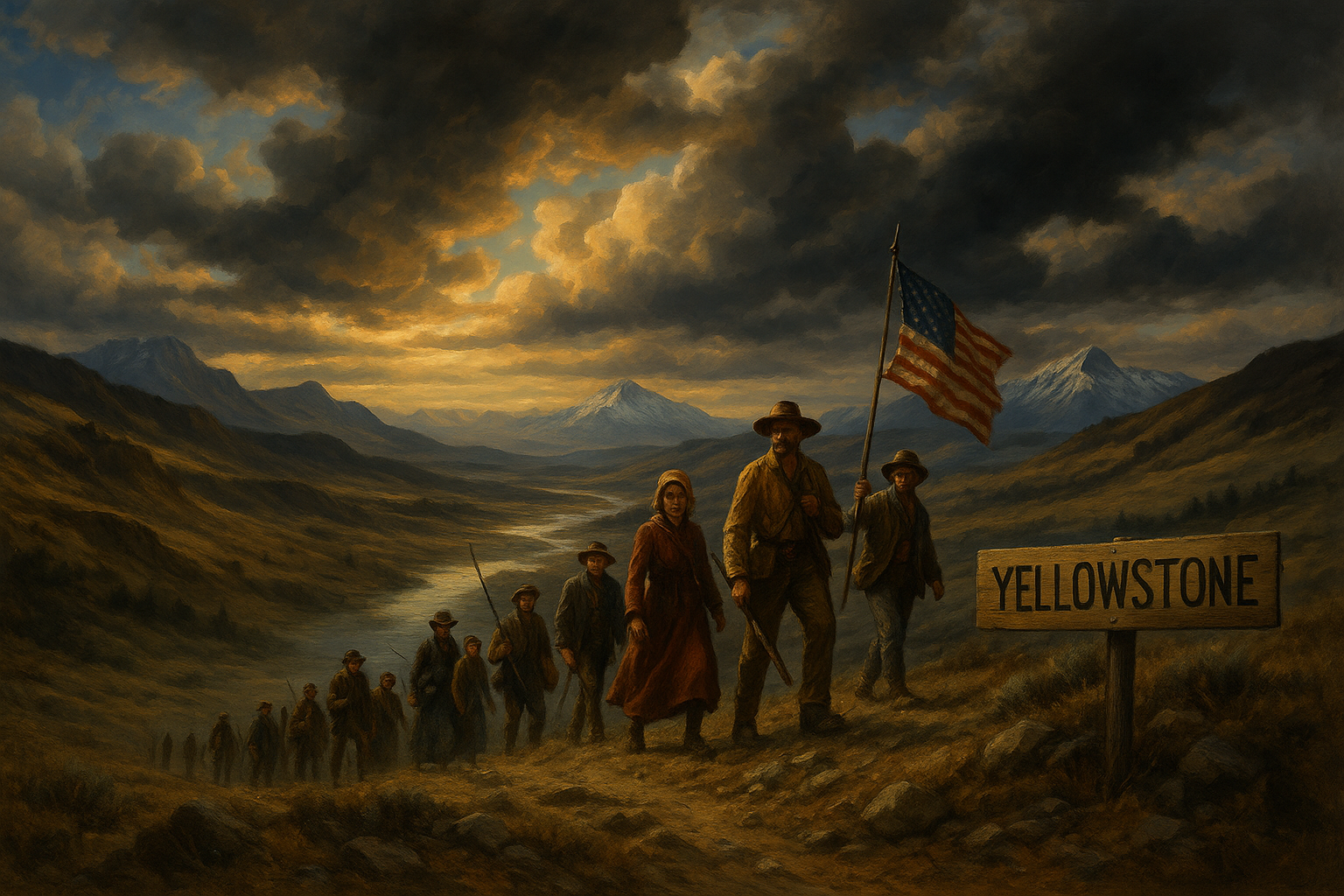
Established in 1872, Yellowstone National Park was the first national park in the world, setting a precedent for the preservation of natural beauty and biodiversity. The park attracts millions of visitors annually, drawn by its breathtaking vistas and the promise of glimpsing its wildlife, from bison and bears to wolves and elk.
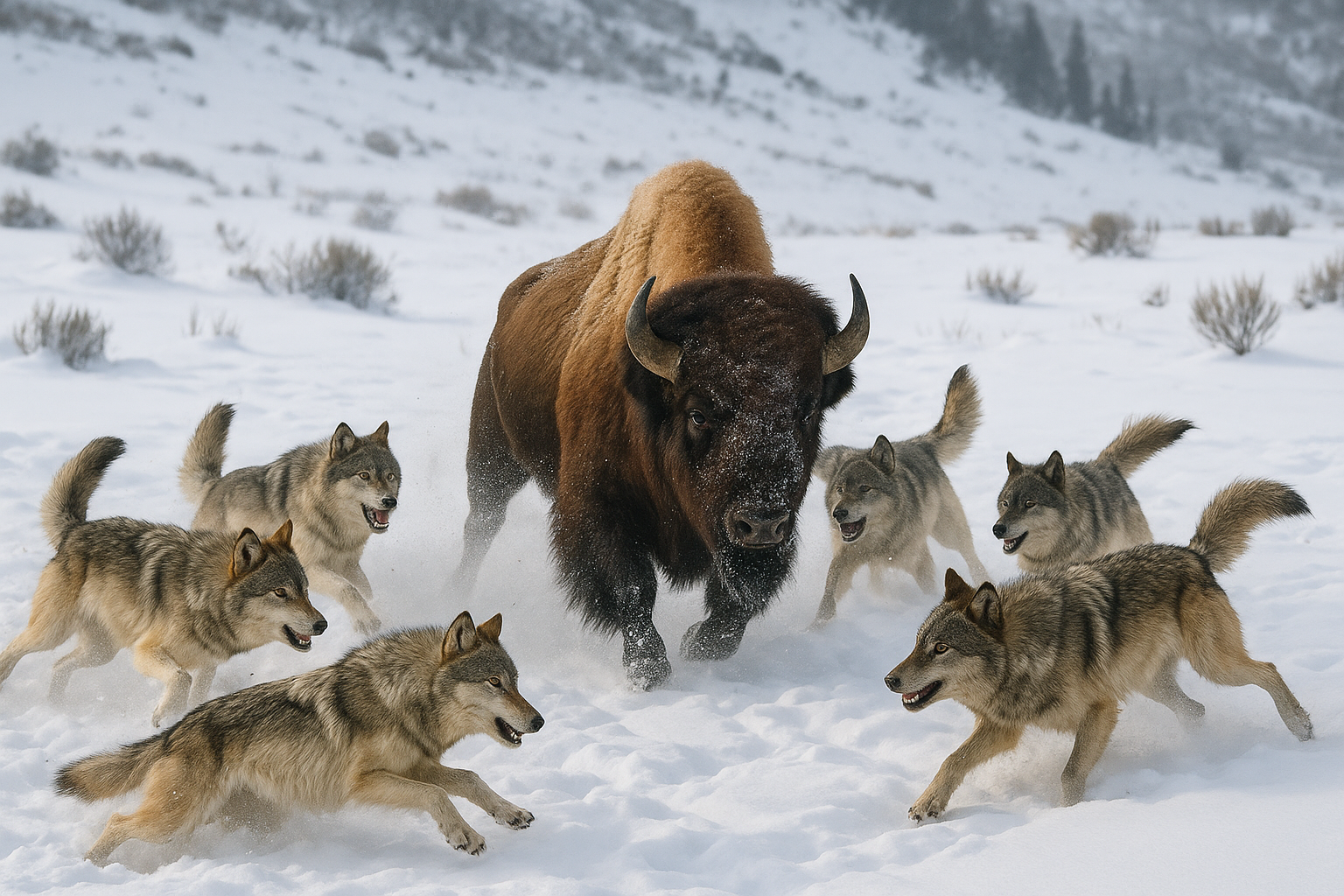
Historically, the park has faced numerous challenges, including poaching and the impact of tourism. However, it has also been a focal point for wildlife management and ecological research. The reintroduction of wolves in the 1990s, for example, has had profound effects on the park’s ecosystem, demonstrating the complex interdependencies within natural habitats.
The photographs featured in Smithsonian Magazine contribute to this ongoing narrative, offering a contemporary glimpse into the park’s current state while echoing the historical importance of visual media in conservation efforts.
What to Watch For
Looking ahead, the continued monitoring and documentation of Yellowstone’s landscapes and wildlife remain vital. As environmental conditions evolve, these photographs can provide benchmarks against which changes can be measured, helping scientists and conservationists track the health of ecosystems over time.
Visitors to the park should also be aware of the essential role they play in maintaining its integrity. Responsible tourism practices, such as adhering to park guidelines and respecting wildlife, are crucial for ensuring that Yellowstone remains a sanctuary for both its natural wonders and those who come to experience them.
As we anticipate future developments, it is important to support policies and initiatives that safeguard Yellowstone’s ecological balance, ensuring that its splendor continues to inspire and educate for generations to come.
This article is based on a feature by Smithsonian Magazine.
Frequently Asked Questions
What makes Yellowstone National Park unique?
Yellowstone is unique for its geothermal features, diverse ecosystems, and status as the world’s first national park.
How can photographs impact conservation efforts?
Photographs raise awareness by visually documenting environmental issues, inspiring public support for conservation.
What are some iconic features of Yellowstone?
Iconic features include the Grand Prismatic Spring, Old Faithful geyser, and abundant wildlife like bison and wolves.
Why is preserving Yellowstone important?
Preserving Yellowstone is vital for protecting biodiversity, supporting ecosystems, and allowing future generations to experience its wonders.
What conservation challenges does Yellowstone face?
Challenges include climate change, wildlife management, and the impact of increasing tourism.
Source: Smithsonian Magazine