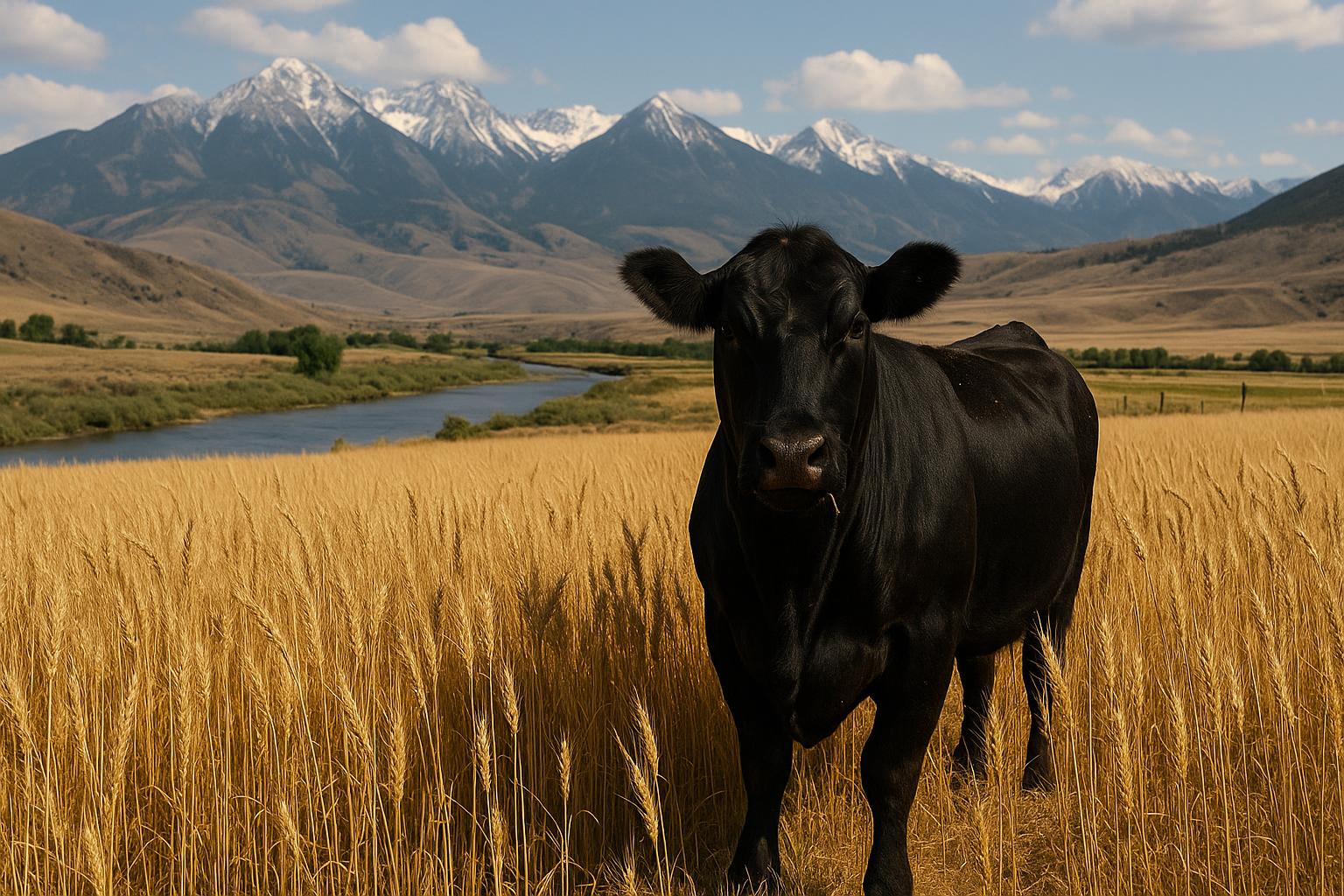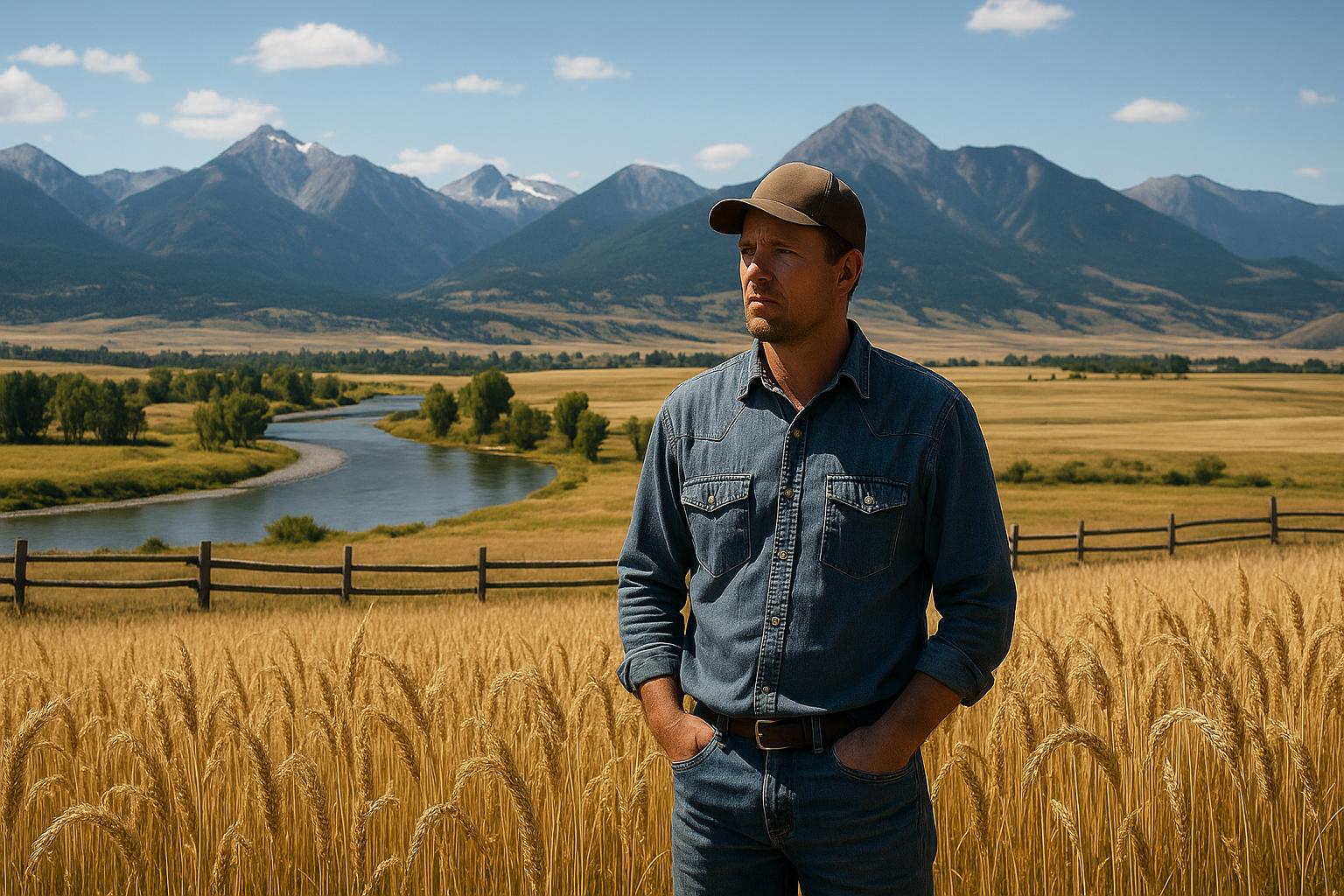
After a few dry springs in recent memory, many Montana producers welcome any measurable moisture that soaks in rather than blows away. Timely rain can improve winter wheat yield potential, help spring wheat establishment, and carry pastures into early summer. But agronomists also caution that extended periods of humidity and leaf wetness can increase the risk of foliar diseases—especially rusts—when temperatures line up.
Key Takeaways
- Spring moisture generally supports winter wheat tillering and helps set yield potential, but stacked storms and lingering leaf wetness can increase rust risk.
- Rust pressure isn’t uniform across Montana; microclimates, canopy density, and irrigation can change the risk field by field.
- If cool, damp patterns persist, scouting becomes more important—not less—especially in susceptible varieties.
- Fungicide decisions should be tied to crop stage, disease presence/risk, yield potential, and workable spray windows.
- For hay and pasture, rain can boost tonnage, but repeated storms can delay cutting and reduce quality.
Reports from other wheat-producing regions have highlighted a familiar dilemma: the same rain that supports yield can also create conditions that favor rust development. Montana isn’t Louisiana, and disease pressure here depends heavily on local weather, variety susceptibility, and how quickly fields dry out. Still, the core lesson applies: when moisture and mild temperatures persist, scouting becomes more important, not less.
Moisture Is a Yield Builder—Until It Turns Into a Disease Enabler
For winter wheat, spring moisture generally supports tiller retention, head development, and grain fill later on. For spring wheat, it can mean better emergence and stronger early root growth. In hay country—from the Gallatin Valley to parts of the Yellowstone Valley—rain can also translate into more first-cut tonnage if it arrives at the right time and doesn’t prevent timely harvest.
Where the risk comes in is when storms stack up and fields stay damp for long stretches. Leaf rust and stripe rust are driven by a combination of:
- Leaf wetness (dew, fog, frequent showers, or irrigation that keeps the canopy wet)
- Moderate temperatures (often the sweet spot in late spring and early summer)
- Susceptible varieties and dense canopies that hold humidity
- Inoculum presence (spores arriving on wind or carrying over in the region)
Montana’s wind and lower humidity often help fields dry quickly, which can reduce disease compared to more humid climates. But localized patterns matter. A wet stretch in the Flathead Valley or Bitterroot Valley, for example, can look very different than a breezy week on the Hi-Line.
Where Rust Concerns Can Show Up in Montana
Rust risk isn’t uniform across the state. It can flare up in pockets depending on rainfall totals, canopy density, and microclimates.
- Hi-Line: Big acreage and open country often dries fast, but prolonged cool, damp periods can still support stripe rust in susceptible varieties. Wind can also move spores long distances.
- Yellowstone Valley: Irrigated wheat and nearby crops can create more consistent canopy moisture. Watch fields with heavier residue or tight rotations.
- Gallatin Valley: Cooler nights and morning dew can extend leaf wetness periods. Dense, high-yield wheat canopies are worth extra scouting.
- Flathead Valley and Bitterroot Valley: Valleys can hold humidity, fog, and dew. If showers repeat, rust and other leaf diseases can gain traction quickly.
It’s also worth remembering that rust severity can change fast. A field that looks clean one week can show visible symptoms the next if weather stays favorable.
Management: Don’t Guess—Scout and Use Threshold Thinking
Montana wheat growers have a few practical levers to manage rust risk. The right move depends on crop stage, variety, yield potential, and the forecast.
Start with variety information. If you planted a variety with weaker rust ratings, move those fields to the top of the scouting list. Your seed dealer, local agronomist, and Montana State University resources can help interpret ratings.
Scout with purpose. Walk into the field, not just the headlands. Check lower leaves first, then work up the canopy. Look for orange-brown pustules (leaf rust) or yellow striping patterns (stripe rust), and note how widespread it is.
Time fungicides to crop stage and risk. Fungicides can protect yield when disease is present or imminent, but they are not a guaranteed payoff in every field. Application timing matters, and late sprays after significant damage can be disappointing.
Consider the economics. With input costs where they are, weigh expected yield, grain price, and application cost. A high-yield irrigated field may pencil differently than a dryland field with limited yield potential. If you’re watching price signals alongside agronomy decisions, keep an eye on market context like the next signals Montana wheat growers and cattle producers should watch and what Friday’s futures move could signal for Montana producers.
Mind resistance management. If fungicides are used, rotate modes of action as recommended and follow label guidance to reduce resistance risk.
For Montana-specific guidance, producers often lean on local Extension updates and crop advisories.
Hay and Pasture: Rain Helps Growth, But Timing Still Makes or Breaks Quality
While rust headlines focus on wheat, the moisture conversation matters just as much for hay and grazing. Rain in May and June can set up strong forage growth. But repeated storms can:
- Delay cutting and reduce hay quality as stands mature
- Increase lodging in some grass stands, making harvest slower and dirtier
- Complicate weed control timing
In the Gallatin Valley and parts of the Yellowstone Valley where hay is a major pillar of winter feed, the best-case scenario is moisture early, then a drying window that allows timely cutting. In the Bitterroot and Flathead valleys, where weather can be more variable, producers may need to be ready to cut on short notice when a window opens.
What This Means for Montana Ranchers and Farmers
For Montana agriculture, spring rain is still mostly good news—especially where subsoil moisture has been short. But it comes with a management reminder: moisture changes the risk profile.
Wheat producers: Don’t assume a clean field stays clean. If the pattern turns cool and damp, rust can move from “not an issue” to “yield threat” quickly, particularly in susceptible varieties or irrigated canopies.
Ranchers relying on small grains and hay: Better moisture can improve pasture and hay supplies, which matters for stocking decisions and winter feed budgets. But delayed haying can cut quality, which can show up later in higher supplementation needs.
Irrigators: Rain can reduce early-season water demand, but it can also keep canopies wet longer. If you’re irrigating wheat or hay, pay attention to how irrigation timing affects leaf wetness and disease risk.
The bottom line: moisture can improve yield potential across the board, but it also increases the payoff to scouting and timely management.
What to Watch Next in Montana Agriculture
- Forecast trends: A shift to warmer, drier, breezier weather can reduce rust risk by drying the canopy. Continued cool nights, heavy dew, and frequent showers can push risk higher.
- Field reports: Keep an ear open for rust sightings in your county and neighboring regions. Disease often shows up in pockets before it becomes widespread.
- Crop stage: As wheat approaches flag leaf and heading, the yield stakes rise. Disease on upper leaves is more damaging than on lower leaves.
- Spray windows: Wind, rain, and field conditions can shorten the number of workable days. If fungicide becomes justified, timing and logistics matter.
- Hay harvest windows: Watch for multi-day drying periods and be ready to move. Quality losses from delayed cutting can outweigh the benefit of extra tonnage.
Montana producers have learned to manage weather risk in every direction—drought, flood, wind, and early frost. This year’s moisture, where it’s landing, can be a genuine opportunity. The key is not letting a good rain quietly set the stage for preventable disease losses.
Related Reading
- Corn Export Sales Rebound While Wheat Lags: What Montana Growers Should Take From the Latest Numbers
- Grain Pops, Cattle Slip: What Friday’s Futures Move Could Signal for Montana Producers
- Dollar Drops, Grain Futures Firm: The Next Signals Montana Wheat Growers and Cattle Producers Should Watch
- Early 2026 Crop Insurance Price Signals: Why Soybeans Could Out-Score Corn on Revenue Protection—and What Montana Producers Should Watch
FAQ: Montana Wheat, Spring Rain, and Rust Risk
Is spring rain good for Montana wheat?
Yes. Spring moisture can support winter wheat tillering and help set yield potential, and it can improve spring wheat emergence and early root growth. The upside is biggest when rain soaks in and fields can still dry between events.
Why can cool, wet weather increase rust risk?
Rusts are favored when leaf wetness (dew, fog, frequent showers, or irrigation) persists and temperatures are moderate. In those conditions, rust can develop and spread more quickly—especially in susceptible varieties and dense canopies.
Where in Montana is rust risk typically higher?
Risk can be higher in pockets that stay humid longer—such as valleys that hold fog and dew (including the Flathead and Bitterroot), cooler areas with extended morning wetness (including the Gallatin Valley), and irrigated systems where canopy moisture is more consistent (including parts of the Yellowstone Valley). Even the Hi-Line can see risk during prolonged cool, damp stretches.
How fast can rust show up in a field?
It can change quickly. A field that looks clean one week can show visible symptoms the next if favorable weather persists, which is why consistent scouting matters during cool, wet patterns.
How should growers scout for leaf rust and stripe rust?
Walk into the field (not just headlands), check lower leaves first and then move up the canopy. Look for orange-brown pustules for leaf rust and yellow striping patterns for stripe rust, and note how widespread symptoms are.
When does a fungicide decision make the most sense?
Fungicide decisions should be tied to crop stage, disease presence or imminent risk, yield potential, and workable spray windows. Timing matters, and late applications after significant damage can be disappointing.
Does irrigation change rust risk?
It can. Irrigation can keep the canopy wet longer, which may increase leaf wetness periods that favor rust, especially when paired with cool nights and repeated moisture events.
How does a wet spring affect hay and pasture management?
Rain can boost growth and increase tonnage, but repeated storms can delay cutting, reduce hay quality as stands mature, increase lodging, and complicate weed control timing. Having a plan to move quickly when a drying window opens can protect quality.