Turn cattle out on the high country in much of western and central Montana and you’re sharing the grass with something that eats beef. Wolves have spread well past the recovery-era core, and grizzlies keep showing up in country where nobody saw one for fifty years — out onto the prairie breaks, down the river bottoms, into pastures that used to feel safe. If you summer cattle along the Rocky Mountain Front, in the Big Hole, the Blackfoot, the Madison, or anywhere the timber meets the grass, this is part of the job now whether you signed up for it or not.
You won’t trap or shoot your way out of it. What you can do is run your outfit in a way that gives predators fewer easy meals and gives you a fighting chance at getting paid when one does get killed.
Make Yourself Hard to Hunt
Predators take the path of least resistance. A bunched, attentive herd in open country is a tougher target than singles strung out along a brushy creek at dusk. A few things move the odds in your favor.
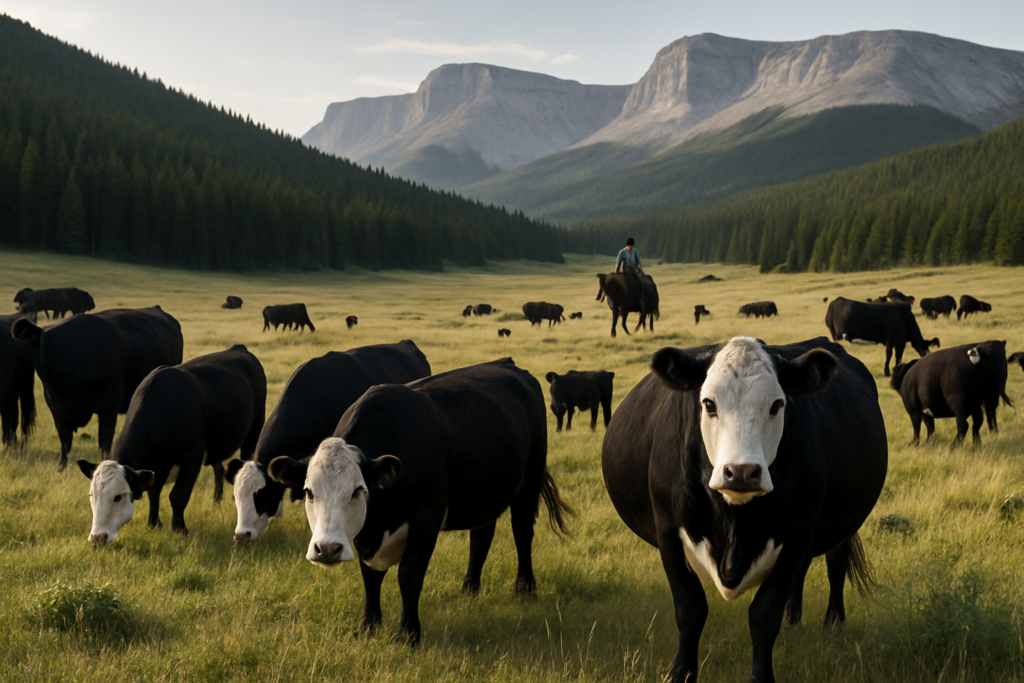
- Ride the country, and be seen doing it. Regular human presence — a horse, a four-wheeler, a pickup that shows up at odd hours — keeps wolves edgy and keeps cattle from settling into the same vulnerable draws every evening. Range riding isn’t a silver bullet, but it puts eyes on trouble before it becomes a body count.
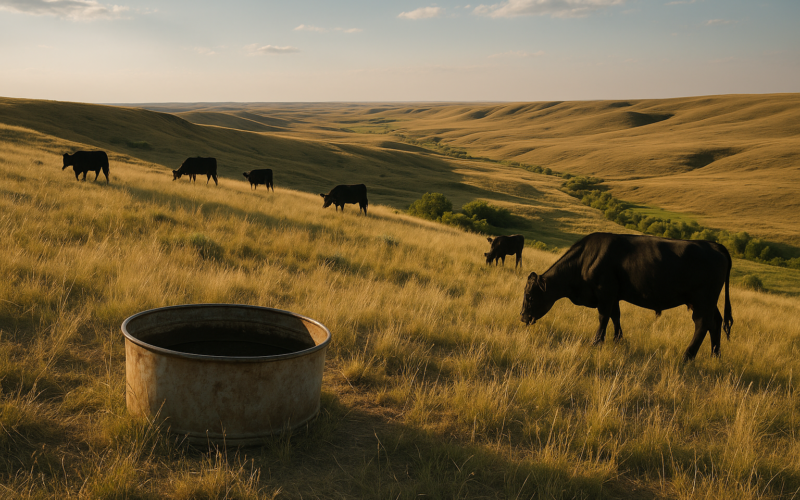
- Pay attention to where they bed. Cattle that bed in tight, open ground are safer than ones scattered into the timber edge. Salt and mineral placement, water development, and a little low-stress herding can pull them out of the worst spots.
- Don’t feed the predators by accident. A dead cow left where it falls is a dinner bell. Bone piles, afterbirth in a calving trap, a winter-kill carcass thawing in a coulee — all of it teaches bears and wolves that your ground means food. Get carcasses hauled off, composted away from cattle, or otherwise dealt with so you’re not baiting trouble onto your own grass.
Calves are the obvious target, but a lone yearling or a down cow gets hit too. The pairs you turned out in May are fast and mobile by midsummer, which helps, but a heavy storm that scatters the herd or a sick calf that drops behind can hand a wolf pack an easy night.
Know the Country and the Sign
The producers who lose the fewest head usually know their range cold. They know which timbered pocket the cattle drift to in the heat, which crossing they use on the creek, where a bear tore into an anthill last week. When you find a fresh kill, read it before the ravens and the heat erase the evidence. Wolf kills and bear kills leave different sign — hemorrhage under the hide, the way the carcass is fed on, tracks and scat in the area. A coyote or a lion scavenging a cow that died of something else looks different again, and that distinction matters a lot when it comes time to file a claim.
Carry a phone or a camera. Photograph the carcass, the wounds, the tracks, the surrounding ground. Note the date and location. The fresher the kill when an investigator looks at it, the better your odds of a confirmed determination.
Document It and Report It Fast
Montana has a process for confirming livestock losses to wolves and grizzlies and for compensating producers, but it runs on evidence and on speed. A bloated carcass that’s been worked over by scavengers for three days is hard to confirm no matter what killed it. The drill is simple even if the rest of it isn’t:
- Report a suspected predator kill as soon as you find it, before you move or bury anything.
- Leave the carcass and the surrounding sign undisturbed for the investigator if you can.
- Keep your own records — photos, dates, locations, and a running tally of cattle that turn up missing through the summer.
That last point is the one people skip. Confirmed kills are only part of the story. Cattle that simply never come home in the fall are the quiet, expensive part of living with predators, and you can’t make any case for that loss if you don’t have good count records going in and coming out.
None of this makes the problem go away. Bears and wolves are on the landscape and they’re going to stay. But the rancher who rides the country, keeps carcasses cleaned up, knows the sign, and reports fast loses fewer head and recovers more of what he does lose. The one who turns out in May and doesn’t go back until the fall gather is the one who gets surprised at branding count.