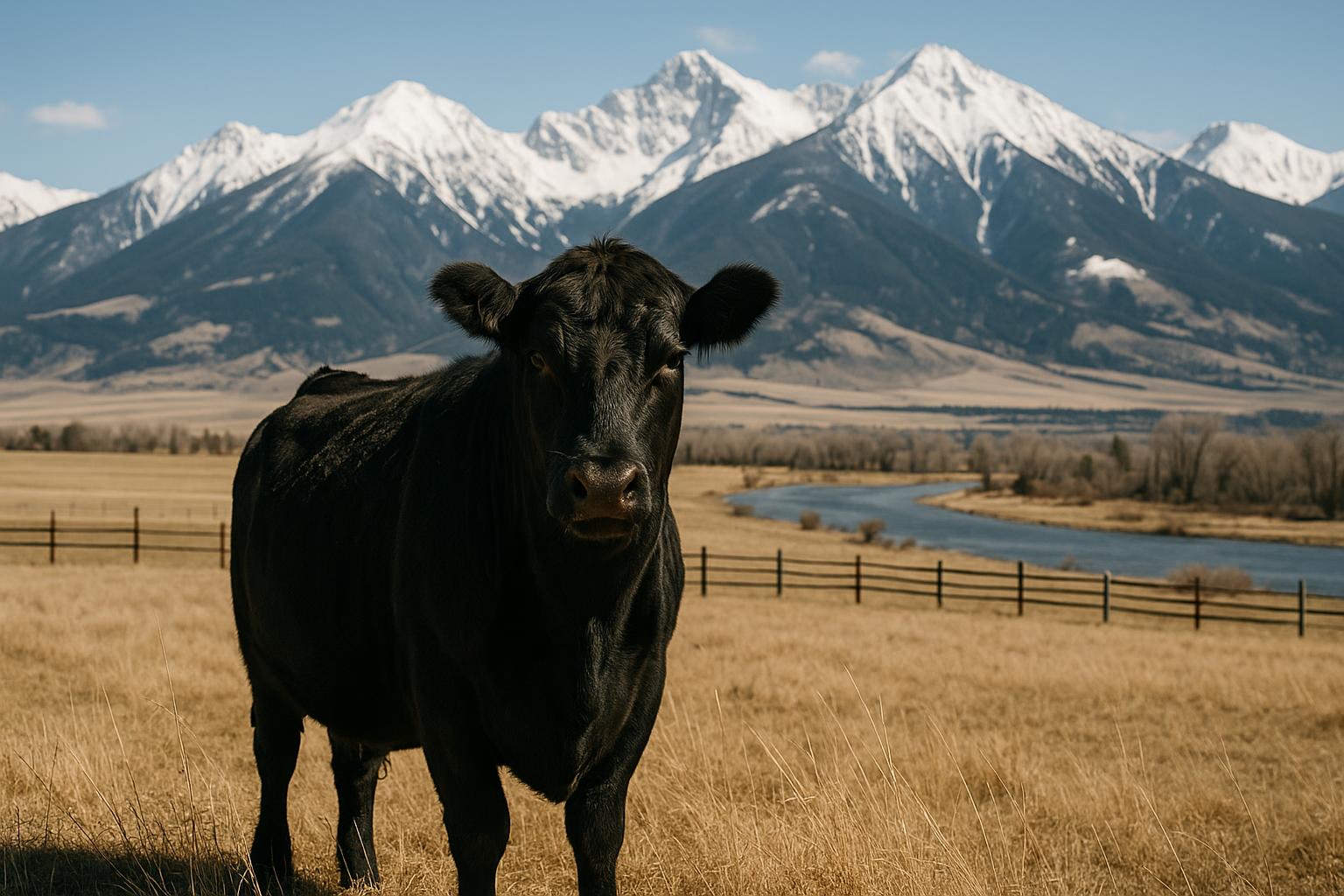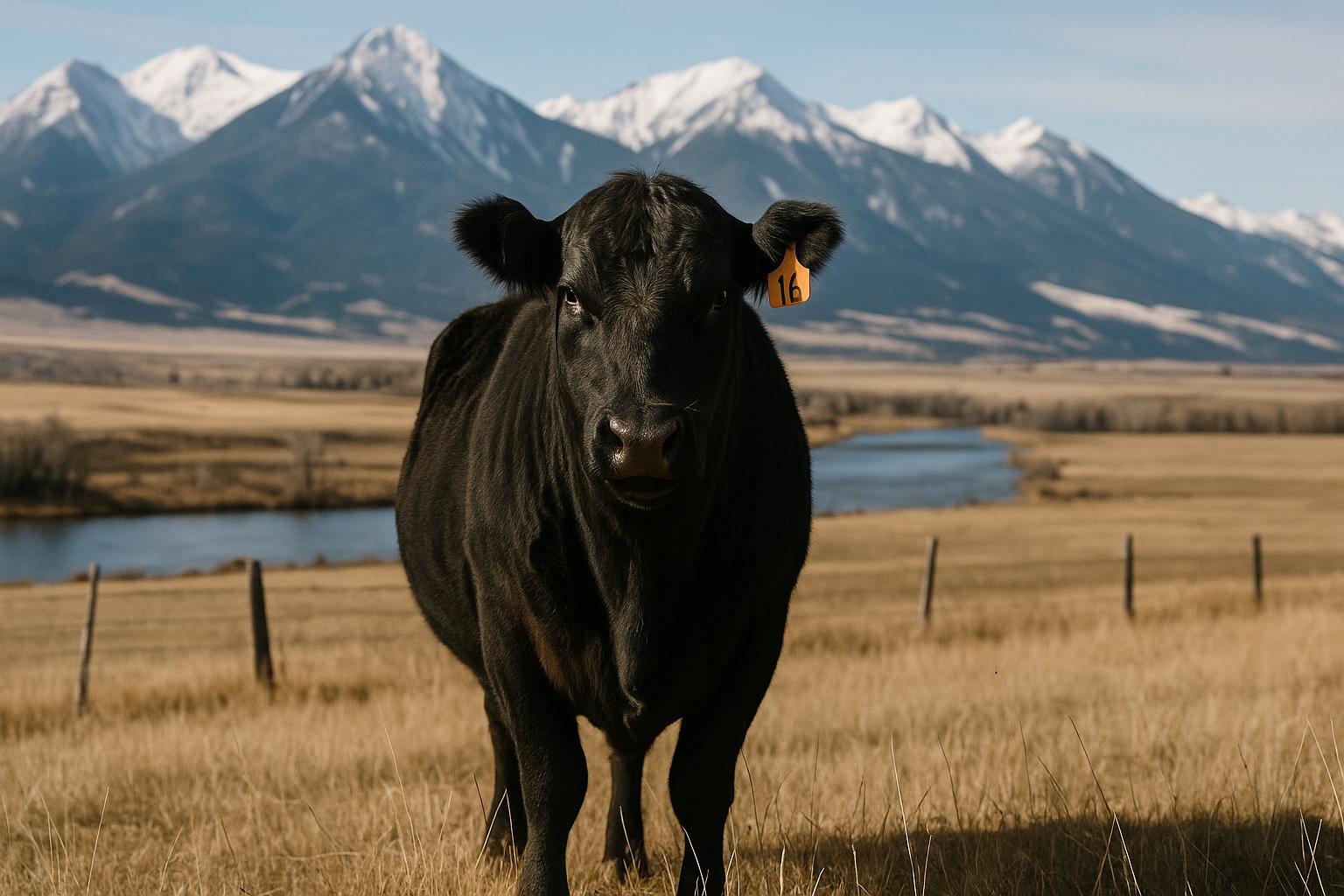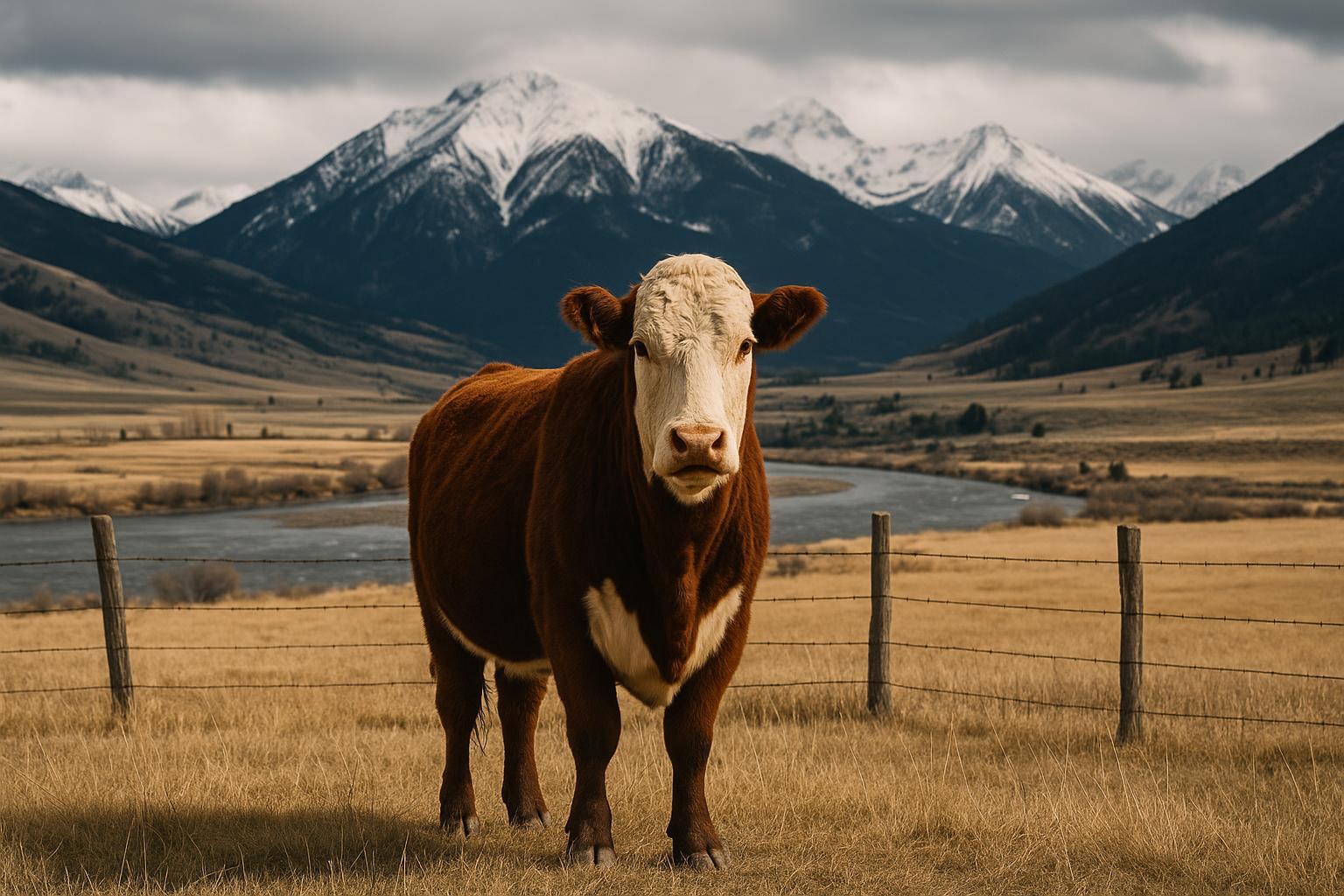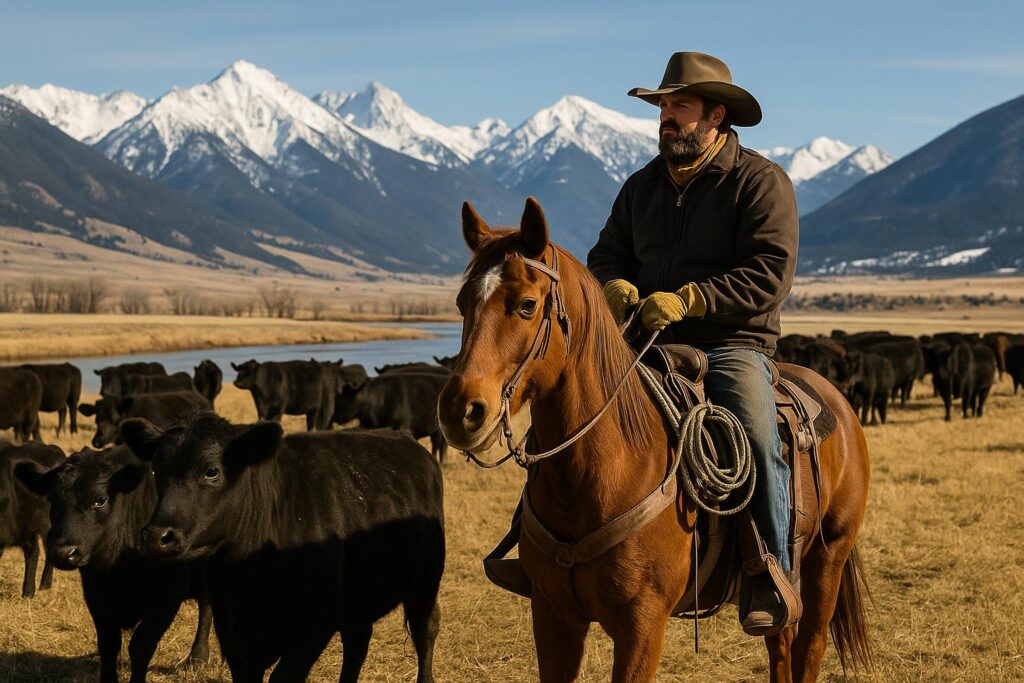
Across Montana, the traditional auction barn is still the heartbeat of weekly price discovery. But more ranchers are also moving cattle through channels that don’t involve a regular sale day—private treaty deals, estate and dispersal sales, and straight-across trades of breeding stock. These aren’t new ideas, but they’re getting more attention as producers look for ways to protect margins, control timing, and keep cash moving without taking every animal through the same marketing funnel.
Key Takeaways
- Montana ranchers are increasingly mixing private treaty, dispersal/estate sales, and straight trades alongside weekly auctions.
- Freight, timing, and risk management often drive off-auction deals as much as price does.
- Relationship-based buying can clarify health programs, genetics expectations, and delivery windows.
- Dispersals can offer adapted, proven cattle—if buyers do thorough due diligence and paperwork.
- Private deals shift more responsibility to both sides: terms in writing, biosecurity planning, and brand inspection compliance matter.
From the Bitterroot Valley to the Hi-Line, producers are balancing tight feed inventories, variable pasture conditions, and shifting buyer demand. In that environment, having more than one way to market cattle can be the difference between taking a price you don’t like and finding a deal structure that fits your operation.
For more context on how these off-auction channels are showing up, see Beyond the Sale Barn: Where Montana Cattle Deals Are Showing Up in 2026 and More Montana Ranchers Are Selling Cattle Outside the Sale Barn—How Private Treaty, Dispersals, and Direct Load-Lot Deals Work.
Why More Montana Cattle Are Moving Outside the Weekly Auction
Montana’s cattle market is heavily influenced by geography and freight. A load of calves in the Flathead Valley faces a different trucking reality than a load out of Glendive or the Yellowstone Valley. When freight, time, and risk stack up, some sellers and buyers start looking for alternatives that reduce uncertainty.
- Timing and cash flow: Private treaty sales can be scheduled around haying, irrigation turns, or weaning, instead of a fixed auction calendar.
- Reduced stress and shrink: Fewer load-outs and fewer stops can mean less shrink and fewer health setbacks, especially for freshly weaned calves.
- Known cattle, known terms: Direct relationships can allow clearer expectations on vaccination programs, genetics, and delivery windows.
- Specialized breeding stock demand: Seedstock and commercial buyers sometimes prefer to buy bulls, bred heifers, or cow-calf pairs through direct contact rather than competing in a ring.
None of this replaces the sale barn’s role in price discovery and liquidity. But it does point to a reality Montana ranchers already understand: marketing is part relationships, part logistics, and part knowing your costs. It also intersects with what’s happening on the board. When futures soften, sellers can become more focused on controlling timing, freight, and downside risk.
Recent market coverage that adds context includes Cattle Futures Tumble to End the Week: What the CME Selloff Could Mean for Montana Calf and Yearling Prices and Cattle Futures Sink Friday to End the Week: What the Selloff Could Mean for Montana Calf & Yearling Prices.
Where the Opportunities Show Up: Networks, Dispersals, and Trades
Producers who consistently find cattle outside the weekly auction tend to do three things well: they keep their ear to the ground, they move quickly when a fit appears, and they pay attention to details that protect both sides.
1) Networking that actually leads to cattle
In rural Montana, “networking” isn’t a buzzword—it’s the neighbor you call when you’re short on replacement heifers, the brand inspector you ask about typical timing for dispersals, or the feed dealer who hears which outfits are changing plans. Useful places to keep connections active include:
- Local stockgrowers meetings and county cattlewomen events
- Breed association gatherings and bull sales
- Veterinarians, truckers, and brand inspectors (who often know the rhythm of local operations)
For producers wanting a more formal approach, the Montana Stockgrowers Association and the Montana Beef Council are good starting points for education and contacts, even if you’re not buying cattle directly through those organizations.
2) Estate and dispersal sales
Dispersals can create real opportunity, particularly for replacement females or proven cows. The upside is you may be buying cattle that are already adapted to a Montana environment—winter-hardy, used to big country, and selected under similar forage conditions.
The caution is that dispersals happen for many reasons. Some are simply retirement or succession changes; others may involve drought pressure, feed shortages, or health and fertility problems. (For broader feed context producers are weighing, see Dry Summer, Tight Hay: Montana Ranchers Weigh Feed Options and Winter Plans.)
The best protection is due diligence:
- Ask for herd health and vaccination history in writing if possible
- Clarify pregnancy check dates and methods for bred females
- Confirm age, mouth, and disposition expectations
- Be realistic about biosecurity when commingling new cattle
Montana’s brand inspection requirements are also part of the equation. Before any private trade, make sure you’re following state rules and scheduling inspections as needed.
3) Straight trades and breeding stock swaps
Some of the most efficient deals don’t involve a public price at all. Two outfits may trade breeding stock, pairs, or even a set of yearlings to balance forage, labor, or genetics goals. These arrangements can be especially useful when one operation has feed but needs cattle, and another has cattle but needs to reduce numbers.
For these trades to work, both sides need clear terms:
- How value is determined (weight, age, pregnancy status, genetics)
- Who pays freight and where delivery occurs
- Risk of loss during transport
- Any guarantees (e.g., breeding soundness on bulls)
What This Means for Montana Ranchers and Farmers
For Montana agriculture, alternative cattle marketing channels are less about chasing a secret premium and more about managing risk and improving fit. When margins are tight, the “best” price is sometimes the one that comes with the fewest surprises—health-wise, freight-wise, and timing-wise.
- Cash-flow flexibility: If you’re in the Gallatin Valley juggling higher land costs or leased pasture dates, the ability to set delivery and payment terms can matter as much as the bid.
- Feed and hay alignment: In drought-lean years on the Hi-Line, matching cattle numbers to forage and hay inventory is critical. Direct deals can let you buy or sell in smaller, more targeted groups.
- Genetics that match your country: Dispersals and private treaty purchases can help Bitterroot Valley or Flathead Valley outfits find cattle that winter and travel well, instead of buying unknown genetics built for a different environment.
- Reduced market-day risk: When weather turns or roads get sloppy, avoiding extra handling and commingling can reduce wrecks and health costs.
For farmers who background calves or raise feed, these shifts can also open doors. A crop producer with silage, hay, or aftermath grazing can sometimes structure a deal with a rancher that benefits both sides—especially if the cattle can be sourced privately and delivered on a schedule that matches feed availability.
Feed costs can also swing quickly alongside broader commodity moves; see Grain Rallies, Cattle Slide: What Friday’s Futures Could Signal for Montana Feed Costs and Calf Prices.
Practical Tips Before You Do a Private Deal
Private treaty and dispersal buying can work well, but it puts more responsibility on the buyer and seller to document the basics. Consider these steps:
- Know your breakevens: Pencil out freight, shrink, feed, and interest. A “good” price can turn average quickly after trucking across the state.
- Put key terms in writing: Even a simple bill of sale that lists head count, class, weights (if applicable), and delivery date helps prevent misunderstandings.
- Verify animal ID and ownership: Coordinate brand inspection and keep records clean.
- Ask about management: Weaning program, bunk training, mineral program, and exposure to bulls all affect performance and risk.
- Plan biosecurity: Talk with your veterinarian about testing or quarantine protocols that make sense for your herd.
What to Watch Next in Montana Agriculture
Several factors will influence whether these off-auction opportunities expand in Montana this year:
- Regional moisture and pasture conditions: If the Yellowstone Valley and Hi-Line see uneven rain, expect more mid-season adjustments in stocking rates—often the trigger for private buying and selling.
- Hay supply and price direction: Hay movement out of the Gallatin and Bitterroot valleys, and availability of carryover inventory, can quickly change the math on keeping versus selling cows.
- Trucking availability and costs: Freight remains a quiet driver of marketing choices. Watch fuel prices and seasonal truck demand around weaning and shipping windows.
- Demand for replacements and bred females: If more outfits aim to rebuild or hold cow numbers, dispersals and direct treaty listings may tighten up fast.
- Policy and inspection enforcement: Any changes in brand inspection staffing, timelines, or enforcement priorities can affect how smoothly private deals happen.
The takeaway: keep the auction barn in your toolkit, but don’t ignore the quieter market that runs through phone calls, neighbor connections, and well-timed dispersals. In a state as spread out as Montana, marketing flexibility is often a competitive advantage.
FAQ: Private Treaty, Dispersals, and Cattle Trades in Montana
Are Montana auction barns still important if more cattle move privately?
Yes. The auction barn still anchors weekly price discovery and provides liquidity, but many producers also use private treaty, dispersals, and trades to manage timing, freight, and operational fit.
Why would a rancher sell calves or cows by private treaty instead of on sale day?
Private treaty can offer scheduling flexibility (around haying, weaning, irrigation, and labor), fewer load-outs and stops (potentially reducing shrink and stress), and clearer terms on health programs, genetics, and delivery.
What’s the main risk in buying cattle through a dispersal sale?
The opportunity can be strong—especially for adapted replacement females—but dispersals can happen for many reasons. Due diligence on herd health, pregnancy details, age/mouth, and biosecurity helps reduce surprises.
What should be in writing for a private cattle deal?
At minimum: head count, class of cattle, weights (if applicable), delivery location/date, payment terms, and who covers freight. Written herd health and vaccination history (when available) can also help.
How do straight-across cattle trades work if there’s no public price?
They work when both sides agree upfront on how value is determined (weight, age, pregnancy status, genetics), who pays freight, where delivery happens, and how risk of loss during transport is handled.
How do feed and hay conditions affect off-auction opportunities?
Tight feed inventories, variable pasture conditions, and shifting demand can trigger stocking-rate adjustments. Private deals can help match cattle numbers to forage and hay inventory in smaller, more targeted groups.
What role does trucking play in Montana cattle marketing decisions?
Freight, time, and risk can be decisive because Montana’s geography creates very different hauling realities depending on region. When trucking costs or availability tighten, some buyers and sellers look for deal structures that reduce uncertainty.
Do brand inspection requirements matter in private cattle sales?
Yes. Brand inspection requirements are part of the equation in Montana. Before any private trade, sellers and buyers should follow state rules and schedule inspections as needed.
Related Reading
- More Montana Ranchers Are Selling Cattle Outside the Sale Barn—How Private Treaty, Dispersals, and Direct Load-Lot Deals Work
- Beyond the Sale Barn: Where Montana Cattle Deals Are Showing Up in 2026
- Dry Summer, Tight Hay: Montana Ranchers Weigh Feed Options and Winter Plans
- Grain Rallies, Cattle Slide: What Friday’s Futures Could Signal for Montana Feed Costs and Calf Prices
- Cattle Futures Sink Friday to End the Week: What the Selloff Could Mean for Montana Calf & Yearling Prices
- Cattle Futures Tumble to End the Week: What the CME Selloff Could Mean for Montana Calf and Yearling Prices