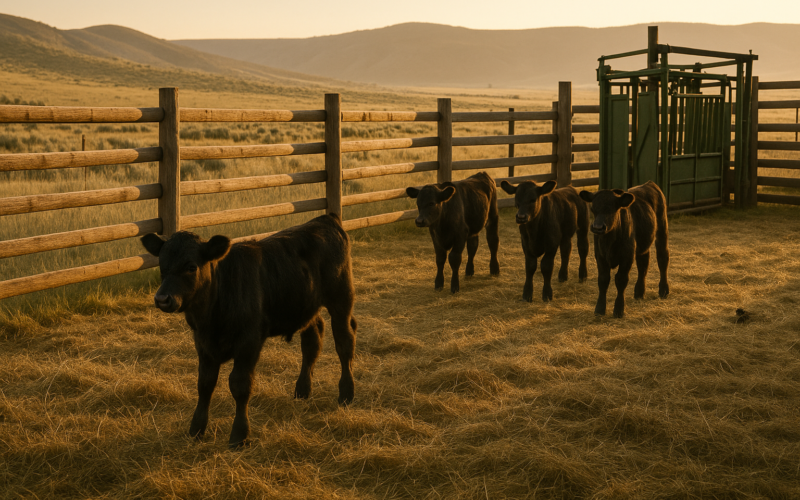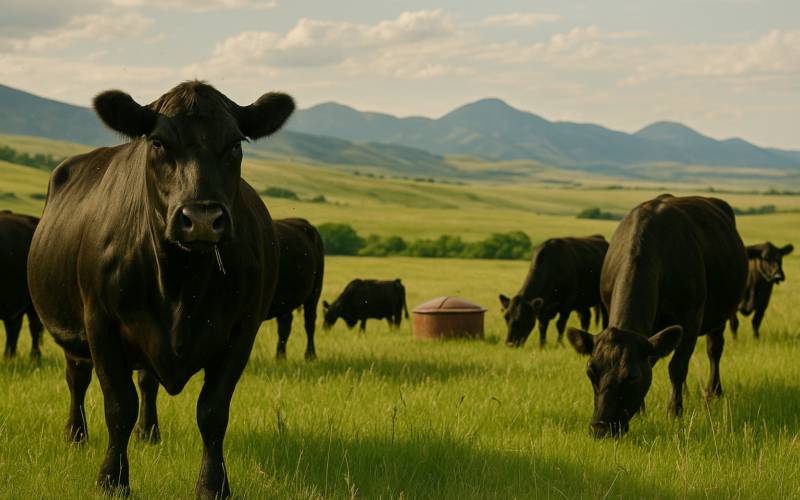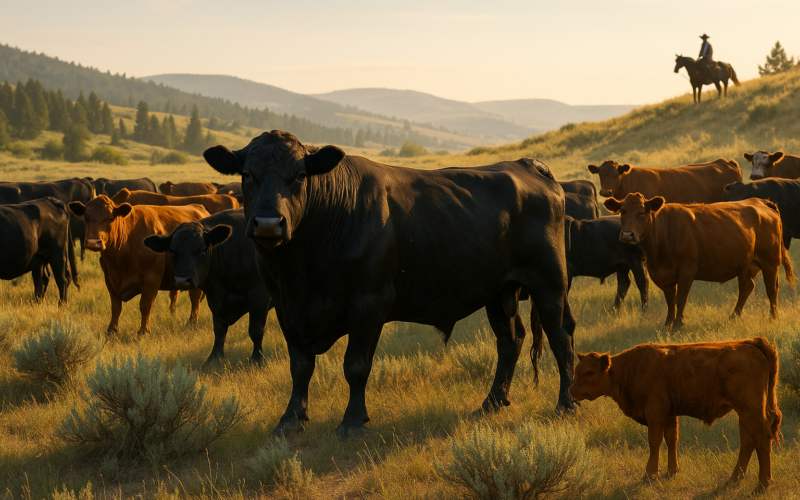
You gather a bunch off the meadow and one cow is hanging back, favoring a hind foot. She’s not down, she’s not off feed yet, but she won’t put weight on it and the foot above the hoof is swelling up hot and tight. Nine times out of ten in June, that’s foot rot. It comes on fast, it stinks, and it’ll cost you gain and grief if you let it sit.
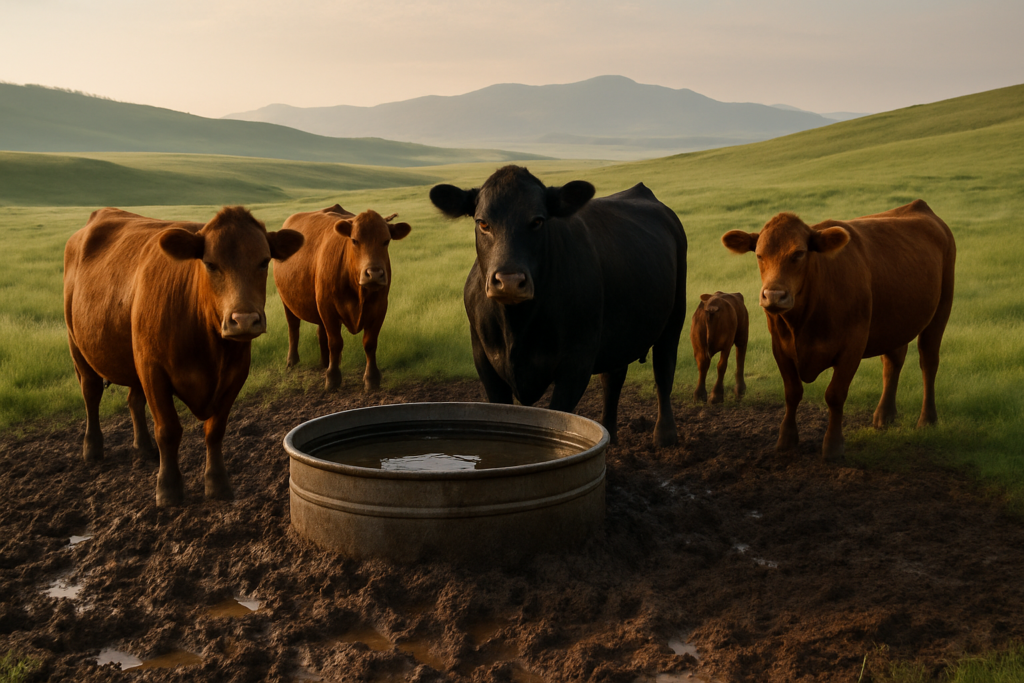
Foot rot is a bacterial infection that gets in through broken skin between the claws. The bugs that cause it live in the soil and manure, and they wait for a break in the skin to get through. Wet ground, muddy corrals, rocky trails, and coarse cut stubble all give them the opening. That’s why it turns up now. Spring runoff leaves standing water in the low corners, the cattle stand around water tanks and gates churning it to soup, and the skin between the toes stays soft and split.
Know it when you see it
The tell is a sudden, severe lameness in one foot — usually a hind foot — with even swelling above the hoof on both sides. The cow goes from sound to three-legged in a day or so. The skin between the claws will crack open, the toes spread apart from the swelling, and there’s a rotten smell you won’t mistake once you’ve caught a whiff of it. That symmetry matters. If the swelling is all on one side, or centered on one claw, or the foot’s not hot, you might be looking at a sole abscess, a hairy heel wart, a nail or wire in the foot, or a busted-up joint. Those don’t respond the same way, and pumping a cow full of antibiotics for the wrong problem just wastes the drug and your time.
Catch it early and it’s a straightforward fix. Let it ride a week and the infection can move up into the joint and the tendons above the hoof. Once it’s in the joint, you’re often looking at a cow that never comes fully sound again, and no shot of anything brings that back.
Treat it early, treat it clean
Foot rot responds well to antibiotics when you hit it early, and this is one where a call to your vet up front pays off — get the product, the dose, and the withdrawal times set for your herd before you’re standing over a lame cow in the chute. Whatever you use, dose it by real weight, not a guess, and write down the date and the withdrawal so you don’t market or ship her too soon.
If you can get the foot up and clean it, do it. Pick out the mud and manure, look between the claws to confirm the crack and the smell, and make sure there isn’t a rock or a chunk of wire driven up in there causing the trouble. A cow that doesn’t turn the corner in a couple of days needs a second look — the infection may be deeper than a shot will reach, and that’s a vet conversation, not a bigger dose.
Watch the rest of the bunch too. Foot rot isn’t wildfire-contagious the way pinkeye is, but the same wet ground that got one cow is working on all of them. If you’re pulling two and three head off the same muddy trap, the ground is the problem, not bad luck.
Dry ground beats any needle
The cheapest treatment is not needing one. Fix the drainage around water tanks and gates so cattle aren’t standing fetlock-deep in muck. Move mineral and salt to firmer, higher ground so they’re not churning one spot to slop. Gravel or rock the worst gateways and the tank aprons if you can. If a pasture has a stretch of sharp rock or stubble that keeps cutting feet, rethink how you’re trailing through it.
Some outfits run a zinc or copper mineral through the summer to help toughen the skin and horn, and it’s worth talking over with your vet as part of your mineral program rather than a standalone fix. But no mineral saves a cow standing in six inches of manure and water at the tank. Get them onto dry footing, catch the lame ones early, and foot rot stays a nuisance instead of a wreck.