By the time the branding fires are cold and the bulls are out, the horse that carried you through all of it has earned some attention. June is when ranch horses go from soft spring legs to long days—gathering pairs, doctoring pinkeye on the open range, prowling fence. The mileage stacks up fast, and the horse you depend on most is usually the one you ride hardest and notice least. A few habits this time of year keep him going clear through fall shipping.
Feet take the first beating
Hard, dry ground does to a horse’s feet what it does to gumbo: cracks it. After spring mud, Montana ground sets up like concrete by late June, and that’s rough on bare hooves and a fast way to find a thin sole. If you’re trailing horses any distance over rock—and a lot of country east of the divide and through the breaks is nothing but shale and gravel—keep up with the farrier on a regular cycle instead of waiting until you see a problem.
Check feet before you saddle, not after the horse comes up lame. A stone bruise or the start of a crack is cheap to deal with early and expensive to ignore. Horses worked steady on abrasive ground wear shoes faster than the calendar suggests, so don’t get locked into a six-week schedule just because that’s what worked in April. If a horse is tender after a long day on rock, give him soft pasture and a few days off before you ask for more.
Water, electrolytes, and the long haul home
A working horse in July sweats a lot more than people give him credit for, and he loses salt right along with the water. A horse that quits drinking after a hard day is setting up for a tied-up muscle or a colic, neither of which you want forty minutes from the trailer. Make sure horses have free access to clean water and loose salt at the corral, and pay attention to how much a hard-used horse drinks when he gets home.
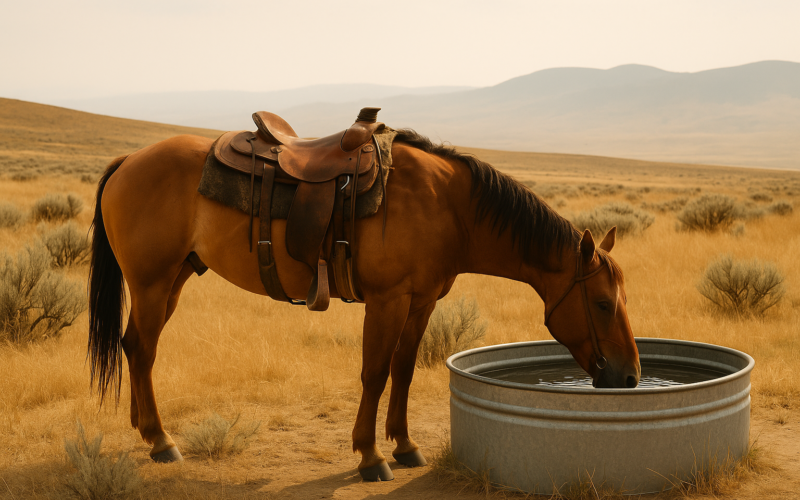
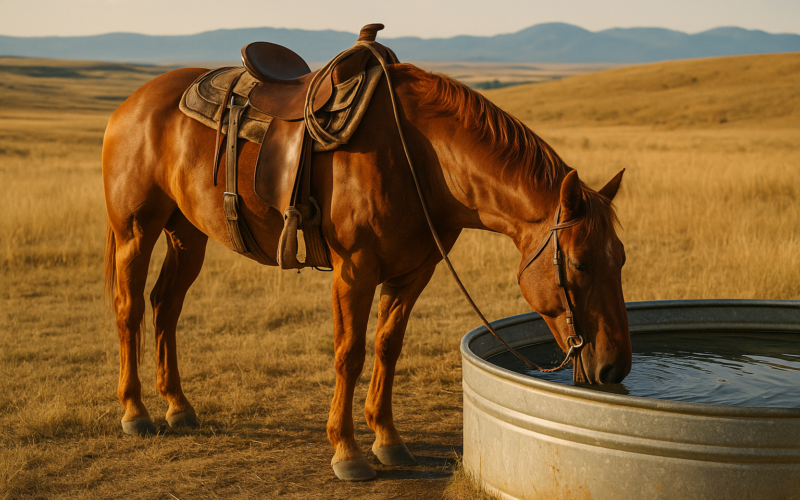
On the longest gathers, it pays to let horses drink at a creek or tank mid-day rather than pushing straight through. A horse that’s been hauled in a hot trailer, unloaded, and ridden eight hours in ninety-degree heat is under real strain. Watch for the ones that go flat, quit sweating, or won’t eat that evening. Cooling a horse out before you load him—walking the last stretch in instead of loping—does more good than people think.
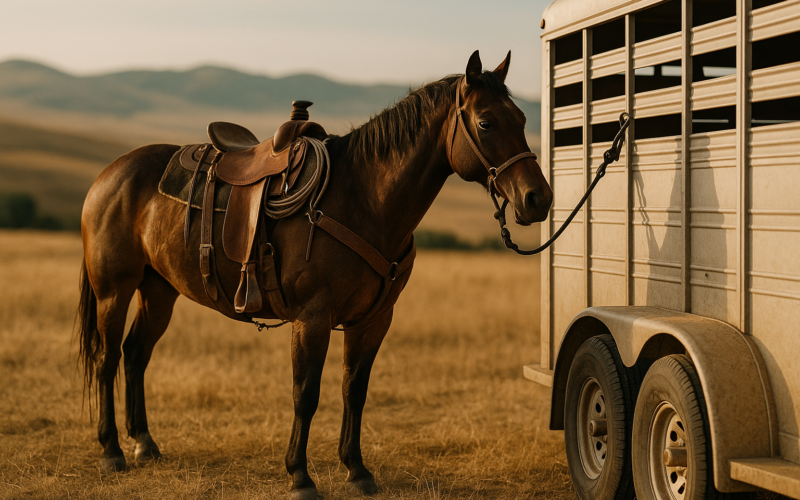
Hauling deserves the same care. A closed stock trailer parked in the sun turns into an oven in minutes. If you’ve got horses standing tied while you sort cattle, find shade or crack the trailer for air. Heat builds faster than you’d guess when nothing’s moving.
Saddle sores and the cinch you never check
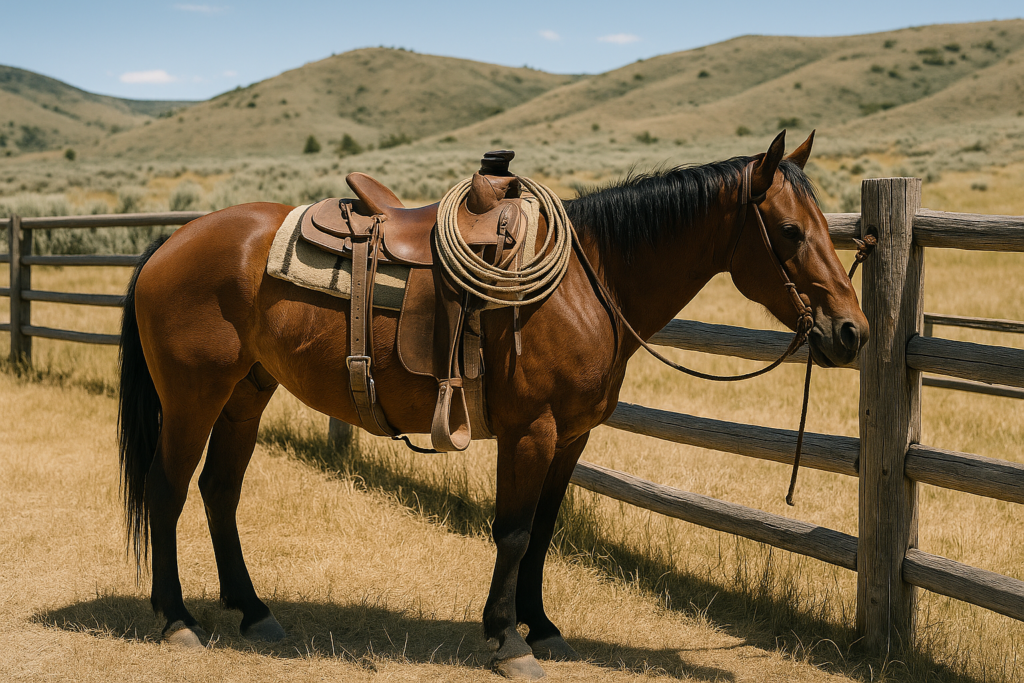
Long days mean a lot of hours under the saddle, and that’s where saddle sores and cinch galls show up. A wet, dirty blanket grinds dirt into a withers that’s already taking pressure. Brush the back clean before you saddle, knock the caked sweat out of the pad, and look at the cinch area when you pull the rig at night. A raw spot the size of a quarter today is a horse you can’t use next week.
Fit matters more the harder you ride. A saddle that bridges or sits too far forward will rub a sore in a week of real work even if it never bothered the horse on short rides. If you’ve got one horse coming up with the same sore in the same place, the saddle’s telling you something.
Flies are the other quiet drain. A horse fighting flies all day on a hot ride burns energy stomping and swishing instead of working, and gnats can chew ears raw on horses turned out at night. A fly mask on pastured horses and a good wipe-down before a ride aren’t fussy—they keep a horse comfortable enough to keep his mind on the job.
None of this is complicated. It’s the kind of thing a good outfit does without thinking about it, right up until a busy stretch knocks it loose. The horse that’s still sound and willing when you’re sorting weaning pairs in October is the one you took care of in June.