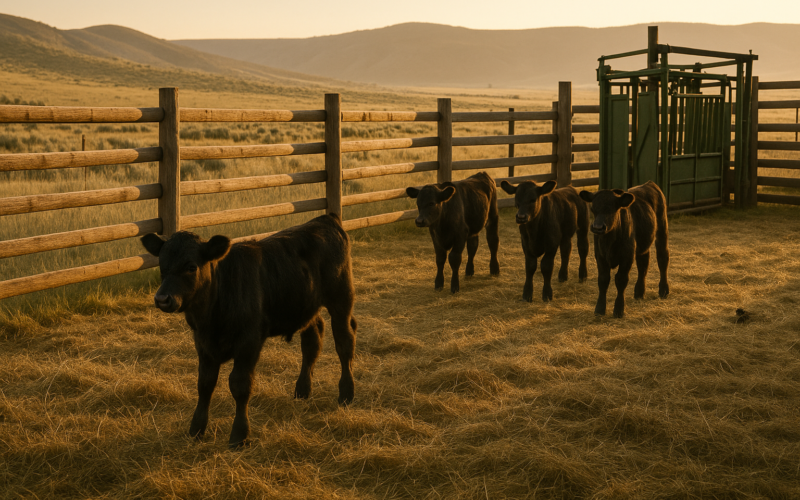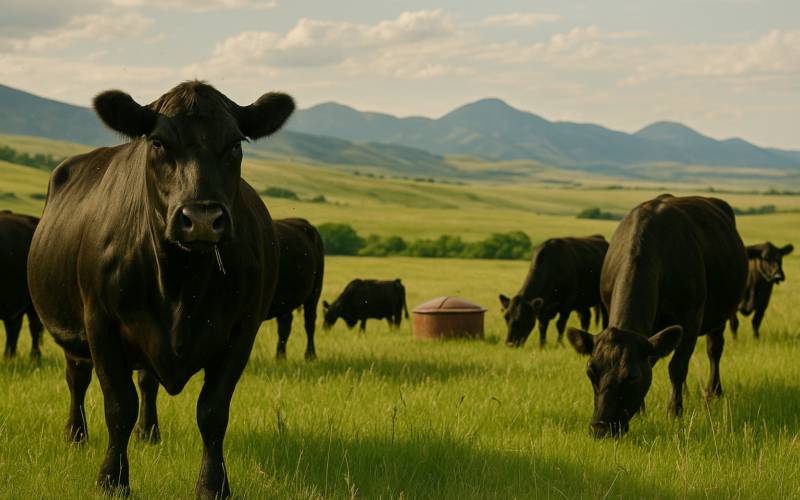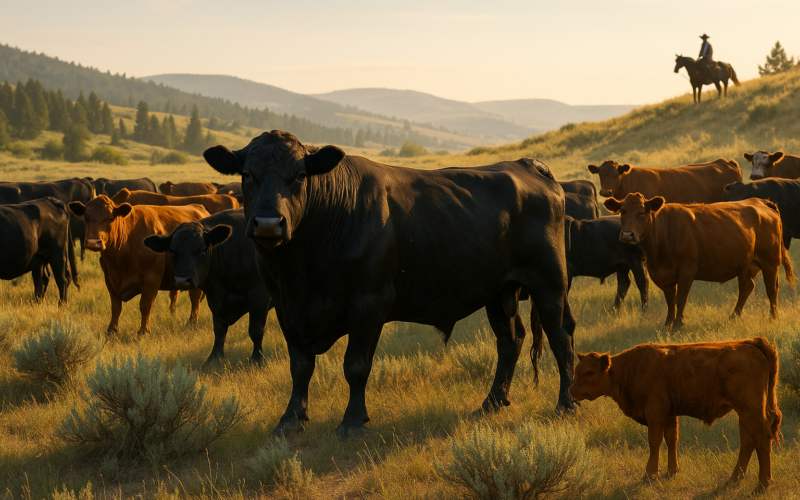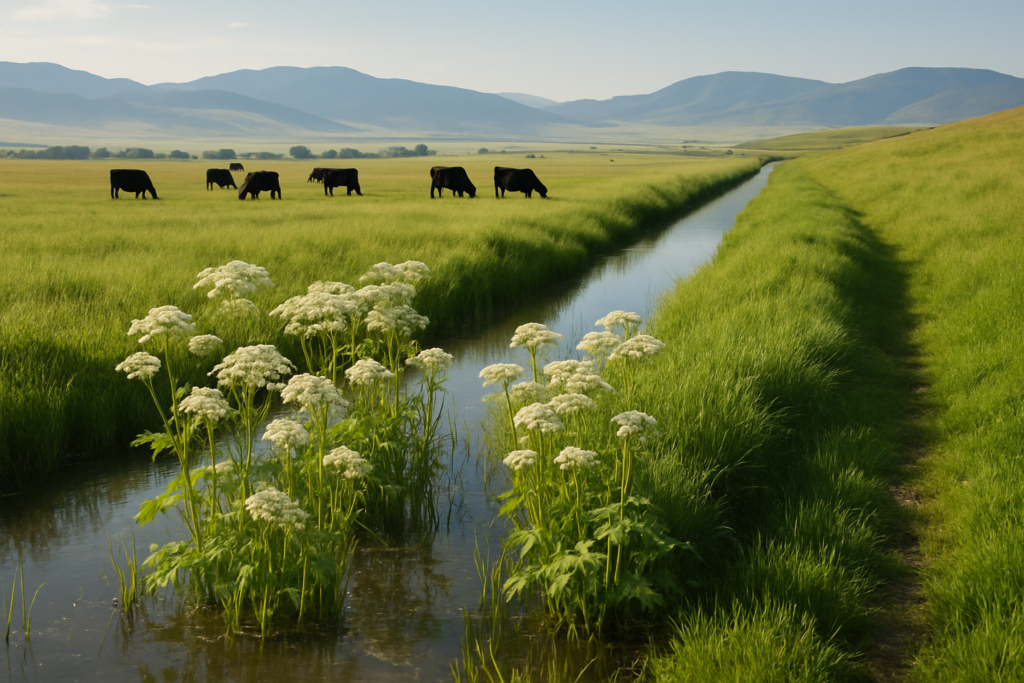
Everybody watches for larkspur on the foothill turnout. Fewer people watch the wet ground, and that’s a mistake. Water hemlock is the plant that grows in the seeps, ditch banks, wet meadows, and creek bottoms where the ground stays soft into summer, and it’s about as deadly as anything a cow can put in her mouth. A poisoning doesn’t drag out over days. An animal that eats a mouthful of root can be down and convulsing inside fifteen minutes to an hour, and there’s no practical treatment once it starts.
June is when it lines up wrong. Cattle come off dry feed hunting green, the wet spots are the greenest ground you’ve got, and the soil is soft enough that a cow can pull the plant up by the roots. The root is where most of the toxin sits, so a grazing animal that would normally just top the leaves can get a fatal dose by tugging the whole thing out of mud.
Know it from the plants that look like it
Water hemlock likes standing water and saturated soil — irrigation ditches, spring seeps, the low corner of a hay meadow, the edge of a slough. It grows tall, three to six feet by mid to late summer, with clusters of small white flowers arranged in umbrella-shaped heads. The stems are hollow and often streaked with purple near the base.
The tell is in the root. If you dig one up and split it lengthwise, the base of the stem and the rootstock are chambered — a series of hollow pockets divided by cross-partitions. Inside is an oily yellow liquid that smells sharp, something like raw parsnip or celery. That liquid is the poison, and it’s strong enough that people have been poisoned handling the roots and eating them by mistake.
It gets confused with a few harmless look-alikes. Water parsnip and cow parsnip grow in the same wet ground and carry similar white flower heads. The chambered root and the smell are what set water hemlock apart. When in doubt, treat any tall white-flowered plant in standing water as suspect until you’ve dug one and looked.
Where the trouble shows up
The worst wrecks come from ground disturbance and grazing pressure at the same time. Fresh ditch cleaning, a spot where you pulled a beaver dam, a trampled water gap, a meadow that got chewed short — anywhere the roots get exposed or the soil turns to muck, cattle can get at the deadly part of the plant. Early-season turnout onto a wet meadow before the upland grass is ready is a classic setup, because the animals are hungry and the hemlock is one of the first things standing green.
Signs come on fast: nervousness, drooling, muscle tremors, then hard convulsions, teeth grinding, and death from respiratory failure. By the time you find an affected animal, you’re usually finding a dead one. That’s the hard truth about this plant — prevention is the whole game, because there’s rarely a window to do anything about a poisoned cow.
Keep stock off it
Fence the worst spots. If you’ve got a ditch bank or a seep that’s thick with it, a single hot wire to hold cattle back until you deal with the plants is cheaper than a dead cow. Don’t turn hungry animals into a wet meadow first thing — let them fill up on dry hay or upland grass so they’re not hitting the ditch banks like they haven’t eaten in a week.
You can dig it out if it’s a small patch, but get every bit of root and haul it off; even pulled plants stay poisonous, and cattle will eat wilted tops that got tossed on the bank. For bigger infestations, spot-spraying while the plants are actively growing works, but keep livestock off treated ground until the plants are dead and gone, because a dying plant is just as toxic and sometimes more tempting.
Walk your wet ground in June the same way you scout the hillsides for larkspur. Look at the ditches you just cleaned, the water gaps the runoff tore up, the low meadow corner that never dries out. Find the plant before the cows do, and you’ll never have to find out how fast it works.