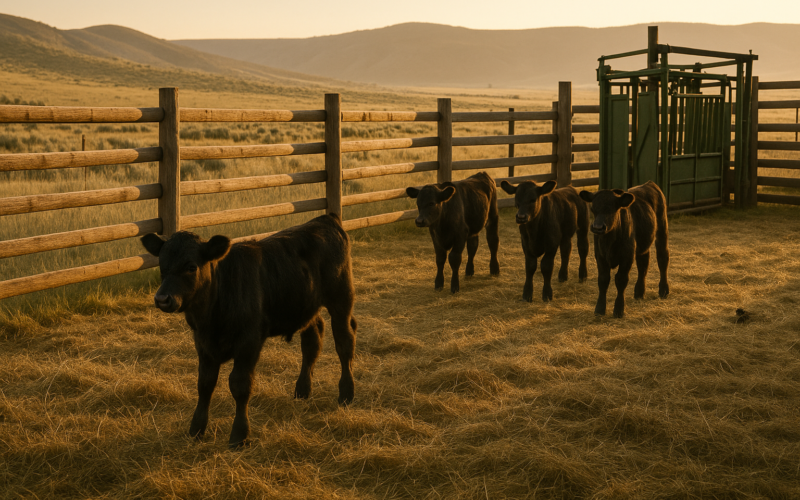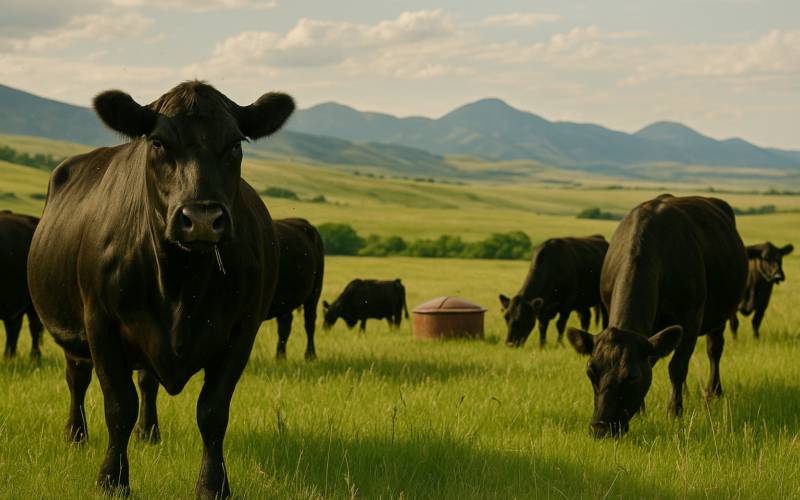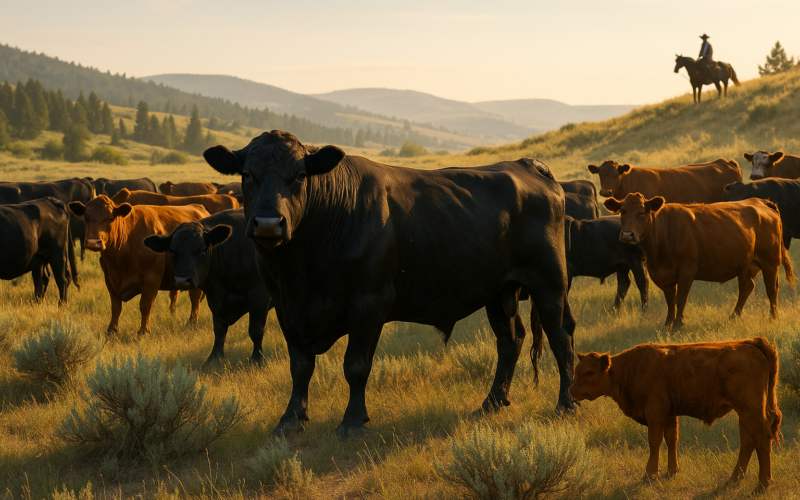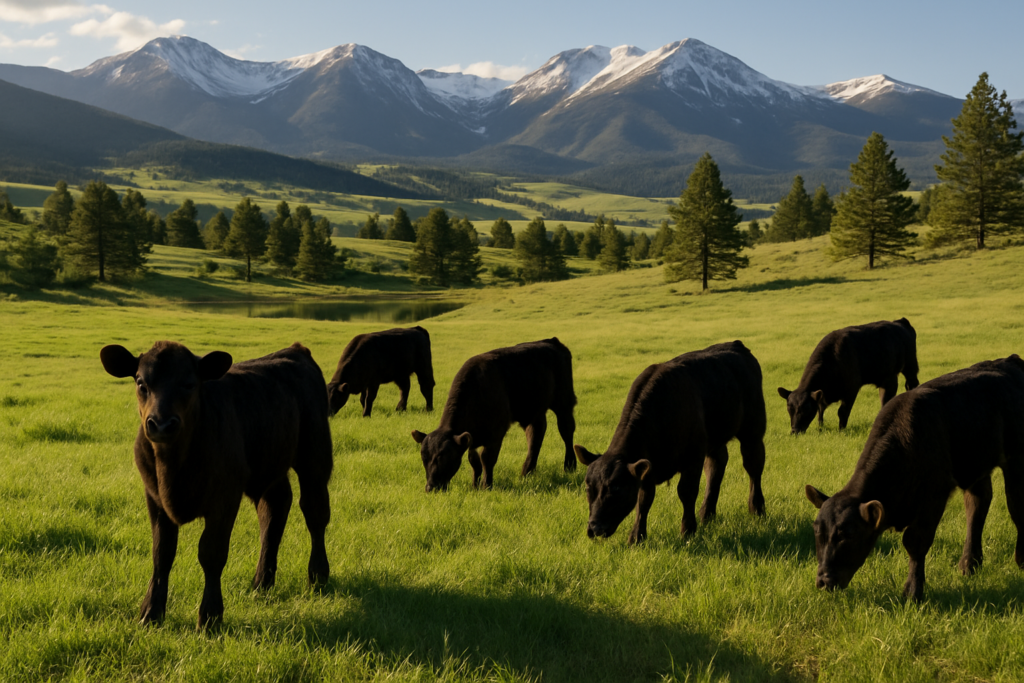
You ride through the calves one evening and everything looks fine. The next morning there’s a dead one, stiff and bloated, one of the biggest steers in the bunch. No sign of a fight, no bloody nose from a snake, nothing dragged in from the trees. That’s the picture blackleg usually leaves behind, and it tends to show up in June and July when the grass is good and the calves are gaining hard.
Blackleg is a clostridial disease, caused by a spore-forming bacteria that lives in the soil. Those spores can sit dormant in a pasture for years. Calves pick them up grazing, the organism sets up in muscle, and once it takes hold it moves fast. Most producers never catch a live case. You find the death, not the sickness.
Why the good calves are the ones you lose
It’s a cruel piece of it, but blackleg favors the thrifty calves, roughly four months to two years old, in strong condition and gaining well on high-quality feed. The disease seems to key on muscle that’s growing and working. A gaunt, poor-doing calf is less likely to go down with it than the one you’d have picked out as your top steer in the fall.
That’s part of why it stings. You’re not losing the culls. You’re losing the calves that would have weighed up and sold well, and you’re losing them right in the stretch when they should be putting on the cheapest pounds of the year.
Blackleg also rarely travels alone. The same clostridial family includes malignant edema, black disease, and the redwater organism that shows up in some drainages and river-bottom country. A few of these are tied to conditions you can’t fully control, wet ground, flooding, disturbed soil after construction or heavy runoff. Digging, road work, or a hard runoff year can turn up spores that were buried and quiet.
The vaccine is cheap, and that’s the whole point
Clostridial vaccine is about as inexpensive as anything you’ll run through the chute. The standard is a 7-way or 8-way that covers blackleg and its relatives, and it’s usually part of the shot you’re already giving calves at branding or turnout. If you gave a clostridial at branding, you’re in good shape for the summer, but check what you actually used. Some cheaper combinations skip a couple of the strains, and a straight blackleg-only product doesn’t cover the redwater or the edema types.
A few things worth keeping straight:
- Calves need two doses the first year to build real protection. If they only got one shot at branding, they aren’t fully covered until the booster. Plan that second round before you turn out on rough or high-risk ground if you can.
- Vaccine given today doesn’t protect today. It takes a couple of weeks for immunity to build. Vaccinating after you’ve already found a dead one is closing the gate late, though it’s still worth doing for the rest.
- Store it right. Clostridial vaccine is a killed product, but heat on the dash of the pickup or in the sun on the branding table will knock it down. Keep it in a cooler and use a clean, sharp needle so you’re actually getting a full dose under the hide.
When you find a dead one
A single sudden death in summer with no obvious cause deserves a closer look, not a shrug. Blackleg carcasses tend to bloat and stiffen fast, and the affected muscle can feel spongy or crackly under the skin from gas the bacteria produce. But you can’t tell blackleg from lightning, snakebite, bloat, or larkspur just by walking up to a dead calf, and treating it as one thing when it’s another costs you.
If you’ve got a run of losses, or even one death that doesn’t add up, it’s worth a call to your vet and a look inside. A necropsy while the carcass is fresh will tell you a lot more than guessing. Confirming clostridial disease also tells you whether the rest of that bunch needs boostered now, and whether you’re dealing with something like redwater that changes how you’ll vaccinate going forward.
The frustrating thing about blackleg is that there’s no treatment worth counting on once a calf is down. Almost the entire game is prevention, and prevention is a shot that costs less than a sack of mineral. If your calves are on summer grass and you’re not certain what clostridial coverage they’ve had, that’s the one to run down before the grass gets any better and the calves get any bigger.