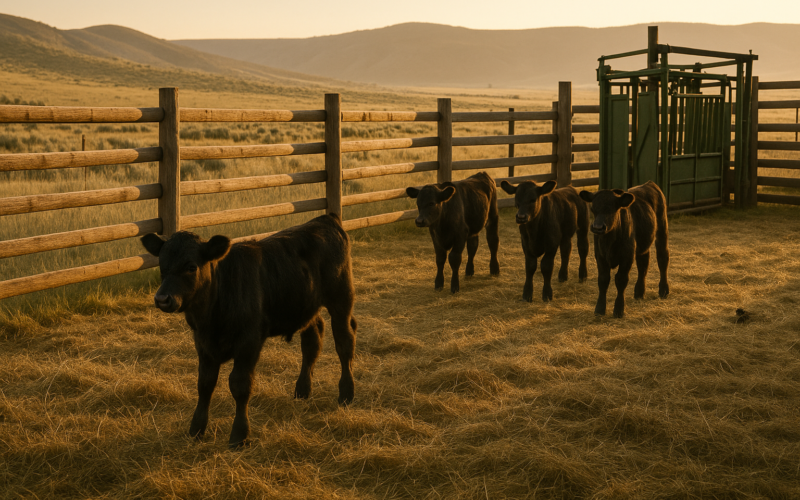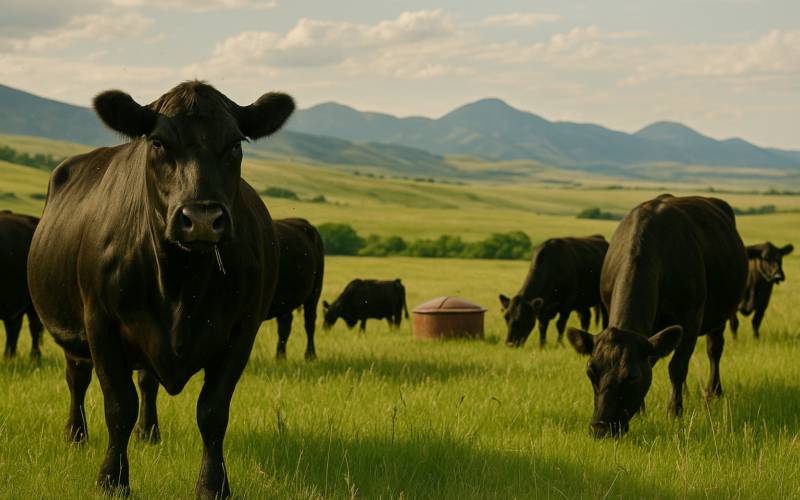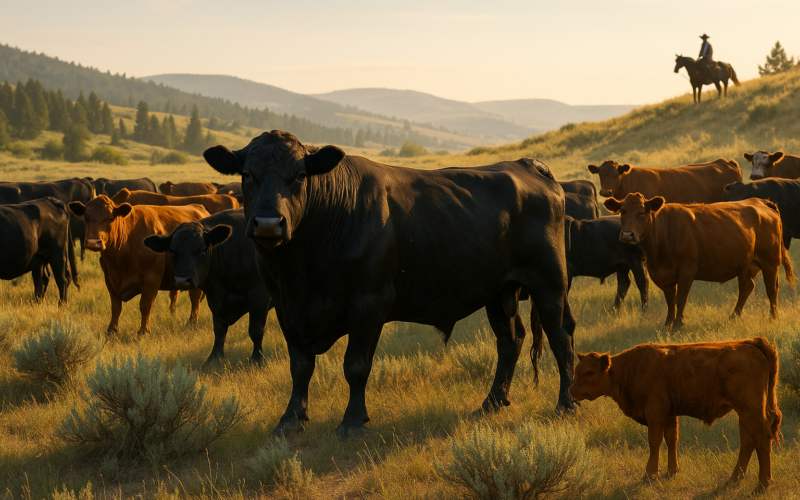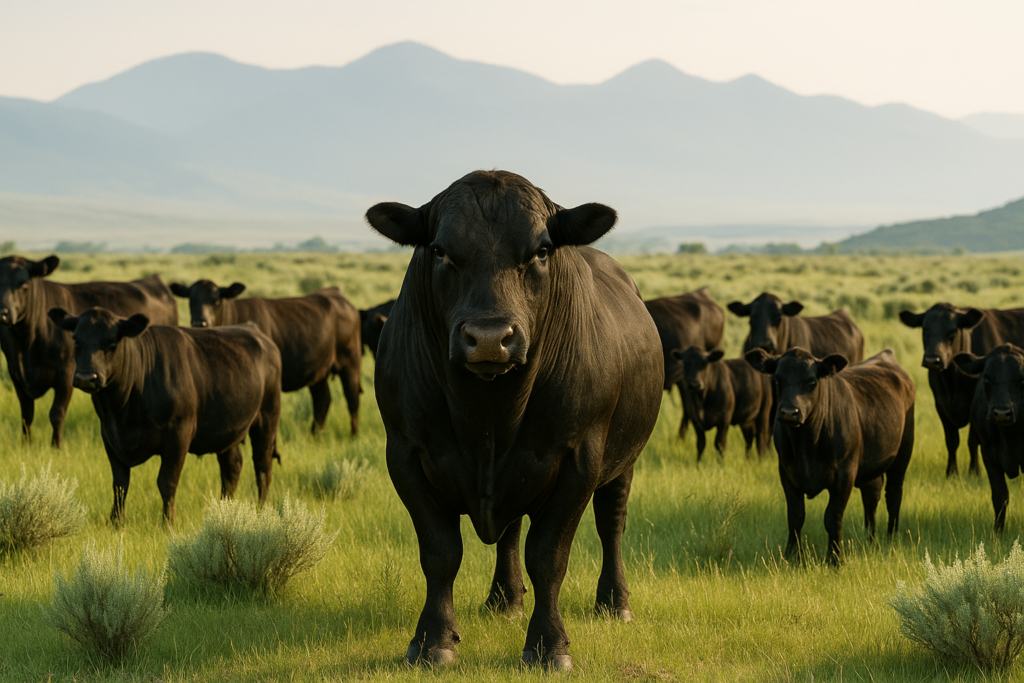
Most outfits get the breeding soundness exam done before turnout. Good. But that test is a snapshot. It says the bull measured up, tested clean, and passed a semen check on one morning in May. It doesn’t say a thing about what he does once he’s out on 640 acres with 25 cows and a coyote-chewed foot he picked up crossing a rocky draw.
June is when bulls actually earn their keep, and it’s also when they quietly fall apart. A bull that goes lame, drops weight, or gets whipped by a bigger bull in week two can leave a stretch of cows open without you ever knowing until preg-check in the fall. By then it’s a wreck you can’t fix.
Watch them work in the first week
The days right after turnout tell you a lot. Ride through and actually watch. A sound, willing bull is up moving, following cows, checking the ones coming into heat. He should be breeding. If you’ve got a bull standing off by himself in the shade while another one does all the work, mark him. Sometimes he’s hurt. Sometimes he’s just been run off by the boss bull and won’t get a chance until the pecking order shifts.
That’s the argument against running one bull with a big bunch of cows. If he’s your only one and he goes down, nobody’s covering for him. Two bulls with a group gives you a backup, but two bulls that spend more time fighting each other than settling cows is its own problem. If they’re horned up and shoving instead of breeding, they’ll both come out light and you’ll have a bad calving spread.
Keep an eye on feet especially. Foot rot and stone bruises put a bull on three legs fast, and a lame bull isn’t breeding anybody. On rough foothill country a bull can wear his feet down or split a claw and just quit working without looking obviously sick.
The cows will tell you if it’s working
You don’t have to guess. Watch the cows for repeats. A cow cycles about every 21 days. If you turned bulls out and you’re still seeing a bunch of cows standing to be ridden 25, 30, 40 days later, something’s off. Either the bull isn’t settling them or he’s not getting to them. A heat-detection patch or a little chalk on the tailhead is cheap insurance if you want to be sure, but even just riding through and noting which cows are riding each other will show you a pattern.
Some producers turn a marking harness on the bull to see which cows have been bred and when. It won’t tell you the cow settled, but a bull that’s marking cows steadily through the season is at least out there doing the job.
Heat, condition, and the back half of the season
A bull can start June in good flesh and be run down by the middle of July. Breeding is hard work, and he’s covering ground and eating grass instead of cake. Bulls will drop a body condition score or more over a breeding season, and a young bull especially can run himself into the ground because he doesn’t know to pace himself. That’s why a lot of outfits don’t turn yearling bulls out with too many cows for too long.
Summer heat matters too. A bull that overheats — sitting in a hot corral before turnout, or a stretch of 95-degree days — can take a hit to fertility that doesn’t show up right away. It takes roughly two months for a bull to make new sperm, so damage done in June shows up as poor conception in June, not the day he got hot. There’s not much you can do about the weather, but shade and water in the breeding pasture are worth having, and it’s one more reason not to lean on a single bull.
None of this takes long. It’s a couple hours of riding through every week or ten days, looking at feet, watching who’s working and who’s sulking, and paying attention to how many cows are still cycling. Catch a failing bull in the first month and you can pull him, swap in a spare, and still hold your calving window. Find out in October and all you can do is count the open cows and figure out what it cost you.